If you’re trying to make sense of EV incentives in New York in 2026, you’re not alone. Federal rules have shifted, state programs have been topped up, and a lot of online advice is already out of date. The good news: New York still offers meaningful support for going electric in 2026, you just have to know where the money is, what expires when, and how to stack it the right way.
Quick 2026 snapshot
Overview: What EV incentives look like in New York in 2026
New York’s EV landscape heading into 2026
New York’s EV policy is built around a clear trajectory: stricter zero‑emission sales requirements, more public charging, and state‑level rebates that keep demand alive even as federal incentives change. In 2026, you should think of incentives in three buckets: state vehicle rebates (primarily NYSERDA’s Drive Clean program), state and utility charging incentives (like Charge Ready NY 2.0), and the remaining federal tax benefits that haven’t yet been sunset by recent tax law changes.
2026 is a transition year
Key New York EV incentive programs at a glance
Major NY EV-related incentives touching retail drivers in 2026
This table focuses on programs a typical New York driver or small business is most likely to use in 2026. It doesn’t cover every niche grant, but it gives you a realistic short list to investigate.
| Program | Who it helps | What it pays | Key 2026 timing |
|---|---|---|---|
| NYSERDA Drive Clean Rebate | Retail buyers/lessees of new plug‑in EVs | Up to $2,000 off at the dealership, based on vehicle range and price caps | Open in 2026 while funding lasts; program periodically receives new allocations |
| Charge Ready NY 2.0 | Workplaces, multi‑unit dwellings, public sites | Per‑port rebates (often $2,000+ per Level 2 port) for networked chargers | Funding blocks released in phases through mid‑decade |
| Federal clean vehicle benefits (IRA era, modified by later law) | Buyers and some lessees of qualifying EVs | Up to $7,500 was available before phase‑outs; 2026 benefits are far more limited and vehicle‑specific | Many purchase credits phased out after Sept 30, 2025; check current IRS guidance |
| Federal EV charger tax credit | Homeowners & businesses installing EVSE | 30% of hardware + installation up to a cap (e.g., $1,000 for residential, higher for commercial) | Currently extended only through June 30, 2026, for new installs |
| Utility & local programs | Residential, commercial, municipal customers | Off‑peak charging rates, make‑ready support, occasional charger rebates | Varies by utility territory and year; check with your utility before installing equipment |
Program details can change mid‑year; treat this as a roadmap and verify specifics on official sites before committing to a purchase.
If that table feels like alphabet soup, don’t worry. In the next sections we’ll unpack the programs that most New York drivers actually use in 2026, how they interact, and how to tell which ones apply to your situation.
NYSERDA Drive Clean Rebate in 2026
The backbone of New York EV incentives in 2026 is still the NYSERDA Drive Clean Rebate. It’s a point‑of‑sale rebate applied right on the bill of sale or lease agreement at a participating New York dealership. You don’t wait for a tax refund, the discount is baked into your transaction price.
- Available only on new plug‑in vehicles (battery‑electric and many plug‑in hybrids) registered in New York State.
- Administered through participating dealers who handle the paperwork and apply the rebate directly to your purchase or lease.
- Rebate amount is tied to the vehicle’s electric range and price; up to $2,000 is still common for many mainstream BEVs in 2026.
- Program funding has been refreshed periodically, so availability is budget‑dependent, when a funding block is exhausted, rebate amounts or eligible models can change.
- Income is not currently the primary gatekeeper the way it is for some federal credits, but vehicles must meet NYSERDA’s cap on MSRP and other program rules.
Ask your dealer to show you the NYSERDA screen
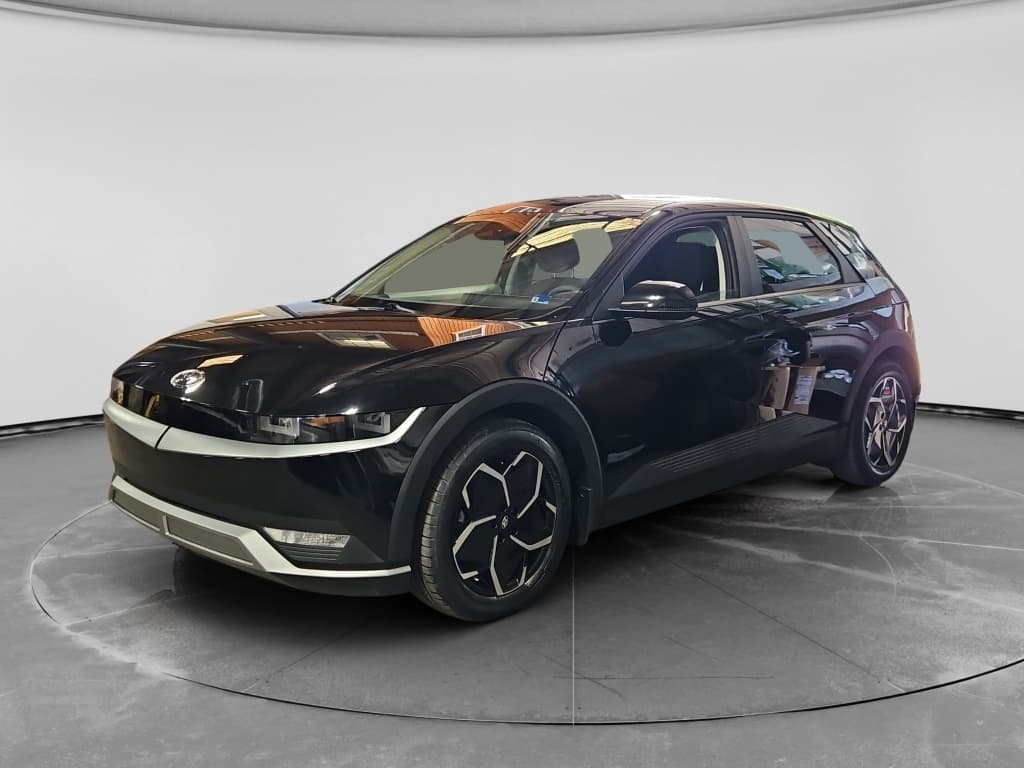
As of early 2026, shoppers are still reporting the full $2,000 Drive Clean rebate on popular models like the Hyundai Ioniq 5 and other long‑range EVs that meet the program’s price and range criteria. Short‑range plug‑in hybrids, or EVs above certain MSRP thresholds, may qualify for much less, or nothing, so it’s worth checking the official eligible models list rather than assuming every plug‑in qualifies.
Trim and model‑year quirks
Federal EV tax benefits New Yorkers can still use in 2026
On the federal side, 2026 is a very different world from the early Inflation Reduction Act (IRA) years. Congress’s later "One Big Beautiful Bill" legislation accelerated the phase‑out of many EV tax benefits. In practice, that means far fewer new EV purchases qualify for a federal credit in 2026, and the rules around leases, used EVs, and chargers matter more.
Where federal policy still helps New Yorkers in 2026
Think of these as surgical opportunities, not across‑the‑board discounts.
1. Legacy purchase credits
Most mainstream federal credits for new EV purchases ended for deliveries after September 30, 2025. A small number of edge‑case vehicles or orders grandfathered under prior rules may still be settling in 2026, but those are exceptions. If you’re buying a brand‑new EV in 2026, don’t plan your entire budget around a federal purchase credit unless you’ve confirmed eligibility directly with the dealer and IRS tools.
2. Used clean vehicle credit
Even as new‑vehicle credits fade, the used clean vehicle credit (up to $4,000 or 30% of price, whichever is lower) may continue to apply for qualifying used EVs bought through licensed dealers, subject to income caps and vehicle price limits. New Yorkers buying a used EV in 2026 should still check the IRS used EV tool and ask the selling dealer whether a point‑of‑sale credit can be applied.
3. EV charger tax credit
The federal Alternative Fuel Refueling Property credit still helps with charger installs in 2026, but only until June 30, 2026. For a primary residence, it typically covers 30% of hardware + installation costs up to $1,000. For commercial sites, caps and labor requirements are higher and more complex. If you’re planning a home Level 2 install, getting it done before mid‑2026 is key.
Don’t assume “$7,500 for any EV” still exists
The practical takeaway for a New York shopper: the state is now doing more of the heavy lifting on incentives than Washington is. If you’re cross‑shopping gasoline and electric in 2026, build your spreadsheet around Drive Clean, any used‑EV credits, and charger incentives, then treat whatever limited federal purchase support remains as upside rather than a guarantee.
EV charger incentives in New York: Home, work, and apartments
Charging is where New York’s incentive structure in 2026 is still aggressively growth‑oriented. Rather than throwing money at every new vehicle, policymakers are leaning into infrastructure support so that the EVs already hitting the road actually have places to charge.
Charge Ready NY 2.0
Charge Ready NY 2.0 is NYSERDA’s flagship program for Level 2 charging at workplaces, multi‑unit dwellings, and public parking. Site hosts that install qualifying networked chargers can receive per‑port rebates that often run into the thousands of dollars per connector.
- Designed to accelerate deployment of Level 2 charging across the state.
- Higher incentive levels for priority sites like multifamily housing and disadvantaged communities.
- Can be combined with utility make‑ready funding in many territories.
Property owners, not individual drivers, apply. But as a renter or condo owner, you benefit when your landlord taps this program instead of claiming chargers are “too expensive.”
Home charging support
New York doesn’t currently offer a big, statewide rebate check just for installing a charger in your single‑family garage. Instead, the incentives are a mix of federal tax credit (through June 30, 2026) and utility‑specific programs like off‑peak rates and make‑ready upgrades.
- Federal credit covers 30% of eligible costs up to $1,000 for many primary residences.
- Utilities such as Con Edison, National Grid and others periodically run charger or make‑ready programs; these change year‑to‑year.
- Time‑of‑use or EV‑only rates can dramatically cut your cost per kWh if you charge overnight.
If you own your home, it’s worth talking to a licensed electrician and your utility before committing to a particular charger or panel upgrade.
Renting in NYC or another dense market?
Business, fleet, and school bus EV incentives
If you run a business, manage a fleet, or work with a school district, 2026 might actually be one of the better years to electrify, especially for medium‑ and heavy‑duty vehicles and buses. These programs don’t directly help a private commuter buying a used Bolt, but they matter for the broader ecosystem of clean transportation in New York.
Notable 2026 programs beyond personal vehicles
These won’t apply to every reader, but they shape charging build‑out and commercial adoption.
Zero‑Emission School Bus incentives
Through the state’s Environmental Bond Act and the New York School Bus Incentive Program (NYSBIP), hundreds of millions of dollars are available for zero‑emission school buses and supporting infrastructure. If you’re a school district or contracted operator, these rebates can cover a large share of the incremental cost of electric buses over diesel.
Commercial fleet grants
New York continues to support zero‑emission trucks and commercial vehicles via programs run by NYSERDA and the Department of Environmental Conservation. Incentives often target drayage, delivery, and other high‑impact use cases, and can stack with NEVI‑funded charging along freight corridors.
Workplace charging & make‑ready
For employers, a combination of Charge Ready NY 2.0, utility make‑ready programs, and the federal commercial charger credit (through June 30, 2026) can substantially reduce the cost of offering on‑site charging as an employee benefit or for a company EV fleet.
Why this matters to you as a retail driver
How to stack EV incentives in 2026 (with examples)
The art in 2026 isn’t just knowing which EV incentives exist in New York, it’s understanding how they interact, and which ones you can realistically stack for your situation. Let’s walk through a few common scenarios.
Scenario 1: Buying a new EV in early 2026
1. Confirm federal timing
Check whether your planned delivery date falls after the main federal new‑EV purchase credits were phased out in late 2025. If it does, assume <strong>no major federal purchase credit</strong> and treat any dealer promises as upside to be verified, not a baseline assumption.
2. Check Drive Clean eligibility
Use the NYSERDA eligible models page and your exact trim to see whether you qualify for the full <strong>$2,000 Drive Clean rebate</strong> or a lower tier. Ask the dealer to show you the live portal entry before you finalize pricing.
3. Ask about utility programs
Before signing, call your electric utility (or check their website) to see whether they offer EV‑specific rates, make‑ready support, or home‑charger incentives in 2026. These can be worth hundreds of dollars per year in lower operating costs.
4. Plan your home charging timeline
If you own your home, schedule a Level 2 install <strong>before June 30, 2026</strong> so you can still access the 30% federal EVSE tax credit up to its cap. Aligning the electrician visit with your vehicle delivery saves a lot of headache.
Scenario 2: Buying a used EV in 2026
1. See if the used federal credit applies
Confirm whether the <strong>used clean vehicle credit</strong> is still active for your purchase date and whether your income, vehicle age, and price meet the IRS criteria. If the dealer can process it at the point of sale, that’s ideal.
2. Focus on total cost of ownership
Because Drive Clean only applies to new vehicles, your main levers on a used EV are <strong>purchase price, battery health, and charging costs</strong>. A healthy battery and cheap off‑peak charging often outweigh the lack of a new‑EV rebate.
3. Leverage charging incentives
You can still tap <strong>home charger</strong> and sometimes <strong>workplace charging</strong> incentives even if you bought the car used. A low purchase price plus cheap charging can beat a new EV with upfront rebates but higher depreciation.
4. Use Recharged’s tools
Shopping through <strong>Recharged</strong> gives you a <strong>Recharged Score battery health report</strong>, fair‑market pricing, and guidance on which incentives you can still capture with a used EV in New York.
Stacking done right: A realistic example
Used EV incentives and how Recharged fits in
New York’s flagship retail incentive, Drive Clean, is aimed squarely at new vehicles. But in 2026, a growing share of the value in this market is in used EVs, especially as three‑ and four‑year‑old models come off lease and out of early‑adopter hands. Incentives for used EVs are lighter, but that doesn’t mean they’re a bad deal.
Why a used EV can still be the smarter play in 2026
Especially when new‑car federal credits have largely gone away.
Lower depreciation hit
Early owners absorbed the steepest part of the depreciation curve. In 2026, you can often buy a two‑ to four‑year‑old EV at a substantial discount to its original MSRP, while still getting modern range and features.
Transparent battery health
With a used EV, battery condition is the ballgame. Recharged includes a Recharged Score on every vehicle, using diagnostics to verify real‑world battery health so you aren’t guessing about the pack that actually moves you.
Simpler incentive math
Instead of chasing a big federal purchase credit that might no longer exist, you’re often working with straightforward price, possible used‑EV credit, and charger incentives. That can make budgeting easier and reduce nasty surprises at tax time.
When you shop on Recharged, you see transparent pricing, verified battery health, and support from EV specialists who live and breathe this policy landscape. Our team can talk through New York‑specific incentives, help you compare the lifetime cost of different models, and coordinate financing, trade‑in, and delivery, including to New York buyers shopping remotely from our digital retail experience or visiting our Experience Center in Richmond, VA.
Common pitfalls and 2026 “gotchas” to avoid
- Assuming 2023‑era federal credits still apply. Many blog posts haven’t been updated for the late‑2025 policy changes. Treat any article that doesn’t mention 2025 phase‑out dates with skepticism.
- Not checking Drive Clean eligibility by trim. A model line might be advertised as “eligible,” but certain trims or option packages can push MSRP over the cap or change its rebate tier.
- Waiting too long on charger installation. The federal EVSE credit is currently scheduled to end for installs after June 30, 2026. If you know you’ll need Level 2 at home, dragging your feet can literally cost you hundreds of dollars.
- Ignoring utility rate plans. Paying standard residential rates to fast‑charge at peak hours can obliterate your fuel savings. In New York, off‑peak home charging and smart rate plans make a huge difference.
- Buying a used EV without a battery health report. A cheap used EV with a tired pack is almost always a false economy. Whether you buy from Recharged or elsewhere, insist on credible battery diagnostics.
Be wary of dealer misinformation
FAQ: EV incentives in New York in 2026
Frequently asked questions about New York EV incentives in 2026
Bottom line: How to approach EV incentives in New York in 2026
By 2026, New York’s EV incentive landscape looks less like a fire hose of free money and more like a targeted toolkit. The big national headline credits for new EV purchases are winding down, but New York State has kept meaningful support on the table through the Drive Clean Rebate, Charge Ready NY 2.0, and ongoing investments in charging and zero‑emission fleets.
If you’re shopping this year, focus on three things: nail down exact eligibility for your vehicle and timing, move quickly on charger installation while the federal EVSE credit is still live, and pick an EV whose real‑world operating costs, fuel, maintenance, insurance and depreciation, fit your life. A well‑chosen EV in 2026 can still beat a gasoline car on total cost of ownership; you just have to work a little smarter to line up the incentives.
And if you want help navigating all of this without becoming a full‑time policy analyst, Recharged is built for exactly this moment. Every used EV on our platform comes with a Recharged Score battery health report, transparent pricing, EV‑savvy financing support, and guidance on which New York and federal incentives you can realistically capture. That way, you spend less time chasing conflicting rebate advice, and more time enjoying an EV that actually pencils out.