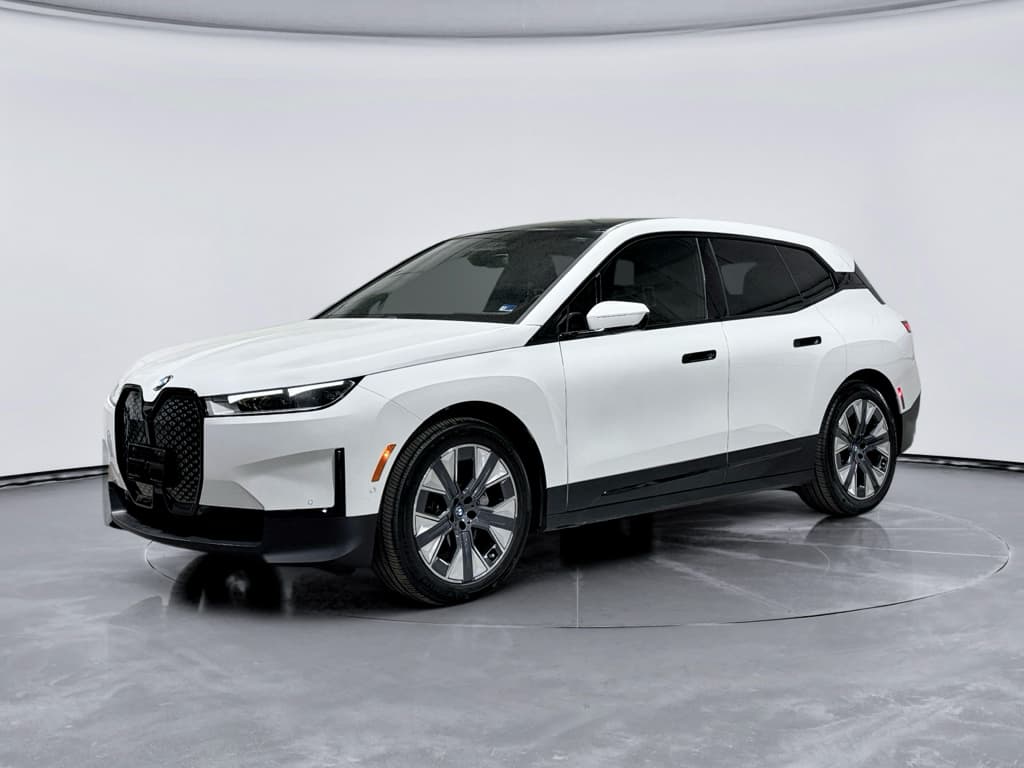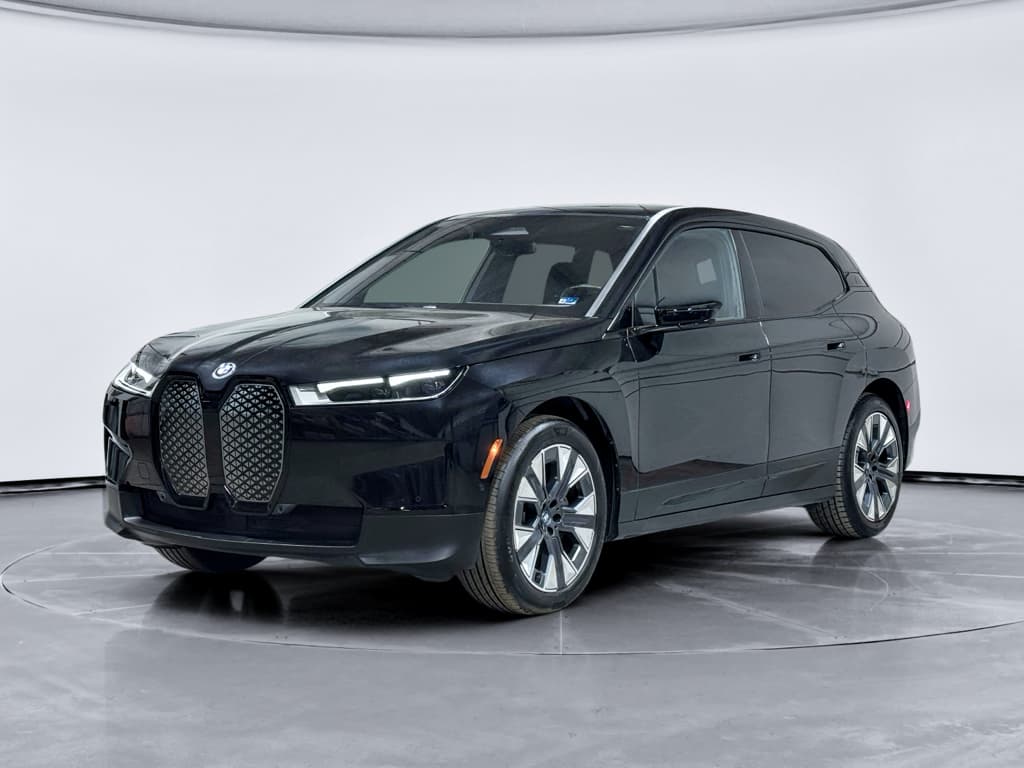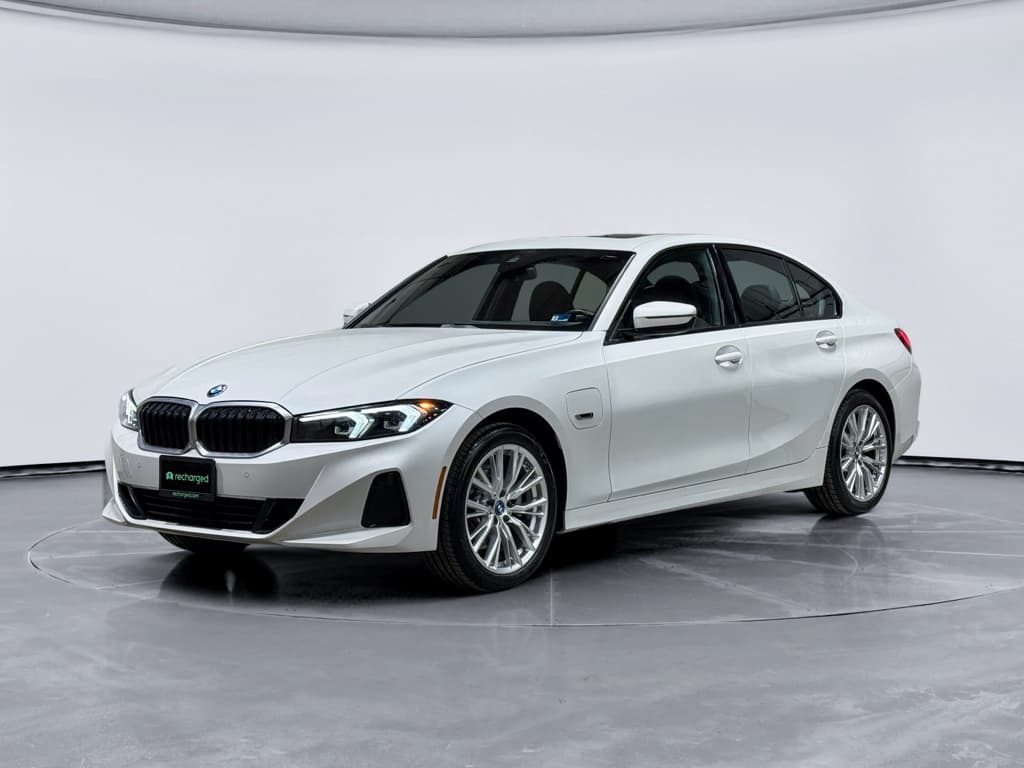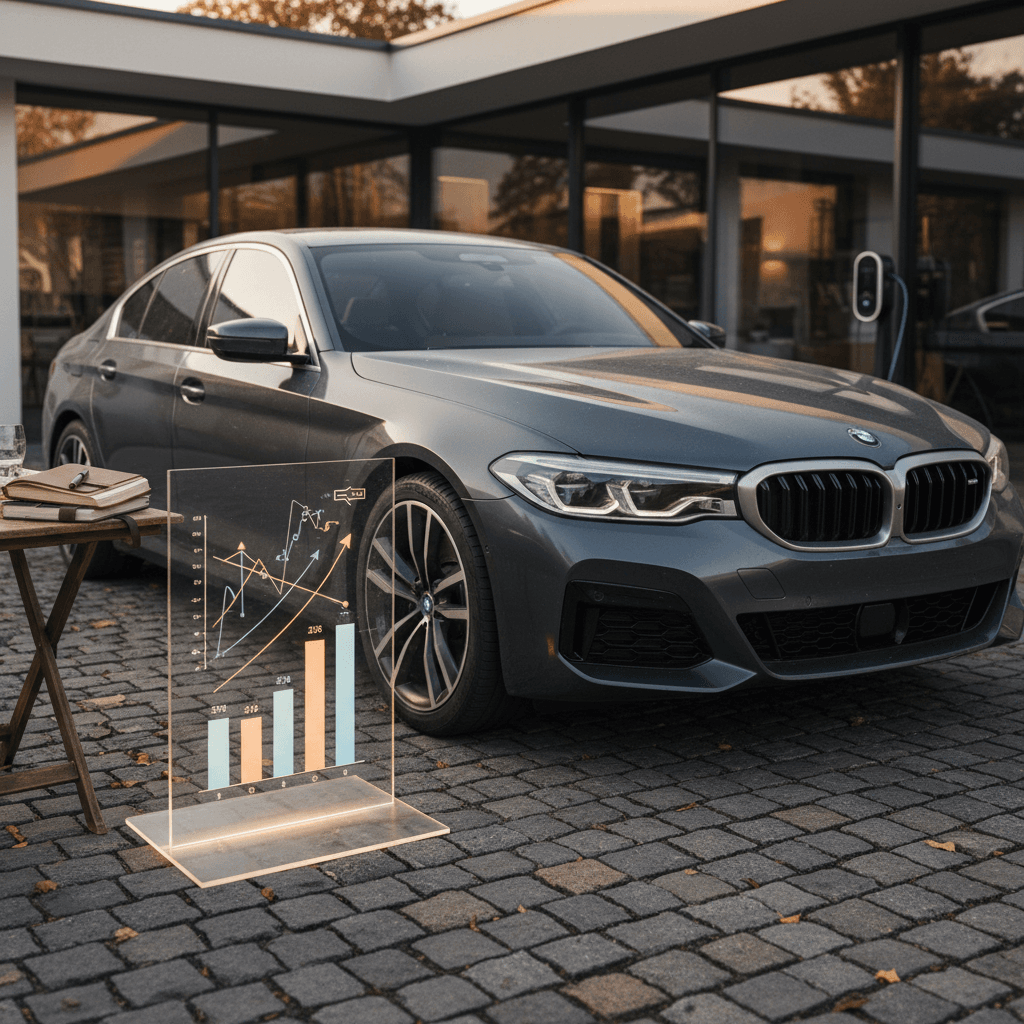
If you’re eyeing a BMW i5, you’re probably already sold on the looks and tech. The real question is more practical: what is a BMW i5 worth after 5 years, and how painful is the depreciation compared with other luxury EVs? That’s exactly what we’ll tackle here, using current market data and translating it into real‑world numbers you can plan around.
Key takeaway on 5‑year value
BMW i5 5‑Year Value: Quick Overview
BMW i5 5‑Year Value Snapshot (U.S., Early Market Data)
Because the i5 is still relatively new (first U.S. deliveries started in late 2023), all 5‑year numbers today are based on modeled depreciation curves, real‑world luxury EV behavior, and early resale/trade data from similar BMW EVs and competitors. That said, we already see enough data to draw a pretty solid picture of how value is likely to play out.
How Fast Does a BMW i5 Depreciate?
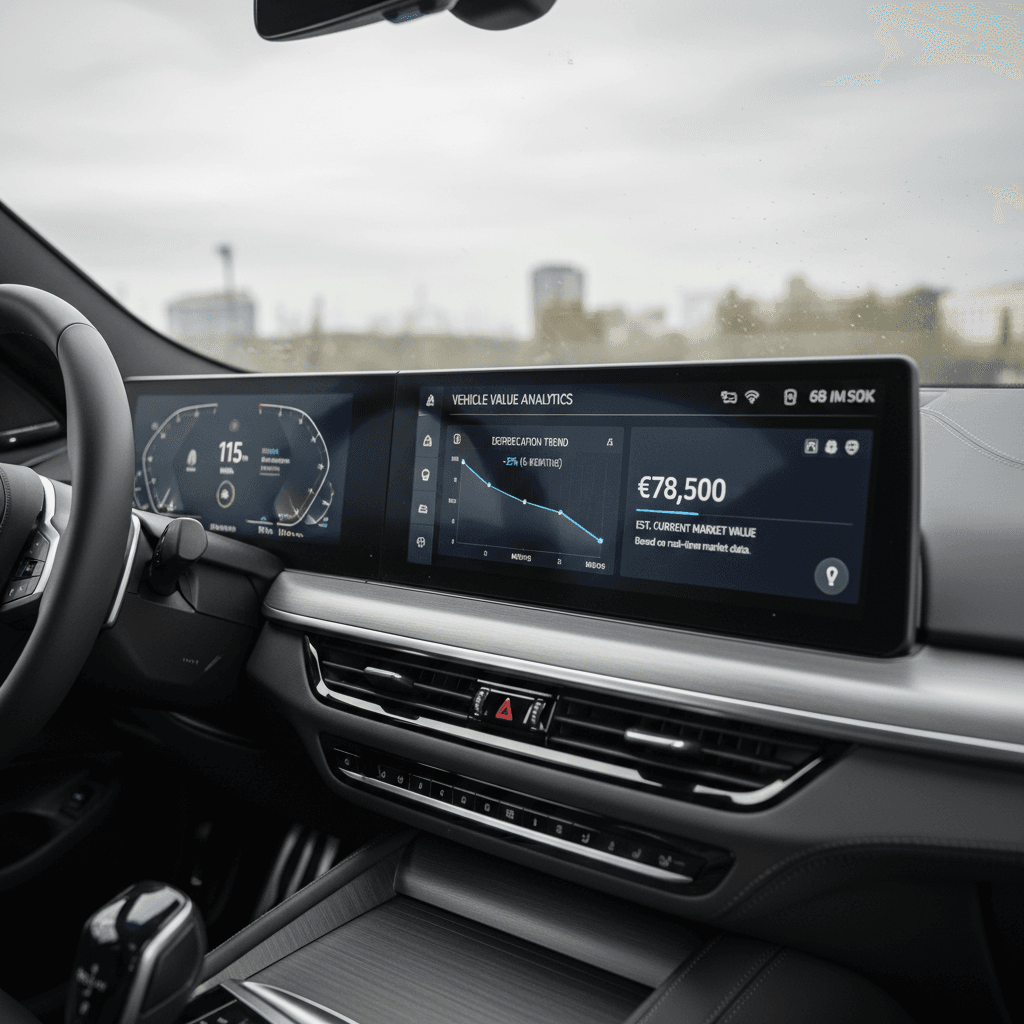
Let’s put some structure around the buzz. Different analysts are already tracking i5 values, and they don’t all agree, but they rhyme. Some tools estimate about a 54% loss over five years for a typical i5, while other model‑based studies put it closer to 48–50% in markets with strong EV incentives and demand. A separate luxury‑EV comparison published in late 2025 found certain i5 configurations dropping over 70% by year five when incentives, big discounts, and fast‑moving tech were factored in for those specific trims.
- Year 1–2: The steepest drop, especially if new‑car incentives or heavy discounts were available when the car was sold new.
- Year 3–4: Depreciation starts to slow, but luxury EVs still slide faster than mainstream gas sedans.
- Year 5: The curve begins flattening; buyers now see the i5 as a used value play instead of a new‑tech toy.
Why the numbers don’t match perfectly
BMW i5 Value After 5 Years: Realistic Price Ranges
To make this concrete, let’s work with the i5’s typical pricing. Recent model‑year cars often sticker between $68,000 and $80,000 depending on whether you’re looking at an eDrive40 or a loaded M60 with options. Here’s how 5‑year value likely shakes out for a U.S. buyer putting about 12,000–15,000 miles per year on the odometer.
Modeled BMW i5 5‑Year Value Scenarios
Illustrative, rounded estimates using today’s market behavior for luxury EVs and early i5 data.
| Scenario | Example Original MSRP | Approx. 5‑Year Depreciation | Estimated Value After 5 Years | Who This Scenario Fits |
|---|---|---|---|---|
| Conservative (i5 holds up well) | $70,000 | –48% | ≈ $36,000 | Healthy EV incentives, strong local demand, careful owner, clean history. |
| Realistic middle‑of‑the‑road | $72,000 | –55% | ≈ $32,000 | Average U.S. market, typical discounts, 60–75k miles after 5 years. |
| Aggressive (tech shock or weak demand) | $75,000 | –62% | ≈ $28,500 | Heavy original discounts, high mileage, dated tech vs. newer EVs, or soft local EV market. |
| Worst‑case luxury EV outcome | $80,000 | –70% | ≈ $24,000 | High‑MSRP launch trim, fast‑moving tech, thin used luxury EV demand, similar to what we’ve seen on some early flagship EVs. |
These ranges assume normal wear, clean history, and no major accidents. High mileage, damage, or market shocks will push values lower.
How to use these numbers
Why Luxury EVs Like the i5 Depreciate So Much
4 Big Forces Behind BMW i5 Depreciation
The i5 isn’t bad, it’s just playing in a brutal segment.
1. Fast‑moving EV tech
2. High original MSRPs
3. Incentives and discounts
4. Thin luxury EV buyer pool
Don’t ignore the tech curve
5 Factors That Help Your BMW i5 Hold Value
5 Levers You Control as an i5 Owner
1. Keep mileage reasonable
Luxury EV buyers are picky. Staying closer to <strong>10,000–12,000 miles per year</strong> instead of 15,000+ can easily mean several thousand dollars of extra value at trade‑in time.
2. Protect the battery
Avoid constant DC fast‑charging, don’t live at 0% or 100%, and keep the car in a temperate garage when you can. A <strong>healthy usable range</strong> on a 5‑year‑old EV is a massive selling point.
3. Maintain and document
Keep every service visit, software update, and tire rotation documented. A <strong>paper trail of proper care</strong> matters even more on EVs because buyers can’t see battery health at a glance.
4. Choose timeless specs
Conservative colors, popular wheels, and must‑have packages (driver assistance, premium audio, ventilated seats where available) usually hold value better than niche builds or odd color combos.
5. Avoid accidents and mods
Even quality repairs will show up on history reports. And aggressive suspension or wheel mods can scare off buyers who worry about ride quality and range. Keep it as close to <strong>factory‑clean</strong> as you can.
How Recharged helps here
Ready to find your next EV?
Browse VehiclesBMW i5 vs Other Luxury EVs on 5‑Year Value
To really understand BMW i5 value after 5 years, you have to stack it against its peers. Early cross‑brand studies show luxury EVs splitting into roughly two camps: those that hold around half their value in 5 years, and those that tumble closer to 65–75% losses. The i5 sits closer to the middle of that spread, not a resale hero, but not an outlier disaster either.
How the BMW i5 Compares on 5‑Year Depreciation (Early Data)
Approximate 5‑year depreciation bands based on current EV and luxury‑segment studies. These are directional, not guarantees.
| Model | Segment Role | Estimated 5‑Year Depreciation | Notes |
|---|---|---|---|
| BMW i5 | Executive luxury sedan | ~50–60% | Middle of the luxury EV pack; trims and original discounts matter a lot. |
| Tesla Model 3 Long Range/Performance | Compact premium sedan | ~55–62% | Once a resale star, now behaves more like a German premium sedan. |
| Mercedes‑Benz EQE Sedan | Rival luxury EV sedan | ~55–65% | Some trims already showing heavy early‑life drops in the U.S. used market. |
| Porsche Taycan | Sport‑luxury EV | ~45–55% | High demand for performance models helps them hold value slightly better. |
| Legacy flagship EVs (EQS, early big‑ticket EVs) | Flagship luxury | ~65–75% | Several early luxury EV flagships are now deeply discounted on the used market. |
Numbers are rounded and based on blended sources plus observed used‑market behavior through early 2026.
What this means if you’re cross‑shopping
How to Shop Smart for a Used BMW i5
High depreciation cuts both ways. It stings if you bought new, but if you’re shopping used, it turns a six‑figure‑feeling luxury EV into something that might fit a normal budget. The trick is focusing less on the shiniest screen and more on what the specific car in front of you is really worth.
1. Start with original MSRP
Every i5 is different. Options, wheels, and packages can swing MSRP wildly. Ask the seller for the original build sheet or window sticker, or look it up by VIN. That’s your anchor for measuring how hard depreciation has already hit.
On Recharged, we bake this into our Recharged Score Report, so you can see how the current asking price compares to original MSRP, mileage, and market norms at a glance.
2. Check battery health, not just range
Displayed range can be influenced by driving style and software estimates. What you want is an objective look at usable battery capacity and degradation. That’s a huge driver of value once a car is 4–6 years old.
Independent diagnostics or a marketplace that verifies this for you can easily be worth thousands in avoided surprises.
Pre‑Purchase Checklist for a Used BMW i5
Confirm trim, options, and software
Verify whether you’re looking at an eDrive40 or M60, and which driver‑assist, premium, and comfort packages are installed. Some features can be software‑locked, so make sure what you see on the screen is actually enabled.
Review charging history
Ask about DC fast‑charging habits and home charging setup. A car fast‑charged daily at max speed will often show more battery wear than one fed mostly by Level 2 home charging.
Look for warranty runway
BMW’s high‑voltage battery warranty typically runs 8 years/100,000 miles in the U.S. A 5‑year‑old i5 still under that umbrella is <strong>more attractive and more valuable</strong> than one that’s close to aging out.
Inspect tires, brakes, and suspension
Premium EVs are heavy and powerful. Uneven tire wear, tired dampers, or noisy brakes aren’t just maintenance items, they’re signals about how the car’s been driven and how much you’ll spend in the first year.
Pull a full history report
Accidents, structural damage, lemon buybacks, or flood history will crater value. A clean Carfax/AutoCheck plus consistent service records is what you want to see.
Compare price to market data
Use multiple value guides and marketplaces to see how the asking price stacks up. If a seller is pricing a 5‑year‑old i5 like it lost only 40% of MSRP, you should receive something truly exceptional in return.
Owning a BMW i5 for 5 Years: Total Cost Picture
Depreciation is the biggest single cost in owning a BMW i5, but it’s not the only one. When you zoom out to a full 5‑year total cost of ownership, the story gets more nuanced, and often more favorable for EVs than the depreciation headlines suggest.
Where the Money Goes Over 5 Years
High depreciation can be offset by lower running costs.
Depreciation
Energy vs. fuel
Maintenance & repairs
Used i5 sweet spot
Is a BMW i5 Worth It After 5 Years?
So, what does all of this mean if you’re thinking long‑term? A BMW i5 won’t be the champion of rock‑solid resale, but it also isn’t uniquely terrible in a segment where nearly every luxury EV takes a big hit. The real play is deciding whether you want to be the first owner absorbing most of that drop, or the second owner stepping in once the market has finished its initial correction.
If you’re buying new
- Plan on keeping the i5 at least 6–8 years to spread depreciation over more time.
- Spec the car thoughtfully with popular colors and options to protect future resale.
- Consider total cost of ownership, not just resale, energy and maintenance savings are real.
If you know you’ll want something new in 3 years, a lease may align better with the i5’s steep early depreciation curve.
If you’re buying used
- Target 3–5‑year‑old cars with clean histories and strong battery health.
- Lean on third‑party data and diagnostics to confirm you’re getting a fair price.
- Use high initial depreciation to your advantage, this is where the i5 becomes a value.
On Recharged, you can compare multiple used i5s side‑by‑side, see their Recharged Scores, and get expert help making sense of depreciation vs. condition.
In plain terms, a BMW i5 after 5 years is likely worth somewhere in the low‑to‑mid $30,000s if it started life as a $70,000‑ish car and has been treated well. That’s a painful number if you paid MSRP on day one, but a compelling one if you’re shopping used and want a genuinely premium EV sedan for the price of a new mainstream crossover. Understand the depreciation curve, choose the right car at the right point in its life, and the i5 can be a smart long‑term partner instead of a financial surprise.