Colorado has been one of the most generous EV states in the country, but the landscape looks very different in 2026. State tax credits are shrinking, some federal incentives end in 2025, and several utility rebates have run out of funding. If you’re trying to figure out **EV incentives in Colorado in 2026**, you need current, clear information, not last year’s blog post.
Key timing to know
Overview: Colorado EV incentives in 2026
In 2026, Colorado drivers are dealing with three major buckets of incentives: 1. **State income tax credits** for buying or leasing a new EV (the Innovative Motor Vehicle Credit). 2. **Point-of-sale rebates** for qualifying buyers through the Vehicle Exchange Colorado (VXC) program. 3. **Local and utility programs**, especially for home charging equipment and, in some cases, additional vehicle rebates. The catch: the most visible state tax credit for new EVs **drops to just $750** for tax year 2026, down from $5,000 in 2024 and $3,500 in 2025. At the same time, many Colorado buyers will be shopping without a federal EV credit, which is scheduled to end after September 30, 2025, under current law.
Colorado EV incentive highlights for 2026
Quick look: How much can you still save in 2026?
Approximate maximum EV incentives in Colorado, 2026
This table shows how savings can stack for typical Colorado buyers in 2026. Exact amounts depend on your income, vehicle, timing, and utility territory.
| Scenario | State EV tax credit 2026 | Vehicle Exchange Colorado | Federal EV credit | Utility / charger incentives | Potential total savings |
|---|---|---|---|---|---|
| New EV, moderate income, not VXC-eligible | $750 | $0 | $0 (credit ends after Sep 30, 2025) | $0–$500+ | ≈$750–$1,250 |
| New EV, income-qualified, VXC-eligible | $750 | Up to $9,000 on new BEV/PHEV | $0 in 2026 | $0–$500+ | ≈$9,750–$10,250 |
| Used EV, income-qualified, VXC-eligible | $0 (no state income credit on used) | Up to $6,000 on used EV | $0 in 2026 | $0–$500+ | ≈$6,000–$6,500 |
| Used EV, not VXC-eligible | $0 | $0 | $0 in 2026 | $0–$500+ | ≈$0–$500+ |
These examples assume current 2026 rules. Always confirm details with a tax professional and program administrators before you buy.
Plan around the 2025 federal sunset
Colorado Innovative Motor Vehicle Credit in 2026
Colorado’s **Innovative Motor Vehicle Credit** is the core state income tax credit for new electric vehicles. For tax year 2026, the state’s own guidance shows the credit amount at **$750** for qualifying purchases and leases of light‑duty passenger EVs and plug‑in hybrids, assuming the vehicle meets MSRP caps and other requirements.
- Applies to **new** battery electric vehicles (BEVs) and plug‑in hybrids (PHEVs) titled and registered in Colorado.
- Available to both **purchases and leases** (credit is generally claimed by whoever is considered the owner for tax purposes, often the lessor on a lease).
- Credit amount in 2026 for most light‑duty passenger EVs: **$750**.
- Vehicle must meet Colorado’s **MSRP limit** (historically $80,000 or less for most passenger EVs, verify current cap before purchase).
- You must file a **Colorado state income tax return** and attach the appropriate forms (such as DR 0618 for 2026, per Department of Revenue references).
Point-of-sale option through 2025, not 2026
Who actually gets the state credit on a lease?
On a lease, the legal owner is usually the **captive finance company** (for example, Ford Credit or Hyundai Capital), not you as the driver. That means the **lessor technically claims the Innovative Motor Vehicle Credit**, then decides how much of that value to pass through in the advertised lease payment.
When you’re shopping leases, ask the dealer directly how the **Colorado state credit is being applied** to your deal, and compare offers across brands.
Paperwork you’ll need for a purchase
- Final purchase agreement showing VIN, MSRP and sale price.
- Colorado registration document showing the vehicle is titled in the state.
- Completed state tax form for the Innovative Motor Vehicle Credit for 2026.
- Proof the vehicle meets the battery and plug‑in requirements (your window sticker or manufacturer specs usually suffice).
Keep digital copies; if the Department of Revenue asks questions, you’ll want everything handy.
Vehicle Exchange Colorado: Big rebates for income-qualified buyers
If you qualify based on income, **Vehicle Exchange Colorado (VXC)** is where the real money is in 2026. The program offers **point‑of‑sale rebates** when you retire an older, higher‑emitting vehicle and replace it with a new or used EV.
Vehicle Exchange Colorado: 2026 highlights
These are headline amounts based on late‑2025 program updates that extend into 2026; always confirm the latest numbers before you buy.
New EV rebates
VXC participants can receive up to $9,000 off a new battery electric or plug‑in hybrid vehicle, as long as the MSRP or purchase price stays under the program cap (commonly $80,000).
Used EV rebates
Income‑qualified buyers replacing an old combustion vehicle can receive up to $6,000 off a used EV, making it possible to get into an electric car at a dramatically lower up‑front cost.
Income-based eligibility
Eligibility is based on household income relative to area median income, with thresholds that vary by household size and county. Denver, for example, uses specific income caps for single buyers vs. families.
How to use Vehicle Exchange Colorado on a 2026 purchase
1. Check your income eligibility first
Visit the official Vehicle Exchange Colorado page and compare your household income and size to the program’s current eligibility table. If you’re close to the cutoff, talk to the program administrator before you start shopping.
2. Confirm your current vehicle qualifies for retirement
VXC generally requires you to scrap an older gasoline vehicle that meets minimum age and registration requirements. Make sure your current car is eligible before you assume you’ll receive the rebate.
3. Get pre-approved and reserve funding
Because programs like VXC can run into funding caps, secure your **pre‑approval and reservation** before you sign a purchase contract on an EV.
4. Choose a participating dealer
Not every store is familiar with VXC. Look for dealers listed by the state or energy office, or ask explicitly whether they handle VXC paperwork so your rebate can be applied **at the point of sale**.
5. Stack with state tax credits where possible
If you’re buying a **new** EV and meet all requirements, you may be able to stack a VXC rebate on top of the **$750 Innovative Motor Vehicle Credit** in 2026, even though the federal credit is gone.
6. Keep all approval letters and receipts
Store digital copies of your VXC approval, scrappage documentation, and final bill of sale. You may need them for audits or if questions arise about your rebate later.
Funding can run out
Federal EV tax credits vs. Colorado: What’s still available?
Colorado buyers have spent the last few years stacking state incentives on top of the federal **Clean Vehicle Credit**. That playbook changes around the **September 30, 2025** sunset date written into current federal law, often referred to as the end of the EV "lease loophole" and most remaining EV tax credits.
What this means for a 2026 buyer
- Assume **no federal EV credit** is available on purchases or leases delivered in 2026 under current rules.
- Plan your budget around **state and local incentives only**, plus any manufacturer discounts or dealer markdowns.
- If federal rules change again, treat that as upside, but don’t rely on it.
If you’re shopping in late 2025
If you can move your purchase up to **before September 30, 2025**, you may be able to capture:
- Up to $7,500 federal new EV credit.
- Colorado’s larger **$3,500** state credit for 2025.
- Vehicle Exchange Colorado rebates, if eligible.
That combination can make 2025 the financially strongest year to buy, while 2026 still offers solid help for qualifying buyers, just not at the same scale.
Local, utility and charger incentives in Colorado
Beyond vehicle‑level incentives, many Colorado drivers can reduce costs on **home charging** and ongoing electricity use. The details change frequently, but there are a few patterns you can expect to see in 2026.
Common EV‑related utility incentives in Colorado
Exact programs vary by provider (Xcel Energy, Black Hills Energy, Holy Cross Energy, local co‑ops and others).
Home charger rebates
Many utilities offer a **rebate or bill credit** when you buy and install a Level 2 charger at home, often in the $250–$500 range. Some programs require using an approved smart charger and letting the utility manage charging times.
Time-of-use rates
Utilities increasingly offer **off‑peak EV rates**, rewarding you for charging overnight. You save money and help the grid, especially if you schedule charges through your vehicle app or a smart charger.
Managed charging programs
In return for allowing the utility to slightly delay or pause charging during peak demand, you might receive **monthly bill credits** or higher upfront rebates on qualifying chargers.
Watch for fine print on utility rebates

Used EV incentives in Colorado for 2026
If you’re focused on a **used EV**, 2026 is all about **state and local rebates**, not income tax credits. Colorado’s Innovative Motor Vehicle Credit doesn’t apply to used purchases, and the federal used EV credit is scheduled to end after September 30, 2025, under current law.
- The main statewide benefit for used EV shoppers in 2026 is the **Vehicle Exchange Colorado used EV rebate**, up to about **$6,000** for income‑qualified buyers replacing an older combustion car.
- Some **local air‑quality or city programs** occasionally add their own small rebates for used EVs, especially in the Denver metro area, but these change often and funding may be limited.
- Utility incentives generally focus on **chargers and electricity rates**, not the car itself, so a used EV buyer can still take advantage of **home charger rebates and off‑peak rate plans**.
Why used EVs shine in 2026
How to stack incentives on a 2026 Colorado EV purchase
Even with smaller credits in 2026, the right combination of programs can still knock **thousands of dollars** off the cost of owning an EV in Colorado. The key is to think in layers: state tax credits, state rebates, utility programs, and dealer or manufacturer discounts.
Sample stacking strategies for Colorado EV buyers in 2026
Income-qualified buyer replacing an old gas car
Apply for **Vehicle Exchange Colorado** as soon as you decide to shop, confirm your income and vehicle eligibility.
Shop for **VXC‑participating dealers** and focus on EVs that qualify for the highest rebate tiers.
Confirm you’ll receive the **VXC rebate at the point of sale** and how it appears on your buyer’s order.
If buying a new EV, plan to claim the **$750 Innovative Motor Vehicle Credit** on your 2026 Colorado tax return.
Enroll in your utility’s **EV time‑of‑use rate** and, if available, a managed charging program for extra bill credits.
Middle-income buyer not eligible for VXC
Decide whether you can accelerate your purchase into **2025** to capture the higher state credit and any remaining federal benefits.
If you’re buying in 2026, budget conservatively, assume only **$750** in state income tax credit, then shop aggressively for dealer discounts or manufacturer cash.
Look for **used EVs with strong battery health** and competitive pricing; the lack of federal credits may already be baked into lower market prices.
Stack **home charger rebates** and off‑peak rates to cut your annual operating costs, even if your up‑front incentives are modest.
Apartment or condo resident
Prioritize EVs with strong **public fast‑charging support** from networks active in Colorado.
Ask your landlord or HOA if they’re aware of **multi‑family charging incentives** from utilities like Xcel Energy or local co‑ops.
Consider a **used EV** plus VXC (if eligible) to keep payments low while you sort out long‑term charging.
Use **time‑of‑use public charging rates** where offered to keep electricity bills predictable.
Let incentives influence the car you pick, not just the timing
Eligibility rules and fine print that trip people up
Every credit and rebate has its own definition of who qualifies and what counts as an eligible vehicle. Overlooking one line item can cost you a four‑figure benefit, so it pays to slow down and read the rules.
Common mistakes Colorado EV shoppers make with incentives
Avoid these to protect your 2026 savings.
Assuming all EVs qualify the same way
- Some models exceed **MSRP caps** and lose eligibility for state or VXC programs.
- Plug‑in hybrids often have **different rules** than full battery electric vehicles.
- Used EVs generally do not qualify for state income tax credits, only for certain rebates.
Mismatched timing or paperwork
- Buying before you’ve locked in a **VXC reservation** or utility rebate.
- Taking delivery after a program’s **sunset date**, losing federal or state benefits.
- Failing to attach the correct **Colorado tax forms and supporting documents** when you file.
Don’t count incentives twice
How Recharged helps Colorado buyers capture incentives
The incentives picture is moving quickly, especially for used EV shoppers who want confidence around battery health and fair pricing. That’s where Recharged focuses its value.
Transparent used EVs with battery health verified
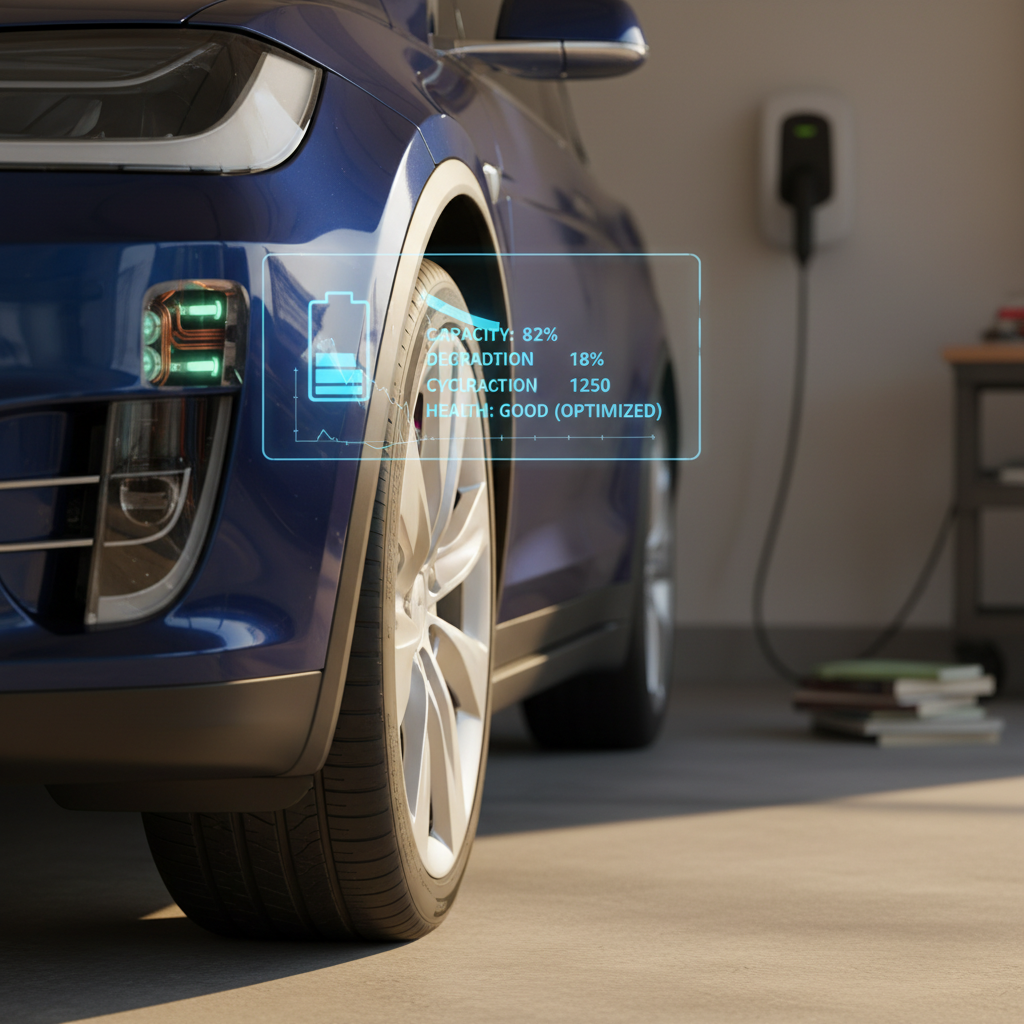
Every vehicle on Recharged comes with a Recharged Score Report that includes verified battery health, transparent pricing, and a clear history. That matters in Colorado, where you might pair a used EV with a Vehicle Exchange Colorado rebate but still want confidence that the pack will hold up through mountain winters.
You can shop and complete your purchase fully online, or visit our Experience Center in Richmond, VA, and arrange nationwide delivery to Colorado.
Help navigating incentives and financing
Recharged’s EV specialists can help you understand how 2026 incentives interact with your budget, whether that means selecting a model likely to qualify for VXC, preparing questions for your tax professional, or structuring a deal where savings offset monthly payments.
With built‑in financing options, trade‑in support, instant offers, and consignment, you can move out of your old gas car and into an EV while taking best advantage of the incentives that still exist in Colorado.
FAQ: EV incentives in Colorado 2026
Frequently asked questions about EV incentives in Colorado for 2026
Colorado’s EV incentive story in 2026 is more nuanced than the headlines from a couple of years ago. The big, simple tax credits are smaller, and federal help may be off the table. But for the right buyer, especially those who qualify for Vehicle Exchange Colorado or who are open to a high‑quality used EV, the numbers can still make a powerful case for going electric. Take time to understand each layer of incentives, verify program status before you sign, and work with partners who understand EVs and Colorado’s fast‑evolving rules. That way, the EV you choose in 2026 will fit not just your values, but your budget too.