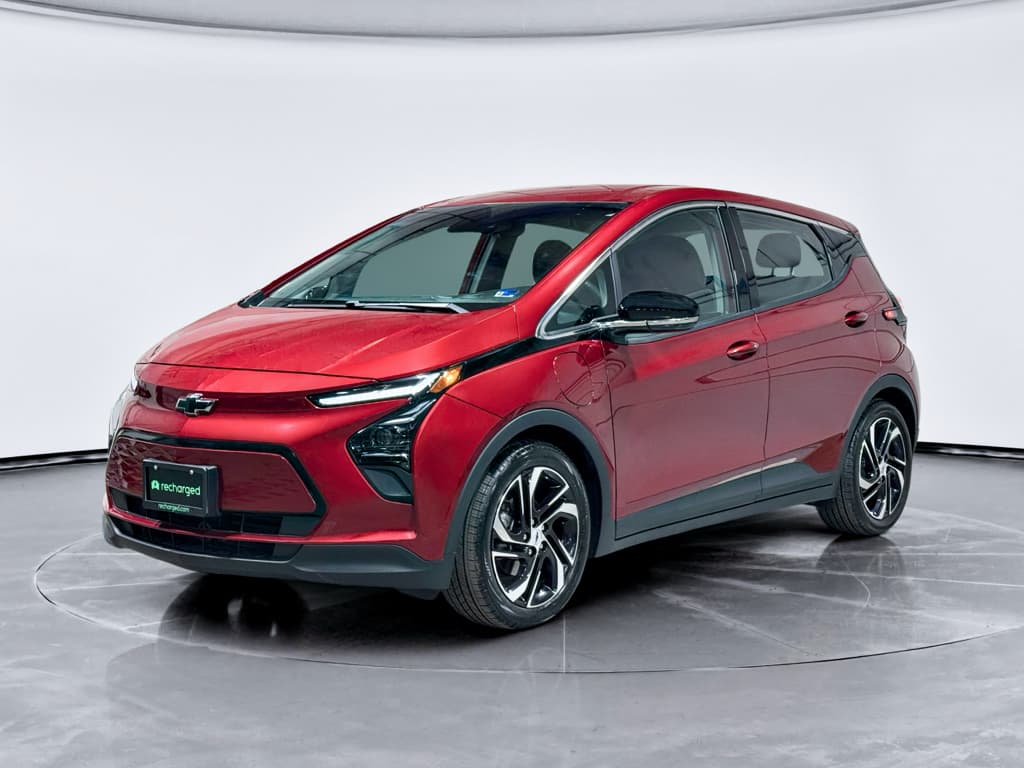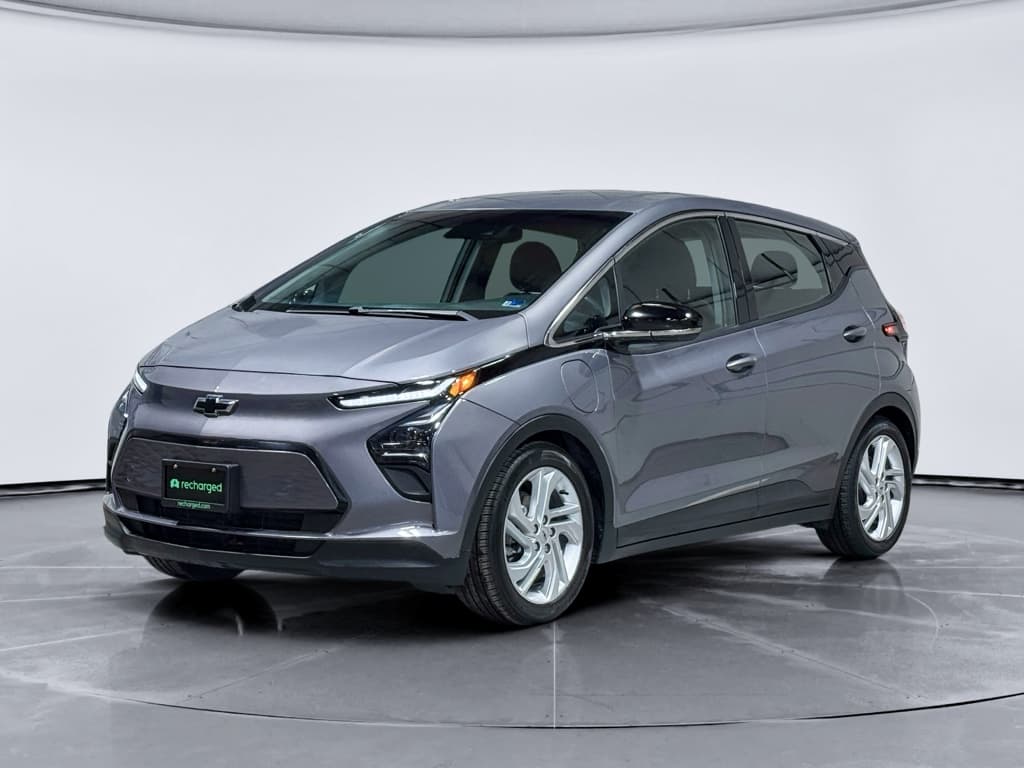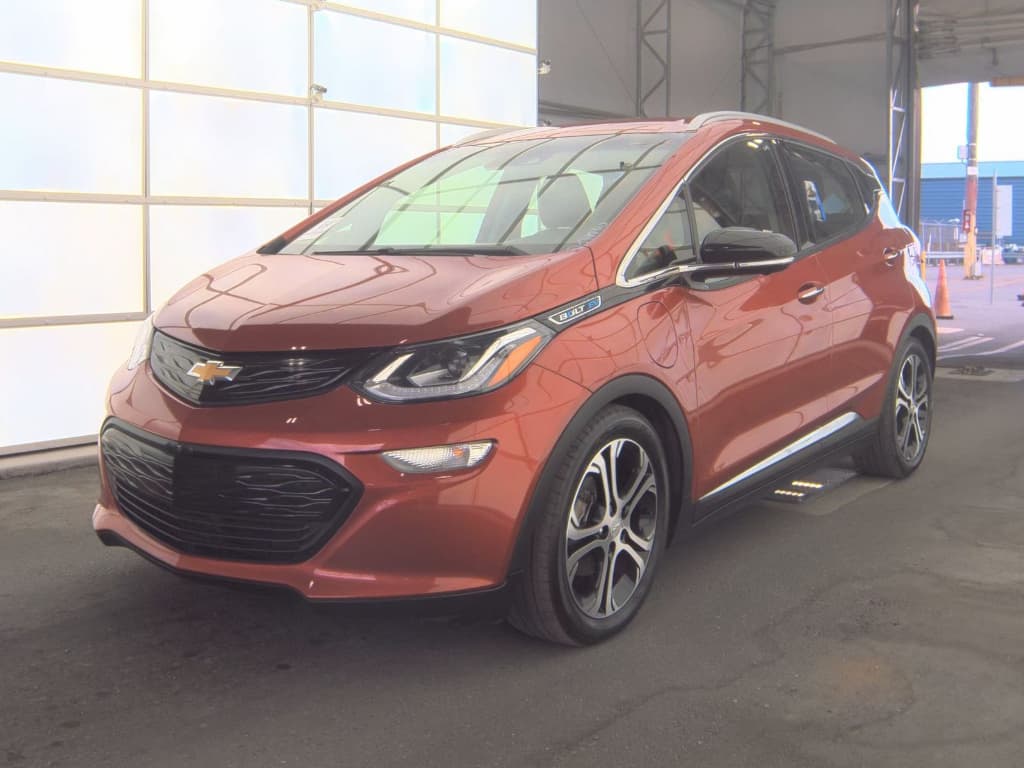
If you’re watching the Chevrolet Bolt EV price forecast for 2026, you’re not alone. GM ended first‑generation Bolt production in December 2023, and a next‑gen Ultium‑based Bolt is expected later this decade, so used prices are doing something many shoppers aren’t used to: dropping fast, but not evenly. In 2026, what you pay, or get paid, for a Bolt will depend heavily on model year, battery health and how the broader EV market digests a flood of off‑lease cars.
Big picture on Bolt values
Why Chevrolet Bolt EV prices in 2026 matter
The Bolt EV has been one of the few truly affordable long‑range EVs sold in the U.S., with a real‑world range around 238–259 miles depending on year. GM officially ended first‑gen production on December 20, 2023, as it shifted its Orion Assembly plant to Ultium‑based trucks, and then confirmed plans for a future Ultium Bolt replacement. That combination, strong everyday usability, no new supply, and a replacement still over the horizon, makes the Bolt a bellwether for how the used EV market will behave in the mid‑2020s.
At the same time, the broader EV market is in flux. Federal EV tax credits that once covered up to $7,500 on new EVs and $4,000 on used vehicles expired in late 2025, and automakers are trimming or delaying some EV programs as demand cools at higher price points. That means more budget‑minded shoppers are looking at used EVs like the Bolt, even as more off‑lease cars hit the market and push values down.
Chevy Bolt EV value snapshot going into 2026
Quick 2026 Chevrolet Bolt EV price forecast
At‑a‑glance 2026 Bolt EV price forecast
High‑level expectations if the EV market stays on its current path
Typical transaction prices
Expect most mainstream Bolt EVs in 2026 to fall between $10,000 and $18,000.
- Early 2017–2018 cars with higher miles: often $9,000–$12,000.
- 2019–2021 cars: roughly $12,000–$16,000 for average mileage.
- Late‑run 2022–2023 Bolt EVs and EUVs: commonly $15,000–$20,000, depending on miles and options.
Depreciation pace in 2026
For 2026 specifically, we expect 5–8% additional depreciation for most Bolts versus late‑2025 values, assuming no major economic shock or new incentive program.
Price swings will be larger for high‑mileage or accident‑history cars, and smaller for low‑mileage, one‑owner examples with clean battery‑health reports.
Forecast, not a guarantee
How we built this 2026 Bolt EV price forecast
Used EV pricing still behaves differently than used gas‑car pricing, so any credible Chevy Bolt EV price forecast for 2026 has to mix traditional used‑car math with EV‑specific variables. For this guide, we drew on three main inputs:
- Historical Bolt EV depreciation curves and auction data, including independent analyses that show early Bolts retaining roughly 30% of MSRP after eight years and newer models retaining around 70% after two years.
- Recharged’s internal pricing research across our marketplace, plus data from our article on EV depreciation forecasts through 2026, which groups the Bolt with other first‑generation, shorter‑range EVs that depreciate faster than newer long‑range models.
- Macro trends: the end of federal EV tax credits in late 2025, a growing pipeline of off‑lease EVs returning to market, and OEM production decisions that cap supply of affordable new EVs.
Why your local market matters
Chevy Bolt EV depreciation: the basics
Like most EVs, the Bolt’s depreciation is front‑loaded. Early buyers saw steep first‑ and second‑year drops as GM cut MSRPs, battery recalls hit the headlines, and newer Ultium‑based models arrived. That pain for original owners is good news for 2026 shoppers: many Bolts have already taken their biggest hit, which flattens the curve going forward.
1. Steep early drop
Independent tracking of Bolt EV values shows heavy depreciation in the first 3–4 years, especially for 2017–2020 cars that launched before aggressive price cuts.
Between MSRP cuts and recall headlines, it wasn’t unusual to see 40–50% value loss by year four, even when the car itself remained a reliable commuter.
2. Slower slide after year five
By the time a Bolt is five model years old, most of the easy depreciation has already happened. From that point, the car behaves more like a high‑efficiency compact hatchback, posting single‑digit annual drops, especially if battery health checks out.
This is why 3–7‑year‑old Bolts are increasingly attractive as used buys in 2026.
Why Bolts age better than some rivals
Projected 2026 Bolt EV prices by model year
Let’s translate all this into something you can actually use: realistic retail asking‑price ranges for Chevrolet Bolt EVs you’re likely to see on the U.S. used market during 2026. These assume typical mileage for age, clean titles and good battery‑health reports; individual cars will fall above or below based on condition, options and local demand.
Chevrolet Bolt EV retail price forecast for 2026 (U.S.)
Approximate asking‑price ranges for private‑party and retail listings in average condition. All prices in U.S. dollars.
| Model year | Typical 2026 mileage | Expected 2026 retail range | Notes |
|---|---|---|---|
| 2017–2018 | 80,000–120,000+ miles | $9,000–$12,000 | Earliest cars, often out of basic warranty; battery recall work and pack health are critical. |
| 2019 | 70,000–100,000 miles | $11,000–$14,000 | Mid‑cycle updates; still older tech but more features and recall work usually complete. |
| 2020 | 60,000–90,000 miles | $12,000–$15,000 | Sweet spot for value if battery tests strong and maintenance is documented. |
| 2021 (pre‑refresh) | 45,000–75,000 miles | $13,000–$16,000 | Younger cars with more remaining life; expect smaller discounts for low‑mile examples. |
| 2022 (refresh) | 30,000–60,000 miles | $15,000–$19,000 | Updated interior and lower original MSRPs; often command a premium over earlier years. |
| 2023 Bolt EV/EUV | 20,000–45,000 miles | $16,000–$20,000+ | Last‑year models with the newest hardware; EUVs with more features and Super Cruise sit at the top of the range. |
Use these numbers as a starting point when evaluating a specific Bolt; battery health, mileage and accident history remain decisive.
Be wary of outliers, high or low

Factors that could push Bolt EV prices up or down
Key forces shaping 2026 Bolt EV prices
Some you can’t control, some you can use to your advantage
Gas prices & commute patterns
Higher gasoline prices and longer commutes tend to support used EV prices, especially for efficient models like the Bolt.
If gas spikes again in 2026, expect demand, and prices, for clean, commuter‑ready Bolts to firm up.
Local charging build‑out
Regions that add reliable Level 2 and DC fast charging make EV ownership easier, which raises Bolt demand. Rural areas without good charging often see softer prices.
Always sanity‑check your local charger map before assuming national averages apply.
Competition from newer budget EVs
If more sub‑$30,000 new EVs finally arrive, or Chinese brands enter the U.S. market, used Bolts could face extra downward pressure.
So far, few new cars match the Bolt’s combination of range and price, but that won’t last forever.
Credit & financing conditions
Higher interest rates make buyers more payment‑sensitive, nudging some shoppers toward older, cheaper Bolts. Easier credit can support stronger prices on newer 2022–2023 models.
Policy and incentive changes
With federal EV credits gone, any new federal or state‑level incentive in 2026 could reshuffle the deck. A big rebate for new compact EVs, for example, would make used prices adjust in response.
Battery recall perception
GM’s battery recall work on older Bolts means many cars now carry new or remanufactured packs. For informed buyers, that’s a value upside; for the uninformed, recall headlines may still generate fear and discounts.
How ending federal EV tax credits changes the math
For years, federal incentives effectively set a ceiling on what a used EV could sell for. If a shopper could get $7,500 off a new EV or up to $4,000 off a used one, sellers had to price accordingly. With those credits ending in September 2025, the market is now normalizing around sticker price and total cost of ownership rather than tax strategy.
What this means if you’re buying
- You no longer need to worry about income limits or tax liability to “unlock” value. The price you see is the price you pay.
- Because every used EV lost the same incentive, relative pricing between models (Bolt vs. Leaf vs. Kona Electric, etc.) matters more than ever.
- Sellers who were leaning on the tax credit to make a high price palatable are being forced to adjust to reality.
What this means if you’re selling
- You’re competing on total ownership story: low energy costs, minimal maintenance, and strong battery health.
- You can’t assume “someone will get a credit” to justify an aspirational ask. Pricing ahead of the market will leave your listing sitting.
- Well‑documented cars with recent battery health reports and recall completion will still command a premium over bare‑bones listings.
Lean on real cost‑of‑ownership math
Battery health, recalls and the Recharged Score
On any used EV, battery health is the difference between a good deal and an expensive mistake. That’s doubly true for the Bolt because of its well‑publicized battery recall and the fact that many cars now carry replacement packs with different ages and mileage than the chassis.
Battery checks to do before you price a Bolt EV
1. Confirm recall completion
Ask for documentation showing that GM’s battery recall work has been performed, or verify status through a Chevrolet dealer. A post‑recall car can be more attractive than one that never needed work, because the pack may be newer than the car itself.
2. Review a recent battery‑health report
Look for an independent battery‑health assessment, not just someone’s guess based on the dash range estimate. Every vehicle sold on Recharged includes a <strong>Recharged Score Report</strong> with verified battery state‑of‑health so you can compare cars apples‑to‑apples.
3. Compare indicated range to spec
On a full charge, a healthy Bolt EV should still show a range reasonably close to its original EPA rating, adjusted for driving style and conditions. Big gaps can signal degradation, or simply very aggressive recent driving.
4. Look at fast‑charging history
Frequent DC fast charging isn’t necessarily a deal‑breaker, but a lifetime diet of high‑power charging can accelerate wear. Use available service records or telemetry reports when possible.
5. Check for software updates
GM has issued multiple software updates over the Bolt’s life. Confirm the car is on current software; this can affect charging behavior, safety systems and how accurately the car estimates range.
How Recharged de‑risks a used Bolt purchase
Ready to find your next EV?
Browse VehiclesShould you buy or sell a Chevy Bolt EV in 2026?
If you’re thinking about buying
For many shoppers, 2026 is a compelling window to buy a Bolt EV:
- First‑gen depreciation has largely played out, so you’re less exposed to sudden value drops.
- There’s growing supply as 2020–2023 cars come off lease or exit their first ownership cycle.
- The Bolt’s range, comfort and running costs still beat many similarly‑priced used gas cars.
If you find a car with strong battery health and clean history in the forecasted ranges above, you’re likely capturing good value.
If you’re thinking about selling
On the sell side, 2026 is a balancing act:
- Hold much longer, and you’ll drift further into high‑mileage territory where buyers expect steeper discounts.
- Sell too early, and you may leave usable value on the table if your miles are low and you like the car.
- The arrival of a new Ultium‑based Bolt later in the decade could pull down first‑gen prices once it’s widely available.
If you’re under 60,000 miles in a 2020–2023 car and considering a move into a newer EV, 2026 is a reasonable time to trade or sell while your Bolt is still near the top of its value curve.
Options if you’re selling a Bolt EV
How to shop smart for a Bolt EV in 2026
Price forecasts are useful, but the best deals go to buyers who show up prepared. Here’s a quick playbook for navigating the 2026 Bolt market, whether you’re cross‑shopping other EVs or looking specifically for a high‑value commuter car.
2026 Bolt EV shopping checklist
1. Set your target year and budget
Use the forecast table above to decide where you want to land. For many buyers, 2019–2021 cars strike the best balance of price and remaining life; 2022–2023 models suit those with more budget who want the refreshed interior.
2. Prioritize battery health over trim toys
Leather seats and a panoramic roof are nice, but <strong>a strong battery is money</strong>. If you have to choose, take the car with better state‑of‑health and simpler options over a feature‑loaded car with a tired pack.
3. Compare total monthly cost, not just price
Factor in financing, insurance, charging costs, and expected maintenance. A slightly higher purchase price on a newer, more efficient Bolt can still win once you look at 3‑ to 5‑year ownership cost.
4. Ask for documentation up front
Request the VIN, service records, recall documentation and any battery‑health reports early. Sellers who hesitate or give partial answers often leave you chasing issues later.
5. Use multiple price anchors
Cross‑check asking prices against guides, recent auction data and marketplaces like Recharged. If a car is thousands above our forecast bands with no clear reason, negotiate or walk.
6. Consider nationwide search with delivery
Bolt supply and pricing differ by region. A national marketplace with <strong>door‑to‑door delivery</strong>, like Recharged, can widen your options and save you money even after shipping.
Chevrolet Bolt EV price forecast 2026: FAQ
The Chevrolet Bolt EV sits at the intersection of two powerful forces in 2026: a maturing EV market that’s finally seeing realistic used prices, and a supply of discontinued but still‑useful long‑range hatchbacks with plenty of life left. Our Chevy Bolt EV price forecast for 2026 points to continued softening, especially as more off‑lease cars arrive, but also to a clear value story for informed buyers and sellers.
If you’re shopping, focus less on squeezing the last few hundred dollars from the purchase price and more on battery health, charging behavior and total cost of ownership. If you’re selling, lean on documentation and data to justify your ask. Either way, working with an EV‑focused marketplace like Recharged, where every car includes a verified battery‑health report, fair‑market pricing and nationwide delivery, can turn a complicated market into an opportunity instead of a gamble.