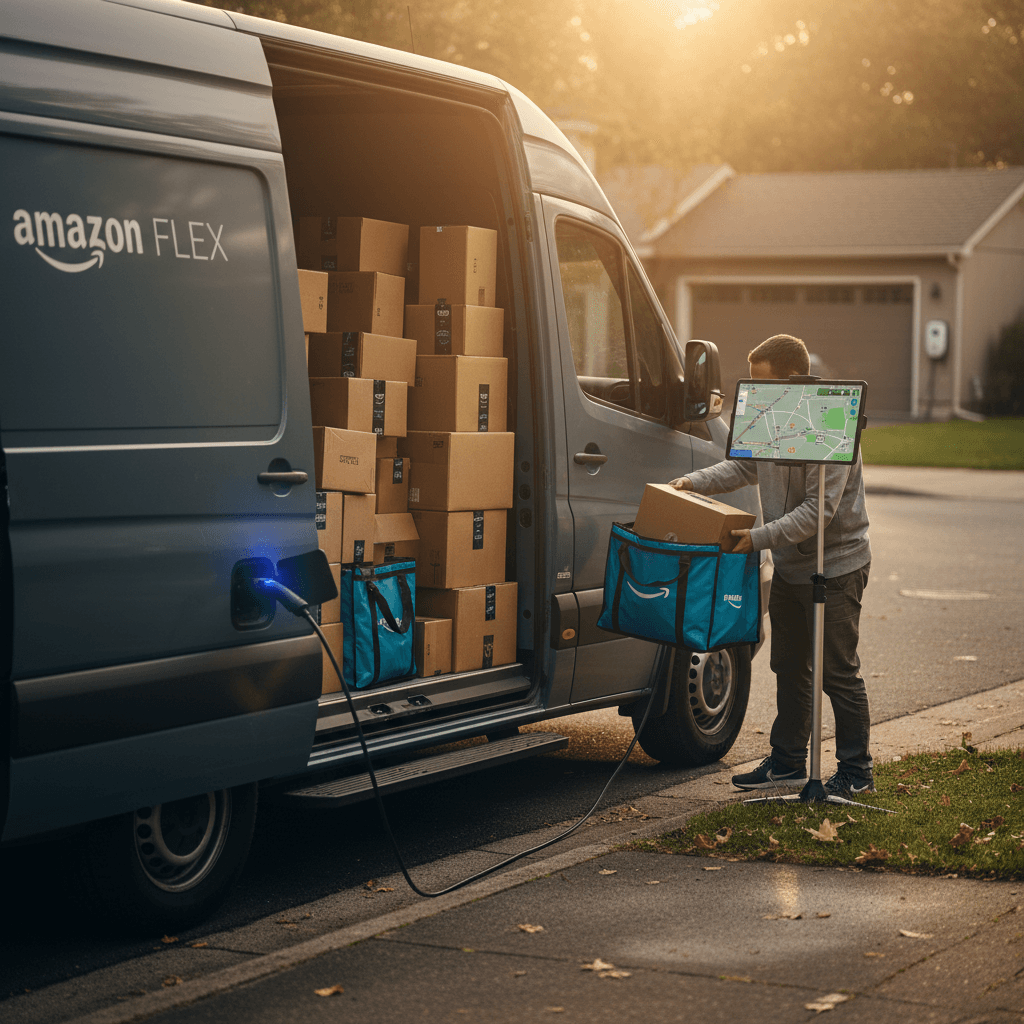
Using an EV for Amazon Flex delivery can look like an easy win: cheap “fuel,” smooth driving, and access to HOV lanes in some states. But when you’re the one buying the car, putting 20,000–30,000 miles a year on it, and depending on it for income, the math and practical details matter a lot more than a marketing slogan.
Quick take
Is an EV Good for Amazon Flex Delivery?
Amazon Flex treats you as an independent contractor: you provide the car, gas or electricity, and insurance, and Amazon pays a flat rate per block. Most drivers earn roughly $18–$25 an hour before expenses, depending on region and how efficiently they run routes. That means every extra dollar you spend on fuel, maintenance, or repairs comes straight out of your pocket.
Why EVs are attractive for delivery work
For a Flex driver, those numbers translate to lower operating costs per mile, especially if you can charge at home or at discounted public stations. But EVs also bring trade‑offs: longer "refuel" times, planning around range, and the risk that a poorly chosen model or a weak battery will derail your day.
Don’t switch just for the badge
Amazon Flex Vehicle Requirements: What Your EV Must Do
Before you compare EVs, make sure they clear the basic Amazon Flex vehicle requirements. Amazon requires a 4‑door mid‑size sedan or larger (SUV, crossover, minivan, or pickup with a covered bed) that’s in safe, roadworthy condition. Smaller cars and open‑bed pickups generally don’t qualify for most blocks.
- Four doors for easy loading/unloading and passenger safety.
- Enough cargo room to handle a typical 3–4 hour block of small and medium packages.
- Valid personal auto insurance that meets your state’s minimums (and ideally more).
- Ability to work in all weather, snow, heavy rain, heat, without leaving packages exposed.
- No motorcycles, scooters, or 2‑door coupes for Flex standard package routes.
Think like a station associate
EV vs Gas Car Costs for Amazon Flex Work
The key financial question is whether an EV’s higher purchase price pays off in lower running costs once you factor in your Amazon Flex mileage. Flex drivers commonly add 15,000–30,000 miles a year, which is exactly the kind of high‑use pattern where EVs shine.
Illustrative cost comparison: EV vs gas for a Flex driver
Example assumes 20,000 work miles per year in mixed city/suburban driving, home charging for the EV, and a modest used‑vehicle price point.
| Category | Used Compact SUV EV | Used Compact Gas SUV |
|---|---|---|
| Purchase price (used) | $24,000 | $18,000 |
| Fuel/energy per year | $900 (home charging) | $2,400 (at 30 MPG, $3.60/gal) |
| Maintenance per year | $500 | $1,200 |
| Total 5‑year running cost | ≈$7,000 | ≈$18,000 |
| Total 5‑year cost (incl. purchase) | ≈$31,000 | ≈$36,000 |
Actual numbers will vary by electricity and gas prices, your route density, and driving style.
In this simplified example, the EV costs more up front but saves you around $11,000 in fuel and maintenance over five years of Amazon Flex work. That’s before potential tax credits or state rebates, which can further close the initial price gap on new or newer used EVs.
New vs used for Flex drivers
Range & Charging Strategy for Flex Drivers
For Amazon Flex, the practical question isn’t just "What’s the EPA range?" It’s "Can this car handle my blocks, my commute, and my errands without constant charging stress?" Most Flex blocks are 2–4 hours and 30–70 miles of actual driving, but you have to add in getting to the station, dead‑heading between delivery areas, and your trip home.
How much range do you really need for Flex?
Match your battery to your route and charging reality.
Short, local blocks
Typical day: 40–70 miles total.
- Comfortable with 150–180 miles of real‑world range.
- Can charge overnight at home on Level 2.
- Occasional fast‑charge on busy days is fine.
Suburban sprawl
Typical day: 80–130 miles total.
- Target 220+ miles of real‑world range.
- Home Level 2 charging is highly recommended.
- Plan backup DC fast‑charge options near station.
Heavy multi‑block days
Typical day: 150+ miles if you stack blocks.
- Look for 250+ miles of usable range.
- Reliable DC fast charging on your route is critical.
- Or split days: charge between morning and evening blocks.
Time is literally money

Best Types of EVs for Amazon Flex Delivery
There’s no single "best EV for Amazon Flex delivery," but certain body styles and battery sizes consistently work better for gig drivers. You’re balancing five things: cargo space, range, efficiency, purchase price, and reliability.
Compact crossovers & hatchbacks
For most Flex drivers, a compact SUV or hatchback EV is the sweet spot.
- Pros: Good cargo space with seats folded, easy to park, usually 220–280 miles of range, often qualify for HOV or local incentives.
- Cons: Higher purchase price than small sedans, tire wear can be higher with heavy loads.
Sedans & small EVs
Four‑door sedans and subcompact hatchbacks can work, but only if range and cargo room are truly sufficient.
- Pros: Lower purchase price, efficient, comfortable for long days.
- Cons: Limited cargo volume, some models have modest range (150–180 miles) which can be tight on heavy days.
Be careful with tiny batteries
Recommended Used EV Models for Flex Drivers
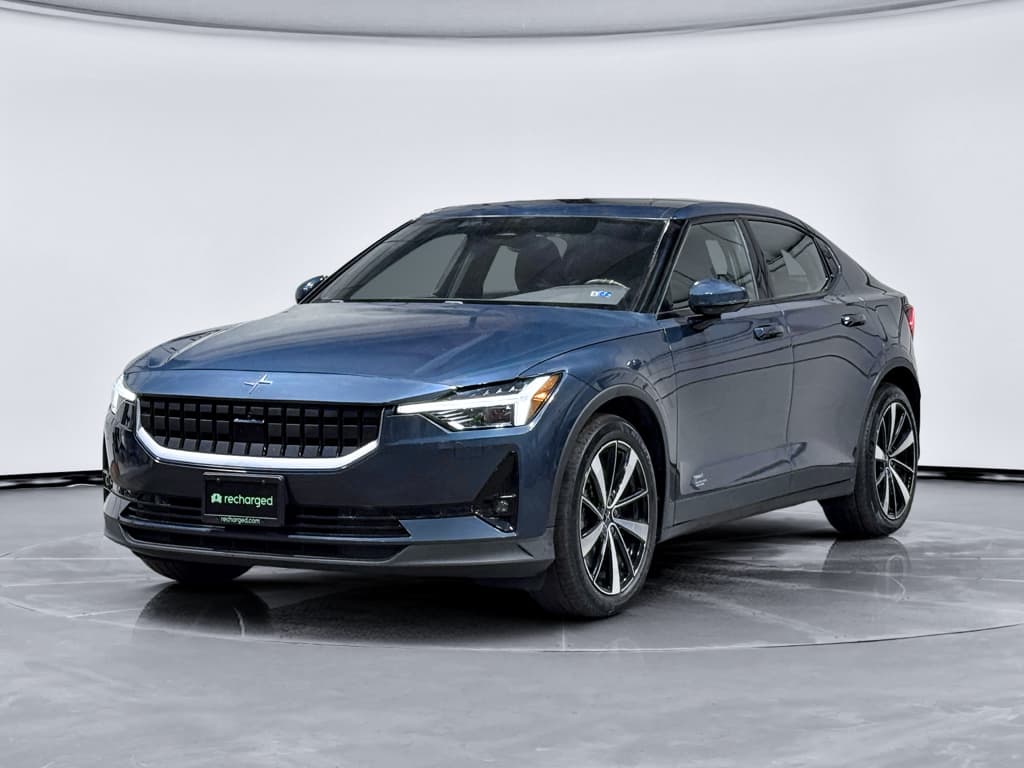
Model availability changes fast, but several EVs stand out as strong used choices for Amazon Flex work thanks to their range, cargo space, and value. Always verify specific battery health and real‑world range on the individual car you’re considering.
EV models that often fit Amazon Flex delivery well
Representative examples with good range and cargo flexibility for delivery work. Check local inventory and pricing in your market.
| Model | Body style | EPA range (new) | Why it works for Flex |
|---|---|---|---|
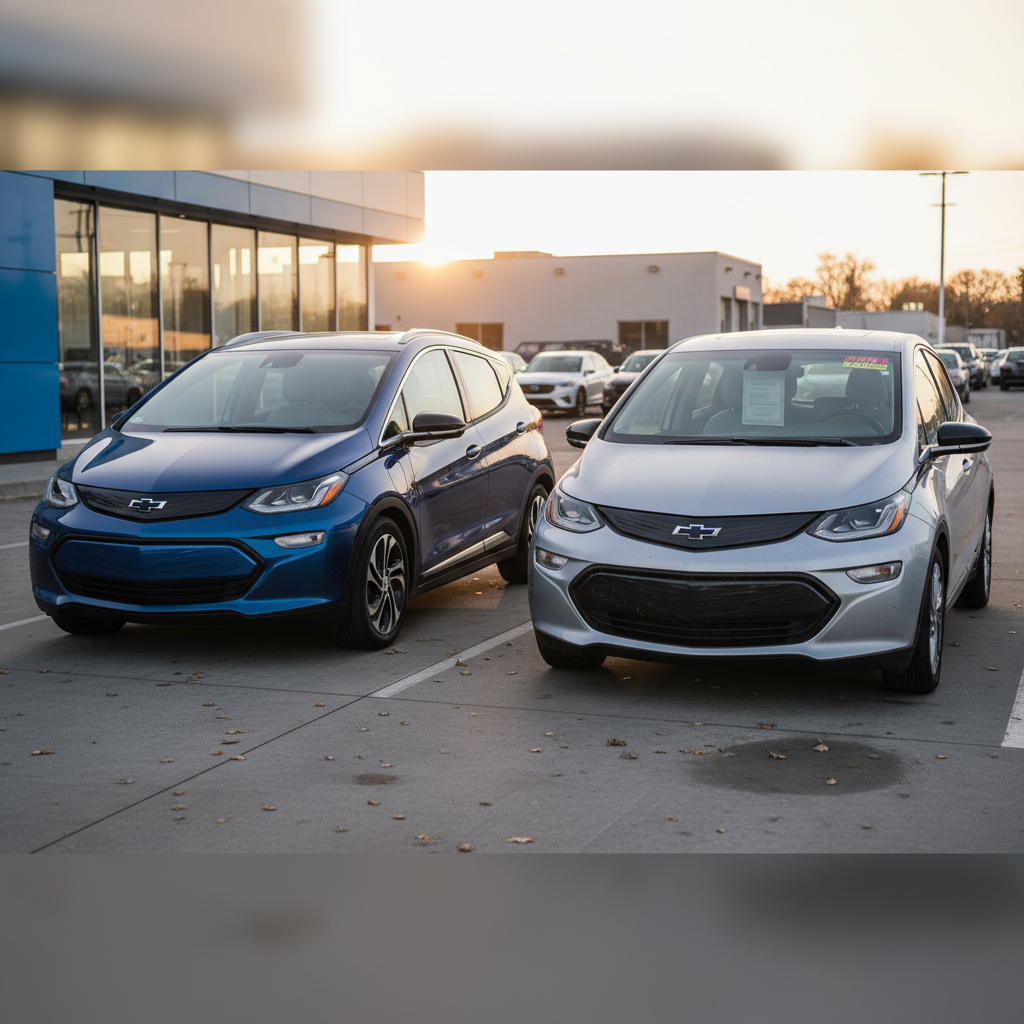
| Chevrolet Bolt EUV | Subcompact crossover | 247 mi | Surprisingly roomy with seats folded, efficient, relatively affordable on the used market. |
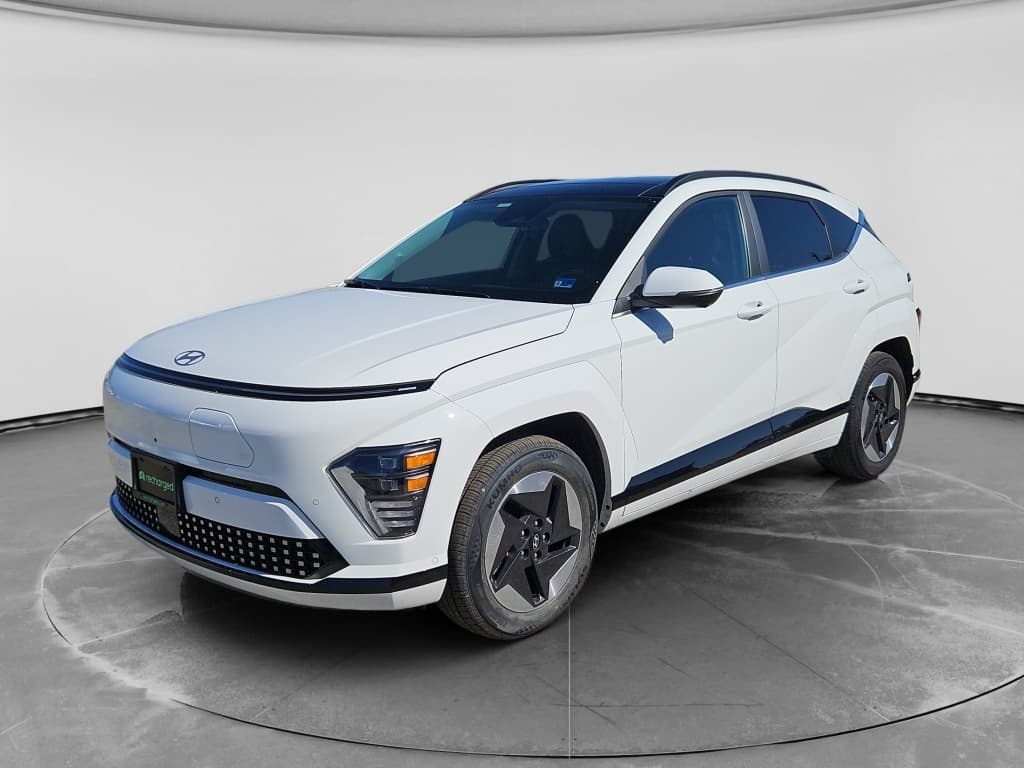
| Hyundai Kona Electric | Subcompact crossover | 258 mi | Excellent efficiency, compact size for tight neighborhoods, plenty of range for multi‑block days. |
| Hyundai Ioniq 5 | Compact crossover | 220–303 mi | Spacious cabin and cargo area, very fast DC charging for quick top‑ups between blocks. |
| Kia Niro EV (1st or 2nd gen) | Compact crossover | 239–253 mi | Practical hatchback shape, good efficiency, popular with gig and commuter drivers. |
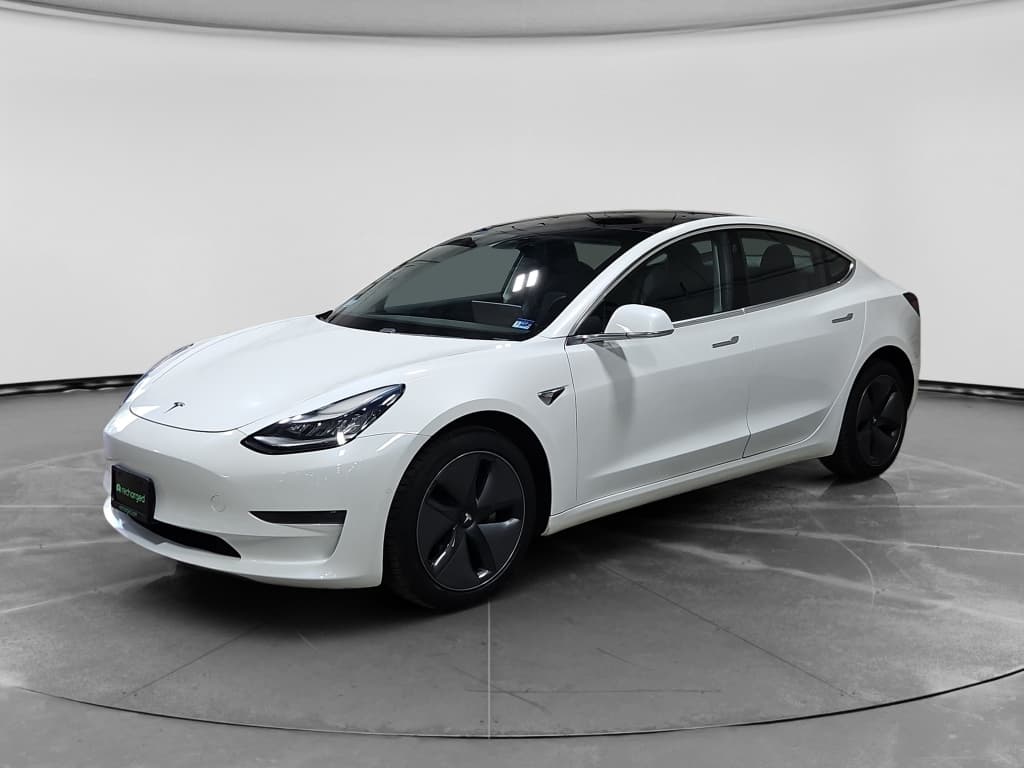
| Tesla Model 3 Long Range | Sedan | 330+ mi | Long range for stacked blocks, access to Supercharger network, strong software and navigation. |
| Tesla Model Y Long Range | Compact SUV | 310+ mi | Big rear hatch and cargo area, strong range, excellent for heavy package days. |
Ranges are EPA estimates when new. Expect some reduction on higher‑mileage used cars.
Where Recharged fits in
Ready to find your next EV?
Browse VehiclesBattery Health When You Put Serious Miles on an EV
High mileage is normal in gig work, which makes EV battery degradation a fair concern. The good news: modern packs are holding up much better than early skeptics predicted. In one long‑term test of a mainstream EV over roughly 107,000 miles in four years, the battery still held about 91% of its original capacity despite frequent fast charging and less‑than‑perfect charging habits.
Habits that keep your EV battery happy
Protect your range while you rack up delivery miles.
Avoid 0% and 100% daily
For everyday Flex use, try to stay roughly between 10–80% charge. Full charges are fine before longer days, but don’t leave the car at 100% for days on end.
Watch heat and cold
Extremes hurt batteries over time. In very hot or cold regions, precondition the cabin while plugged in and expect some seasonal range loss.
Be smart with fast charging
DC fast charging is a tool, not a lifestyle. Use it when the schedule demands it, but rely on overnight Level 2 for most energy needs.
Why a battery health report matters
Financing, Insurance & Tax Considerations
As an Amazon Flex driver, you’re effectively running a small one‑vehicle business. That changes how you should think about financing, insurance, and taxes when you buy an EV.
Financing a work EV
- Payment vs. hours: Make sure your monthly payment fits comfortably within realistic Flex hours, not ideal‑case weeks.
- Used EV financing: Many lenders now understand EV resale values better, and platforms like Recharged offer EV‑friendly financing that accounts for lower running costs.
- Term length: Avoid stretching loans too far; you don’t want to be paying on a car that can no longer earn well for you.
Insurance & write‑offs
- Insurance: Some insurers require a commercial or "business use" endorsement when you deliver packages. Ask explicitly about gig work coverage.
- Tax deductions: In many cases you can deduct mileage or actual expenses (electricity, maintenance, insurance) related to business use, talk to a tax pro.
- Incentives: New EVs may qualify for federal or state tax credits; some used EV purchases can qualify as well.
Don’t ignore insurance fine print
Checklist: Choosing the Right EV for Amazon Flex
Pre‑purchase checklist for Amazon Flex EVs
1. Confirm Amazon Flex eligibility
Verify the EV is a <strong>4‑door mid‑size or larger</strong> and offers enough enclosed cargo space. Bring a couple of mock boxes or bins to see how they’ll fit.
2. Match real range to your actual day
Estimate your total daily miles (commute + blocks + errands). Add 25–30% buffer for traffic, detours, and weather. Your EV’s real‑world range should comfortably exceed that number.
3. Plan where and when you charge
Do you have a driveway or garage where you can install Level 2 charging? Are there reliable fast chargers near your Amazon station or usual delivery areas?
4. Get battery health data, not guesses
Ask for a <strong>battery health report</strong> or at least state of health (SoH) numbers. With Recharged, this is part of the standard Recharged Score so you know how much range you’re actually buying.
5. Run the total cost of ownership math
Compare 3–5 years of payments, electricity, maintenance, and expected repairs to your current or alternative gas vehicle. Don’t forget lost income if a less‑reliable car leaves you without a vehicle for work.
6. Check insurance and gig coverage
Get quotes that explicitly include delivery use before you sign a purchase agreement. A surprise rate hike after you switch to an EV can eat your fuel savings.
7. Test loading and unloading
Practice opening the hatch, loading mock boxes, and accessing packages from the rear doors. On Flex routes, little inefficiencies add up over dozens of stops.
FAQ: EVs for Amazon Flex Delivery
Frequently Asked Questions
Bottom Line: Who Should Use an EV for Amazon Flex?
An EV for Amazon Flex delivery makes the most sense if you drive frequently, live where electricity is reasonably priced, and can charge at home or at predictable public stations. In that scenario, a well‑chosen used EV can lower your running costs, cut downtime for maintenance, and give you a quieter, less stressful workday behind the wheel.
If you’re only experimenting with gig work, or you can’t reliably charge except at expensive fast‑charging stations, a simple, fuel‑efficient gas or hybrid may still be the safer bet. The smart move is to run the numbers on your specific situation, miles, schedule, housing, and local energy prices, before you switch.
When you’re ready to shop, focus on battery health, real‑world range, and total cost of ownership, not just the sticker price. A marketplace built around used EVs, like Recharged, can help you compare options, see verified battery data in a Recharged Score Report, arrange financing, and even handle trade‑ins and nationwide delivery. That way, the car you choose is a real asset to your Amazon Flex business, not an expensive science experiment.