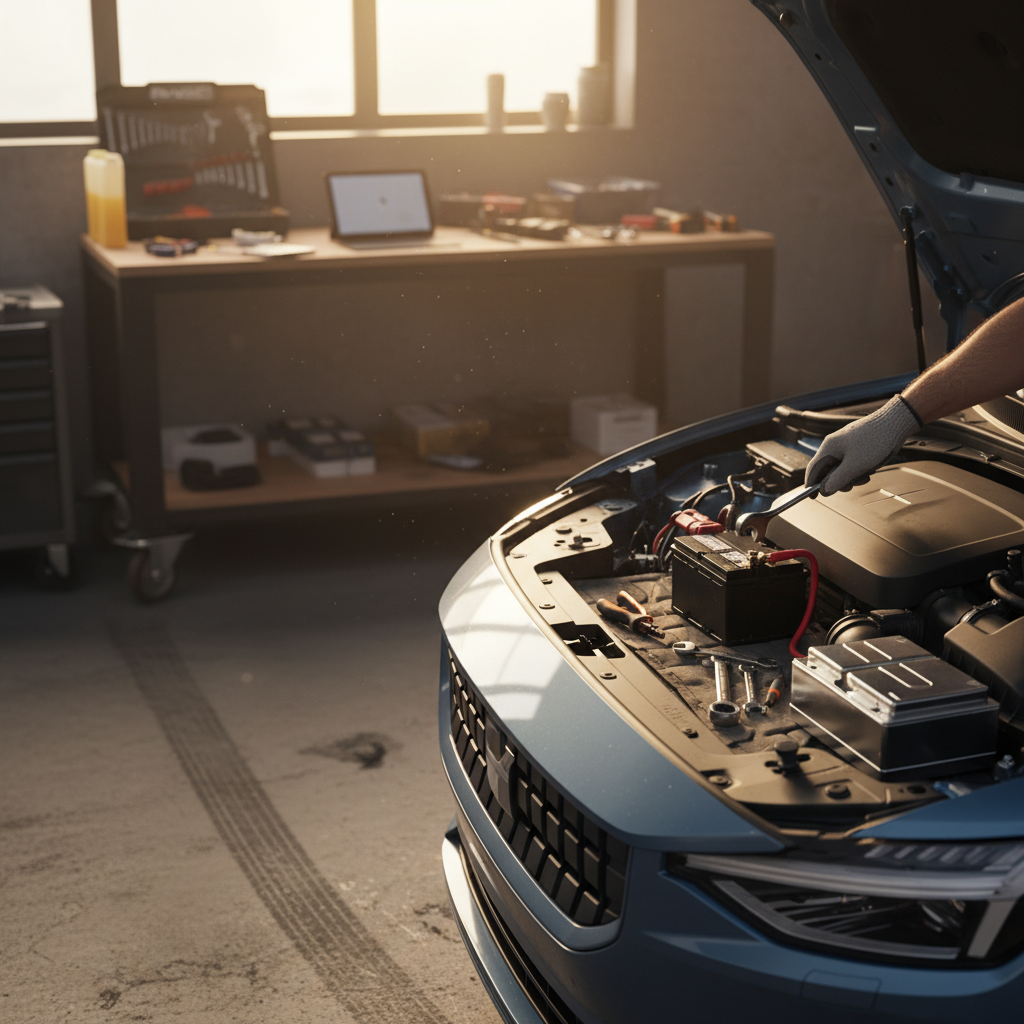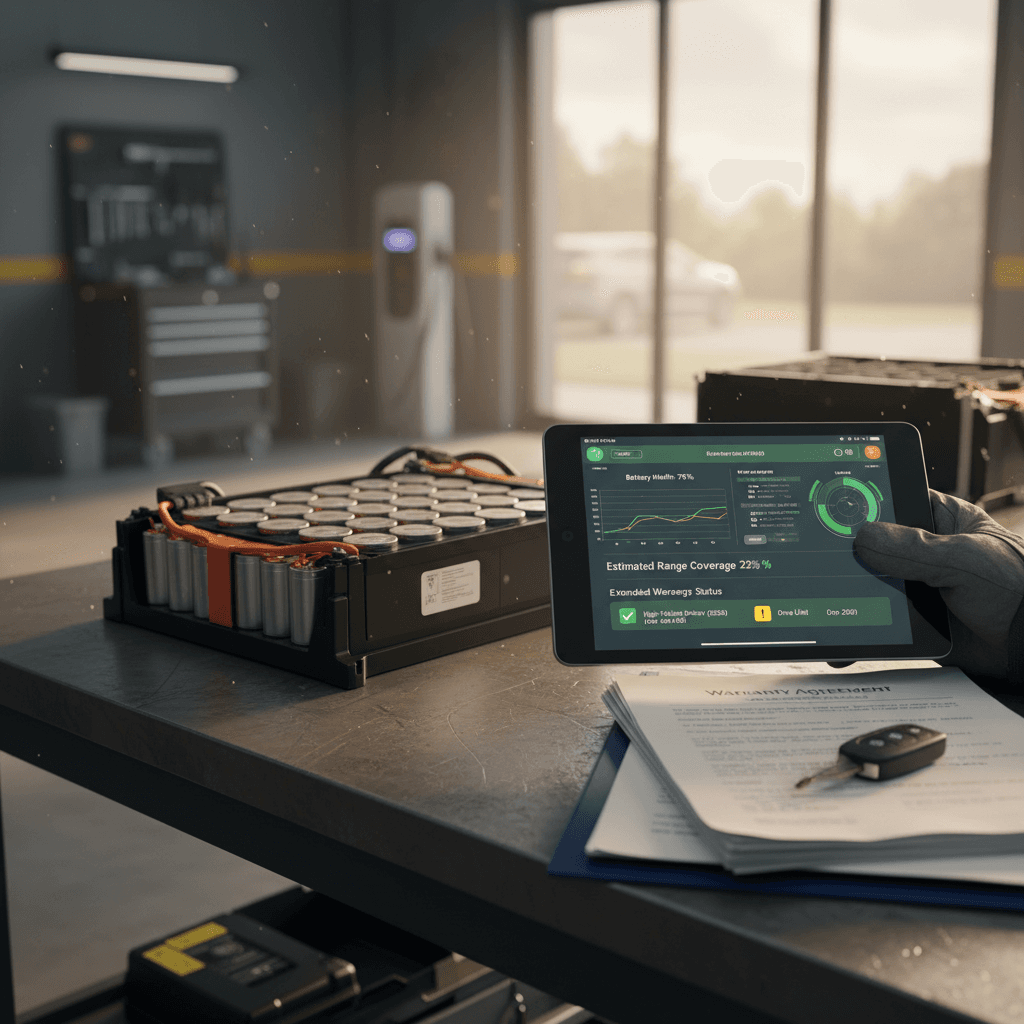
If you own or are shopping for an electric vehicle, you’ve probably been pitched an extended warranty, especially one that promises protection from a scary four‑ or five‑figure battery bill. The question is simple: is an EV extended warranty worth buying, or is it just expensive peace of mind?
Quick answer
How EV warranties work today
Before you decide whether an EV extended warranty is worth buying, you need to know what you already have. Almost every modern EV sold in the U.S. includes two core factory warranties:
- Bumper‑to‑bumper (or basic) warranty: typically 3–4 years or around 36,000–50,000 miles. Covers most electronics, infotainment, interior pieces, HVAC and many sensors.
- Powertrain / electric drive warranty: often 5–8 years and 60,000–100,000 miles. Covers the drive units, motors, gearbox, and other major propulsion components.
- High‑voltage battery warranty: at least 8 years / 100,000 miles on most EVs, sometimes longer. Many brands promise the battery will retain around 70% of its original capacity during that period.
Federal rules coming later this decade are pushing manufacturers toward a minimum of 8 years or 100,000 miles of battery coverage, and several already exceed that with either longer time, higher mileage caps, or better capacity guarantees. Some automakers now advertise 10‑year battery warranties or mileage limits up to 150,000–175,000 miles on specific trims.
Tip for used‑EV shoppers
What an EV extended warranty actually covers
“Extended warranty” is a catch‑all term. In practice, most EV extended warranties are vehicle service contracts that pick up where your factory coverage leaves off. Coverage varies widely, but EV‑focused plans usually target these high‑cost systems:
Typical EV extended warranty coverage areas
The big‑ticket items these plans are designed to protect
High‑voltage systems
- Battery cooling/heating hardware
- On‑board charger & DC/DC converter
- Inverters and power electronics
Drive units & propulsion
- Electric motors and gearboxes
- Reduction gear assemblies
- Some axle and differential components
Control modules & electronics
- Battery management system (BMS)
- Powertrain controllers
- Sometimes ADAS and infotainment modules
On the flip side, every plan has exclusions. Common EV extended warranty exclusions include routine wear items (tires, brake pads, wiper blades), cosmetic issues, damage from accidents or flooding, and normal battery degradation unless the contract specifically says otherwise.
Watch the fine print
Battery coverage: the part everyone worries about
For most EV owners, the battery isn’t just another component, it’s the whole ballgame. Replacement packs can run anywhere from a few thousand dollars on older compacts to well over $15,000–$20,000 on newer long‑range or luxury EVs. That’s why battery coverage is at the center of the extended‑warranty conversation.
- Factory battery warranties typically promise the pack will maintain at least ~70% of its original capacity (sometimes 75%) during the warranty period. If capacity dips below that, the automaker repairs or replaces the pack under warranty.
- Extended warranties rarely cover normal degradation. Most only step in if there’s a clear failure, like a defective module, failed cooling pump or inverter issue that prevents charging or driving.
- Some specialized EV service contracts now offer degradation coverage starting around 70% capacity, usually as an add‑on. These often require the battery to be above a certain health level (for example 80%+) when you buy the contract and may prorate benefits over time.
- Third‑party providers may exclude the high‑voltage battery on many brands, or cover it only on specific models (for instance, limiting full EV coverage to popular models from one or two manufacturers).
What you should not expect
When an EV extended warranty is worth buying
There’s no one‑size‑fits‑all answer. But there are clear patterns where an EV extended warranty is more likely to pay for itself, or at least buy you rational peace of mind instead of fear‑based protection.
Situations where an EV extended warranty often makes sense
You drive high annual mileage
If you regularly rack up 15,000–25,000 miles per year, you’ll hit mileage caps long before time limits. An extended warranty can cover expensive power electronics or drive‑unit failures after the factory warranty times out but while you’re still putting serious miles on the car.
You own a complex or luxury EV
Premium EVs pack in more motors, air suspension, active steering, and advanced driver‑assist tech. When those systems fail out of warranty, repair bills can look like down payments on another car. A strong extended plan can cap that downside.
Your model has shaky reliability history
If a particular EV generation is known for repeated drive‑unit replacements, infotainment glitches, or battery‑cooling issues, a well‑priced extended warranty can shift a lot of that risk off your shoulders.
You’re keeping the EV long‑term
If you plan to run the car to 150,000+ miles, not just lease or flip it in three years, post‑warranty years matter more. An extended plan tailored to those later years can make sense, especially if you can roll it into financing at a competitive rate.
You’d lose sleep over big repair bills
Not everyone wants to self‑insure. If a $6,000 inverter or battery‑cooling repair would wreck your budget, the psychological value of predictable monthly payments may be worth it, even if you never maximize the dollars‑and‑cents return.
Tip for used‑EV buyers
When an EV extended warranty is probably not worth it
In other cases, an EV extended warranty is more of a profit center for the seller than real value for you. Here’s when you’re more likely to be better off banking the money yourself:
- Low annual mileage and strong factory coverage: If you drive 6,000–8,000 miles a year and your EV comes with an 8‑year / 100,000‑mile battery and drive‑unit warranty, you may never reach the limits before you’re ready to sell.
- Reliable mainstream EV with simple hardware: Compact, single‑motor hatchbacks and sedans with solid reliability records just don’t have as many high‑risk systems as dual‑motor luxury crossovers with air suspension and complex driver‑assist suites.
- Plan doesn’t clearly cover the battery or charging system: If the high‑voltage system is excluded or only partially covered, the warranty leaves out precisely the components that differentiate EVs from gas cars.
- Fine print is full of outs: Aggressive maintenance requirements, long lists of excluded components, or language that allows the provider to consider everything “wear and tear” are red flags.
- Price is close to (or higher than) likely repairs: If a $4,000 plan covers a five‑year window when the most probable major repair is also around $4,000, odds are the provider has done the math very carefully in its favor.
Don’t buy in the F&I pressure cooker
Costs: how to do the math on value
Pricing varies widely, but EV‑focused extended warranties are not cheap. It’s common to see multi‑year plans run into the low‑ to mid‑thousands of dollars, depending on coverage level, vehicle age, mileage, and brand.
Step 1: Estimate realistic repair risk
- Look up known issues for your specific make, model, and year.
- Check typical costs for big‑ticket EV repairs: inverters, on‑board chargers, drive units, and battery‑cooling systems.
- Ask a trusted EV‑qualified shop or dealer for ballpark ranges on those failures.
Step 2: Compare against total warranty cost
- Add contract price + any interest if you’re rolling it into financing.
- Compare that total to the weighted risk of one or two major failures.
- If the math is close, factor in your risk tolerance: would you rather pay a bit more for certainty or self‑insure and accept the chance of a big bill?
A simple rule of thumb
Factory vs. third‑party EV extended warranties
Not all EV warranties come from the automaker. You’ll encounter three main sources: factory‑backed extensions, branded dealer contracts, and independent third‑party providers that now specialize in EVs.
Comparing common EV extended warranty sources
How the major options typically stack up for EV owners
| Type | Who backs it | Pros | Cons |
|---|---|---|---|
| Factory‑backed plan | Actual automaker | Better integration with dealer service; often strong coverage on EV‑specific systems; easier claims | May be available only while under original warranty; fewer choices; sometimes higher price |
| Dealer‑branded contract | Dealer or partner company | Convenient at purchase; can roll into financing; sometimes flexible tiers | Coverage can be narrow; mark‑ups are common; EV‑specific terms may be vague |
| EV‑specialist third party | Independent warranty company | More tailored to EVs; some offer specific battery‑degradation triggers and charging‑system coverage | Not all brands or models eligible; must vet financial strength and claims reputation carefully |
Details vary by brand and provider, always read the actual contract, not just the brochure.
Battery exclusions are common
How this changes for used EVs (and Recharged buyers)
Used EV shoppers face a different risk profile than new‑car buyers. You’re stepping into a vehicle with an unknown history, partial remaining warranty, and a battery that’s already lived part of its life. That’s where objective battery data and clear warranty information become critical.

How Recharged helps you make a smarter warranty decision
Battery transparency first, then coverage, not the other way around
Verified battery health
Fair pricing context
EV‑specialist guidance
Ready to find your next EV?
Browse VehiclesInstead of leading with a hard sell on an extended warranty, Recharged starts with battery data and ownership goals. For some buyers, especially higher‑mileage drivers eyeing complex used EVs, extra coverage can be a smart tool. For others, a strong battery score and generous remaining factory warranty mean an extended plan adds more cost than value.
Checklist: what to look for in any EV extended warranty
EV extended warranty due‑diligence checklist
1. Battery coverage is spelled out clearly
Does the contract list the high‑voltage battery as a covered component? Is there a <strong>capacity threshold</strong> (for example, below 70%) that triggers coverage, or is it limited to outright failure?
2. Charging and power electronics are included
Look for coverage on the on‑board charger, DC/DC converter, inverters, charge port hardware, and battery‑cooling components. These are some of the most EV‑specific and expensive systems.
3. Exclusions and maintenance rules are reasonable
Watch for language that voids coverage for using non‑approved chargers, skipping software updates, or missing one scheduled service. Those details can matter in a future claim.
4. Provider has EV experience
Favor plans from automakers or third‑party providers that <strong>specialize in EVs</strong> and clearly understand battery health, degradation, and charging behavior. Generic gas‑car contracts retrofitted to EVs are riskier.
5. Term matches your ownership horizon
Don’t buy 8 years of extra coverage if you expect to sell in 3. Try to align the coverage window with the years and miles when you’ll actually own, and heavily use, the car.
6. Total cost fits your budget and risk tolerance
Add up premium + fees + interest if financed. Compare that against your emergency‑fund capacity and worst‑case repair estimates to see whether the trade‑off feels right.
Ways you can accidentally void coverage
Frequently asked questions about EV extended warranties
EV extended warranty FAQ
Bottom line: are EV extended warranties worth buying?
Whether an EV extended warranty is worth buying comes down to three things: how long you’ll keep the car, how complex and expensive it is to repair, and how much financial risk you’re comfortable carrying yourself. For many EV owners, especially those with robust factory battery coverage, lower mileage, and strong reliability, putting money into savings may beat paying for a broad, generic warranty.
For used‑EV shoppers, high‑mileage drivers, and buyers of intricate or luxury electric models, a carefully chosen, EV‑specific extended warranty can be a smart hedge against rare but painful failures. The key is to start with data, battery health, remaining factory coverage, realistic repair costs, and then evaluate contracts line‑by‑line instead of buying on fear.
If you’re comparing used EVs, Recharged is built to make this process easier. Every vehicle includes a Recharged Score battery health report, clear pricing, and support from EV specialists who can help you understand when extra coverage adds real value, and when you’re already well protected without it.