If you’re trying to time the EV market, understanding the EV depreciation forecast for 2025–2026 is just as important as watching sticker prices. After an initial “EV winter” where many electric models lost value quickly, the used EV market is starting to split: some models are stabilizing or even rebounding, while others are still sliding. Knowing which is which can save, or cost, you five figures over a few years of ownership.
Key takeaway in one sentence
Why EV depreciation looks different from gas cars
Traditional depreciation curves were built around internal-combustion vehicles, where technology changed slowly and engines tended to age predictably. EVs broke that pattern. Over the last five years, used EVs have shown deeper and more volatile depreciation than most gas models, with several battery‑electric nameplates shedding around 60–70% of their original MSRP after five years. That’s painful if you bought new, but it’s created unusually attractive prices in the used market.
- Rapid tech upgrades: Each new EV generation brings longer range, faster charging and better software, making earlier models feel outdated more quickly.
- Battery worries: Shoppers still fear expensive battery replacement, even though real‑world degradation is typically moderate when packs are cared for.
- Policy and pricing whiplash: Automaker price cuts, expiring and returning tax credits, and changing state incentives have repeatedly reset both new and used EV values.
- Uneven demand: EV demand has surged in some regions and cooled in others, so a model that’s soft in one state can be hot in another.
Depreciation cuts both ways
Where we are now: used EV values in early 2026
Used EV market snapshot heading into 2026
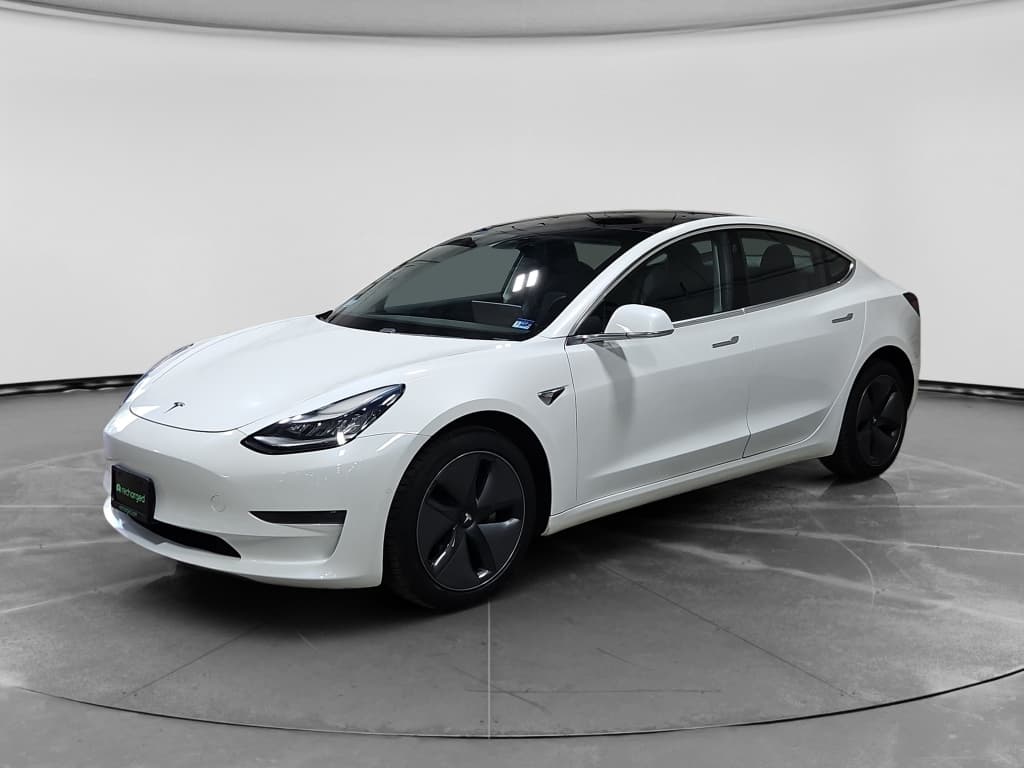
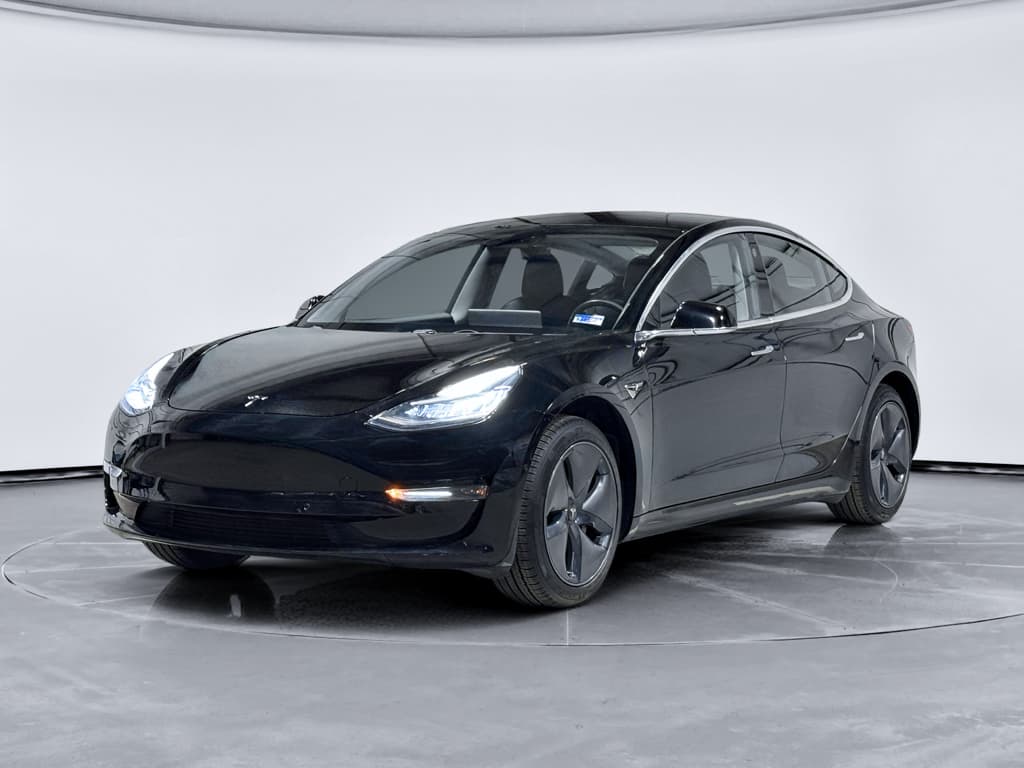
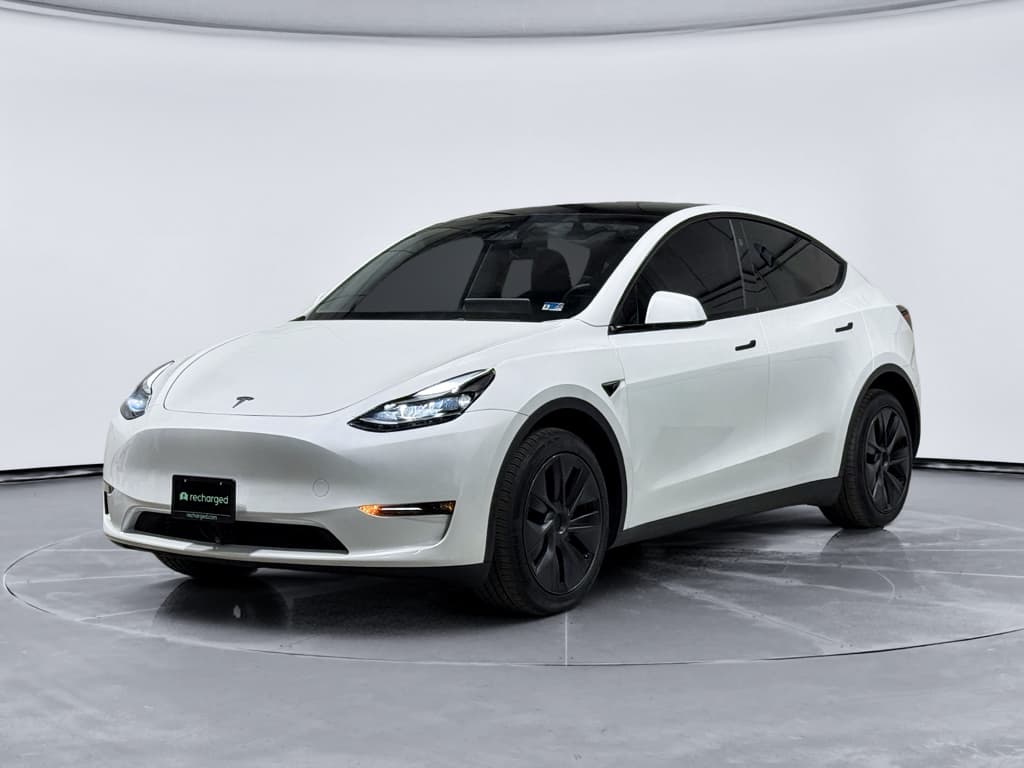
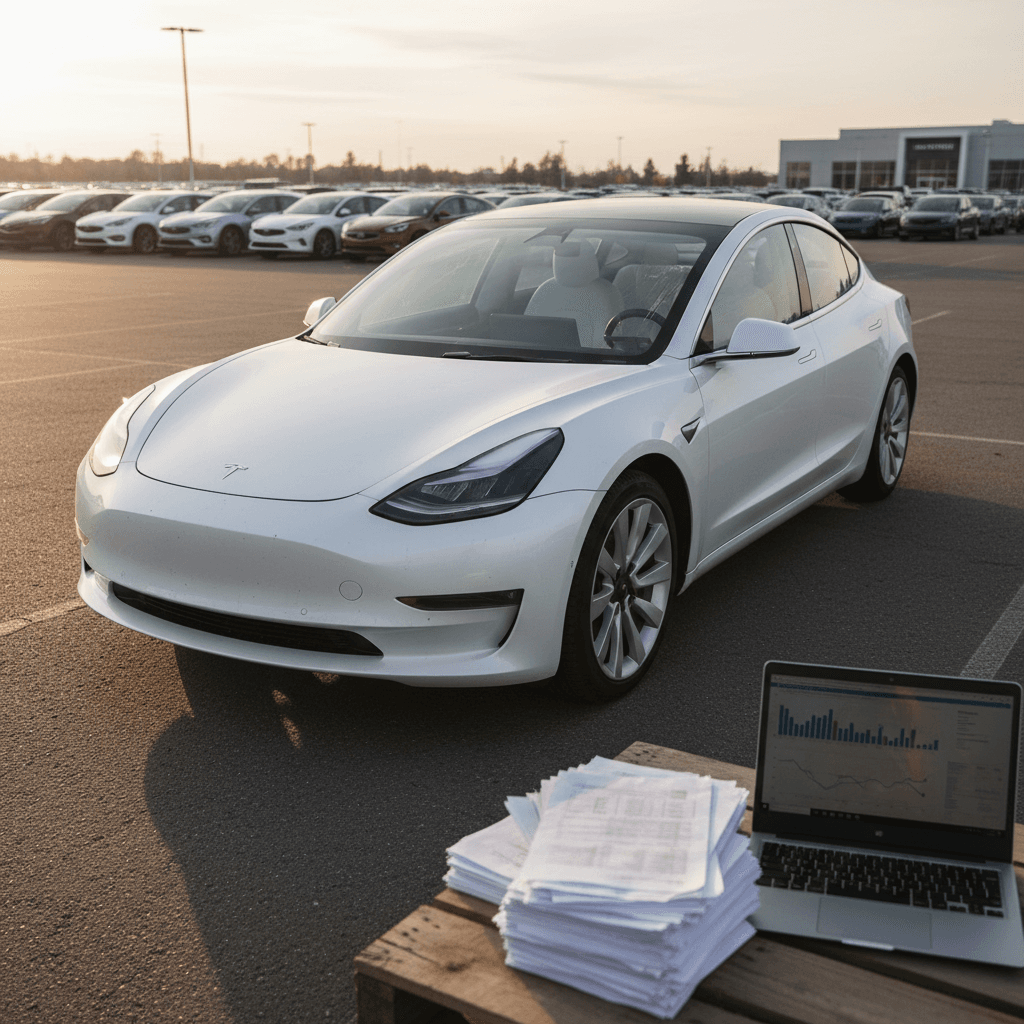
Data from large used‑vehicle marketplaces and auction trackers paints a consistent picture: used EV prices peaked in 2022, then reset sharply through 2024 and 2025. Several luxury EVs and early‑generation models saw five‑year depreciation north of 60%. More recently, however, the market has begun to bifurcate. Late‑model Teslas are showing modest price gains after a long slump, while prices for many non‑Tesla EVs remain soft, especially older, short‑range models and niche luxury nameplates.
EV depreciation forecast for 2025–2026
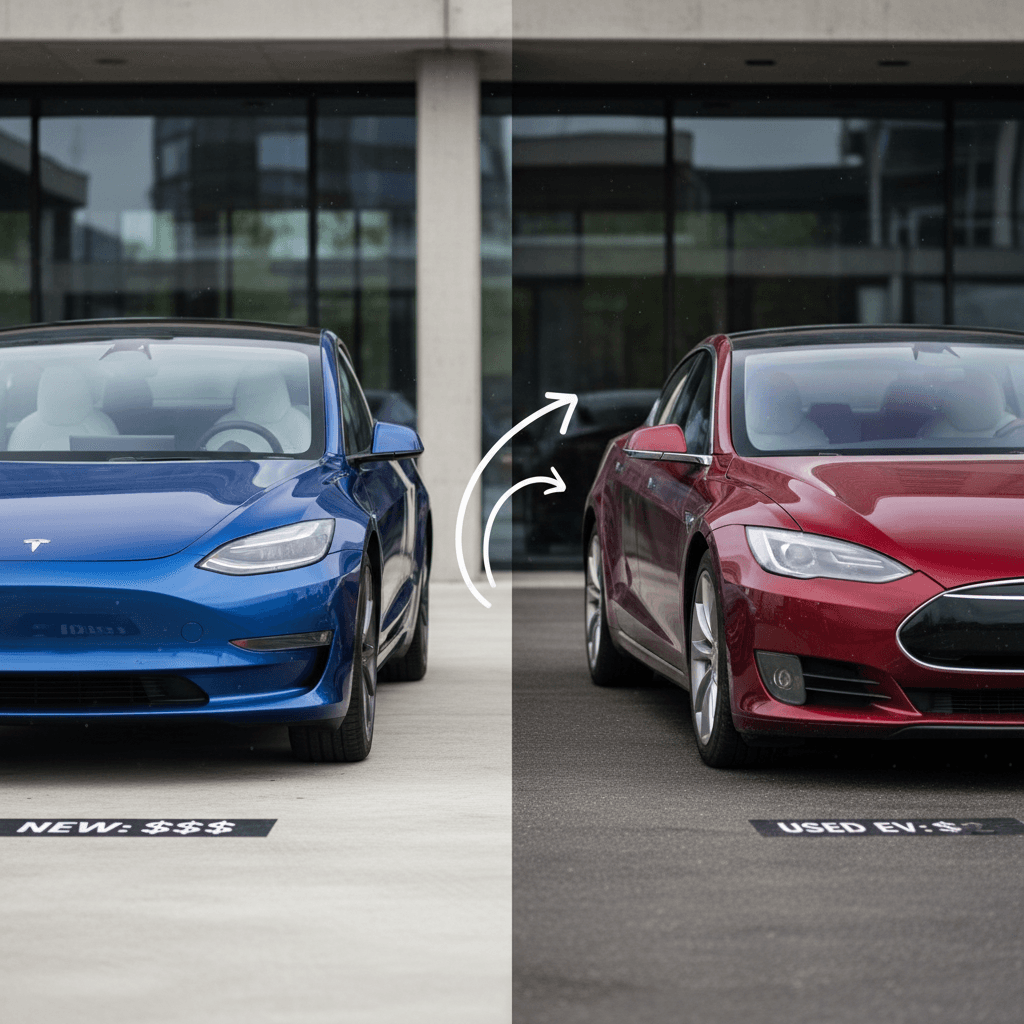
So what does the EV depreciation forecast for 2025 and 2026 actually look like? No one has a crystal ball, but when you line up current pricing, lease residuals and battery‑cost forecasts, some clear patterns emerge. Think in ranges, not single numbers: the spread by model will stay wide.
High-level EV depreciation outlook (bought new in 2024–2025)
Indicative depreciation ranges assuming normal mileage and no major market shock. Actual results will vary by model, region and condition.
| Model type by 2026 | 2‑year depreciation (through 2026) | 3‑year depreciation (through 2027) | Notes |
|---|---|---|---|
| High-demand Tesla (3/Y) | 25–30% | 35–40% | Pricing has already reset; forecast is closer to mainstream SUVs. |
| Other mainstream EVs (Hyundai, Kia, VW, Chevy, etc.) | 30–40% | 40–50% | Still steeper than gas counterparts but stabilizing vs. 2022–2024. |
| Short‑range / first‑gen EVs (older Leaf, Bolt, i3) | 40–50% | 50–60% | Ceiling set by range and charging speed; values driven by local demand. |
| Luxury EV sedans & SUVs (Taycan, EQS, i‑Pace) | 40–50% | 55–65% | Remain depreciation‑heavy; big MSRPs and fast tech changes weigh values. |
These are directional estimates for planning, not guarantees. Always check current real‑world pricing before you buy or sell.
Forecast vs. reality
Tesla vs. non-Tesla: who depreciates faster?
From 2022 through much of 2025, the answer was clear: Teslas depreciated faster than most gas cars and even faster than many rival EVs. Price cuts on new Teslas, rising inventories and wavering brand sentiment pushed values down, especially for Model S and X. Five‑year losses of 60–65% of original MSRP weren’t unusual for those flagships.
Where Tesla still looks risky
- Older S/X: Large luxury EVs with hefty MSRPs and fast‑moving tech remain among the biggest dollar losers.
- Spec‑heavy builds: Unusual colors, oversized wheels or niche options tend to return less at trade‑in time.
- Out-of-warranty cars: Once past battery and drive‑unit coverage, buyer pools shrink and prices follow.
Where Tesla is stabilizing or improving
- Model 3/Y sweet spot: Mainstream‑priced trims with healthy range are regaining demand as new‑car prices and tax rules shift.
- Software & charging edge: Access to the Supercharger network and frequent OTA updates support residuals versus rivals.
- More rational pricing: After major resets, remaining downside on recent‑year cars appears smaller than in 2022–2023.
Non‑Tesla EVs are more of a mixed bag. Some mainstream crossovers from Hyundai, Kia and others are starting to track close to comparable gas SUVs in percentage depreciation, especially in EV‑friendly regions. On the other side of the ledger, several premium EV sedans and first‑generation models with modest range still show heavy, sometimes brutal, price erosion. As we move through 2026, expect the gap between high‑demand, high‑range EVs and everything else to widen.
Segment-by-segment depreciation outlook
How different EV segments are likely to behave
Use this as a directional guide when comparing models in 2025–2026.
Mainstream compact & midsize EVs
Think Hyundai Ioniq 5/6, Kia EV6, VW ID.4, Chevy Equinox EV and similar.
- Depreciation easing as these become the “Camry and CR‑V” of EVs.
- Expect 30–40% depreciation in the first three years, depending on incentives and fleet sales.
- Well‑optioned but not over‑optioned trims will hold best.
Short‑range & city EVs
Older Nissan Leafs, BMW i3, first‑gen Bolts and similar lower‑range models.
- Already heavily depreciated; limited further downside in dollar terms.
- Values capped by range and DC fast‑charging speed.
- Great urban runabouts if you understand the use‑case limits.
Performance & luxury EVs
Porsche Taycan, Mercedes EQS, Audi e‑tron GT, high‑spec Teslas.
- Biggest dollar losers; 55–65% depreciation at year five is common.
- Lease residuals often conservative, signaling higher risk for buyers.
- Fantastic value as used toys, but budget for repairs and tires.
How fleets and leasing will influence 2026 prices
1. Wave of lease returns
EV lease penetration has climbed. As 2023–2024 leases roll off through 2026, more 2‑ to 4‑year‑old EVs will hit wholesale lanes, putting pressure on weaker models and trims.
2. Fleet disposal strategies
Rental and corporate fleets that bought aggressively into certain EVs are now de‑fleeting. Concentrated sell‑offs can temporarily depress values for those nameplates in specific regions.
3. OEM support programs
Some automakers are propping up residuals with certified‑pre‑owned warranties and subsidized financing, particularly on halo EVs. This can help stabilize prices on select models.
4. Lease residual resets
Leasing companies have already lowered future residual estimates for several EVs. That doesn’t change what’s happened, but it should make future depreciation patterns more predictable.
How falling battery costs will shape resale values
One of the biggest wild cards for EV depreciation in 2025–2026 is the cost of the battery itself. Industry analysts expect pack prices to fall significantly by 2026, thanks to higher energy density cells, cheaper raw materials and expanded production. That has two conflicting effects on used values, one negative, one positive.
Why cheaper batteries could hurt used prices
- Cheaper new EVs: As manufacturers pass lower battery costs into pricing, new MSRPs may fall, pulling used prices down with them.
- More range for the money: A 2027 EV with similar MSRP but 50–80 extra miles of range makes today’s models look older, faster.
- Incentive stacking: If lower battery costs coincide with aggressive incentives, nearly‑new used cars will need discounts to compete.
Why cheaper batteries could help used prices
- Lower replacement anxiety: If pack costs fall far enough, the idea of replacing a worn battery becomes less terrifying for shoppers.
- Longer holding periods: Owners may be more willing to keep EVs beyond the warranty window if out‑of‑warranty repair math looks saner.
- Stronger second and third owners: As total cost of ownership improves, demand for 5‑ to 8‑year‑old EVs could deepen, supporting residuals.
How Recharged reduces the battery guesswork
Factors that can buck the depreciation trend
7 levers that can change an EV’s resale story
These factors often matter more than a model’s average chart suggests.
Local charging & incentives
Warranty coverage
Mileage & use profile
Major software updates
Brand perception
Accidents & repairs
Why individual vehicles matter more with EVs
What this means if you’re buying a used EV
If you’re buying in 2025 or 2026, you’re walking into what is arguably the best used‑EV value environment we’ve seen yet. Depreciation has already done a lot of the heavy lifting for you. The challenge isn’t “Will I get a deal?” so much as “Am I buying the right EV at the right point in its curve?”
Buyer playbook for 2025–2026 EV depreciation
1. Target the 3‑ to 6‑year‑old sweet spot
By year three, an EV has usually taken its steepest depreciation hit. Years three through six often deliver the best mix of remaining life, modern tech and value pricing, especially on high‑MSRP models bought new.
2. Prioritize range and charging over gadgets
In a few years, buyers will still care about real‑world range and DC fast‑charging speed; they’ll care less that you had the fanciest stereo. Focus on specs that stay relevant over time.
3. Lean into already‑depreciated models
An EV that’s already lost 60% of its original MSRP may not have much further to fall in dollar terms. That can make a 5‑year‑old luxury EV a smarter buy than a 1‑year‑old mainstream one, depending on your risk tolerance.
4. Demand hard data on battery health
Battery condition is the single biggest swing factor in used EV value. Look for objective diagnostics, like the <strong>Recharged Score battery health report</strong>, rather than taking guesses based on the dash’s range estimate alone.
5. Stress‑test your exit plan
Before you buy, sketch what the car might be worth in three to five years using conservative assumptions. That will help you decide between financing, leasing a different car, or paying cash.
6. Shop nationally, not just locally
Because EV demand is uneven, the same car can be thousands cheaper a few states away. Recharged offers nationwide delivery, so you’re not captive to your local lot’s pricing.
What this means if you’re selling or trading an EV
On the other side of the ledger, EV owners are asking a different question: “Is 2025 or 2026 a good time to get out of my car?” The answer depends heavily on what you drive and how you plan to sell it.
Good reasons to sell sooner
- You own an early‑tech EV: Short‑range models with slow charging will only look more outdated as cheaper, longer‑range rivals launch.
- Your warranty clock is ticking: Values often soften once battery and drive‑unit coverage runs out, especially on luxury EVs.
- You’re eyeing a big tech leap: If a new platform with much better range and efficiency is about to land, you may want to exit before it hits dealer lots in volume.
Reasons to hold a bit longer
- You own a high‑demand model: Certain trims of Tesla Model 3/Y and mainstream crossovers from Hyundai and Kia are stabilizing, not plunging.
- Your usage is light: Genuinely low mileage and gentle charging habits can keep your individual car’s value above guidebook averages.
- You’d be stepping up in payment: If monthly costs would jump to change cars, the math can favor squeezing more miles out of what you have.
Don’t ignore multiple offers
EV depreciation 2025–2026: frequently asked questions
Frequently asked questions about EV depreciation
Bottom line: EV depreciation into 2027
EV depreciation from 2020 through 2024 was messy, and at times brutal, as the industry rewrote the rules on the fly. The picture for 2025–2026 is more orderly, but not necessarily gentle: EVs will still depreciate faster than many comparable gas cars, just with clearer patterns and smaller surprises. High‑range, high‑demand models are converging toward mainstream SUV‑style curves, while niche luxury and short‑range EVs remain bargain buys as used cars and painful bets when purchased new.
If you’re shopping used, that’s good news. The market reset has already created some of the best value opportunities we’ve seen for 3‑ to 6‑year‑old EVs. If you’re selling, it’s a reminder to be strategic about timing and channel. Either way, treating depreciation as a known cost of ownership, not an afterthought, will leave you better positioned when it’s time for your next electric. And if you want help running the numbers on a specific car, Recharged’s EV‑specialist team and battery‑health‑driven Recharged Score can put hard data behind your decision instead of guesswork.