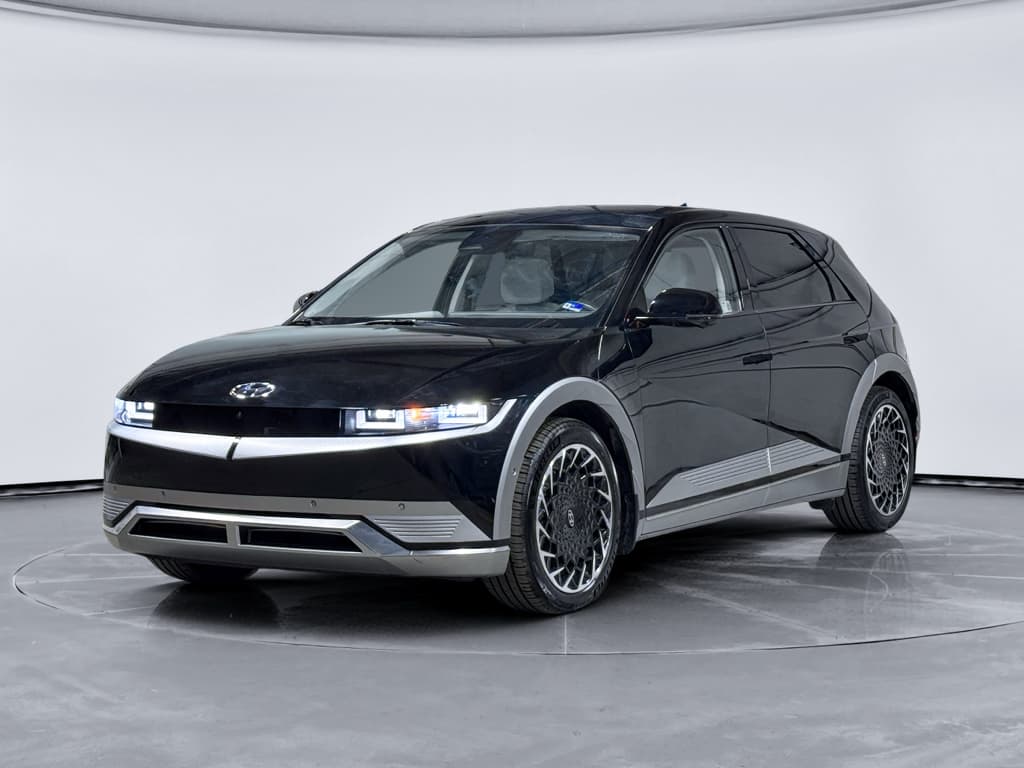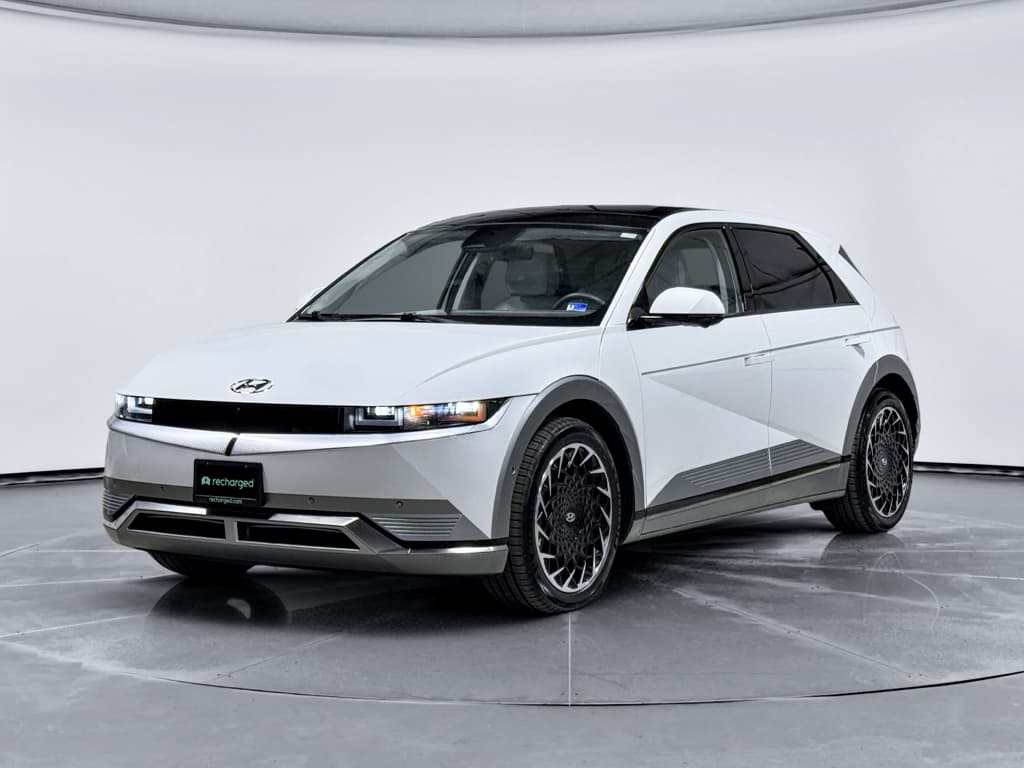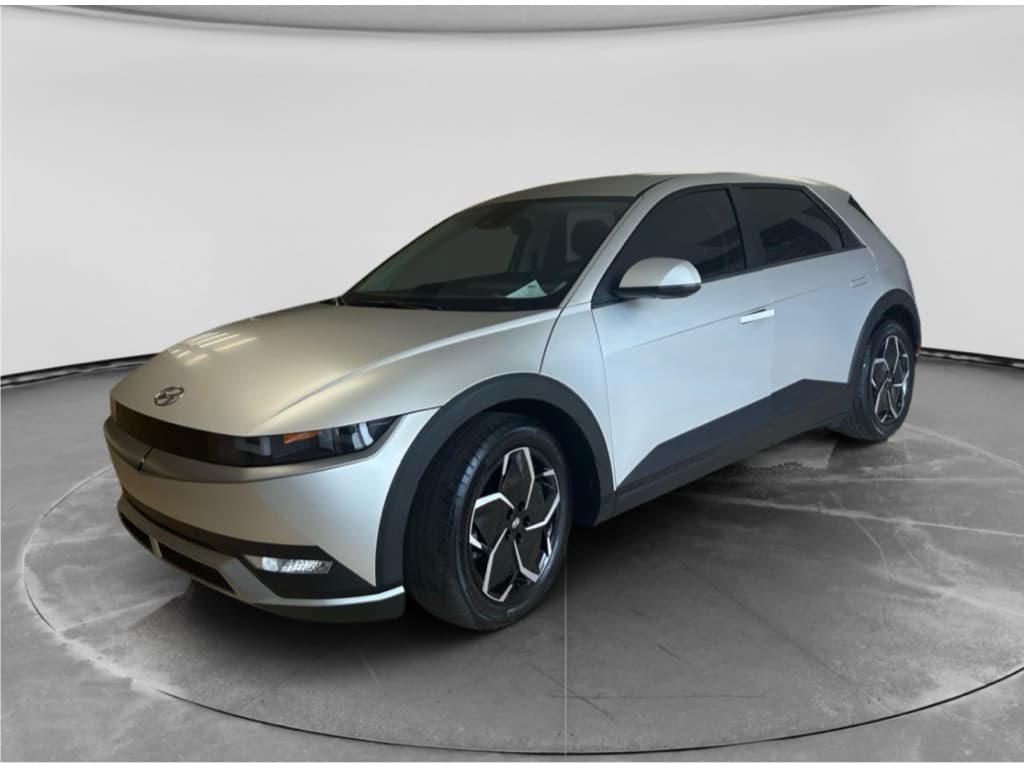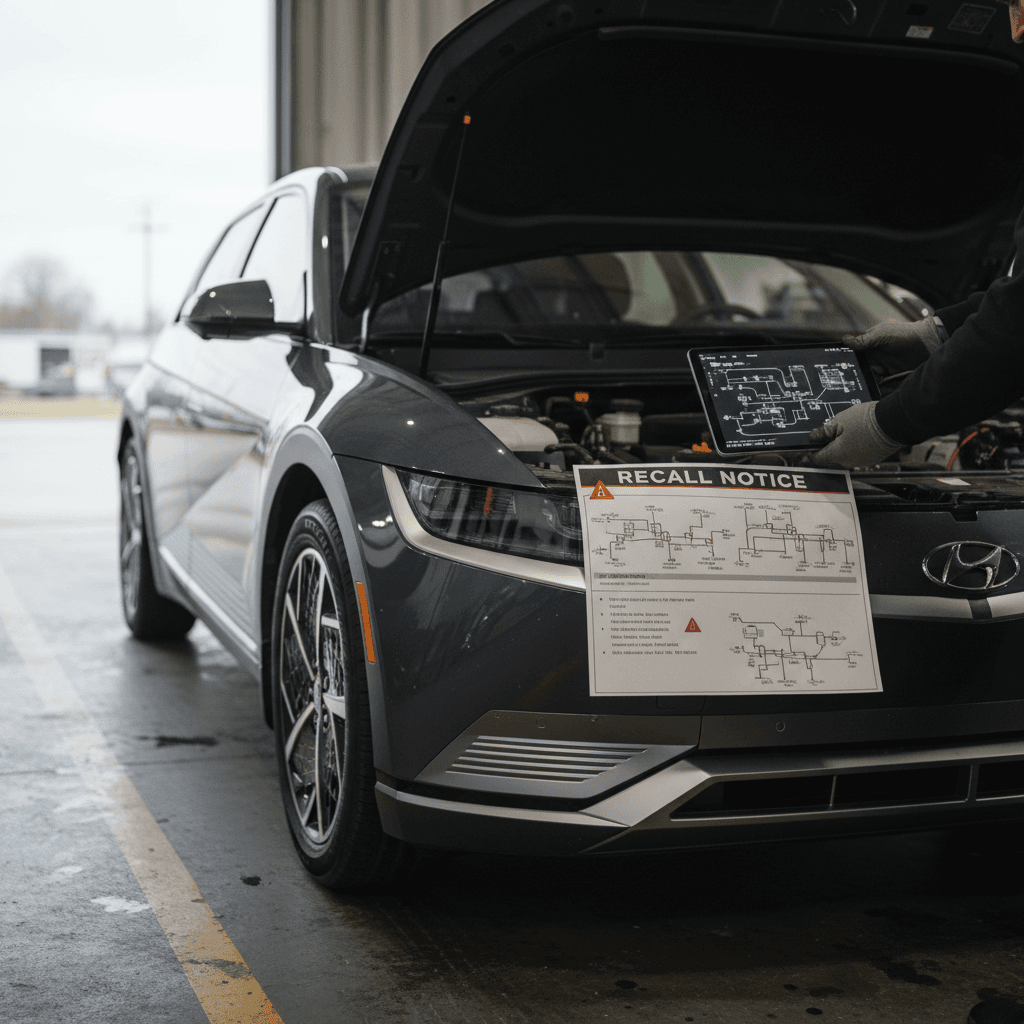
If you own or are shopping for a 2024 Hyundai Ioniq 5, you’ve probably heard about recalls tied to sudden power loss and charging problems. This guide walks through the current 2024 Hyundai Ioniq 5 recalls list in plain English, explains what’s really going on under the floorpan, and helps you decide what to do next, especially if you’re considering a used Ioniq 5.
Quick context
Overview: 2024 Hyundai Ioniq 5 recalls at a glance
How the big Ioniq 5 recalls break down
For the 2024 Ioniq 5, most of the action centers on a single major safety recall for potential loss of drive power tied to the Integrated Charging Control Unit, plus at least one related software campaign that tweaks the charging logic. There are also scattered service bulletins and market-specific recalls (for example, overseas) that you may see discussed online but that don’t always apply to U.S. cars.
- 1 major NHTSA safety recall affecting 2022–2024 Ioniq 5 (including 2024 model year) for power-loss risk from a damaged ICCU and 12‑volt battery issues.
- 1 broad software campaign (Service Campaign 9B5) addressing Level 2 charging behavior and charging-speed logic on 2022–2024 vehicles.
- Additional technical service bulletins (TSBs) for narrower production windows and specific concerns, which your dealer can see by VIN.
Don’t assume “newer” means “safe”
Major 2024 Hyundai Ioniq 5 safety recalls
ICCU power-loss recall (24V204 / Hyundai 257): 2022–2024 Ioniq 5
The headline issue for the 2024 Ioniq 5 is a safety recall for potential loss of drive power. U.S. owners will typically see this listed as an NHTSA recall, often referenced online as 24V204, and Hyundai’s internal campaign number 257 (wording can vary slightly in your paperwork). It covers 2022–2024 model-year Ioniq 5 built on the e‑GMP platform along with siblings like the Kia EV6 and Genesis GV60.
ICCU recall: what’s going wrong and how Hyundai fixes it
This is the recall most 2024 Ioniq 5 owners care about.
Root problem
The Integrated Charging Control Unit (ICCU) can be damaged by heat and electrical stress. When it begins to fail, it may stop properly charging the 12‑volt battery from the high-voltage pack.
What you might feel
- Warnings like “Check Electric Vehicle System” or “Check Power Supply.”
- Car won’t start after parking, or suddenly enters limp mode.
- In severe cases, complete loss of motive power while driving.
Recall remedy
Dealers inspect the ICCU and related fuse, update control software, and replace damaged components where needed. The work is done free of charge under the safety recall.
Why this matters
Hyundai’s recall documents describe a scenario where the ICCU’s internal electronics can overheat, damaging the unit. Once that happens, the ICCU may no longer keep the 12‑volt battery charged, even though the big traction battery still has plenty of energy left. Because your car’s computers, steering assist, and other critical systems depend on that 12‑volt circuit, things can go sideways quickly once it’s compromised.
- Recall type: Safety recall (mandatory, free of charge).
- Systems affected: High‑voltage charging electronics, 12‑volt battery support, potential loss of drive power.
- Typical repair time: Often half a day to one full day, but parts shortages or ICCU replacement can stretch that into multiple days.
- Who’s covered: 2022–2024 Ioniq 5 owners whose VIN falls in the affected production range (most U.S. cars do).
Smart move for used shoppers
Charging-speed software update (Service Campaign 9B5)
Separate from the formal NHTSA safety recall, Hyundai rolled out a software campaign sometimes listed as Service Campaign 9B5. It targets 2022–2024 Ioniq 5 and Ioniq 6 vehicles that show weird behavior when charging on Level 2 (240‑volt) AC chargers, slowed charging, interrupted sessions, or charge rates that drop and never recover even when conditions improve.
What owners were seeing
- Public or home Level 2 sessions that cut in half and never speed back up.
- Charging that stops unexpectedly before reaching your target state of charge.
- Inconsistent behavior from one session to the next without clear cause.
What the update does
- Refines the Vehicle Charging Management System (VCMS) logic that manages AC charging.
- Adjusts how the car reacts to temperature, charger behavior, and grid fluctuations instead of simply dropping to a low rate and staying there.
- Is typically applied alongside ICCU-related updates when your car is in for recall work.
Campaign vs. recall
Other software campaigns and service bulletins
Hyundai has also issued narrower technical service bulletins (TSBs) for specific build windows or versions of the Ioniq 5. Some relate to early‑production 2023 models, others to U.S. versus Canadian cars, and some to the high‑performance Ioniq 5 N. A few of these touch on braking feel, shifter operation, or other drivability details. They may or may not apply to your 2024 Ioniq 5, depending on when and where it was built.
- TSBs are not the same as recalls; they’re guidance for dealers on how to repair common issues.
- If a TSB repair happens under warranty, you may not even see the bulletin number; it just shows as a repair line on your invoice.
- When you schedule service, you can ask the advisor to check for any TSBs that apply to your VIN, not just open recalls.
How to check if your 2024 Ioniq 5 has open recalls
The most accurate way to see the exact recall list for your 2024 Hyundai Ioniq 5 is to search by VIN, the 17‑character ID on your registration, insurance card, or at the base of the windshield. Don’t rely on model‑year lists alone; two identical‑looking Ioniq 5s can have different recall status based on build date and prior repairs.
Step-by-step: Check your 2024 Ioniq 5 for recalls
1. Locate your VIN
Find your 17‑digit VIN on your insurance card, registration, driver-side dashboard (viewed through the windshield), or driver’s door jamb sticker.
2. Run your VIN on NHTSA’s site
Visit the official NHTSA recall lookup and enter your VIN. You’ll see a list of <strong>open safety recalls</strong>, including the ICCU/power-loss campaign if it hasn’t been completed on your car yet.
3. Check Hyundai’s owner portal or app
Log into MyHyundai or the Hyundai owner app. It often shows both formal recalls and some service campaigns specific to your VIN.
4. Call your Hyundai dealer’s service department
Give them your VIN and ask for a printout of all <strong>open recalls and campaigns</strong>. Ask specifically about the ICCU recall and VCMS charging-logic update.
5. Confirm prior repairs on used cars
If you’re buying used, ask the seller for service records. Compare dates and campaign numbers against what the dealer shows to make sure recall work wasn’t just scheduled, it was completed.
6. Schedule recall work ASAP
Once you know what’s open, book an appointment. Safety recalls must be performed at no cost, though parts availability and dealer capacity can affect timing.
How Recharged handles recall checks
Ready to find your next EV?
Browse VehiclesReal-world symptoms tied to the big recalls
Recalls read a bit abstract on paper. On the road, 2024 Ioniq 5 owners who ultimately needed ICCU or software work reported a fairly consistent set of warning signs. If you’re feeling any of these, treat them as a nudge to park the car safely and get it checked.
Common “uh‑oh” moments Ioniq 5 owners described
These don’t guarantee your ICCU is bad, but they’re your cue to act.
Dash warning pile‑up
- “Check Electric Vehicle System”
- “Check Power Supply”
- Multiple warning lights at once, especially soon after starting or while charging.
Sudden power loss or limp mode
The car may lose acceleration, cap speed, or feel like it’s dragging an anchor, even though the main battery shows plenty of range remaining.
Charging won’t behave
- Level 2 charging that stops early.
- Charge speed drops and never recovers.
- Car refuses to start charging at all, especially after prior recall work.
To be clear: not every odd behavior is tied to the ICCU recall. But if you’ve had recall letters, app notifications, or dealer messages about your 2024 Ioniq 5 and you’re experiencing any of the above, that’s not the moment to shrug and hope it goes away.
When to tow, not drive
Driving and charging safely while you wait for repairs
Service appointments and parts backorders can take time, especially when a recall sweeps across multiple brands and models. While you’re waiting to get your 2024 Ioniq 5 into the shop, a few habits can make life easier and lower the chances of getting caught out.
- Avoid planning critical trips where a sudden loss of power would be particularly dangerous (mountain passes, high‑speed multi‑lane merges).
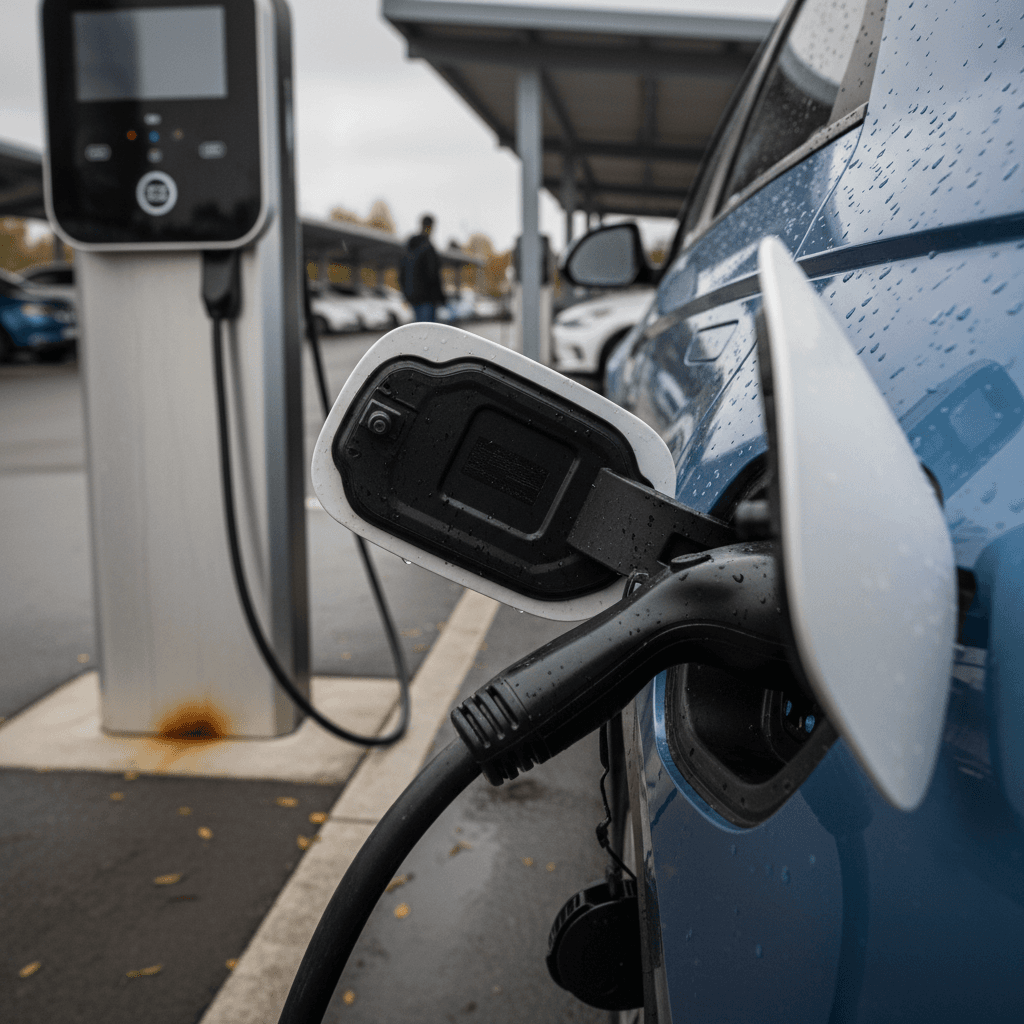
- Stick to Level 2 charging from reputable home or public chargers you trust, and note any odd charging behavior you can share with the dealer.
- Keep an eye on your 12‑volt battery behavior, slow cranking noises when “starting” an EV may be subtle, but they’re a clue.
- Don’t ignore new warning messages, even if the car seems to drive normally afterward.
- If you’ve just had recall work performed and something feels off, circle back to the same service department immediately.
Document everything
Buying a used 2024 Ioniq 5? Checklist for recalls & battery health
On the used market, the 2024 Hyundai Ioniq 5 is a sweet spot: fresher styling and features, but a noticeable price break from new. The recall headlines shouldn’t scare you away, but they do mean you need to shop with your eyes open.
Used 2024 Ioniq 5 buyer’s checklist
1. Pull the full recall history by VIN
Use NHTSA’s lookup, Hyundai’s owner portal, or ask a dealer to print the vehicle’s recall and campaign record. Confirm the ICCU recall and applicable software campaigns show as <strong>completed</strong>, not just “open” or “scheduled.”
2. Ask for service and repair invoices
Look for line items mentioning ICCU replacement, high-voltage fuse replacement, or charging-logic updates. A clean, well-documented repair can actually be a plus for a used Ioniq 5.
3. Verify remaining factory warranty
Most 2024 Ioniq 5s will still be under bumper‑to‑bumper and high‑voltage component warranties. Recalls don’t erase coverage, but heavy repeat repairs might shape how you negotiate price.
4. Get independent battery health data
Range alone doesn’t tell the whole story. At Recharged, every car receives a <strong>Recharged Score</strong> with third‑party battery‑health diagnostics, charging data, and pricing benchmarks so you’re not buying blind.
5. Test-drive with charging in mind
On your test drive, pay attention to warning lights, strange noises during start‑up, or surging/hesitation. If possible, plug into a Level 2 charger during the evaluation to check for odd behavior.
6. Budget time for any remaining recall work
If you do buy a car with open recalls, factor in a dealer visit early in your ownership. It’s free, but you’ll want a backup plan for transportation while the car is in the shop.
Where Recharged helps
How these recalls affect value, warranty, and peace of mind
A recall on its own doesn’t automatically make a car a bad bet. What matters is how the manufacturer responds and whether the fix actually holds. For the 2024 Ioniq 5, the ICCU recall and charging campaigns land in a gray zone: serious enough to take seriously, but not a blanket indictment of every car built on this platform.
Impact on resale value
- Cars with completed recall work and documentation often hold value better than those where the owner never bothered.
- Buyers may use headline‑grabbing recall news to negotiate; having paperwork in hand lets you counter with facts.
- Repeated, unresolved problems tied to the same system can signal a candidate for lemon‑law review in some states, which also shapes resale decisions.
Impact on warranty and coverage
- Safety recalls are separate from your warranty; they must be addressed at no cost, regardless of mileage, within the campaign window.
- If a recall fix fails, dealers typically re‑address it under the same campaign or under warranty if coverage remains.
- Keeping your recall work up to date makes it easier to argue for goodwill support from Hyundai if related issues crop up later.
Recalls vs. reliability
FAQ: 2024 Hyundai Ioniq 5 recalls
Frequently asked questions about 2024 Ioniq 5 recalls
Bottom line: Should 2024 Ioniq 5 recalls scare you away?
The 2024 Hyundai Ioniq 5 sits right in the crosshairs of the ICCU and charging‑logic recalls, and that deserves your attention. But it doesn’t have to be a deal‑breaker. A car that’s had the ICCU recall properly completed, the latest software updates installed, and shows healthy charging behavior can still deliver exactly what drew you to the Ioniq 5 in the first place: distinctive design, strong range, and effortless everyday driving.
If you own a 2024 Ioniq 5 today, your marching orders are simple: run your VIN, book recall work, and pay close attention to charging and warning messages. If you’re shopping used, focus on documentation, real battery‑health data, and test‑drive behavior instead of rumor. And if you’d rather have someone else sweat those details, starting your search with a Recharged vehicle, backed by a Recharged Score report and EV‑savvy support, can make this recall‑heavy landscape a whole lot easier to navigate.