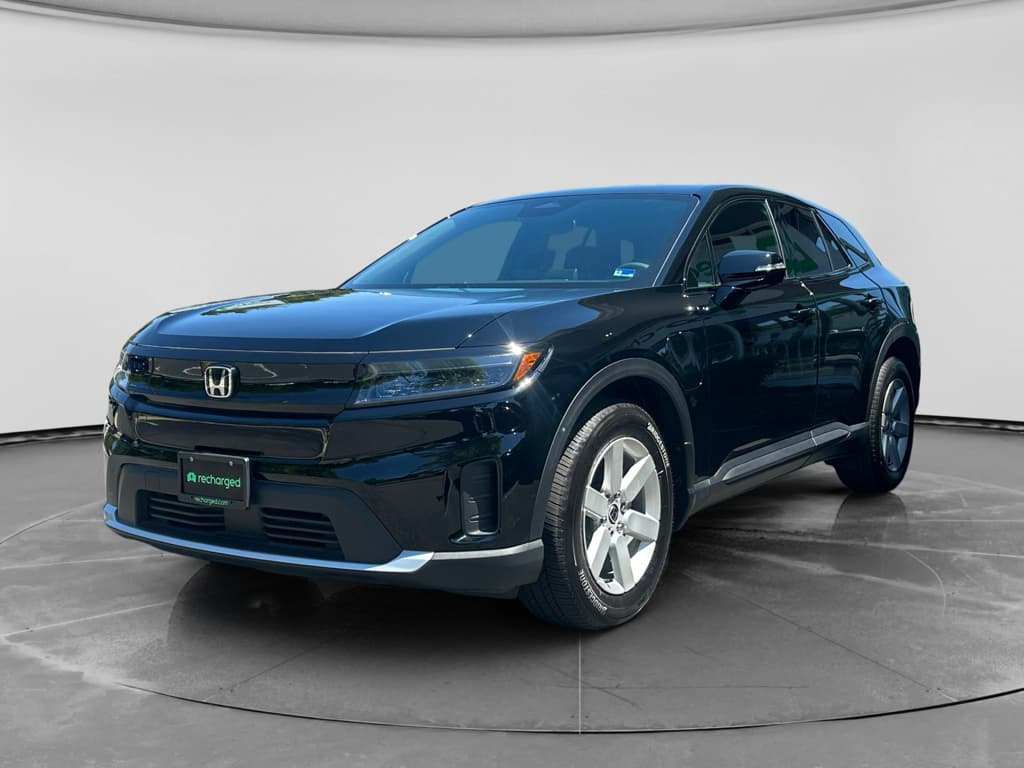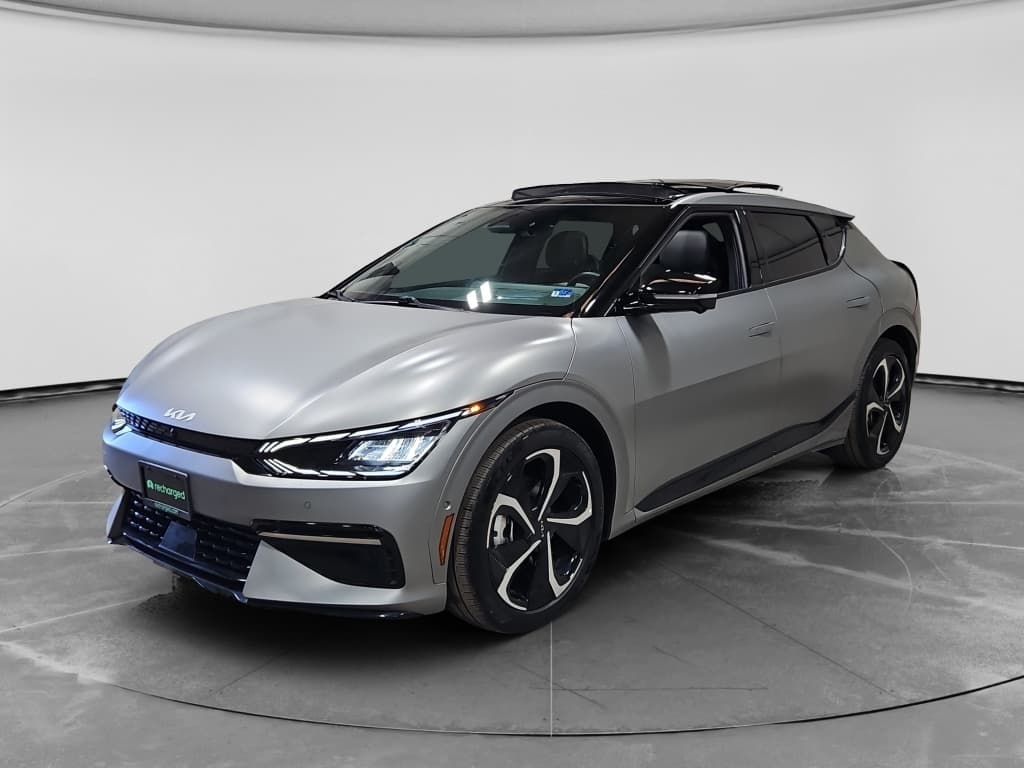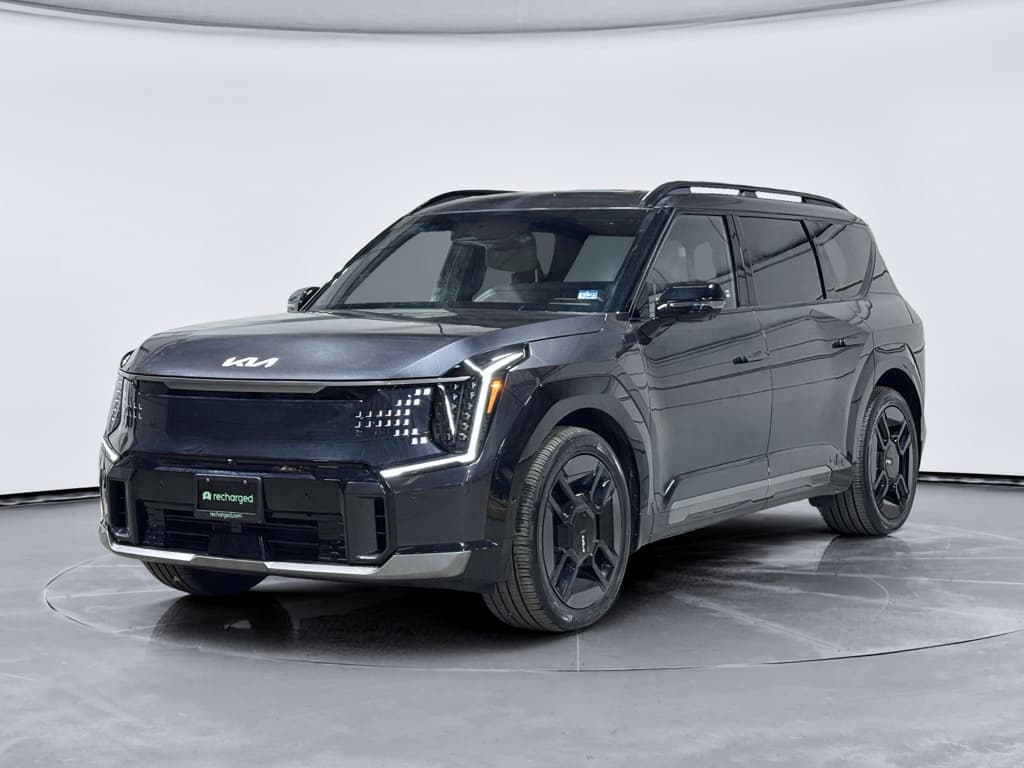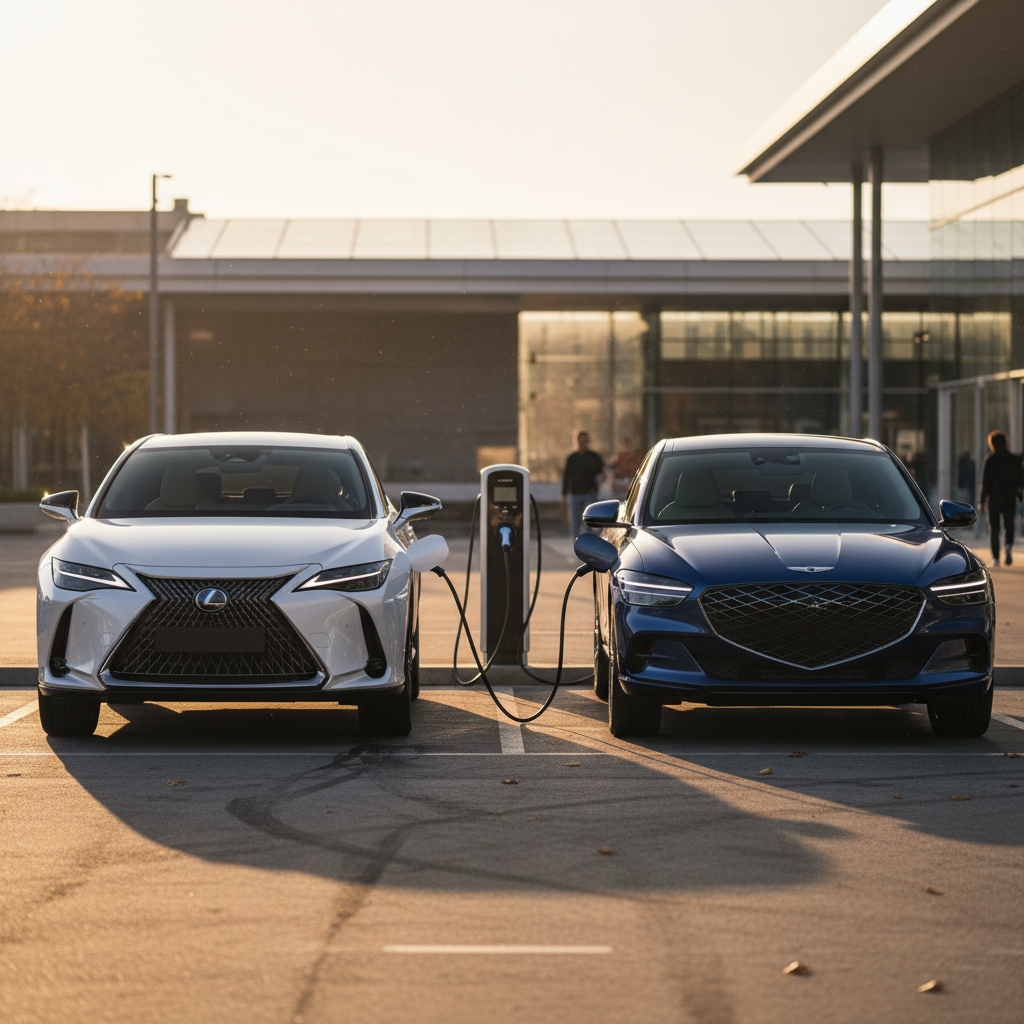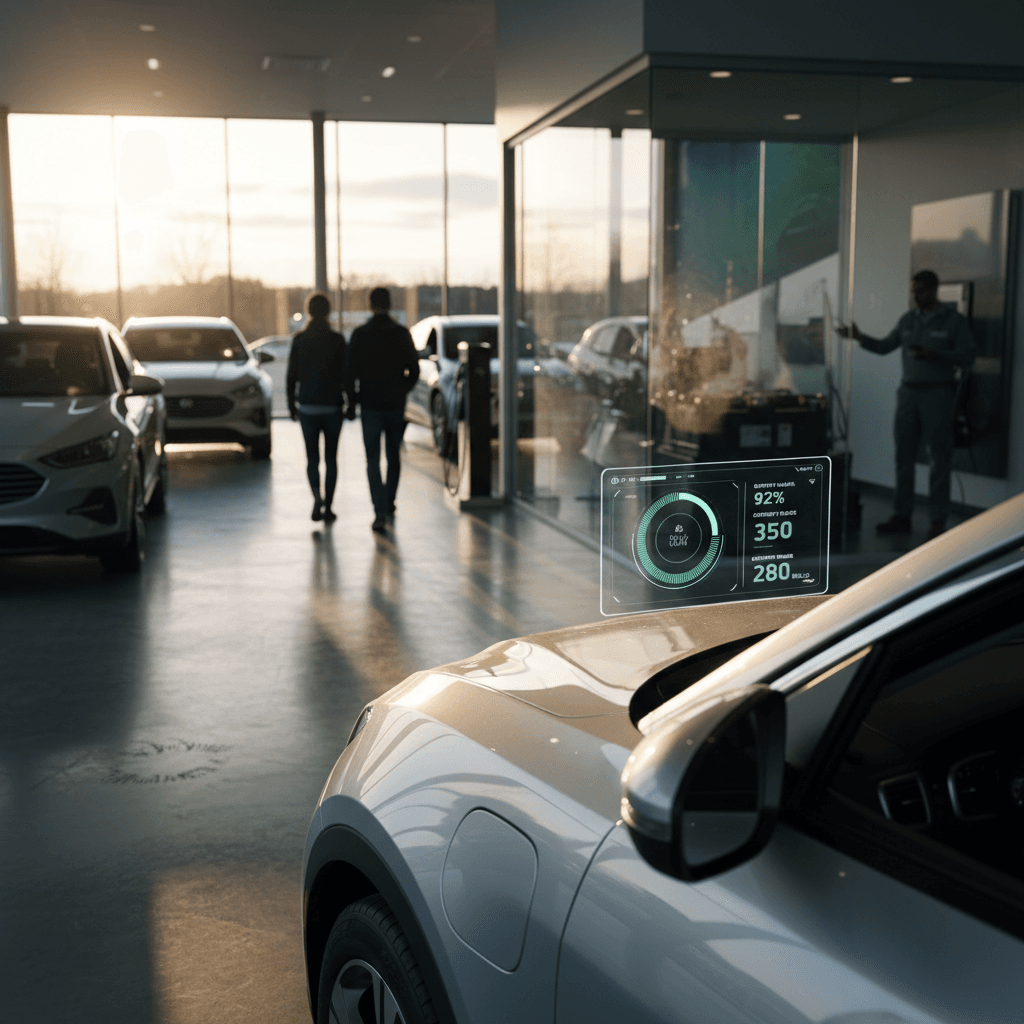
Walk onto an EV dealership lot in 2025 and you’ll see two stories at once. On one side, overall EV growth is slowing and incentives are shifting. On the other, there have never been more electric models, more used EV deals, or more ways to buy without setting foot in a traditional showroom. If you’re wondering how to navigate all of that, this guide is for you.
Quick snapshot of today’s EV lot
Why EV dealerships matter more than ever in 2025
What’s happening on EV lots right now
That tension, more EVs available but a cooler new-car market, is exactly why choosing the right EV dealership matters. The right store (or online platform) can help you: - Separate solid EVs from models with spotty reliability - Decode battery health and expected range, not just odometer miles - Navigate changing incentives and tax rules - Decide whether a new, leased, or used EV makes the most sense for your budget

How an EV dealership actually works
Under the hood, an EV dealership still has the same bones as any car dealer: inventory, salespeople, F&I (finance and insurance), and a service department. What’s changing is the mix of vehicles and the kind of expertise you need as a shopper.
The four parts of an EV dealership
Understanding who does what helps you ask better questions
Sales floor
Finance office
Service & parts
Online store
Tip: Look for EV-specific roles
EV dealerships vs traditional dealers
How EV-centric dealers stand out
- Conversation starts with charging instead of engine size or trim packages.
- They use tools to estimate your daily energy usage and range, not just city/highway MPG.
- Salespeople are trained on software features, over-the-air updates, and driver-assistance tech.
- Service departments are equipped for high-voltage work and EV-specific diagnostics.
What hasn’t changed
- Dealers still juggle inventory, monthly sales targets, and lender programs.
- You’ll still see advertised prices, trade-in offers, and add-ons that require a critical eye.
- Negotiation is alive and well, especially on slower-selling EV models or vehicles that have been on the lot for months.
EV-focused dealer vs traditional dealer experience
Use this to quickly sense whether a store is truly comfortable with EVs.
| Area | Traditional dealer feel | EV-focused dealer feel |
|---|---|---|
| Test-drive talk | Zero-to-60 times and options packages | Charging at home/work, real-world range, apps |
| Paperwork | Generic loan offers and warranties | Includes EV incentives, home charger financing |
| Service | Oil changes, transmission flushes | Tire wear, brake health, software updates |
| Sales tools | Generic brochures | Battery health reports, range calculators |
You don’t need a perfect EV dealership, just one that’s ahead of the curve.
New vs. used EV dealerships
You can buy an EV in three main ways: a new-car franchise dealer (often with both gas and electric models), a used-car dealership that stocks EVs, or a specialized used EV retailer like Recharged that focuses only on electric vehicles.
Where to shop for an EV
Pros and cons of each dealership type
New-car EV dealership
- Access to the latest models, tech, and factory incentives.
- Best for leases and brand-new tax-credit eligible EVs.
- But: Sales staff may split focus between gas and electric.
General used-car dealer
- Good for bargain hunters and older EVs.
- Inventory can be hit-or-miss; staff may know little about batteries.
- Rarely offers detailed EV battery health testing.
Specialist used EV retailer
- Inventory curated to EVs, often with battery reports and EV-trained advisors.
- Great for second owners and shoppers comparing brands.
- Digital-first buying and nationwide delivery are common, Recharged follows this model.
Why many buyers go used first
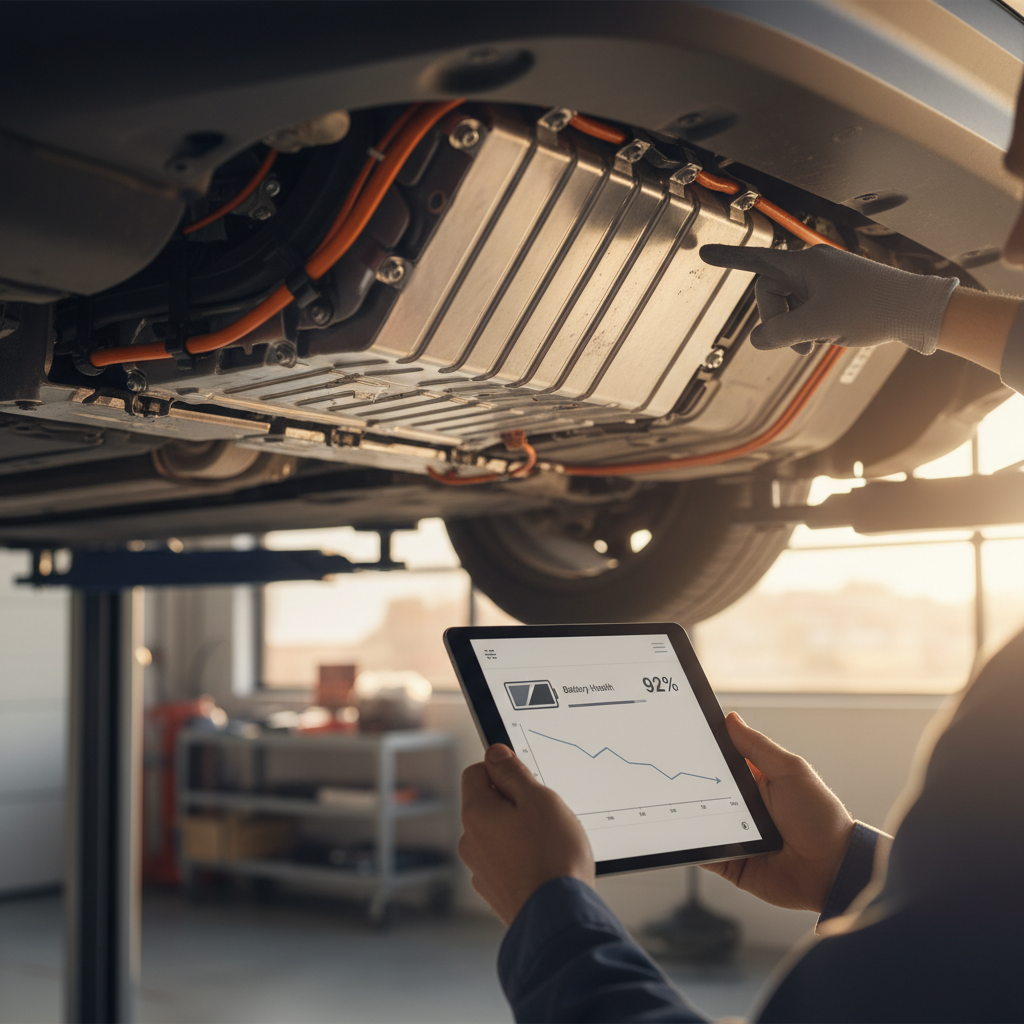
Battery health: the new test-drive
On a gas car lot, you worry about engine noise, oil leaks, and transmission shifts. At an EV dealership, the engine is a big battery pack. How that battery has been used and cared for will determine most of the car’s value and your long-term satisfaction.
Battery scores are becoming standard
Battery questions to ask at any EV dealership
1. Do you provide a battery health report?
Ask for a written or digital report that shows current usable capacity, projected range at different charge levels, and any fault codes. At Recharged, this is summarized in a Recharged Score Report for every vehicle.
2. What’s the estimated usable range today?
Don’t settle for the original EPA number alone. You want the dealer’s tested range under typical mixed driving at 80–90% charge, not a once-in-a-lifetime max.
3. Is the battery still under factory warranty?
Most EVs carry 8-year/100,000-mile battery warranties (or more). Get clarity on the in-service date, mileage cap, and whether the warranty is transferable.
4. How was the car charged previously?
Frequent DC fast charging, hot climates, and sitting at 100% for long periods can accelerate degradation. A good dealer will at least give you a sense of use patterns.
5. Can I see historical charging or range data?
Some cars store long-term energy and range data. While not every dealer can access it, asking the question reveals how deep their EV knowledge goes.
Charging, home setup and real-world range
You shouldn’t leave an EV dealership with a new car and only a fuzzy idea of how you’ll charge it. A good EV store treats home charging, public networks, and road-trip planning as part of the sale, not an afterthought.
The charging talk your dealer should have with you
If they don’t bring this up, you should
Home charging plan
Public network coverage
Range for your routine
Watch for charger upsell games
Pricing, incentives and EV financing
The money side of an EV purchase has gotten more complicated in 2025. Incentives are shifting, some federal credits have expired or tightened, and brands are using aggressive discounts to move metal after the latest tax-credit changes. That’s where the right EV dealership, and the right questions, can save you real money.
What to ask in the finance office
- "Which incentives are baked into this quote?" Ask them to separate manufacturer discounts, dealer discounts, and any remaining federal or state EV incentives.
- "Is a lease or loan cheaper for me over 3–5 years?" EV resale values and rate specials change fast, get a side-by-side comparison.
- "Can I roll a home charger into the financing?" Some lenders allow this, which can help if you’re cash-sensitive.
Why used EV financing often feels easier
- Used price points are lower, so monthly payments are naturally smaller.
- Lenders now have better data on EV reliability and resale, which can mean more competitive rates.
- Specialist used EV retailers like Recharged often offer pre-qualification with no impact to your credit, letting you shop with a real budget in hand.
Tip: Pre-qualify before you walk the lot
How to shop an EV dealership step by step
A simple step-by-step plan for your first EV purchase
1. Define your daily reality
Before you ever step into an EV dealership, list your typical miles per day, parking situation, access to outlets, and any regular long trips. This will keep you from overbuying range or underestimating charging needs.
2. Shortlist 2–3 EVs that fit
Use online reviews and comparison tools to narrow down a few models that match your range, size, and budget. Include at least one used option, often the best value in 2025.
3. Visit (or virtually tour) a specialist first
If possible, start with a dealer or marketplace that focuses on EVs. You’ll get clearer answers on batteries and charging, and you can use that knowledge later at mixed lots.
4. Test-drive with charging in mind
Pay attention to regenerative braking feel, driver-assistance tech, and how the car’s range estimate reacts to your driving style. Ask to see how the car connects to charging apps.
5. Demand a clear out-the-door price
When you’re serious about a car, ask for a written out-the-door quote with every fee, incentive, and add-on itemized. Do the same with any trade-in offer so you can compare apples to apples.
6. Sleep on it, online deals included
EV pricing changes fast, but rarely so fast you can’t take one night to check numbers, read owner forums, and make sure the payment fits your life.
Red flags at an EV dealership
- No one on staff can explain the difference between Level 1, Level 2, and DC fast charging.
- They refuse to provide any written battery health information or range estimate beyond the original window sticker.
- Salespeople brush off your concerns about winter range, apartment charging, or long trips with generic reassurances.
- The finance office bundles expensive EV add-ons (paint protection, nitrogen tires, extended warranties) without explaining what actually matters for electric cars.
- Service advisors admit they rarely work on EVs and can’t tell you where complex battery work would be done.
If you see these, walk away
Why consider a specialist used EV dealership like Recharged
You don’t have to buy from a traditional lot anymore. Digital-first EV retailers are rewriting the script, especially in the used market where value is strongest right now.
How Recharged fits into the EV dealership landscape
For many buyers, it’s the easiest way to become an EV owner
Verified battery health
Fully digital buying experience
EV specialists on your side
Ready to find your next EV?
Browse VehiclesIn-person, if you want it
EV dealership FAQ
Frequently asked questions about EV dealerships
The bottom line: Make the dealership work for you
EV dealerships are in the middle of their own transition. They’re juggling new technology, shifting incentives, and customers who are curious but cautious. You don’t need to become a battery engineer to buy confidently, you just need to know what to ask and where to shop.
Whether you walk into a local franchise, browse a used EV lot, or explore specialist retailers like Recharged, focus on three things: clear battery health information, a realistic charging plan, and financing that reflects today’s incentive reality. Get those right, and the dealership, whatever form it takes, becomes a tool instead of an obstacle on your way to owning an EV.