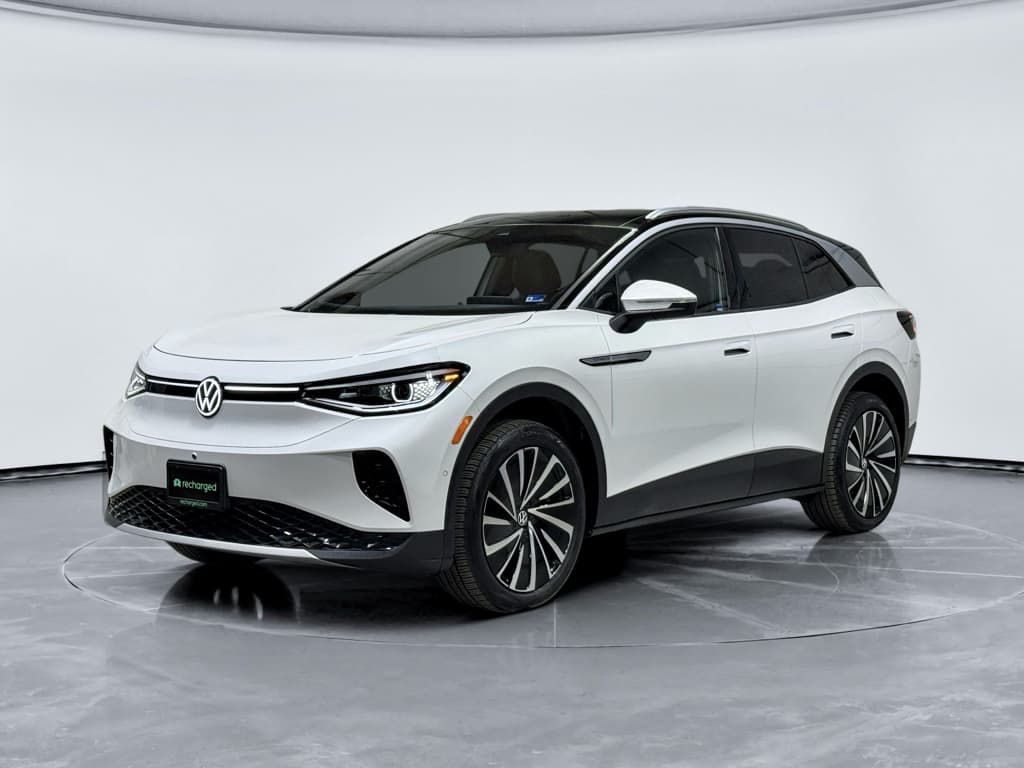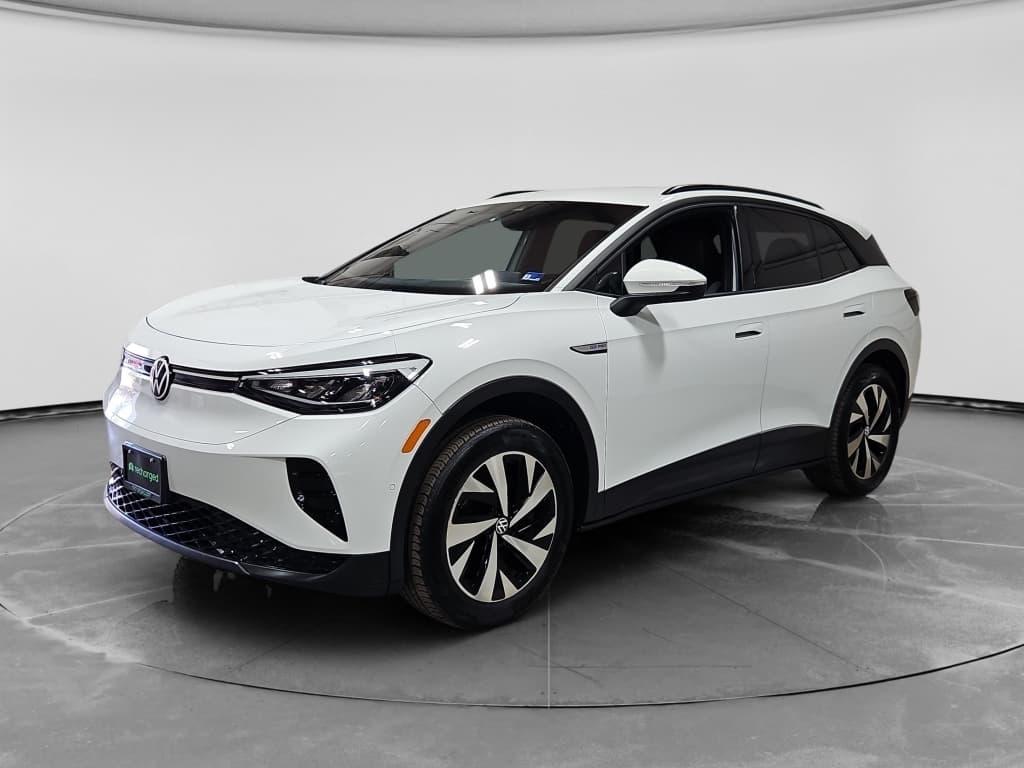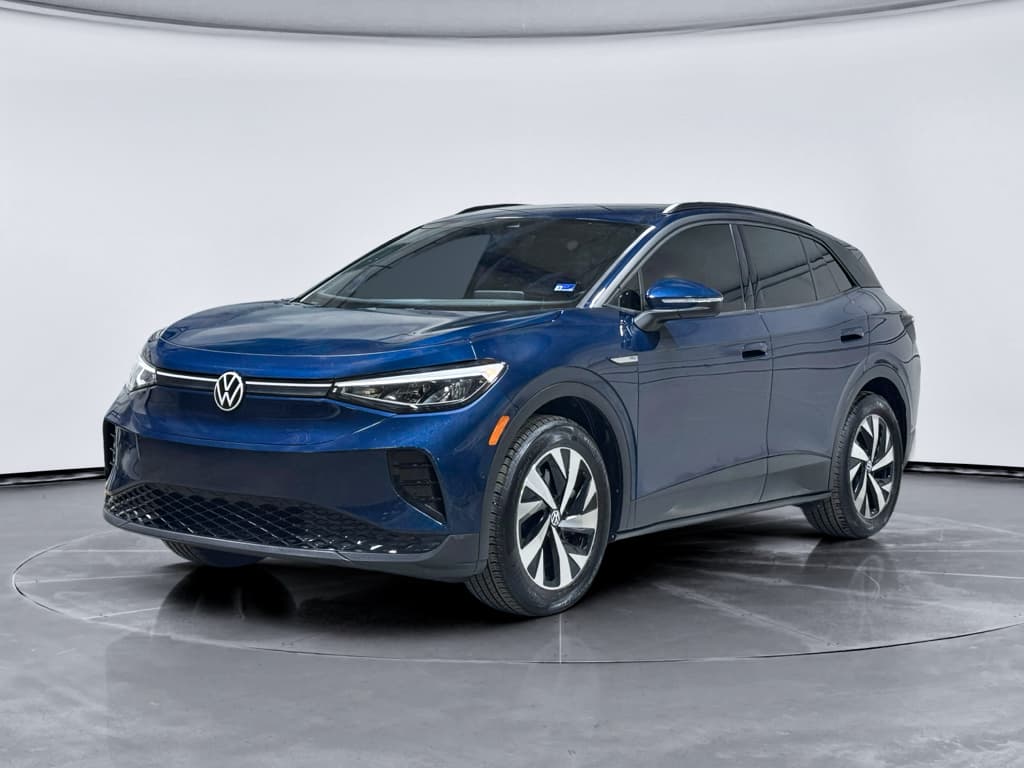
If you’re eyeing a Volkswagen ID.4, especially a used one, you’re probably asking a simple question in a dozen different ways: how long does the ID.4 battery actually last, and what happens as it ages? The short answer: for most drivers, the pack will easily outlast an average ownership cycle, but your charging and driving habits matter.
Quick takeaway
Volkswagen ID.4 battery lifespan at a glance
VW ID.4 battery life by the numbers
VW ID.4 battery basics: packs, range, and warranty
Before you can judge lifespan, you need to know which ID.4 battery you’re dealing with. Over the years, Volkswagen has offered multiple pack sizes and suppliers, but the fundamentals are similar.
- Most U.S. ID.4s use an 82 kWh gross pack (about 77–82 kWh usable, depending on model year and software) with EPA ranges in the 250–291‑mile neighborhood.
- Entry models and some earlier trims carry a smaller 62 kWh gross pack, with shorter range but the same underlying chemistry and thermal management.
- All ID.4 packs are liquid‑cooled lithium‑ion batteries with integrated heating and cooling to protect longevity, especially during DC fast charging.
- In the U.S., Volkswagen backs the high‑voltage battery with an 8‑year/100,000‑mile warranty against dropping below 70% capacity.
Check your specific warranty
How long will a Volkswagen ID.4 battery really last?
Volkswagen’s warranty is the conservative floor, not the ceiling. The company is effectively promising that your battery will still hold at least 70% of its original capacity at eight years or 100,000 miles. In practice, most packs that are treated decently are doing much better than that.
What VW designs for
- Thermal management to keep cells in a comfortable temperature zone under load and while charging.
- Charge curves that taper power as the pack nears full to reduce stress.
- Software limits that keep a buffer at the top and bottom of the pack, so “0%–100%” on the dash is not truly 0–100% in the cells.
What that means for you
- A realistic expectation that the pack can easily go 12–15 years in normal use before range shrinkage feels severe.
- Daily range that’s still very usable, even after 200,000 miles, for most commuting and family‑car duty.
- If you sell the car at 6–8 years old, the next owner should still have plenty of life left, especially if the battery has been cared for well.
Real‑world data from the related VW ID.3, using the same 77 kWh‑class pack family, shows an example car with roughly 91% capacity remaining after four years and about 107,000 miles. That’s comfortably better than the warranty promise and gives a strong hint at what ID.4 drivers can expect under similar conditions.
Real-world ID.4 battery degradation so far
Battery degradation is a slow creep, not a cliff. For ID.4 owners who charge mostly at home, avoid abuse, and drive mixed city/highway miles, the pattern we’re seeing so far looks like this:
Typical Volkswagen ID.4 battery degradation trajectory (ballpark)
High‑level view of how an ID.4 battery may age under "normal" mixed use. Real results vary by climate and habits.
| Vehicle age / miles | Likely remaining capacity* | What it feels like day to day |
|---|---|---|
| Year 1–2 / up to ~25,000 mi | ~95–98% | Range looks almost identical to new; any loss is hard to notice. |
| Year 3–4 / ~25,000–60,000 mi | ~90–95% | You might lose a "bar" or see 10–20 miles less at 100%, but daily use is unchanged. |
| Year 5–8 / ~60,000–120,000 mi | ~80–90% | Road trips need slightly more planning; still plenty of range for commuting and errands. |
| Beyond 8 yrs / 120,000+ mi | ~70–85% | You start working around range more actively, especially in winter or on the highway. |
Think of these as guideposts, not guarantees, your ID.4’s numbers will depend on how and where you drive and charge.
These are estimates, not promises
What actually shortens, or extends, ID.4 battery life
Key factors that affect Volkswagen ID.4 battery lifespan
You have more control than you might think.
Extreme heat
High temperatures are enemy number one for lithium‑ion batteries. An ID.4 parked in direct sun in 110°F heat with a full battery is under far more stress than the same car in a cool garage.
Frequent DC fast charging
Fast charging generates more heat and cycles the battery more deeply. Occasional road‑trip use is fine; living on DC fast charging can shave years off the pack if combined with high temps.
Living at 0% or 100%
Spending lots of time near empty or full state of charge is rough on cells. The healthiest window is generally around 20–80%.
Driving style
Hard launches and high sustained highway speeds don’t just use more energy, they also raise battery temperature, especially in heat waves.
Cold climate
Cold doesn’t usually shorten battery lifespan; it just temporarily reduces range. But rapid fast charging on a stone‑cold pack isn’t ideal.
Maintenance & software
Keeping your ID.4 up to date on software, and addressing battery‑related recalls promptly, helps the car manage the pack correctly over time.
Daily charging habits to maximize ID.4 battery lifespan
Your charging routine is the single biggest lever you control. The ID.4’s software gives you the tools to treat the battery kindly, you just have to use them.
Everyday habits that help your ID.4 battery last longer
1. Use 70–80% as your daily target
Set your charge limit to around <strong>70–80%</strong> for everyday driving. That keeps you in a low‑stress window while still leaving plenty of range for commuting and errands.
2. Save 100% charges for trips
There’s nothing wrong with charging to 100% occasionally before a road trip, just avoid letting the car <strong>sit full for hours or days</strong>. Time at 100% is harder on the pack than simply reaching 100% and driving.
3. Prefer Level 2 at home
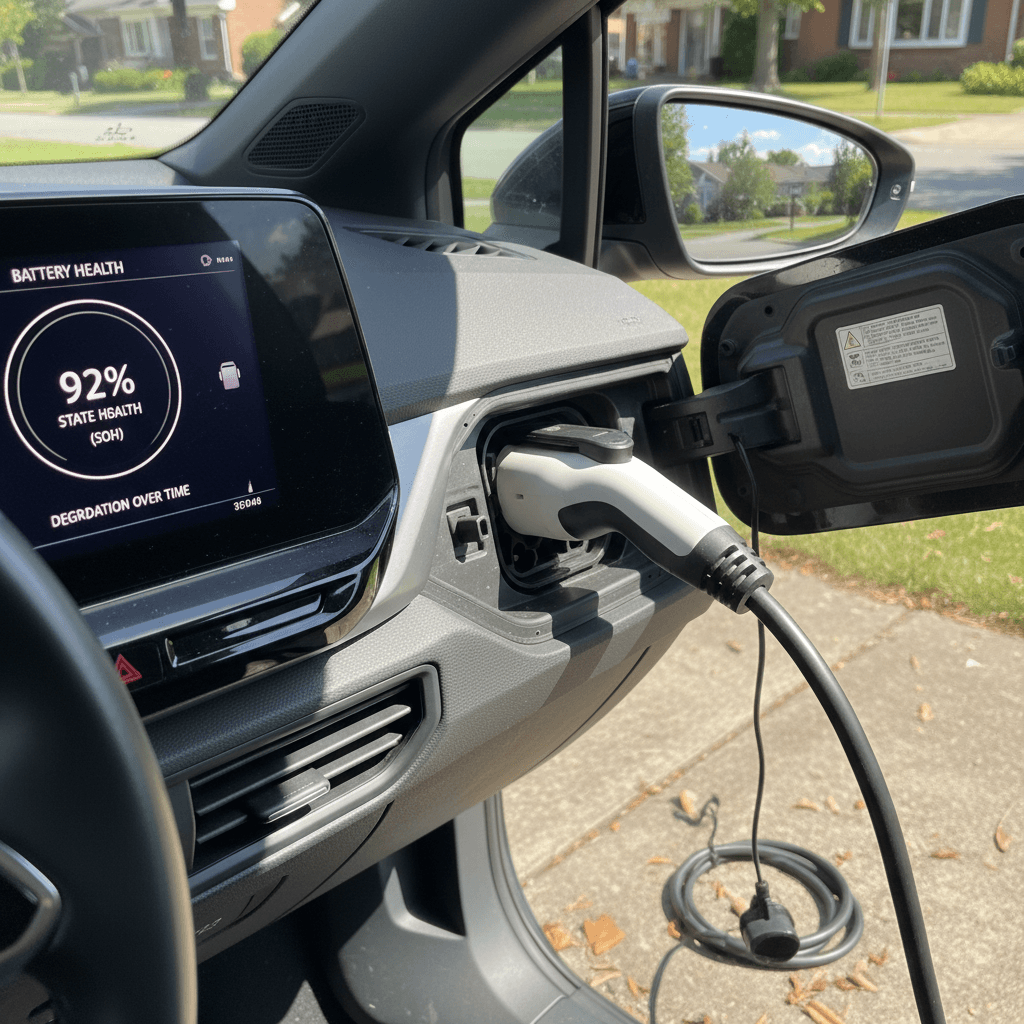
A 240V Level 2 charger in your garage or driveway is your battery’s best friend. It’s gentler than DC fast charging and lets you <strong>top up overnight</strong> without rushing.
4. Treat DC fast charging as a tool, not a lifestyle
DC fast charging is great for road trips or emergency top‑ups. But relying on it daily, especially in hot weather, will age the battery faster than mostly home charging.
5. Avoid baking a full battery in the sun
On scorching days, try not to leave the car at high state of charge in a hot parking lot. If your schedule allows, charge more slowly and time completion closer to departure.
6. Keep an eye on software updates
Battery‑management tweaks often arrive via software. Stay current so your ID.4 can <strong>optimize charging curves and thermal management</strong> as Volkswagen refines them.
Home charging pays off twice
ID.4 battery lifespan in cold and hot climates
Climate is a huge part of the lifespan story, and it’s one most shoppers fret about, especially if you live somewhere with brutal summers or long winters.
Living with an ID.4 in the heat
- In places like Phoenix, Las Vegas, or inland Southern California, ambient temps regularly soar above 100°F.
- The ID.4’s liquid cooling can only do so much if the car sits fully charged on hot pavement for hours.
- To help the pack live a long life, focus on shaded parking, home charging, and avoiding long periods at high state of charge during heat waves.
Living with an ID.4 in the cold
- Cold climates mostly reduce range temporarily, not lifespan, it’s like your phone in winter: sluggish, not dying.
- Use preconditioning while plugged in so the pack and cabin are warmed before you hit the road.
- Fast charging a bone‑cold pack is harder work, so expect slower speeds until everything warms up.
Winter range vs. battery health
Battery warranty: what Volkswagen covers (and what it doesn’t)
Volkswagen’s high‑voltage battery warranty is your safety net, but it’s important to understand what’s behind the fine print so you’re not disappointed later.
- In the U.S., most ID.4s get an 8‑year/100,000‑mile high‑voltage battery warranty measured from the original in‑service date.
- The crucial clause: VW typically guarantees that the battery will retain at least 70% of its original capacity under normal use during that period.
- If an authorized dealer verifies that your battery has fallen below that threshold within the time/mileage window, it should be repaired or replaced under warranty.
- Abuse, neglect, or non‑approved modifications can jeopardize coverage, so stick to VW’s charging recommendations and keep up with recalls and service campaigns.
Capacity loss vs. range anxiety
Will you need a battery replacement, and what does it cost?
For most ID.4 owners, a full battery replacement is an edge case, not a foregone conclusion. These packs are built to last the mechanical life of the car, and many will be retired for other reasons, accidents, interior wear, outdated tech, long before the battery becomes unlivable.
When does an ID.4 battery replacement actually happen?
Three common scenarios, and how likely they are.
1. Early warranty failure
Rare, but it happens. A defective module, a serious thermal issue, or out‑of‑spec degradation can trigger a warranty replacement or repair in the first 8 years/100k miles.
2. High‑mileage workhorse
A rideshare or delivery ID.4 that racks up 200,000+ miles in hot conditions and lives on DC fast charging might see range shrink to the point where a new pack makes sense.
3. Second life & salvage
After a crash, a healthy used pack may be installed in another car or repurposed for stationary storage rather than scrapped. That’s more about recycling than failure.
Out of warranty, a full pack replacement is still expensive. Depending on labor and local parts pricing, you’re generally looking at a five‑figure repair. That’s why shoppers considering a used ID.4 care so much about starting with a strong pack, and why tools that measure battery health beat guessing.
Used Volkswagen ID.4? How to judge battery health
If you’re shopping used, battery lifespan isn’t theoretical, it’s money. You’re essentially buying the remaining capacity in that pack. A car with 90% health is a very different proposition from one at 72%.
Smart steps when evaluating a used Volkswagen ID.4
1. Look at age, miles, and climate history
A three‑year‑old ID.4 with 30,000 miles from a mild‑climate state is usually a lower‑risk bet than a similar‑age car with 90,000 miles that lived in desert heat.
2. Ask about fast‑charging habits
Cars that relied on DC fast charging daily, especially in hot regions, may have more degradation. An owner who mostly charged at home on Level 2 likely has a healthier pack.
3. Review service and recall history
Verify that all battery‑related recalls and software updates have been performed. Skipped updates can hurt both performance and longevity.
4. Use a structured battery health check
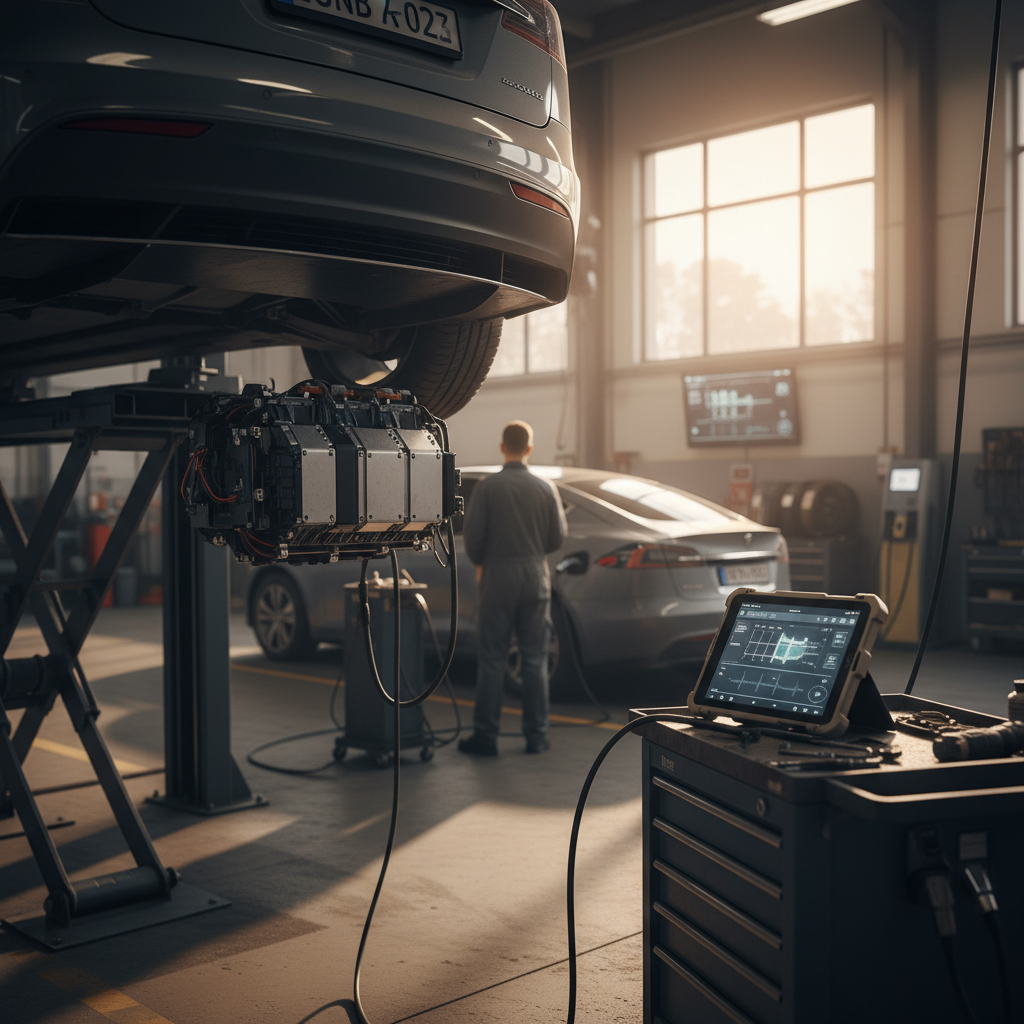
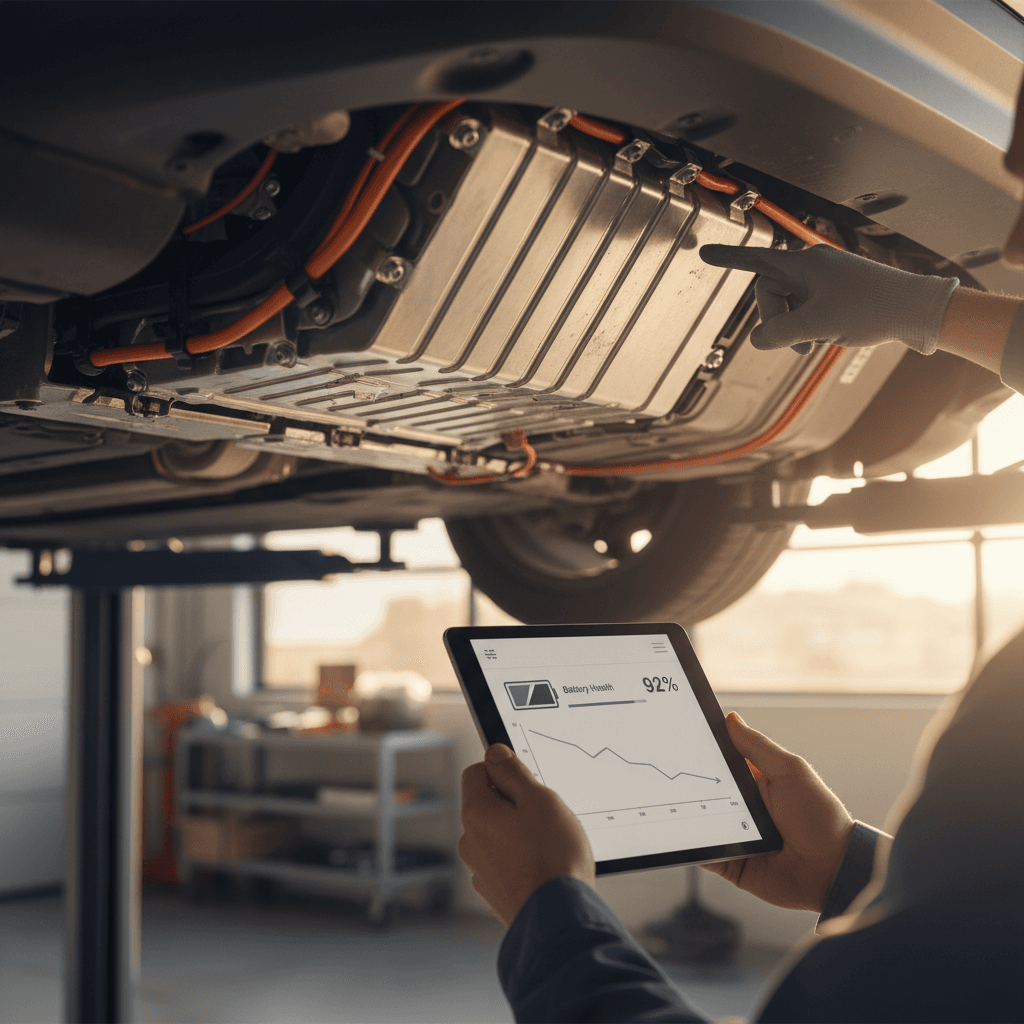
A proper <strong>Volkswagen ID.4 battery health check</strong> uses repeatable charging and range tests instead of just trusting the guess‑o‑meter. At Recharged, every ID.4 gets a <strong>Recharged Score Report</strong> that includes verified battery health so you’re not buying blind.
5. Test‑drive with an eye on range
Start with a known state of charge, drive a familiar loop, and compare miles driven to percentage used. It’s not lab‑grade science, but big discrepancies can flag problems.
6. Compare price to battery health
A cheaper ID.4 with a tired battery can cost you more in the long run than a fairly‑priced car with documented, healthy capacity, especially if you plan to keep it.
How Recharged helps on used ID.4s
Ready to find your next EV?
Browse VehiclesFAQ: Volkswagen ID.4 battery lifespan & care
Common questions about Volkswagen ID.4 battery life
Bottom line: how long a Volkswagen ID.4 battery lasts
If you strip away the anxiety and look at the engineering, the Volkswagen ID.4 battery is built for the long haul. Treated reasonably, home Level 2 charging, charge limits around 70–80%, avoiding long stints at 100% in brutal heat, most packs should sail through VW’s 8‑year/100,000‑mile warranty window with capacity to spare and remain useful for many years beyond that.
For current owners, that means you can relax, build a smart charging routine, and enjoy the quiet torque. For shoppers, especially in the used market, it means the real trick isn’t finding an ID.4 with a "perfect" battery; it’s finding one whose real health matches the story on the odometer and window sticker. That’s exactly why Recharged pairs every used ID.4 with a Recharged Score Report and EV‑savvy support from first click to driveway delivery.