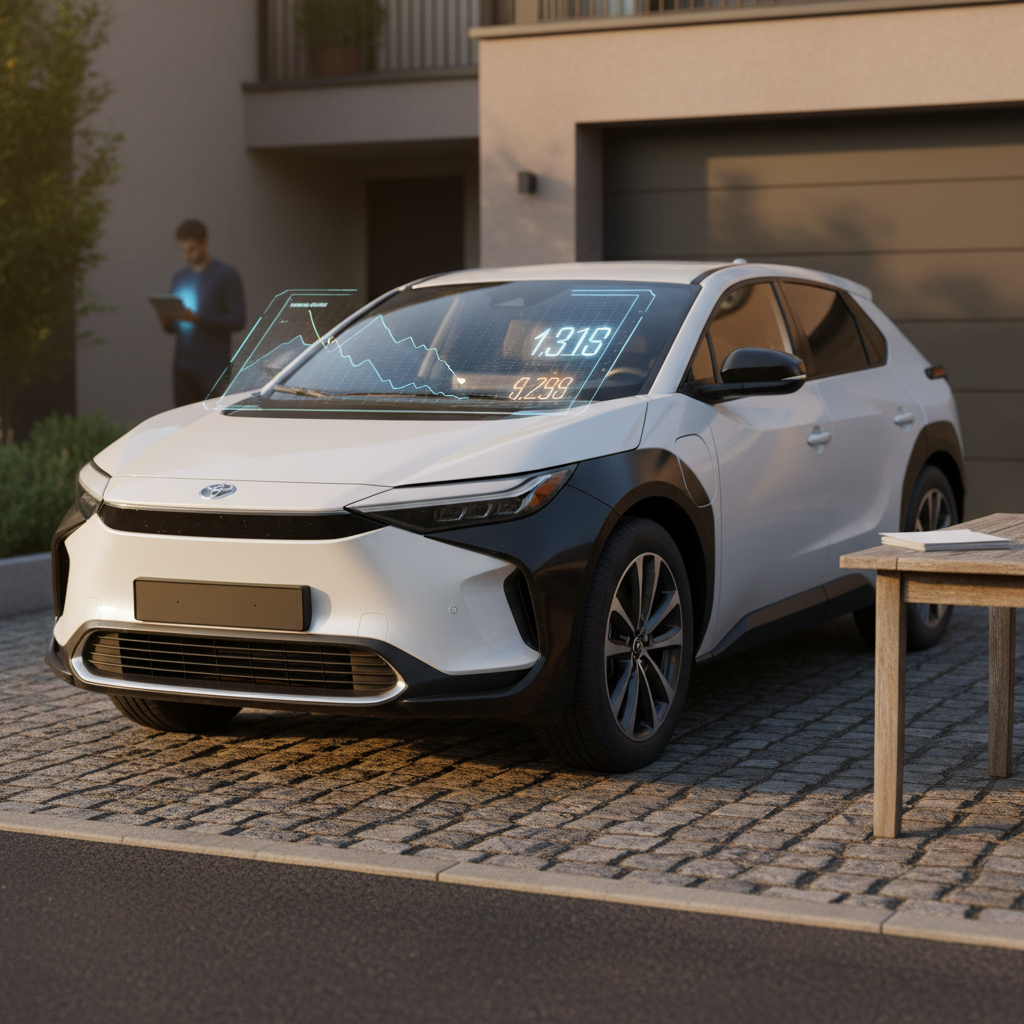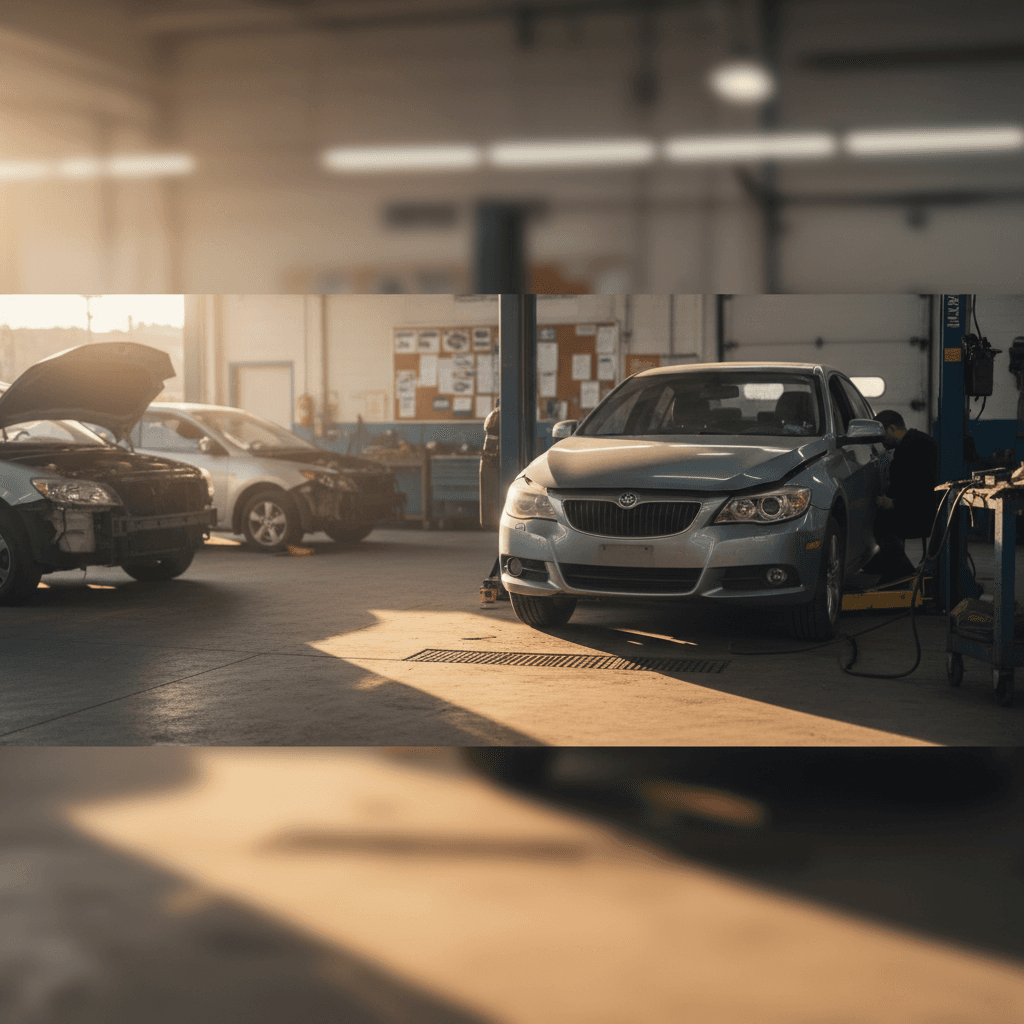
You’ve probably heard that when an electric vehicle gets into a crash, it’s a wallet-killer. There’s truth to that: today, EV collision repair costs are still meaningfully higher than for gas cars. But the gap is shrinking, and the full story is more nuanced, especially if you’re deciding between a new or used EV and a gas car.
Key takeaway in one line
Why EV collision repair often costs more than gas
At a high level, EVs don’t get into more fender-benders than gas cars. The difference shows up after the crash, when the car lands at a body shop. Modern EVs pack expensive battery packs, thick high-voltage cabling, and layers of sensors behind bumpers, grilles, and glass. That complexity pushes collision claims higher, even for damage that looks minor from the outside.
EV vs gas collision repair by the numbers
It’s worth noting that newer gas cars have also gotten pricey to fix thanks to the same sensor-laden bumpers and windshields. When you compare an EV to an older, simpler gas sedan, the gap looks big. When you compare an EV to a brand‑new luxury SUV with every safety gadget imaginable, the costs start to look more similar.
How much more do EV collision repairs cost than gas cars?
Different studies slice the data slightly differently, but they all point in the same direction: EVs cost more to repair after a crash, though the premium has started to shrink as repair networks mature.
- In 2023–2024, data from major collision platforms showed average EV repairable claims around $6,000, versus roughly $4,700–$4,800 for gas cars, a difference of about 25–30%.
- A 2024 report focused on Q2 claims put the U.S. average EV repair cost at about $5,750, compared with roughly $4,800 for ICE vehicles, about 20% higher for EVs.
- A broader 2025 analysis of millions of repairs found average EV repair costs around $5,200 versus about $4,100 for gas vehicles, roughly a 27% premium for EVs, down from much higher differences just a few years earlier.
The gap is shrinking
5 reasons EV collision repair bills are higher
What’s actually driving EV collision costs?
It’s not just the battery pack.
1. Battery pack safety protocols
2. More mechanical labor hours
3. Sensor-heavy bumpers and glass
4. OEM parts vs aftermarket
5. Shop investment in EV equipment
Bonus: Learning curve costs
Not all EVs are equal
Repair time, parts delays, and EV-ready body shops
For most drivers, the pain of a crash isn’t just the bill, it’s the downtime. Historically, EVs have taken longer to turn around in collision shops than gas cars, but that’s slowly improving.
Average collision repair time: EV vs gas
Typical keys‑to‑keys cycle times from recent U.S. insurer and body‑shop data.
| Vehicle type | Typical keys‑to‑keys time | What slows things down |
|---|---|---|
| Gas (ICE) | ~16–17 days | Parts delays, ADAS calibration, paint and structural work |
| Battery EV | ~19–20 days | All of the above + high‑voltage safety checks and fewer EV‑certified shops |
Actual times vary widely by region, severity, and brand, but EVs still tend to sit in the shop longer than gas cars.
The extra few days often come from waiting on OEM‑only parts and scheduling time with a technician who’s certified to work around high voltage. In some markets, there may be just a handful of body shops that can touch certain EV brands, which creates bottlenecks.
Battery damage, structural safety, and total losses
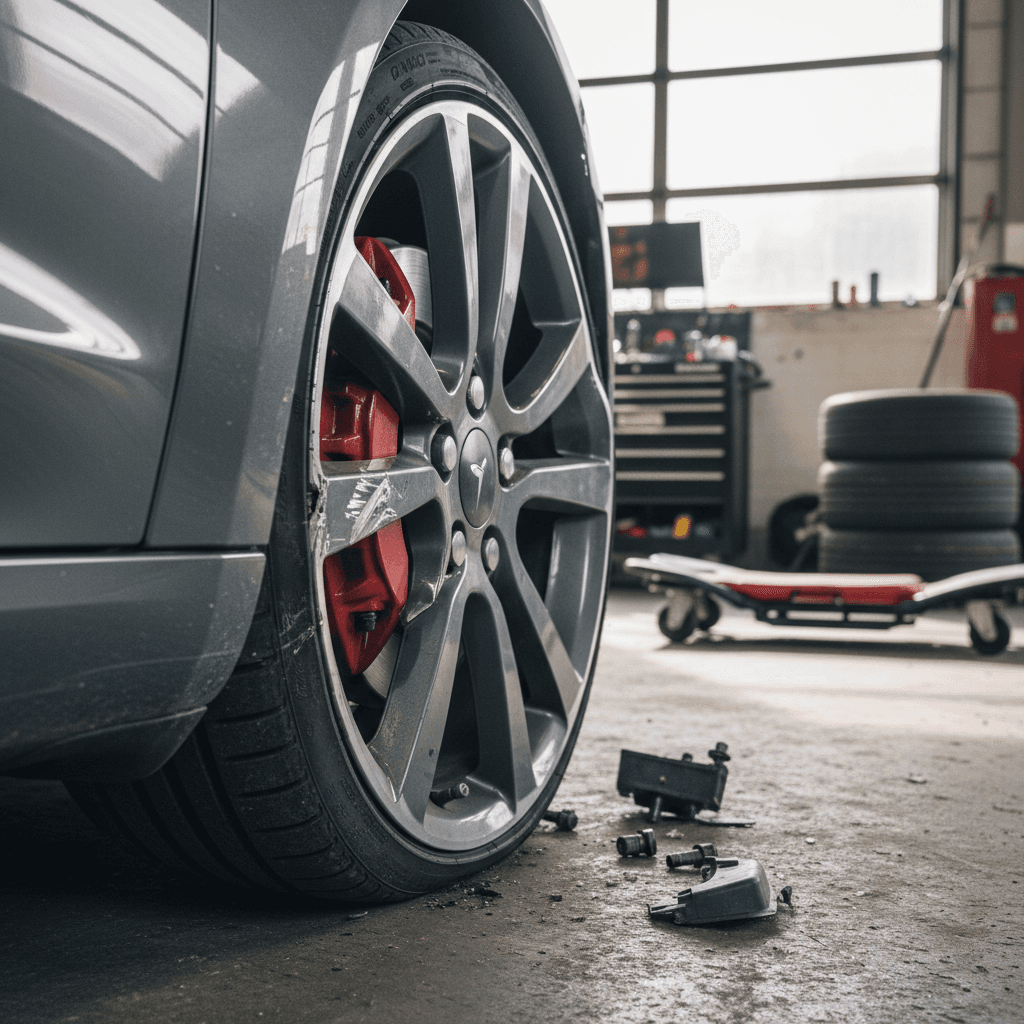
Early in the EV era, insurers treated almost any moderate collision as if the battery pack might be a total loss waiting to happen. That caution led to some eye‑watering totals for damage that didn’t look catastrophic from the outside. The latest data paints a more balanced picture.
- In a 2025 analysis of millions of EV repairs, only about 8% of collisions involved actual battery damage, far below the 20–30% rates many insurers had assumed.
- Average EV total‑loss rates now sit very close to newer gas cars, around 9–10% of collision claims.
- When the pack is physically damaged or its mounting structure is compromised, the cost of a new battery (often $5,000–$20,000+) plus labor can quickly push the car past the point where repair makes financial sense.
Why shops won’t gamble on a damaged pack
The good news is that both automakers and independent specialists are getting better at repairing or segment‑replacing packs instead of swapping the whole thing. As those techniques mature, they should further narrow the cost gap between EV and gas collision repairs.
How EV collision costs affect insurance vs gas cars
Higher repair bills and longer cycle times show up directly in your insurance premiums. That’s why drivers shopping EVs often notice quotes that are higher than for a comparable gas car, even when crash‑test ratings are excellent.
Why EV insurance has been higher
- Repair cost premium: With EV collision repairs roughly 20–30% more expensive on average, insurers price in that extra risk.
- Higher vehicle values: New EVs have generally carried higher sticker prices than gas models, which lifts comprehensive and collision premiums.
- Parts & labor constraints: Fewer EV‑certified shops and more OEM‑only parts raise the cost of each claim.
- Uncertain early data: In the early 2020s, limited real‑world information made insurers cautious, so they erred on the side of higher rates.
What’s changing in 2025–2026
- Better crash data: Large‑scale repair analyses show EVs aren’t as fragile, or as likely to suffer battery damage, as once feared.
- Maturing repair networks: Thousands more EV‑certified body shops and standardized procedures are trimming labor hours and rework.
- Narrowing cost gap: As average EV repair costs come down from early peaks, some insurers are re‑rating EVs more aggressively.
- More competition: As more carriers chase EV drivers, quote shopping matters more than ever.
Tip for EV shoppers
Used EVs: what an accident does to value and ownership costs
If you’re shopping the used market, collision costs and accident history matter even more. A crash doesn’t just create one big bill, it can echo through resale value, insurability, and long‑term peace of mind.
How a prior collision hits a used EV differently than a gas car
The stakes are higher when there’s a battery pack in the floor.
Diminished value and buyer skepticism
Battery and high-voltage health
Total-loss thresholds
The value of independent diagnostics
How Recharged helps on the used side
8 ways to control EV collision and insurance costs
Practical steps before, and after, you buy an EV
1. Choose the right EV segment
Insurance and repair costs tend to be lower for <strong>mainstream models with high production volume</strong> than for rare, six‑figure performance EVs. A well‑equipped compact crossover will almost always be cheaper to insure than a low‑volume electric luxury flagship.
2. Look for strong parts and service networks
Before you buy, check how many <strong>brand‑certified EV body shops</strong> are within a reasonable radius of your home. More nearby options usually mean lower labor rates and shorter wait times after a crash.
3. Compare insurance quotes by VIN
Don’t rely on generic estimates. Get binding quotes for <strong>the exact EV and a comparable gas car</strong> you’re cross‑shopping. Use the same coverage levels and deductibles so you’re comparing apples to apples.
4. Consider higher deductibles with savings earmarked
If your budget allows, choosing a slightly higher collision deductible can reduce monthly premiums. Just make sure you <strong>keep the difference in a savings buffer</strong> so the out‑of‑pocket hit doesn’t sting if you do have a crash.
5. Prioritize safety and ADAS features you’ll actually use
Modern driver‑assistance tech can help you avoid crashes, but it’s also expensive to fix. Pick the features you’ll réellement use (like automatic emergency braking), learn how they work, and <strong>keep them calibrated and clean</strong>.
6. Take advantage of usage-based programs
Many insurers now offer telematics plans that reward <strong>smooth braking, lower mileage, and gentle acceleration</strong>, all things EVs excel at. Those discounts can offset some of the repair‑cost premium.
7. For used EVs, demand documentation
If a car has accident history, ask for <strong>body‑shop invoices, alignment reports, and any battery or high‑voltage inspection records</strong>. With Recharged, much of this diligence is done for you and summarized in the Recharged Score Report.
8. Plan for depreciation and total-loss scenarios
Because EV values can move faster than gas cars, talk with your insurer about options like <strong>gap coverage or new‑car replacement coverage</strong> on newer vehicles. That way, a serious crash isn’t a double financial hit.
EV vs gas collision repair: cost and time comparison
Typical EV vs gas collision repair profile
Approximate averages from recent U.S. data. Individual vehicles and crashes will vary.
| Metric | Mainstream gas car | Battery EV |
|---|---|---|
| Average repairable collision claim | ≈ $4,700–$4,800 | ≈ $5,700–$6,000 |
| Typical EV premium vs gas | , | ~20–30% higher |
| Keys‑to‑keys repair time | ~16–17 days | ~19–20 days |
| Share of OEM vs aftermarket parts | ~65% OEM | ~85–90% OEM |
| Battery involved in collision | Not applicable | ≈ 8% of crashes |
| Total‑loss frequency (newer vehicles) | ≈ 9–10% | ≈ 9–10% |
Numbers are rounded and meant for directional comparison, not as repair quotes for a specific vehicle.
FAQ: EV collision repair cost vs gas car
Frequently asked questions
Bottom line: are EV collision costs a deal-breaker?
EVs do cost more to repair when things go wrong, no way around that. On average, you’re looking at roughly a 20–30% premium in collision repair costs compared with a similar gas car, plus a bit more time in the shop. But that’s only one chapter in the ownership story. Lower fuel and maintenance costs, strong crash protection, and rapidly improving repair practices are steadily chipping away at the early‑EV horror stories.
If you understand how EV collision repair differs from gas cars, shop your insurance carefully, and insist on transparent battery and repair documentation, especially in the used market, those higher repair bills don’t have to be a deal‑breaker. And if you’re considering a used EV, buying through a platform like Recharged that bakes battery diagnostics and expert inspection into every purchase can turn a nerve‑wracking unknown into a clear, confident decision.