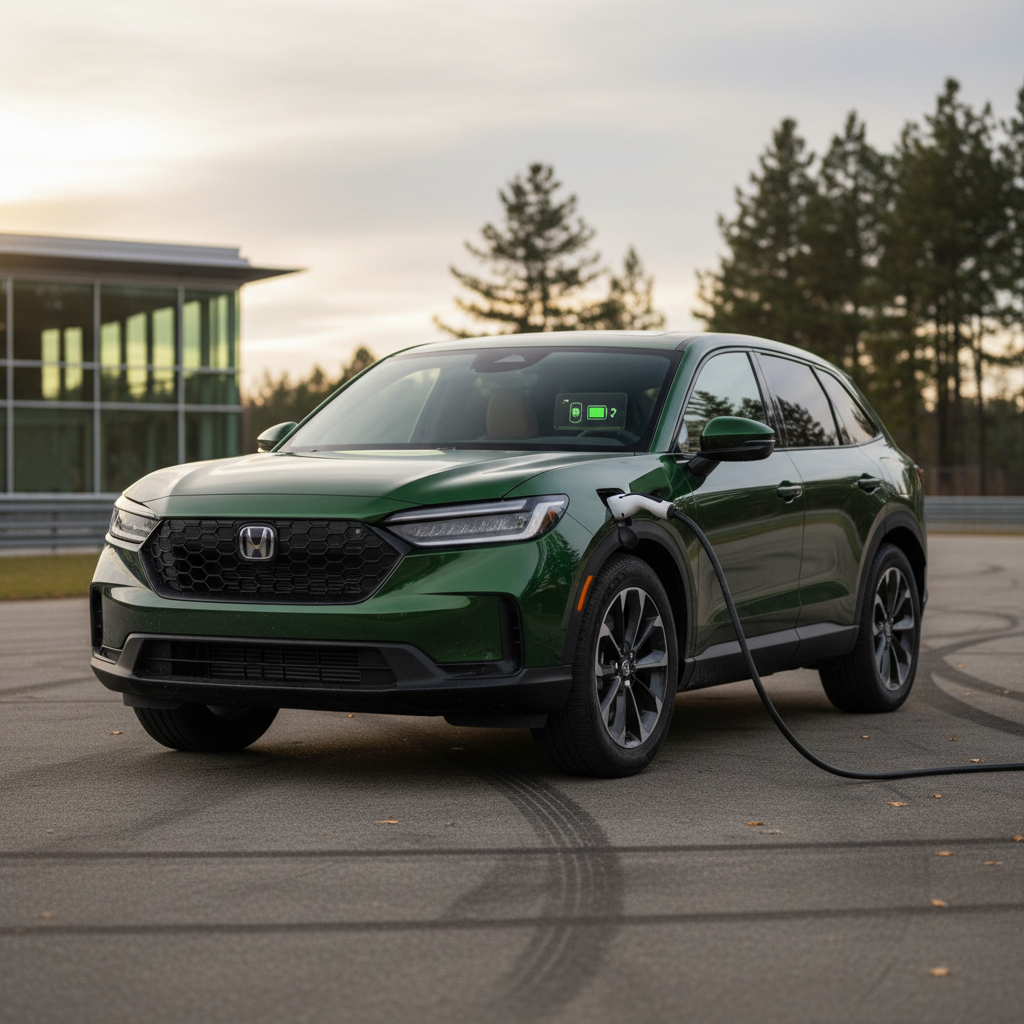
You’re watching the charger tick along happily and then, right around 75–80%, the numbers fall off a cliff. Suddenly your EV charging time after 80 percent looks painfully slow, and the app says another 25–40 minutes just to grab that last slice of charge. If that feels broken or wasteful, it isn’t. It’s your car protecting its battery, and it changes how you should plan charging stops.
The short answer
Why EV charging slows after 80 percent
Almost every EV today is powered by a lithium‑ion battery pack, and those batteries don’t like being stuffed to the brim at high speed. To keep things safe and extend battery life, your car follows a charging curve rather than charging at full blast all the way to 100%.
What actually happens after 80%?
Four things your EV does as it nears a full charge
1. From full blast to gentle pour
From low state of charge up to roughly 50–70%, your EV uses a constant current (CC) phase: it accepts as much power as the charger and battery allow.
As you pass 70–80%, the system shifts into constant voltage (CV) mode. Voltage is held steady, and the current (kW) tapers down, sometimes to a quarter or less of the peak rate.
2. Heat management kicks in
Fast charging generates heat. Near full, the cells are more sensitive to temperature. The battery management system (BMS) reduces charging power to avoid overheating, which would accelerate degradation.
3. Cell balancing takes over
Individual cells charge at slightly different rates. In the final 10–20%, your EV spends more time balancing cells so they all reach a similar voltage. That balancing is slower by design.
4. Over‑voltage protection
As cells approach their maximum safe voltage, even a tiny over‑charge can cause long‑term damage. The BMS slows the charge to stay inside a narrow safety window, which is why charging speed drops so dramatically past 80%.
Think "water glass," not "gas tank"
How long does 80 to 100 percent really take?
Every model is different, but there are some useful ballpark numbers. Many newer EVs can go from 10–80% on a 150–350 kW DC fast charger in under half an hour. The same car may take almost that long again just to creep from 80–100%.
Typical DC fast charging times: 10–80% vs 80–100%
Approximate times for modern EVs under good conditions on a high‑power DC fast charger. Always check your vehicle’s manual and real‑world tests for exact numbers.
| Battery size | Typical 10–80% DC time | Typical 80–100% DC time | What this feels like in real life |
|---|---|---|---|
| 50–60 kWh compact crossover | 25–30 minutes | 20–30 minutes | You top up quickly to 80%, then watch the kW number fall while the last 20% crawls. |
| 70–80 kWh midsize SUV | 20–28 minutes (some 800V cars ~18 min) | 25–35 minutes | The quick part of the stop is over by 80%; gaining the last 40–60 miles of range can double your time at the charger. |
| 90–120 kWh long‑range sedan/SUV | 25–35 minutes | 30–45 minutes | Great for long legs between stops, but waiting for a “full tank" is usually the slowest way to road‑trip. |
Use these ranges as planning tools, not promises, your results will vary with weather, charger quality, and your specific EV.
Real‑world speeds are often lower
DC fast charging vs. Level 2 after 80 percent
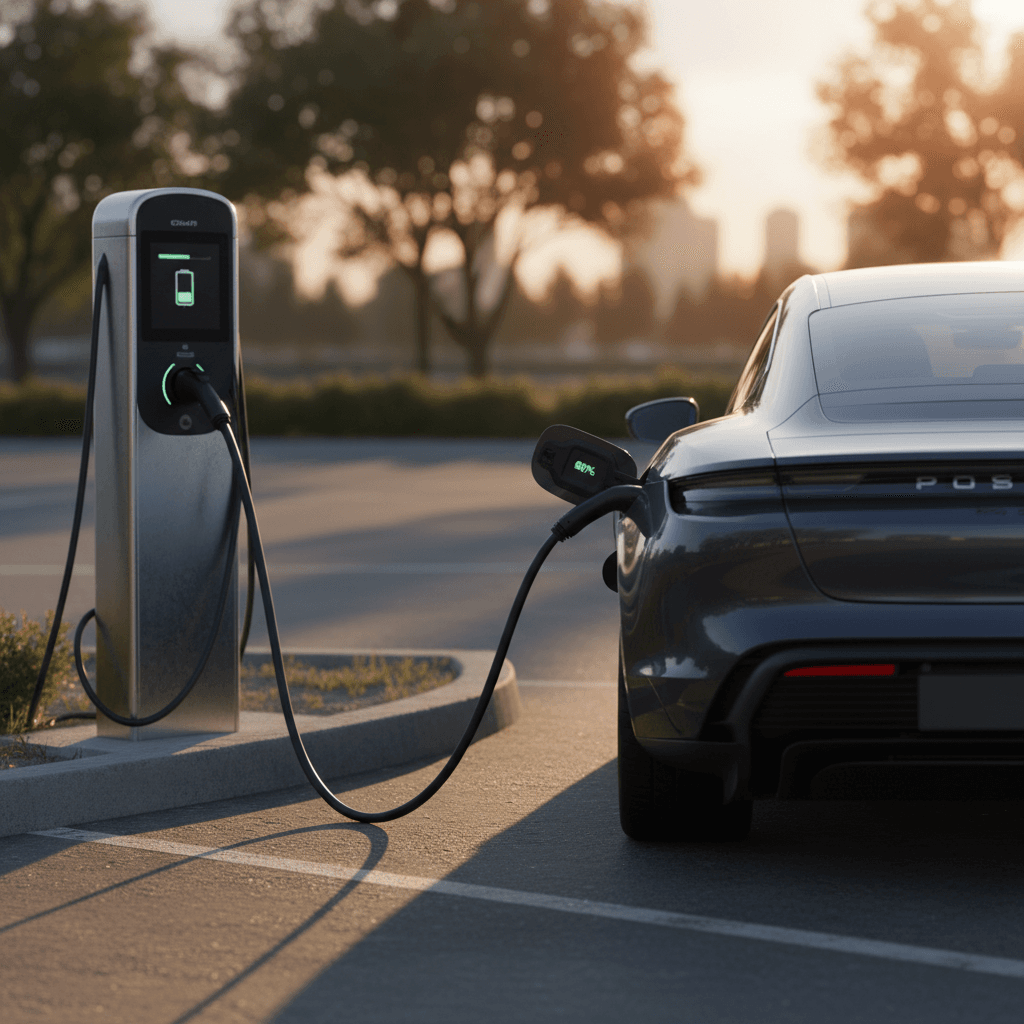
After 80% on DC fast charging
- Your car may drop from 150 kW down to 40, 25, or even 15 kW as it nears full.
- Some networks or vehicles intentionally limit DC fast charging above ~80% to encourage drivers to move on and free up the stall.
- You can burn 25–40 minutes getting that last 20%, especially on larger packs.
This is why most trip planners and automakers suggest planning around 10–80% hops rather than charging to 100% every stop.
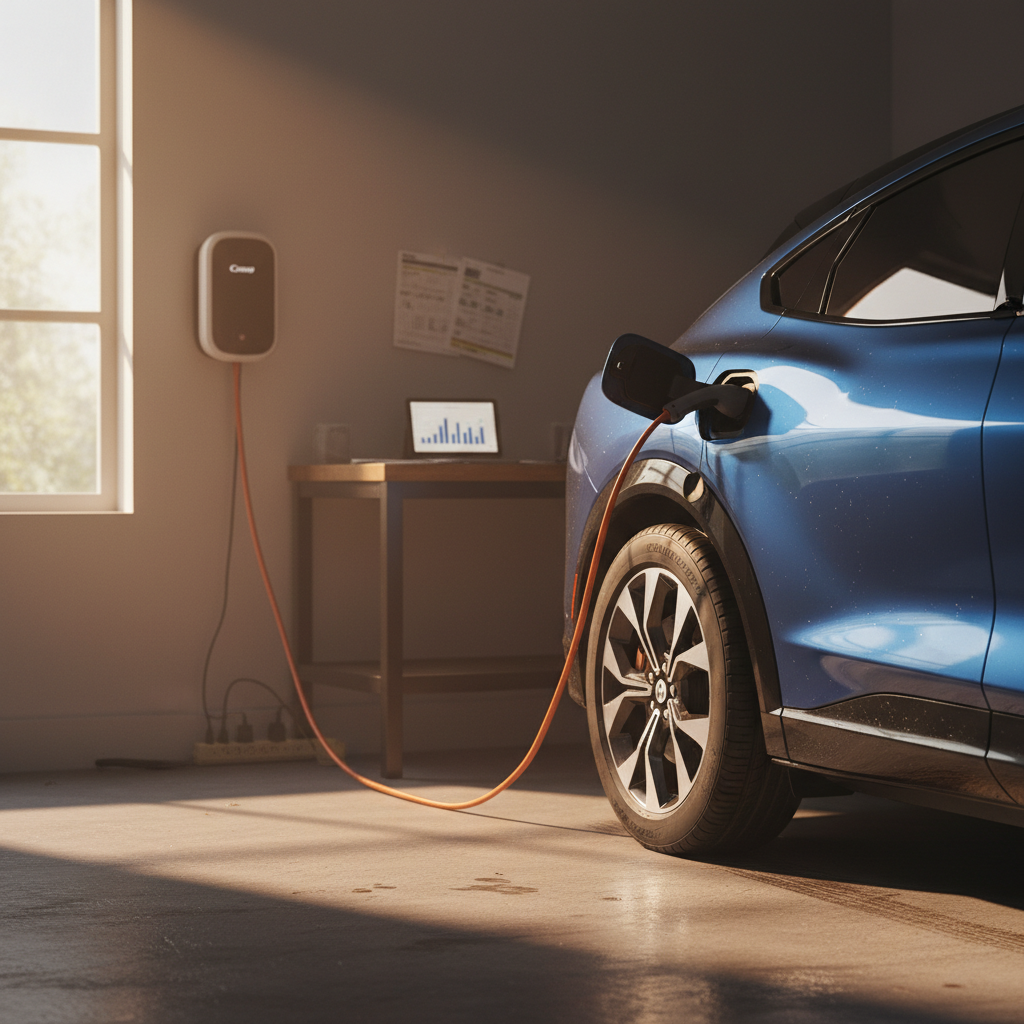
After 80% on Level 2 (home or workplace)
- Power stays relatively steady, often 7–11 kW, because AC charging is much gentler.
- Going from 80–100% might take 2–3 hours, but you’re usually parked anyway.
- Charging to 100% now and then for a trip is fine; daily use is where you want to avoid sitting at 100% for long.
If you need a full battery for tomorrow’s drive, letting a Level 2 charger top you off overnight is kinder to the pack than sitting on a DC fast charger until 100%.
When you should charge past 80 percent
If charging after 80 percent is slower and harder on the battery, why would you ever do it? Because sometimes range matters more than time, or you simply don’t have another charger for a while.
Good reasons to wait past 80%
Situations where 90–100% is worth the extra minutes
Long gaps between chargers
If your next fast charger is farther than your 80% range allows, especially in rural areas, it’s smart to charge higher, even if it means a longer stop.
Extreme cold or heat
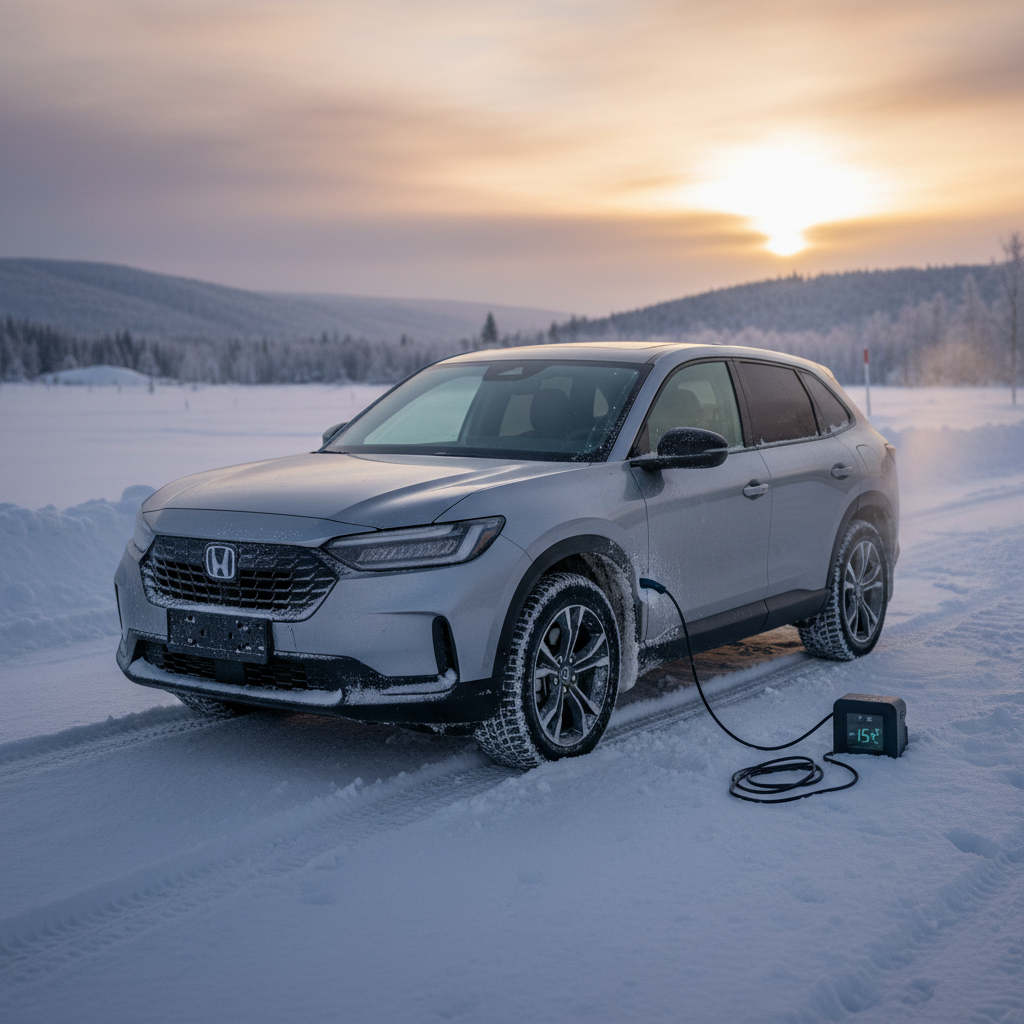
Cold weather can steal 10–30% of your range. If you’re driving in winter or climbing into the mountains, an extra buffer above 80% can prevent white‑knuckle miles.
Limited charging at destination
Staying somewhere with no overnight charging? Aim for 90–100% before you arrive so you’re not hunting for chargers before heading home.
You’re done driving for the day
If you’re parked at home on Level 2 and don’t need the car until morning, occasionally charging to 100% for a trip is fine, just avoid leaving it at 100% for days.
Shared or unreliable networks
In areas with sparse public charging or frequent outages, topping up beyond 80% can give you flexibility if your next planned stop is busy or offline.
Small battery EVs
Short‑range EVs (40–50 kWh) may need more frequent full charges on road trips. The absolute time to go from 80–100% is shorter on these packs, even if the taper looks dramatic in kW.
Daily rule of thumb
When to unplug at 80 percent and hit the road
Most of the time, waiting for 100% on a DC fast charger doesn’t actually save you time over the course of a trip. On many routes, it’s faster overall to do more, shorter stops that keep you in the “fast” part of the curve.
Unplug at 80% vs wait to 100%
Why leaving at 70–85% is often the quickest way to your destination.
| Strategy | What you do | Pros | Cons |
|---|---|---|---|
| "80% and go" road‑trip style | Stop more often (every 120–170 miles), unplug around 70–80%, drive again. | • Stays in the fastest part of the charging curve • Short, predictable stops (15–25 minutes) • Easier to juggle meals, restrooms, and kids | • More frequent stops • Requires some planning ahead |
| "Wait for 100%" style | Charge to 95–100% each time to stretch to the next charger. | • Fewer stops on very sparse routes • More cushion if a charger is busy or down | • Each stop is much longer • You spend more total time watching the charger than driving |
Assumes typical modern EV, 70–80 kWh pack, and widely available DC fast chargers.
Watch miles gained per minute, not kW
Factors that make EV charging after 80 percent even slower
If your charging time after 80% feels painfully long, it may not just be the charging curve. A handful of outside factors can drag things out even more.
- Cold battery: In winter, a cold pack may never reach its peak charge rate, especially if you haven’t preconditioned it by navigating to the charger in your car’s built‑in nav.
- Very hot battery or ambient temps: On a summer road trip, repeated fast charging heats the pack. The BMS will reduce power to protect it, and the effect is magnified in the last 20%.
- Shared power cabinets: Many DC fast chargers split power between two stalls. If another EV plugs into the same unit, your maximum kW can drop mid‑session.
- Older or low‑power hardware: A 50 kW “fast” charger plus a tapering curve above 80% can feel extremely slow compared with the big 150–350 kW stations you see in marketing photos.
- Your EV’s own limits: Some models simply have more conservative charging curves, especially budget‑oriented or older designs. A used EV may charge slower by nature than the latest 800‑volt flagship.
Don’t fight the taper with tricks
Road-trip strategies for faster total charge time
Once you accept that EV charging time after 80 percent is slow by design, you can shift from thinking in terms of “full tank or bust” to “door‑to‑door time.” The goal isn’t 100%, it’s getting where you’re going with the least hassle.
Five tactics that tame charging time after 80%
1. Aim for 10–75% or 15–80% hops
Use a planning app or your car’s built‑in route planner to keep stops in the quick‑charging zone. This alone can shave an hour or more off a full day’s drive.
2. Precondition the battery
If your EV supports it, set navigation to the fast charger so the car can warm or cool the battery on the way. That keeps charge power higher right from the start.
3. Pair charging with real breaks
Plan to plug in when you’re already stopping for food or restrooms. By the time you’re back, you’ll often be at 70–80% and ready to go without feeling like you waited.
4. Prefer faster, newer stations
If you can choose between a 50 kW charger and a 150 kW+ site, take the higher‑power option. Even with tapering, the early part of the session will be significantly faster.
5. Leave with a buffer, not a brim
Instead of waiting for 100%, leave when you have a comfortable margin, maybe 15–25% more than you need to reach the next charger. It’s often the quickest way to eat miles.
Charging habits and battery health on a used EV
If you’re shopping for a used EV, or already own one, how previous owners charged the car matters. Lots of DC fast charging to 100% isn’t automatically bad, but it can accelerate wear, especially on older chemistries or cars driven in extreme climates.
Why 80% matters for longevity
- Spending most of the battery’s life between about 20–80% reduces stress, especially at high temperatures.
- Frequent DC fast charging to 100% can add heat and voltage stress in the most sensitive part of the charge.
- Over years, this can translate into more noticeable range loss, exactly what you’re trying to avoid in a used EV.
How Recharged helps you see the truth
Every EV sold through Recharged includes a Recharged Score Report with verified battery health diagnostics, so you’re not guessing how the previous owner charged the car. You see real data, fair market pricing, and get EV‑specialist support from test drive to delivery.
That means you can focus on building good charging habits going forward, like mostly using Level 2 and reserving 90–100% DC fast charges for those big road‑trip days.
Checklist: Smart charging after 80%
Before you sit through a slow 80–100% charge…
1. Do you really need 100%?
Check the distance to your next charger or destination and your realistic range (factoring in weather and speed). If 70–85% covers it with a cushion, unplug and go.
2. Are you on DC fast or Level 2?
On DC fast charging, time after 80% is expensive. On Level 2, you’re probably parked anyway, letting it run to 100% for tomorrow’s early start is reasonable.
3. What’s the miles‑per‑minute rate now?
If your car is adding only 1–2 miles of range per minute on a DC fast charger, you’re deep into taper territory. Ask yourself if staying is really worth it.
4. How’s the weather and terrain ahead?
Headwinds, sub‑freezing temps, or big climbs? That extra 10–15% may be cheap insurance. Mild weather and flat roads? You can be more relaxed about leaving around 80%.
5. Is the station busy?
On a crowded site, occupying a stall from 80–100% slows everyone down. If you’re comfortable with your range, consider moving on to keep the network flowing.
6. Are you caring for the battery long‑term?
If you often rely on DC fast chargers, try to limit full charges to the days you truly need them. Your future self, and your future resale value, will thank you.
FAQ: EV charging time after 80 percent
Frequently asked questions about charging past 80%
Bottom line: Is charging after 80% worth it?
EV charging time after 80 percent feels slow because it is slow, and that’s on purpose. Your car is trading speed for safety and long‑term battery health, especially on DC fast chargers. Most days, the smartest move is to treat 70–80% as “full enough,” unplug, and get back on the road.
When you do need every mile your battery can offer, plan for the extra time that 80–100% requires and try to handle those top‑offs on Level 2 whenever possible. If you’re shopping for a used EV, lean on tools like the Recharged Score Report so you can see how the battery has been treated and buy with confidence.
Once you understand why the curve slows down, you stop fighting it. You can plan smarter stops, protect your battery, and make the most of every minute you spend plugged in, without staring at the charger wondering what went wrong.