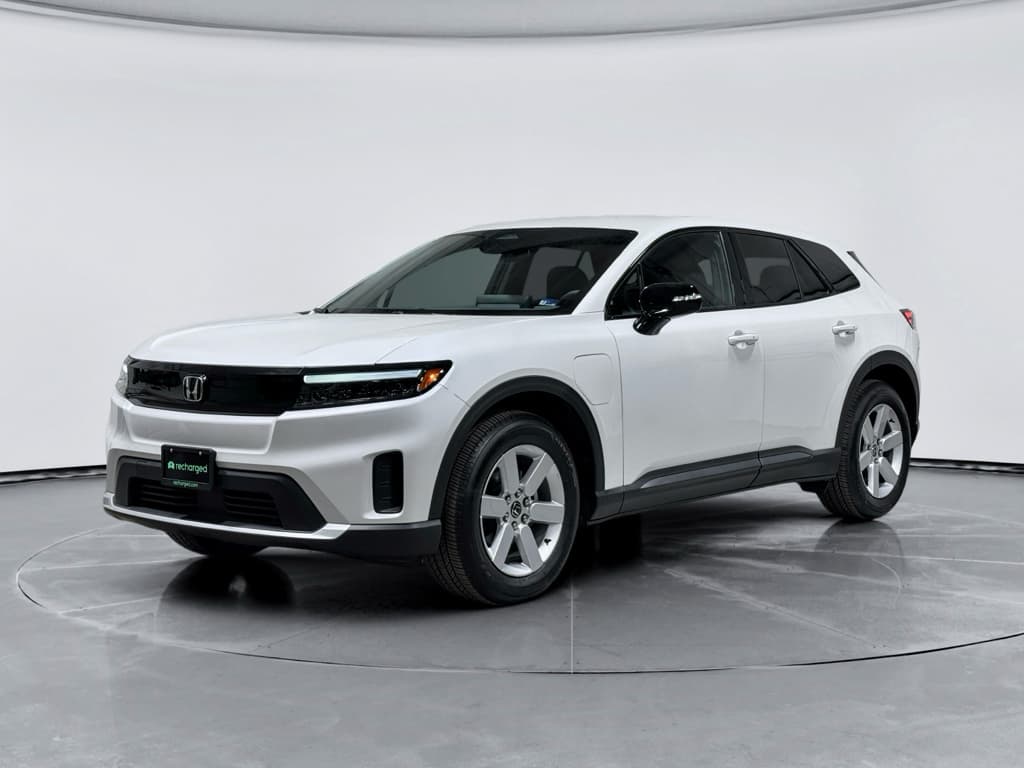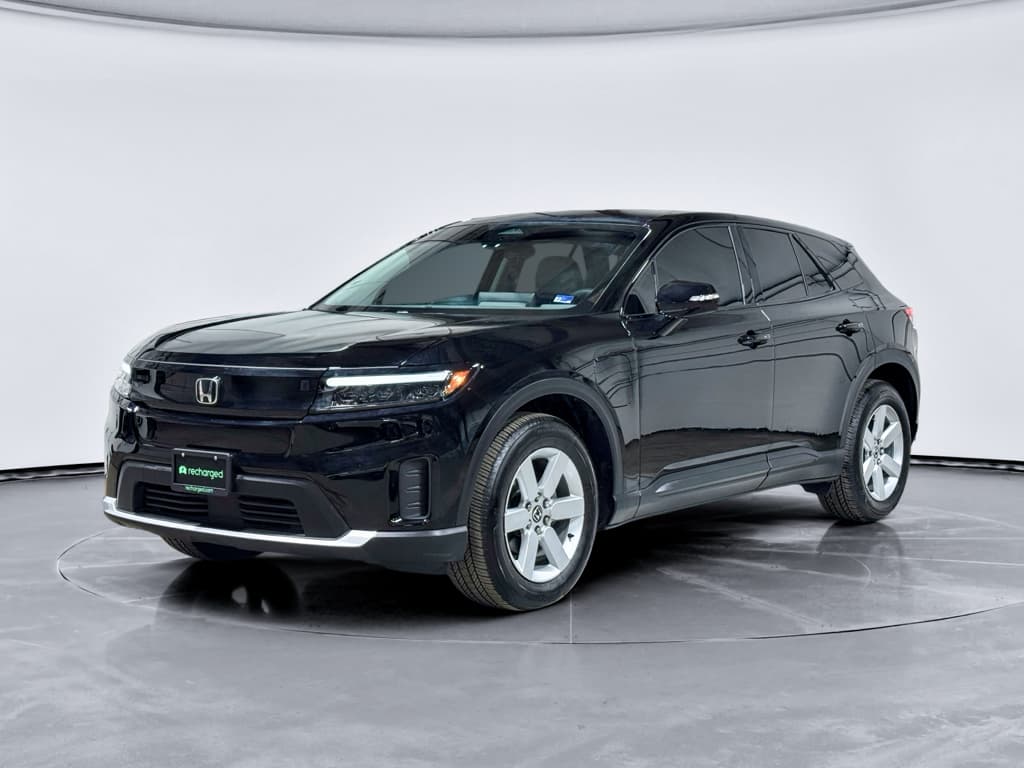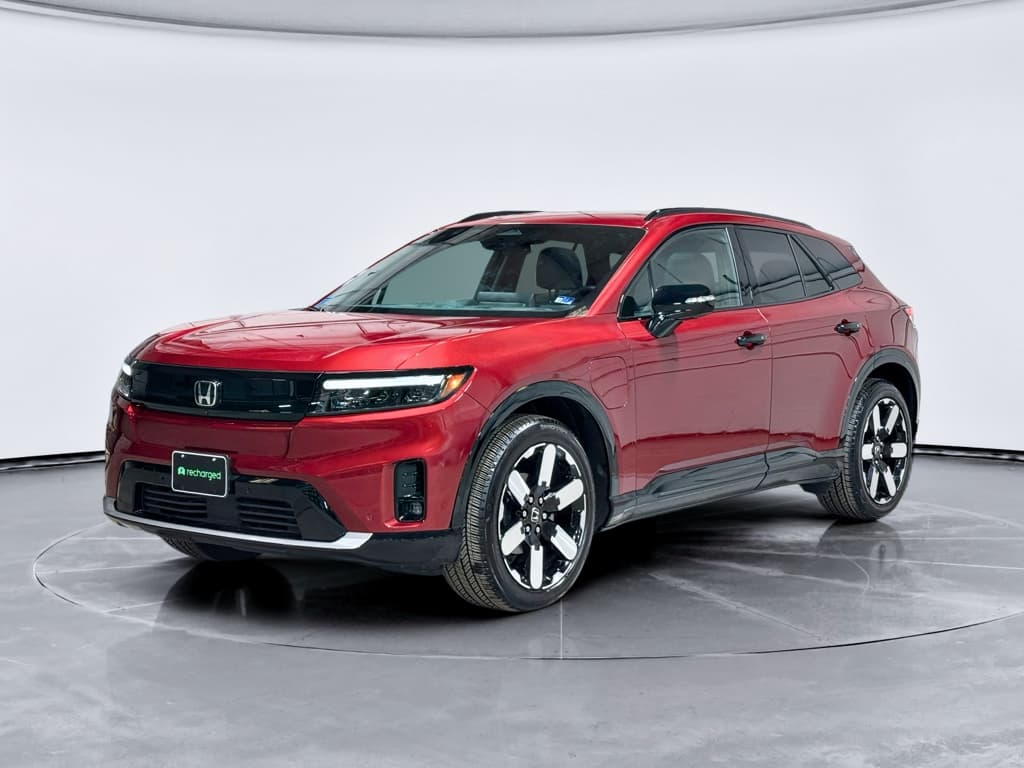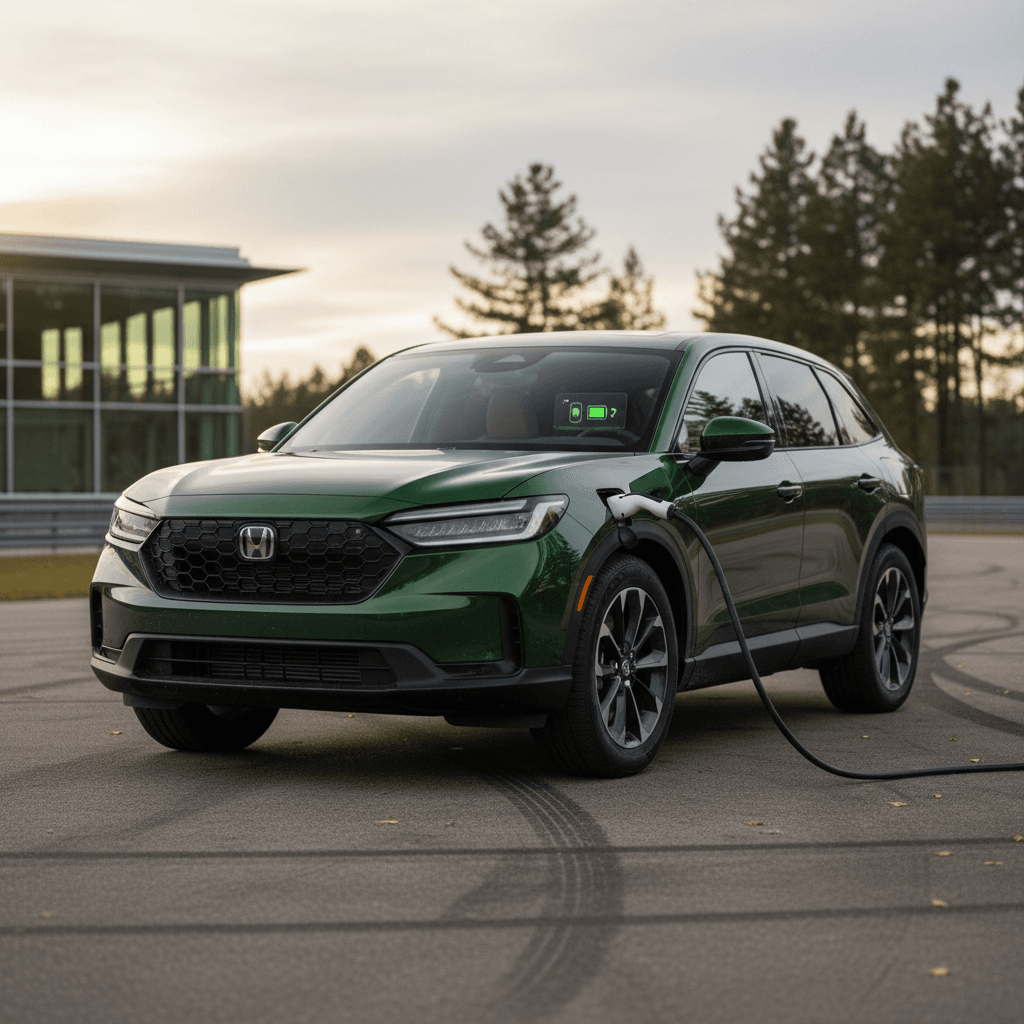
If you’re eyeing a 2025 Honda Prologue, reliability is probably near the top of your list. Honda has a long track record for durable gas vehicles, but the Prologue is different: it’s a new, all‑electric SUV riding on General Motors’ Ultium platform. That combination raises a fair question, how reliable is the 2025 Honda Prologue likely to be, especially if you’re thinking about keeping it past the warranty or buying one used?
A quick reality check
Overview: How reliable is the 2025 Honda Prologue?
2025 Honda Prologue reliability snapshot
Right now, the fairest way to describe 2025 Honda Prologue reliability is “work in progress.” It’s not a disaster, and plenty of owners report smooth experiences and cheap lease miles. But you also see enough reports of axle noise, high‑voltage system warnings, random braking events, and infotainment quirks to say this EV is not yet at classic Accord or CR‑V levels of dependability.
- The basic mechanical pieces (motors, battery pack, single‑speed gearbox) have been used across several Ultium models, which helps.
- Honda’s own dealer network is still climbing the learning curve on EV diagnostics and Ultium specifics.
- Software, sensors, and electronics, not the battery cells themselves, seem to drive most of the complaints so far.
Important if you hate service visits
Honda’s reliability reputation vs. the Prologue
Honda routinely scores near the top of reliability rankings. In recent Consumer Reports brand surveys, Honda landed in the top tier, just a few points behind Toyota and Lexus, thanks to its long‑lived engines, transmissions, and relatively simple electronics in many models.
Traditional Hondas
- Efficient, long‑lasting gas and hybrid powertrains.
- Simple, proven automatic transmissions.
- Electronics matured over many model years.
- Plenty of historical data for used‑car buyers.
Honda Prologue
- Built on GM’s Ultium BEV platform, not Honda’s own.
- All‑new model with no long‑term track record.
- More complex software stack (Honda + GM + charging networks).
- Early owner feedback that ranges from flawless to frustrating.
That last point matters. When you buy a CR‑V, you’re buying into decades of Honda engineering. With the Prologue, you’re effectively buying a joint‑venture first‑generation EV. Honda’s reputation helps on the support and warranty side, but it doesn’t magically erase the growing pains that come with a new platform.
Platform and battery: What the Ultium foundation means
The Prologue rides on General Motors’ Ultium architecture, the same family of hardware used in the Chevrolet Blazer EV, Equinox EV, and Cadillac Lyriq. That shared DNA is a double‑edged sword for reliability.
Ultium platform: reliability pros and cons
What GM’s hardware brings to Honda’s first mainstream EV SUV
Potential pros
- Shared components across several GM EVs should help parts availability and repair know‑how over time.
- Battery pack chemistry is similar to other Ultium models that have racked up more miles.
- Pack is covered by an 8‑year / 100,000‑mile warranty, which is competitive for the class.
Potential cons
- Other Ultium vehicles have had well‑publicized software and charging glitches.
- Some owners report axle noise, random high‑voltage warnings, or braking interventions on closely related models.
- Honda dealers are still building deep Ultium expertise; not every store has a master EV technician yet.
The good news: there’s no evidence that the Prologue’s battery pack itself is a weak point. Most reliability complaints so far focus on peripheral systems, axles, brakes, sensors, infotainment, and apps, rather than battery degradation or catastrophic drive unit failures.
Early owner reports: Common issues showing up so far
Because the Prologue is still new, the most useful data comes from early adopters, owners posting in forums, Reddit threads, and dealer service anecdotes. That’s not the same as a statistically rigorous survey, but it highlights where trouble tends to cluster.
Recurring Prologue issues reported by early owners
Patterns from early 2024–2025 Prologue owners that shoppers should know about.
| Area | Reported symptom | How serious is it? | What to do if shopping used |
|---|---|---|---|
| Front axles / CV joints | Clicking or clunking noise during low‑speed turns, especially in early‑build 2024s | Annoying, potentially a wear or design issue but usually not an immediate safety risk | Turn the wheel fully in both directions in a parking lot and listen for repetitive clicking. |
| Braking / driver‑assist | Overly sensitive auto‑brake interventions; occasional reports of brakes grabbing hard with no obstacle visible | Can be startling and a safety concern if it happens at speed | On a test drive, try gentle parking‑lot maneuvers and low‑speed following; watch for unexpected braking or warning messages. |
| High‑voltage warnings | Random high‑voltage system alerts with no obvious cause; some owners report temporary loss of drive | Potentially serious, though often cleared by a reset and addressed under warranty | Ask the seller for service records; look for any HV system diagnostics or parts replacements. |
| Charging behavior | Car refuses to DC fast‑charge at certain stations or stops a session early | Frustrating on road trips more than dangerous | Test the car at a public fast charger if possible and confirm it completes a full session without errors. |
| Cabin electronics | Infotainment glitches, dead wireless phone charging pad, or persistent error messages | Annoying quality‑of‑life problems, but usually fixable via software updates or component replacement | Play with every button: audio, nav, phone charging, Bluetooth, and cameras during your test drive. |
Not every Prologue will experience these issues, but they’re worth asking about on a test drive or pre‑purchase inspection.
Take braking complaints seriously
“There’s not many people that go online and post ‘still no problems!’ But I’m at 6,000–13,000 miles on my Prologue with zero issues so far.”
On the flip side, a large number of owners report 6,000–15,000 miles of driving, including multi‑hundred‑mile road trips, without major complaints. That split is exactly why the Prologue’s reliability picture feels uneven right now: the car can be trouble‑free, but there is more variability than you’d expect from a typical Honda crossover.
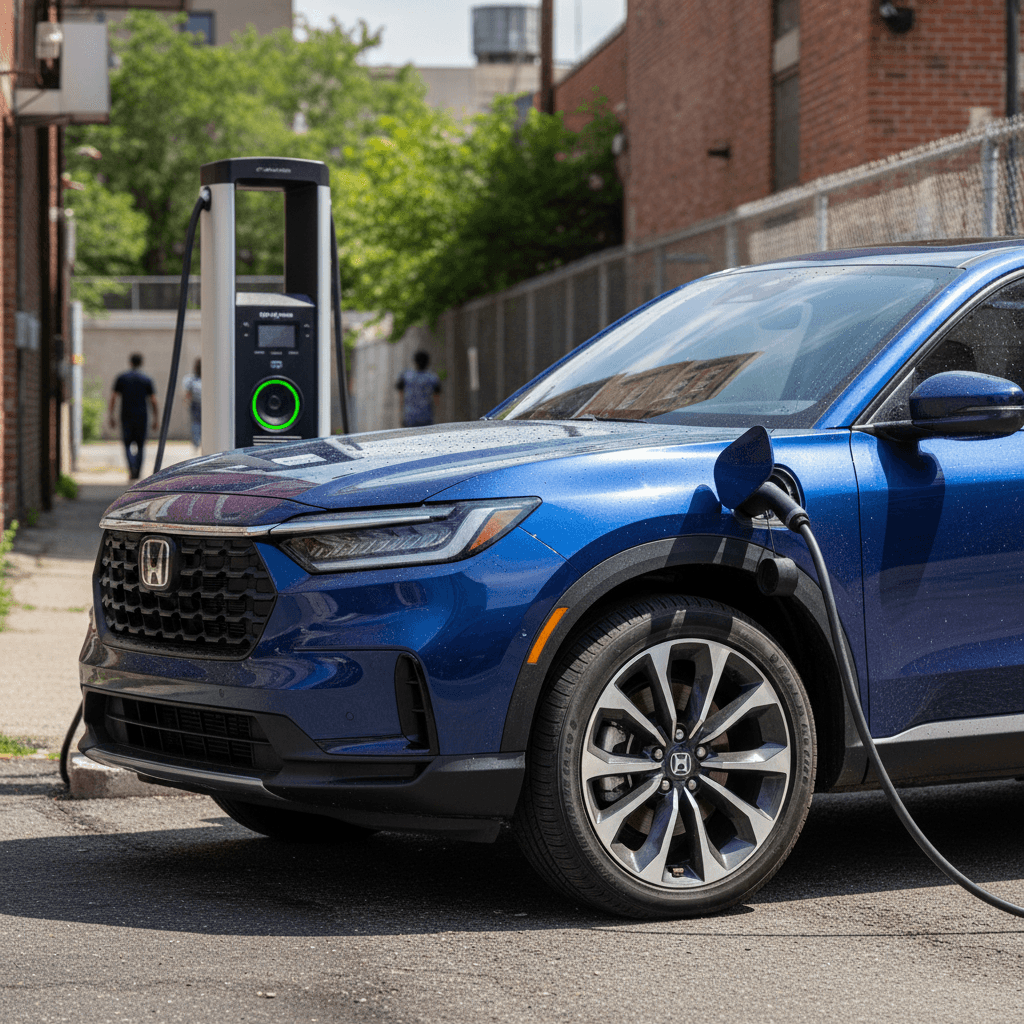
Software, tech, and app reliability
Like most modern EVs, the Prologue leans heavily on software. You’re relying on code for battery management, charging, driver‑assist features, and the HondaLink app. That’s where many small‑but‑annoying issues crop up.
Most common tech complaints from Prologue owners
None of these are guaranteed, but they’re worth checking before you buy
HondaLink app lag
Infotainment quirks
Over‑the‑air updates
Use charging‑network apps, not just HondaLink
Warranty coverage and battery life expectations
Warranty coverage is your strongest hedge against first‑generation EV quirks. For the Prologue, Honda offers coverage similar to its other models, with extra protection for the high‑voltage battery.
- New Vehicle Limited Warranty: 3 years / 36,000 miles, covering most non‑wear components.
- Powertrain Warranty: 5 years / 60,000 miles for major drive components on many trims (check your specific paperwork).
- High‑Voltage Battery Limited Warranty: 8 years / 100,000 miles. If capacity drops below roughly 70–75% of original within that window, Honda may repair or replace the pack, subject to dealer testing.
- Corrosion and seat belt coverage: extended terms similar to other Honda models.
Battery degradation vs. battery failure
Independent of specific Prologue issues, EV batteries in general have been holding up better than many early skeptics expected. With a conservative charging routine (keeping it mostly between 20–80% for daily use, avoiding constant DC fast charging), there’s no strong reason to think a well‑cared‑for Prologue pack will be a ticking time bomb.
2025 vs. 2024 Prologue: Did reliability improve?
Honda quietly rolled running changes from the earliest 2024 builds into later 2024 and 2025 Prologues. While Honda doesn’t publish a public log of every change, owner communities have noticed some trends.
2024 Prologue patterns
- More frequent complaints about front axle clicking and clunking on early‑build units.
- Several reports of high‑voltage system warnings and random braking events.
- Owners trading out of leases early after frustrating service experiences.
2025 Prologue patterns
- Still some reports of axle noise and warning lights, but owners and service writers describe them as less common.
- More stories of 10k–15k miles with only minor squeaks or software glitches.
- Strong lease incentives make many owners more forgiving of occasional issues.
If you can, prefer a late‑build 2025
How the Prologue’s reliability compares to rival EV SUVs
No electric SUV in this segment is perfectly bulletproof, everyone is wrestling with software and charging complexity. But some rivals have a clearer reliability story than the Prologue today.
Prologue vs. key EV SUV competitors (reliability lens)
High‑level comparison focused on early reliability perception, not performance or features.
| Model | Platform maturity | Early reliability reputation | Best suited for |
|---|---|---|---|
| Honda Prologue | Ultium (GM, newer for Honda) | Mixed: many trouble‑free, but enough axle, braking, and software complaints to flag risk | Value‑focused lessees who want a Honda‑badged EV and don’t mind occasional dealer visits. |
| Chevrolet Blazer EV | Ultium (GM) | Rocky rollout; multiple software and charging issues, but improving with updates | Shoppers who want GM styling and performance, ideally near a strong EV‑savvy Chevy dealer. |
| Hyundai Ioniq 5 / Kia EV6 | E‑GMP platform | Generally solid once software updates are applied; some 12V battery and DC fast‑charge quirks reported | Drivers prioritizing charging speed and modern design, comfortable with occasional recalls/updates. |
| Tesla Model Y | Tesla proprietary | Hardware is fairly robust; build quality and minor rattles more common than major failures | Owners who value Tesla’s charging network and OTA updates over traditional dealership support. |
Always check the latest owner surveys and recall data, as EV reliability is evolving quickly.
Don’t assume “EV = unreliable”
Should you lease or buy a 2025 Prologue?
If you’re worried about 2025 Honda Prologue reliability, your choice between leasing and buying matters as much as the specific trim you pick.
Choosing the right ownership path for the Prologue
1. Lean toward leasing if you’re risk‑averse
Leasing keeps you within the <strong>3‑year bumper‑to‑bumper</strong> window and lets you walk away if the model ages poorly. Many Prologue lessees report aggressive monthly deals that soften the sting of any small issues.
2. If you buy, budget for an extended warranty
Consider Honda‑backed extended protection if you expect to keep the Prologue 7–10 years. Make sure any plan you buy specifically covers high‑voltage electronics and major infotainment components, not just the battery pack.
3. Prioritize dealers with EV expertise
Ask directly how many Prologues or Ultium‑based EVs your local Honda store services and whether they have technicians certified on high‑voltage diagnostics. A good shop can turn an annoying glitch into a quick fix.
4. Make software updates part of ownership
Plan on installing <strong>over‑the‑air</strong> or dealer‑performed updates as they arrive. Many early pain points (charging, driver‑assist, infotainment) get smoothed out this way.
Thinking about a used Prologue instead?
Used 2025 Honda Prologue: What to check before you buy
If you’re shopping a used 2025 Prologue, especially one coming off a short lease, you’ll want more than a quick test drive around the block. EVs ask different questions than gas SUVs, and the Prologue’s early‑generation status makes a structured inspection even more important.
Pre‑purchase checklist for a used Prologue
1. Scan for stored fault codes
Have a qualified EV technician or dealer pull diagnostic codes for the high‑voltage system, ABS, stability control, and driver‑assist systems. Even intermittent braking or charging issues often leave a trail.
2. Check for axle noise and suspension clunks
On a warm test drive, make several slow, full‑lock turns in a parking lot. Repetitive clicking or clunking from the front end can indicate axle or CV joint issues that may require replacement.
3. Test charging in the real world
If possible, plug into at least one DC fast charger and one Level 2 public charger. Confirm the car starts and completes a session without unexpected stops or warnings.
4. Evaluate range vs. the window sticker
With a mostly full battery, estimate your projected range based on recent driving history. Big gaps between the EPA estimate and real‑world range may point to heavy highway use, cold‑weather driving, or a car that’s been fast‑charged constantly.
5. Stress‑test the tech
Try navigation, Bluetooth, wireless phone charging, audio, camera systems, and the HondaLink app. Glitches aren’t a deal‑breaker on their own, but multiple failures can foreshadow future annoyance.
6. Verify remaining battery and basic warranty
Confirm in writing how much time and mileage remain on the <strong>8‑year / 100,000‑mile</strong> battery coverage and the 3‑year / 36,000‑mile basic warranty. That safety net has real dollar value.
How Recharged evaluates a used Prologue
FAQ: 2025 Honda Prologue reliability
Common questions about 2025 Honda Prologue reliability
Bottom line: Is the 2025 Honda Prologue a safe bet?
If you’re expecting the 2025 Honda Prologue to deliver old‑school Honda bulletproof reliability from day one, you’ll likely be disappointed. This is a first‑generation, GM‑based EV with real software and hardware growing pains, even if many individual owners have perfectly smooth experiences. Where the Prologue shines is value: aggressive lease deals, a comfortable Honda‑like cabin, and a battery warranty that lines up well with the rest of the segment.
For shoppers who want to dip a toe into EVs without making a decade‑long commitment, leasing a 2025 Prologue or buying a thoroughly inspected used example can make a lot of sense. If you lean that way, working through a platform like Recharged, with verified battery health, transparent pricing, and EV‑specialist support, can dramatically cut the uncertainty. If, on the other hand, you absolutely need a no‑drama daily driver and plan to own it past 100,000 miles, you may want to keep the Prologue on your short list but cross‑shop it hard against more mature EV platforms before you sign anything.