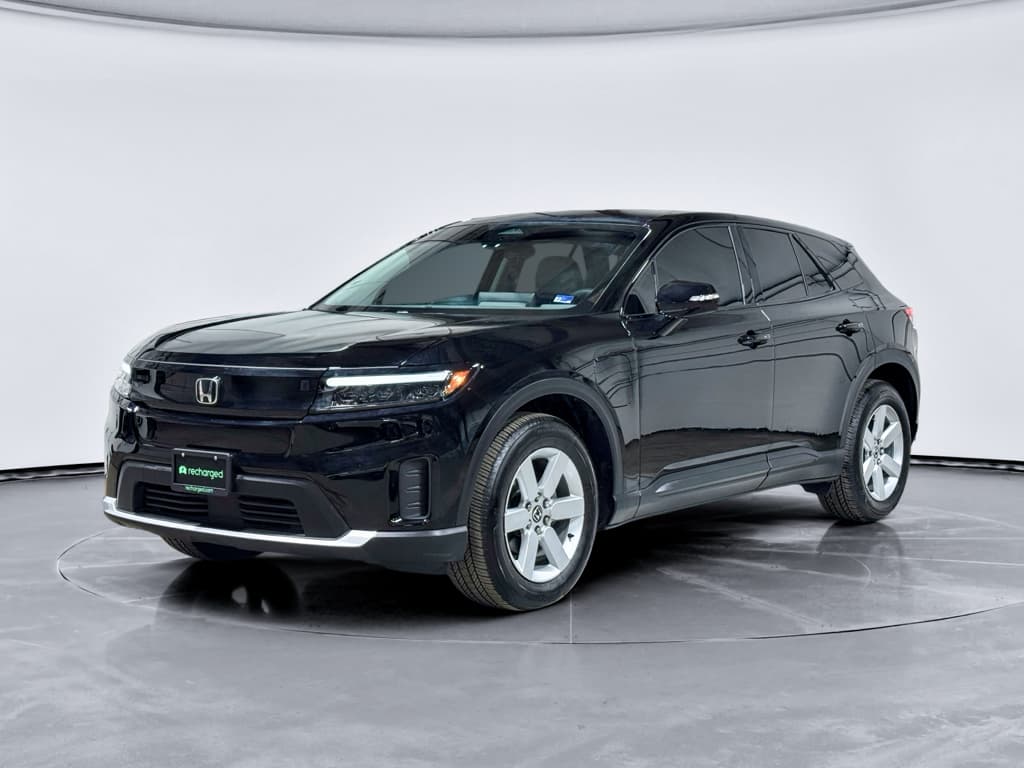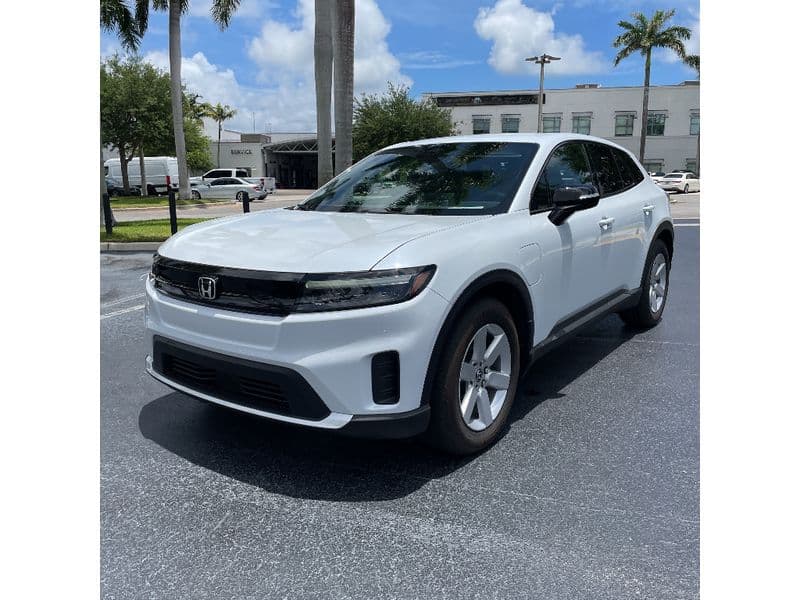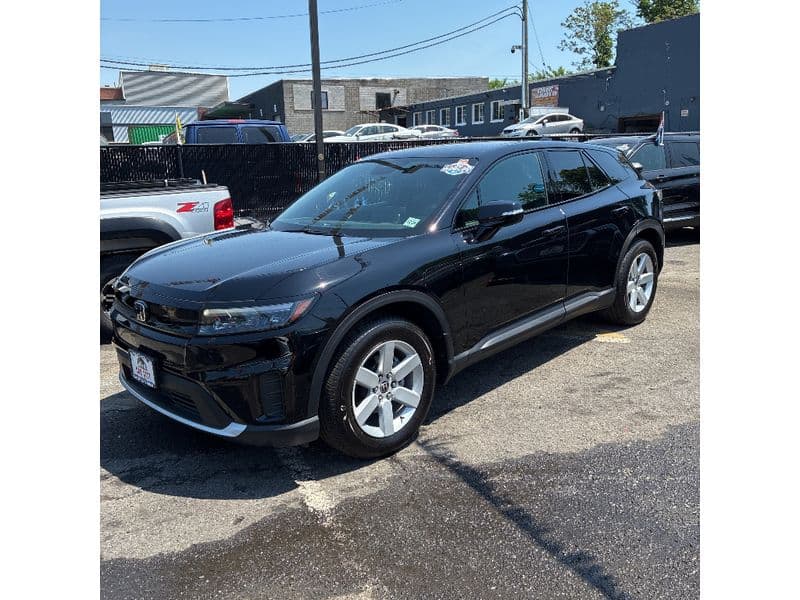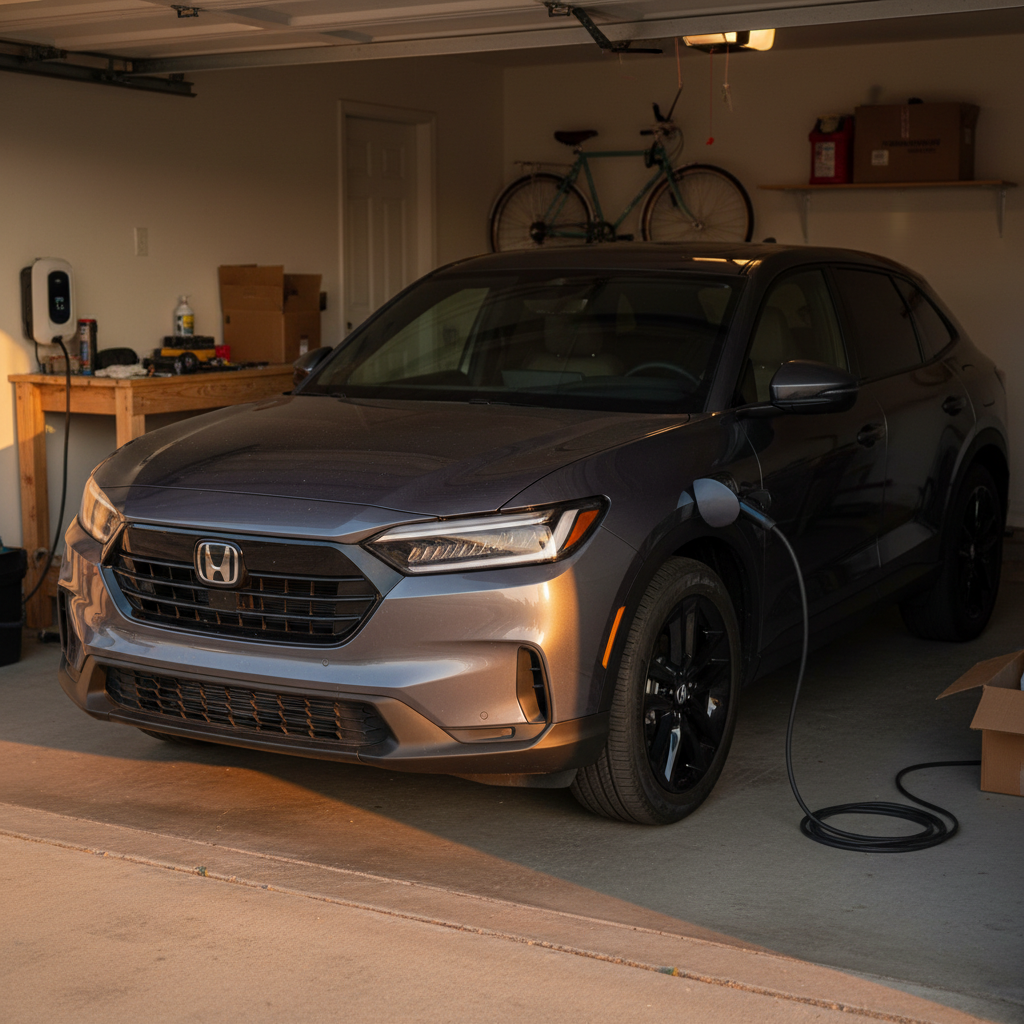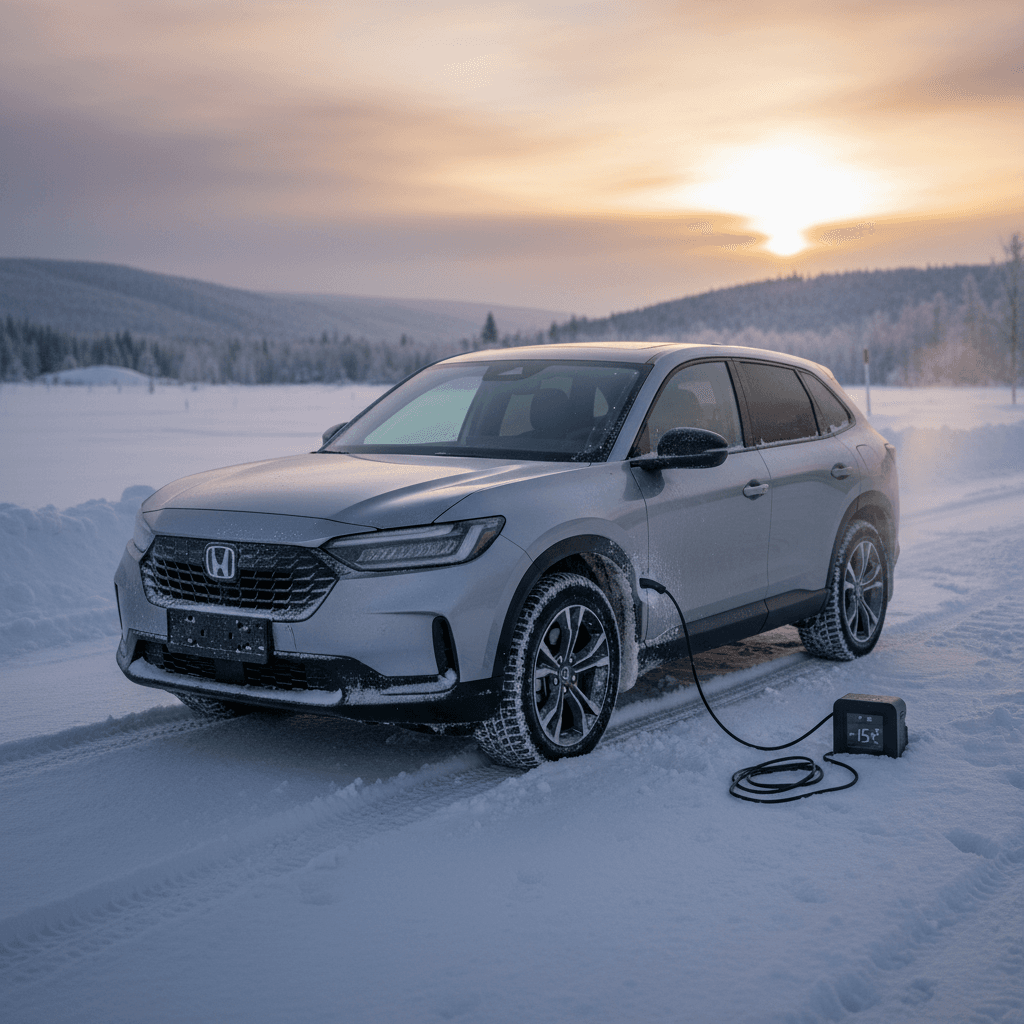
If you live anywhere north of Atlanta, the question isn’t **whether** the Honda Prologue loses range in winter, it’s **how much**. Early tests and owner reports show that a proper Honda Prologue winter range test can knock the shine off those handsome EPA numbers, especially for short, heater-heavy trips. The good news: with the right habits, you can still make this Ultium-based SUV a solid four-season partner.
Winter range hits every EV, Prologue included
Honda Prologue winter range: big picture
On paper, the 2024–2025 Honda Prologue looks perfectly adequate on range. With an **85 kWh Ultium battery** and EPA ratings of roughly **273–296 miles** depending on trim and wheels, it files neatly into the middle lane of electric crossovers. In dry, mild weather, many owners even beat those figures on calm highway runs.
Honda Prologue range: EPA vs typical winter
In real winter use, think **20–30°F, wet roads, cabin at 70°F**, most Prologue drivers see **20–35% less usable range** than EPA. That puts many highway legs in the **180–235 mile** window on a full charge, and significantly less on short, stop-and-go drives where the heater dominates energy use.
Expect the drop before you sign the lease
EPA range vs real-world winter range
Honda Prologue EPA range vs realistic winter range
Approximate real-world winter ranges assume 20–30°F temperatures, mixed but highway-biased driving, and cabin heat in normal use. These are ballpark guides, not guarantees.
| Trim & drivetrain | EPA range (mi) | Estimated winter range (mi) | Winter highway “no-drama” leg (mi) |
|---|---|---|---|
| EX / Touring FWD, 19" | 296 | 210–235 | 130–160 |
| EX / Touring AWD, 19" | 281 | 195–220 | 120–150 |
| Elite AWD, 21" | 273 | 185–210 | 115–140 |
Use this as a planning tool, not a promise, wind, hills, speeds and traffic can move these numbers noticeably.
Those winter estimates assume you’re starting warm, running the heater at a normal setting, and cruising **65–70 mph**. Drop your speed, precondition while plugged in, and avoid repeated short trips and you can creep back toward the high end of each range band. Ignore all of that? You’ll find the low end, fast.
A simple mental rule for Prologue owners
How a Honda Prologue winter range test is run
A proper Honda Prologue winter range test is not a YouTube hero drive at 45 mph on a closed loop. To get useful numbers for actual owners, you want a protocol that mirrors an unpleasant but common scenario: **cold start, mixed speeds, and a heater doing real work.**
Typical winter range test protocol for the Prologue
1. Start with a true cold-soaked battery
The car sits outside for at least **8–12 hours** at the target ambient temperature (often around 20–25°F) so the pack, cabin, and drivetrain are all fully cold.
2. Precondition while plugged in
If the Prologue is at home or on Level 2, climate preconditioning is started 20–30 minutes before departure so cabin heating draws from the grid instead of the battery.
3. Drive a fixed route at realistic speeds
A loop or out-and-back route with a mix of **city and 65–70 mph highway** is used, avoiding huge elevation swings where possible.
4. Keep climate settings realistic
Cabin set to **68–72°F**, seat and wheel heaters used as a typical driver would, no hypermiling tricks like turning the heat off entirely.
5. Log energy and distance to a clear cutoff
Distance, average consumption (mi/kWh or Wh/mi) and remaining SOC are recorded until around **5–10%** or the next charger, whichever comes first.
6. Repeat in milder weather
The same route is run again in **50–70°F** temps to calculate the winter penalty under otherwise similar conditions.
Why repeatability matters
Winter range results by trim & drivetrain
How the main Prologue trims behave in winter
Same 85 kWh pack; very different personalities once the roads turn white.
FWD (EX / Touring, 19")
Best winter efficiency. With a single motor and narrower tires, the FWD Prologue trims tend to post the most flattering winter numbers.
- Highway at 20–30°F: often in the 2.1–2.4 mi/kWh band
- Usable winter range: typically 200+ miles if you’re gentle on speed
- Traction: fine with decent winter tires; stability control is conservative but effective.
AWD (EX / Touring, 19")
Grip with a small efficiency tax. Twin motors add security and punch but nibble at efficiency.
- Highway at 20–30°F: often 1.9–2.2 mi/kWh
- Usable winter range: more like 190–210 miles on a full charge
- Best for: mixed-weather commuters who value traction over maximum range.
Elite AWD (21" wheels)
The style tax. Big 21-inch wheels and wider rubber add rolling resistance and more air drag.
- Highway at 20–30°F: common to see 1.8–2.0 mi/kWh
- Usable winter range: often in the 180–200 mile window
- Looks terrific in the dealer showroom, less terrific at a windswept charger.
These numbers place the Prologue in familiar territory for **Ultium-based SUVs**: not disastrously inefficient, but clearly more sensitive to speed, tire choice and weather than something like a smaller Hyundai Ioniq 5 or Tesla Model Y. If you need **rock-solid winter highway range**, favor **FWD on 19-inch wheels** and consider real snow tires over the Elite’s fashion wheels.
Why the Prologue loses so much range in the cold
1. Battery chemistry and pack size
The Prologue’s **85 kWh Ultium pack** uses conventional lithium-ion chemistry that prefers room temperature. In the cold, internal resistance rises, so you get **less usable energy and slower charging** until the pack warms up. A big pack is great for summer road trips, but in winter it takes more energy to heat and keep warm.
2. Cabin and drivetrain demands
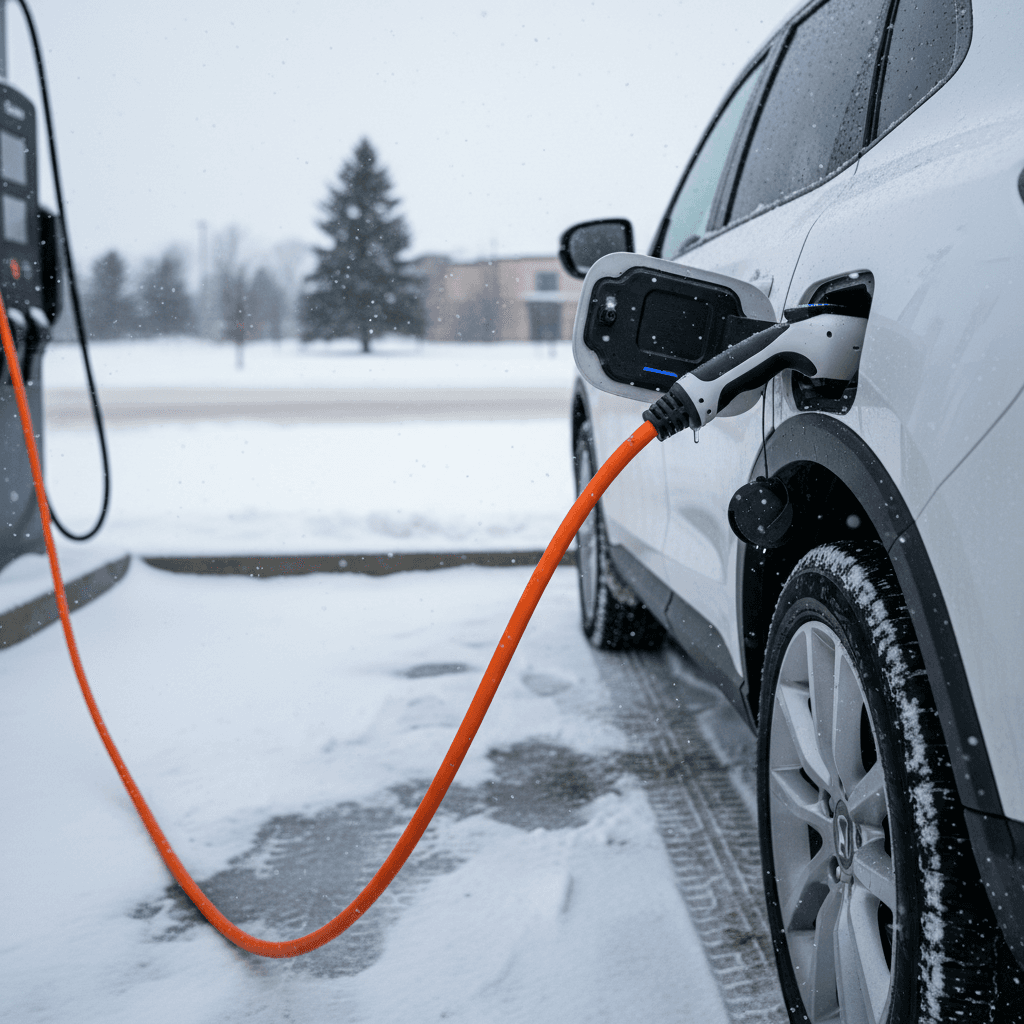
A mid-size SUV has a lot of air and glass to warm. Resistive heaters and defrosters can chew through **3–6 kW** continuously in harsh conditions, especially on short drives where the car never really stabilizes. Add the drag penalty of winter tires, salty roads and dense cold air, and the watt-hours disappear fast.
- Highway speed is the silent killer: every 5 mph over 65 costs you meaningful range.
- Short trips are worst case: you pay the full heating penalty without enough miles to amortize it.
- AWD and big wheels trade range for traction and aesthetics, especially obvious in winter.
Beware of headwinds and slush
What Prologue owners report in real winters
If you scroll through Honda Prologue forums and owner groups, a pattern emerges: most drivers are pleasantly surprised in mild weather and **unpleasantly surprised** when their first real cold front arrives. The common thread is not that the Prologue is uniquely terrible, but that expectations were set by glossy EPA numbers and dealership talking points, not winter testing.
Common owner themes from cold climates
You see the same chorus from Minnesota to Wyoming.
“I don’t trust it for a 200-mile winter round trip.”
Owners in northern states describe comfortable **summer highway legs around 220–240 miles**, but say they’d think twice about a **200-mile same-day winter round trip** without a mid-route DC fast charge, especially in Elite AWD trims.
“Winter range is at best 70% of summer.”
Anecdotes cluster around a **25–30% winter hit**, with some drivers quoting “70% of summer range” as the mental rule. That aligns neatly with what we see in structured winter tests of Ultium SUVs.
“Short trips absolutely murder efficiency.”
Multiple owners complain that a week of **cold, five-mile errands** can halve their predicted range. That’s not a Prologue quirk so much as a universal EV truth: the heater and battery warmup never get a chance to settle down.
“Once warm, it settles into decent numbers.”
On longer highway drives after 20–30 minutes, drivers often report the Prologue’s consumption stabilizing into the **mid-2 mi/kWh range** in winter, respectable for a tall, heavy SUV.
“I would not trust my Prologue to make a 200 mile round trip in cold weather unless it was ideal conditions… My expectation is that winter range is at best 70% of summer range.”
How to improve your Honda Prologue’s winter range
You can’t negotiate with thermodynamics, but you can **stack the deck** in your favor. A handful of habits make a visible difference in how far your Prologue goes between charges when the weather turns vindictive.
Practical ways to stretch Prologue winter range
Precondition while plugged in, every time
Use the Prologue’s climate preconditioning with the car still on Level 2 at home. You want the **battery and cabin warm before you unplug**, so early heating comes from the grid, not your pack.
Use seat and wheel heaters, not an oven setting
Seat and steering-wheel heaters sip power compared with the main HVAC. Drop the cabin to **66–68°F**, turn on the butt warmers, and you’ll see a measurable bump in remaining range.
Slow down 5–10 mph on the highway
At 20°F, pushing a brick-shaped SUV at 78 mph is just shoveling electrons into the wind. Cruising at **65–70 mph** instead of 75–80 can claw back **10–15%** range on its own.
Avoid repeated short cold starts
Batch errands when you can. One **30-mile warm drive** is far easier on your winter consumption than six cold-soaked five-mile hops where the heater never settles down.
Keep tires properly inflated
Cold air drops tire pressure. Check your Prologue’s pressures regularly and keep them in spec, underinflation adds rolling resistance and can quietly steal range.
Use eco/efficiency modes in bad conditions
Eco modes soften throttle response and can dial back HVAC aggressiveness. They won’t save you from physics, but they do smooth out wasteful driving habits.
The quiet winter advantage: regen in the slop
Planning winter road trips in a Prologue
A Honda Prologue is perfectly capable of a January interstate run. You just have to plan it like a grown-up, not like a summer gas-car blast. That means **shorter legs**, charging earlier and more often, and choosing chargers with amenities if you’re going to be sitting in a warm cabin while the pack sips electrons more slowly.
Sample winter planning for a 400-mile day in a Prologue
Assumes Elite AWD at 20–25°F, mostly 65–70 mph highway, starting at 100% after overnight Level 2 charge.
| Leg | Distance | Starting SOC | Arriving SOC | Notes |
|---|---|---|---|---|
| Home → DCFC #1 | 135 mi | 100% | ~45% | First stop before the battery gets too cold-soaked; quick bathroom + coffee. |
| DCFC #1 → DCFC #2 | 125 mi | ~80% | ~30% | Shorter second leg to stay well clear of the bottom of the pack. |
| DCFC #2 → Destination | 140 mi | ~90% | ~25% | Final push with a healthy buffer in case of wind, detours or closed chargers. |
This is a conservative, low-stress strategy geared to new EV drivers, experienced owners may be more aggressive once they understand their Prologue’s behavior.
In winter, your fast charger is also your heater
Is the Honda Prologue a good winter EV?
Where the Prologue works well in winter
- Solid traction with AWD and stability tuning that errs on the safe side.
- Comfortable, quiet cabin that makes long, gray drives less of a chore.
- Respectable DC fast charging for this class, especially once the pack is warm.
- Honda ergonomics and Google built-in make cold-weather commutes painless.
Where you should be cautious
- Winter highway range is merely average; heavy-footed drivers will feel it.
- Elite AWD on 21s is the worst-case winter spec, choose it for style, not efficiency.
- Short-trip, cold-soak usage (school runs, errands) will brutalize consumption.
- Charging infrastructure in your region may dictate how painless winter really feels.
If you routinely do **150–180-mile winter days** with chargers along the way, the Prologue is a thoroughly livable companion. If your lifestyle demands **250–300-mile cold-weather stints with no reliable fast charging**, no mid-size EV SUV is going to feel carefree yet, and the Prologue is no exception.
Thinking about a Prologue on the used market?
FAQ: Honda Prologue winter range & cold-weather use
Frequently asked questions about Honda Prologue winter range
The Honda Prologue is not a magic-bullet winter EV, and anyone who tells you otherwise is selling something. It’s a handsome, comfortable, Ultium-based SUV that behaves exactly like physics says it should: great on a crisp fall highway cruise, decidedly average when the thermometer dives and the interstate turns to gray soup. If you understand the winter penalty, plan around **realistic 180–230-mile cold-weather range** instead of the brochure, and use the tools Honda gives you, preconditioning, eco modes, solid traction, you can make the Prologue a genuinely useful year-round family hauler. And if you’re hunting one on the used market, a battery-health check and honest winter range data, like you get with a Recharged Score, are worth more than any dealer promise about “up to 296 miles.”