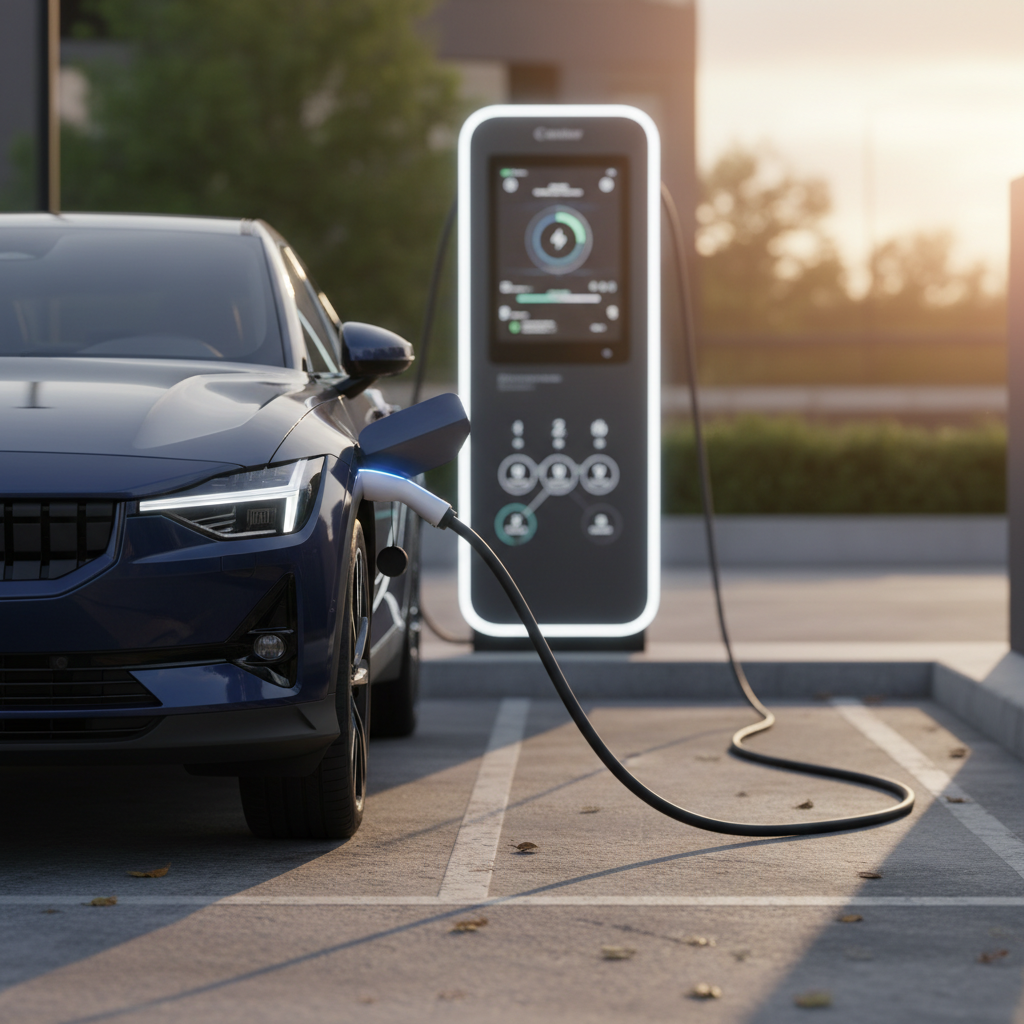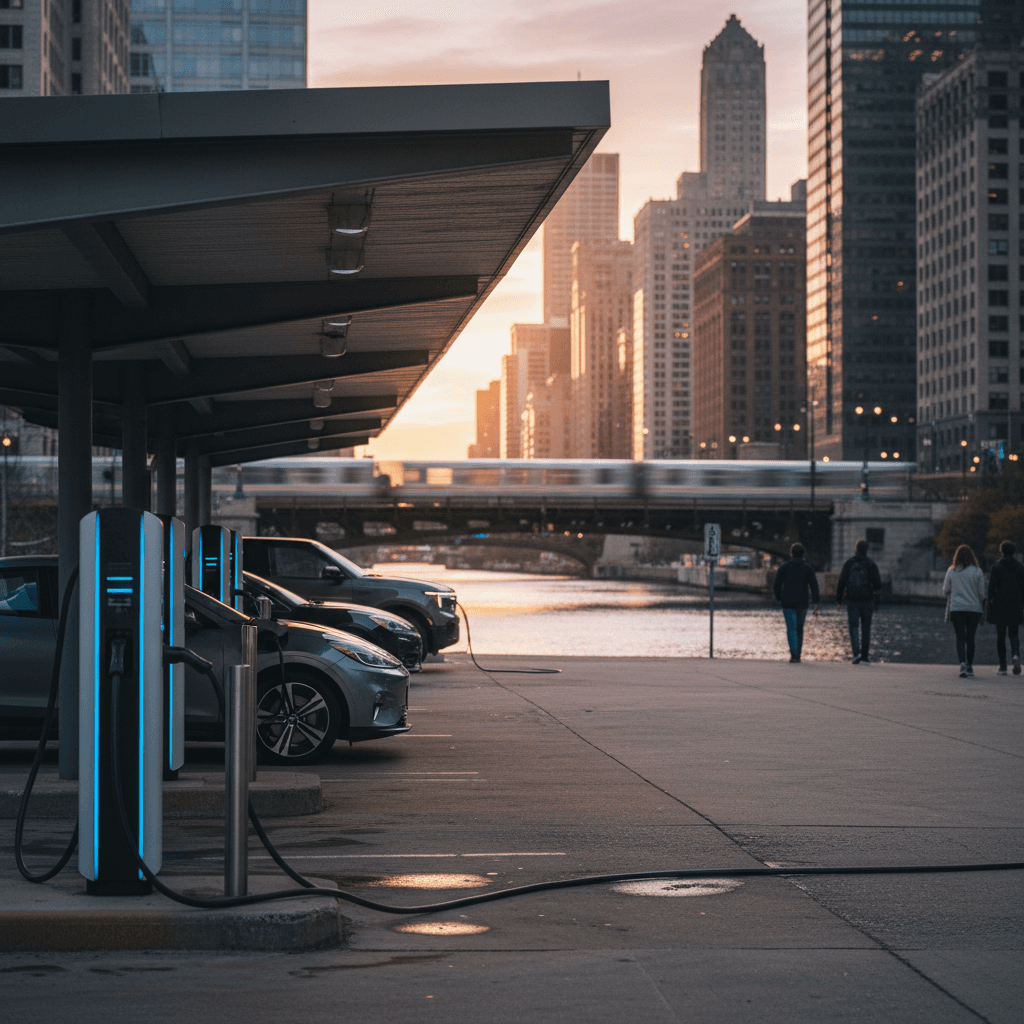
If you drive, or are thinking about buying, an electric vehicle in Chicago, your first question is usually simple: **where can I charge**? The good news: public EV charging stations in Chicago, IL have grown quickly, especially around the Loop, tourist destinations, and major highways. The bad news: access still varies a lot by neighborhood, building type, and how you use your car. This guide walks through what exists today, where the gaps are, and how to build a realistic charging plan for Chicago life.
Chicago’s EV moment
How many EV charging stations are in Chicago today?
Chicago EV charging at a glance (approximate)
There is no single, perfectly up‑to‑date number for EV chargers in Chicago on any given day, networks add and retire sites constantly. Broadly, you can expect **300+ public charging locations within city limits** and more than **1,000 across the metro area**, spanning Level 2 and DC fast charging. That’s a big jump from roughly 220 sites in 2022, and expansion continues as Illinois taps state and federal funding for new infrastructure.
Don’t rely on a raw “station count”
Types of EV charging stations in Chicago
Level 2 (L2) charging – the everyday workhorse
Most public EV charging stations in Chicago are Level 2, delivering 6–11 kW of power. In practical terms, that’s roughly 20–35 miles of range per hour for many modern EVs.
- Common at: parking garages, workplace lots, hotels, hospitals, universities, park districts, grocery stores.
- Best for: cars parked for a few hours or all day (downtown workers, overnight guests, residents without home charging).
- Typical session: 2–4 hours to top up from 30–70% on a commuter car.
DC fast charging – for road trips and rideshare
Fast chargers (often 50–350 kW) can add 150–200 miles of range in 30–40 minutes on compatible EVs.
- Common at: highway travel centers, big‑box parking lots, some city garages and transit hubs.
- Best for: long‑distance travel, rideshare and delivery drivers, or emergency top‑ups.
- Typical session: 15–45 minutes, depending on battery size, state of charge, and peak power of the station.
Match charging type to your lifestyle
Major EV charging networks in Chicago, IL
Who actually runs the chargers you’ll use?
A quick look at the main public networks around Chicago
ChargePoint
One of the largest Level 2 networks downtown and in the neighborhoods. Many workplace and garage chargers in Chicago are on ChargePoint hardware, even when pricing is set by the property owner.
Electrify America
High‑power DC fast charging (up to 350 kW) at select sites around the city and along I‑90/I‑94. Good coverage for road trips in and out of Chicago.
EVgo
DC fast charging hubs in and near central Chicago, including locations close to major tourist areas. Often located in parking garages or retail lots.
Tesla Supercharger & Destination
Multiple Supercharger sites across the metro area plus slower "Destination" chargers at hotels and garages. Some Superchargers now support non‑Tesla EVs via the North American Charging Standard (NACS), but availability varies by site.
Utility & city‑backed sites
ComEd and the City of Chicago are backing new public charging, especially near transit, equity areas, and municipal facilities, often integrated into existing parking infrastructure.
Property‑run stations
Many hospitals, universities, and private garages install their own chargers (sometimes on a big network, sometimes not). You’ll find these via apps like PlugShare, not just by network brand names.
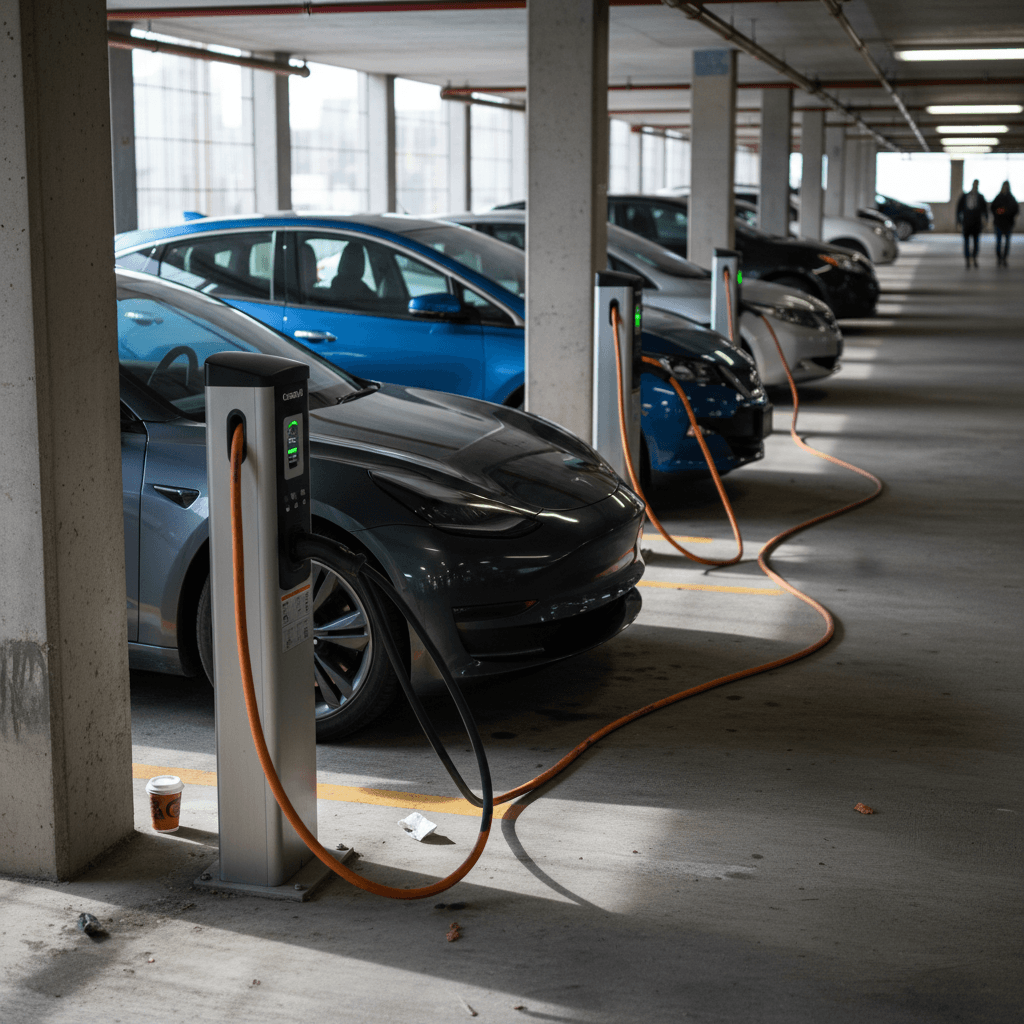
The Millennium Garages hub
Where to find EV chargers in Chicago, neighborhood by neighborhood
Access to EV charging in Chicago isn’t uniform. The Loop and North Side are comparatively well‑served; many South and West Side community areas still have few or zero public plugs. When you’re evaluating where to live, park, or even where to buy an EV, it helps to think geographically.
Typical public charging options by Chicago area
This table summarizes common patterns; always verify specific sites in your apps before you drive.
| Area | Charging pattern (high level) | What this means for you |
|---|---|---|
| Downtown / Loop / River North | Many garage‑based Level 2 stations, growing DC fast options, strong Tesla & network presence | Great if you park in paid garages or employer lots. You can often rely on public Level 2 plus the occasional fast charge. |
| Lakeview / Lincoln Park / Near North | Mix of grocery, retail, and garage Level 2, a handful of fast chargers | Feasible without home charging if you plan weekly public sessions; good for condo dwellers with paid parking. |
| West Loop / Fulton Market | Workplace garages with Level 2, some newer fast‑charging sites | Strong daytime charging for commuters; still developing overnight public options. |
| Far North Side (Rogers Park, Edgewater, Andersonville) | Scattered Level 2 at campuses, garages, and big retailers | You’ll want to map a few reliable stations and consider Level 1 or 2 at home if possible. |
| South Side lakefront (Hyde Park, South Loop fringe) | University and hospital garages, a few public lots, limited fast charging | Possible to own an EV with careful planning; fast charging may require driving a bit farther. |
| Inner West & South Side neighborhoods | Limited public chargers today; several community areas have none | Unless you have dedicated home or workplace charging, owning an EV here remains challenging in 2026. |
| Suburban collar communities | Rising mix of Level 2 at malls, grocery stores, and commuter rail lots; multiple fast‑charging plazas along interstates | If you commute into Chicago, it’s increasingly easy to combine home charging with opportunistic top‑ups near shopping and transit. |
Neighborhood charging access can change quickly as new projects go live.
Equity gaps are real
Best apps and tools to locate charging stations
Must‑have tools for finding EV charging in Chicago
Use at least two apps to reduce surprises
PlugShare
Crowd‑sourced and network‑agnostic. PlugShare shows most public EV charging stations in Chicago, with user reviews, photos, and real‑world reliability feedback.
Network apps
ChargePoint, EVgo, Electrify America, Tesla and others all have their own apps. These show real‑time availability, pricing, and enable tap‑to‑start sessions.
Google Maps / Apple Maps
Both now surface EV charging locations, power levels, and in some cases live availability. They’re improving but still miss certain private or new stations.
Utility & city resources
ComEd and the City of Chicago periodically publish maps and announcements for new charging programs, especially at transit and municipal sites.
In‑car navigation
Most modern EVs can route you via DC fast chargers on long trips and estimate arrival state of charge, vital in winter or heavy traffic.
Recharged purchase guidance
When you’re buying a used EV through Recharged, specialists can walk you through local charging options around your home and workplace so you don’t end up with a car you can’t conveniently charge.
Always confirm before you leave
What EV charging costs in Chicago
Pricing at EV charging stations in Chicago, IL varies widely. Property owners and networks use different models, some charge per kWh, others per minute, per session, or as a parking add‑on. You’ll also see very different pricing between subsidized municipal sites and fast chargers at private retailers.
Typical Chicago EV charging price patterns (2026)
These are directional examples; check your app for live pricing before plugging in.
| Charger type | Typical pricing model | Ballpark costs |
|---|---|---|
| Level 2 in public garage | Hourly or kWh fee, sometimes plus standard parking | Roughly $1–$3 per hour on top of parking, or ~$0.20–$0.30/kWh if priced by energy. |
| Retail / grocery Level 2 | Free for customers or modest hourly rate | Some chains offer free 1–2 hour sessions; others charge similar to pay garages but without a separate parking fee. |
| Workplace Level 2 | Subsidized or free, often via badge access | Often cheaper than public sites; some employers offer free or flat‑fee charging to encourage EV adoption. |
| Urban DC fast charger | Per kWh or per minute, idle fees if you linger | Expect total session costs in the $8–$25 range depending on how much energy you take and whether you pay idle penalties. |
| Highway DC fast charger | Per kWh, dynamic by location and time of day | Long‑distance trips can run $35–$60 in fast‑charge costs to refill a large‑battery SUV from low state of charge. |
Actual prices vary by network, time of day, and any membership or parking discounts.
How this compares to gas
Challenges and gaps in Chicago’s charging network
- Neighborhood disparities: Large parts of the South and West Sides remain under‑served, making EV ownership difficult without home or workplace charging.
- Apartment and condo access: While newer buildings increasingly include EV parking, many older multi‑unit properties do not, and retrofits can be slow to approve.
- Garage‑heavy downtown access: Many chargers are behind paid parking gates. Great if you already pay to park there, expensive for short top‑ups.
- Reliability complaints: Like other major US metro areas, Chicago drivers report issues with broken connectors, payment glitches, or blocked spaces at some sites.
- Winter performance: Cold weather reduces range and can lengthen DC fast‑charging sessions, increasing costs and congestion if stations are busy.
Plan for winter in particular
Charging strategies for different Chicago drivers
Pick the charging playbook that fits your life
City condo or apartment (no home charger)
Target a building with at least a few dedicated EV spots or realistic retrofit plans; ask detailed questions before signing a lease.
Build a weekly routine: for example, 2–3 hours on a Level 2 in your regular garage every Sunday, plus opportunistic top‑ups while shopping.
Favor EVs with better winter range and faster DC fast‑charging speeds, since you’ll depend more on public infrastructure.
Use PlugShare and network apps to keep a short list of "backup" chargers near home and work in case your usual spot is down.
Single‑family home or deeded parking
Install at least a 240‑volt (Level 2) circuit if your panel can handle it. Overnight home charging is by far the most convenient option in Chicago.
Use public charging mostly for road trips or when your schedule is unusually busy.
If installation is complex or your panel is marginal, talk with a licensed electrician and consider load‑sharing smart chargers instead of panel upgrades.
Choose electricity plans or time‑of‑use rates (if available) that reward off‑peak overnight charging.
Suburban commuter
Charge primarily at home overnight; aim to leave with at least 70–80% each morning in winter months.
Look for reliable Level 2 chargers near Metra or CTA park‑and‑ride lots if you mix driving with transit.
For days you drive all the way downtown, know which garages along your route have EV spots so you can charge while you’re in the office.
If your commute regularly exceeds 50–60 miles each way, favor EVs that can DC fast‑charge at 150 kW or higher for quick top‑ups on busy days.
Rideshare, delivery, and fleet drivers
Prioritize vehicles with fast DC charging and good efficiency; lost downtime is lost income.
Develop a "fast‑charge map" of 3–5 reliable hubs with amenities (restrooms, food, Wi‑Fi) you can hit between runs.
Track your average daily kWh use so you can budget time and money for fast charging versus slower overnight options.
Consider dedicated fleet charging depots or workplace solutions if you operate multiple vehicles in or around Chicago.
Quick checklist before you depend on public charging
Confirm plugs that match your car
Most non‑Tesla EVs use the CCS connector for DC fast charging and J1772 for Level 2. Newer models are shifting to NACS (Tesla’s standard). Make sure the station you’re driving to supports your plug without an adapter, or pack the right adapter if needed.
Verify hours and access rules
Some Chicago chargers are in gated garages, valet‑only lots, or employee‑only areas. Double‑check hours, access fees, and whether you need a badge or ticket to reach the charger.
Check for parking and idle fees
Many urban DC fast chargers bill for "idle" time if you stay plugged in after charging ends. Build a calendar reminder on your phone so you don’t pay premium rates for sitting full.
Test your primary app ahead of time
Create accounts and load payment info for major networks (ChargePoint, EVgo, Electrify America, Tesla if applicable) before your first big trip so you’re not fighting with app store downloads in a cold parking lot.
Have at least one backup option
Before relying on a new site, identify a second charger within 10–15 minutes’ drive. Equipment failures and lineups happen, even in major metro areas like Chicago.
How EV charging ties into buying a used EV in Chicago
If you’re in the market for a used EV in Chicago, **charging access should be part of your shopping checklist**, not an afterthought. It’s not enough to know there are "EV charging stations in Chicago, IL", you need to know how a specific car, with a specific battery and charging profile, fits your daily routes and your building’s realities.
Questions to ask before you buy
- Where will I park most nights, and is a Level 1 or Level 2 outlet realistic there?
- How many reliable Level 2 chargers exist within a 5–10 minute walk of my home or office?
- Do I regularly drive to parts of the city with little or no public charging?
- Does this EV support fast DC charging at modern speeds (100–150 kW+), or is it limited to older, slower standards?
How Recharged can help Chicago shoppers
Every vehicle on Recharged comes with a Recharged Score Report, including verified battery health and fair‑market pricing. That matters in Chicago, where cold winters and heavy urban driving put unique stress on packs.
- Battery diagnostics help you understand how much real‑world range to expect in January, not just on paper.
- Our EV specialists can walk your address and commute through local charging options and help you compare models.
- If you’re selling or trading in, Recharged offers instant offers, consignment, and financing options to simplify the switch to an EV that fits your charging reality.
Think like a Chicagoan, not a brochure
Ready to find your next EV?
Browse VehiclesFAQ: EV charging stations in Chicago, IL
Frequently asked questions about Chicago EV charging
Bottom line on EV charging in Chicago, IL
Chicago is no longer an EV charging desert. Hundreds of public sites, major DC fast‑charging networks, and one of the Midwest’s largest Level 2 hubs downtown make daily driving practical for many owners. At the same time, neighborhood gaps, garage‑centric access, and winter conditions mean you can’t treat EV charging here like a suburban driveway in the Sun Belt.
If you’re already an EV driver, invest a few hours in mapping realistic Level 2 options around your daily life and a handful of reliable fast‑charging hubs for emergencies and road trips. If you’re shopping for a used EV, pair those local realities with objective battery health data and charging specs. That’s where Recharged comes in, our Recharged Score, EV‑savvy support team, and flexible buying and selling options are built to help Chicago drivers choose the right EV for their charging environment, not just the right color on the showroom floor.