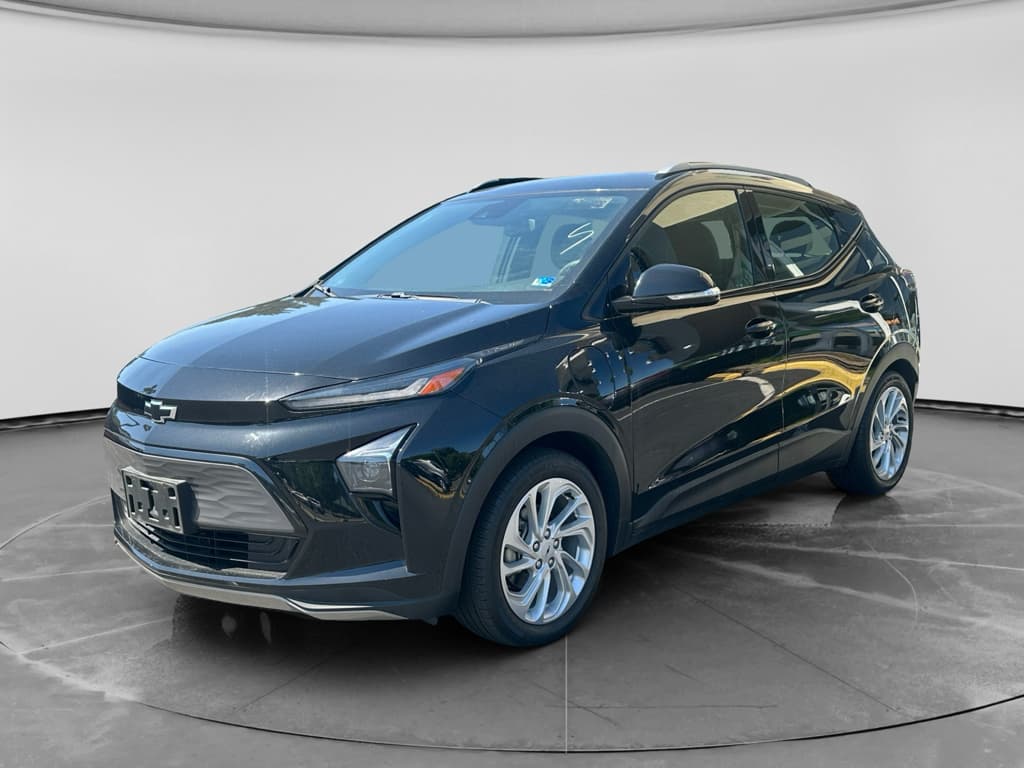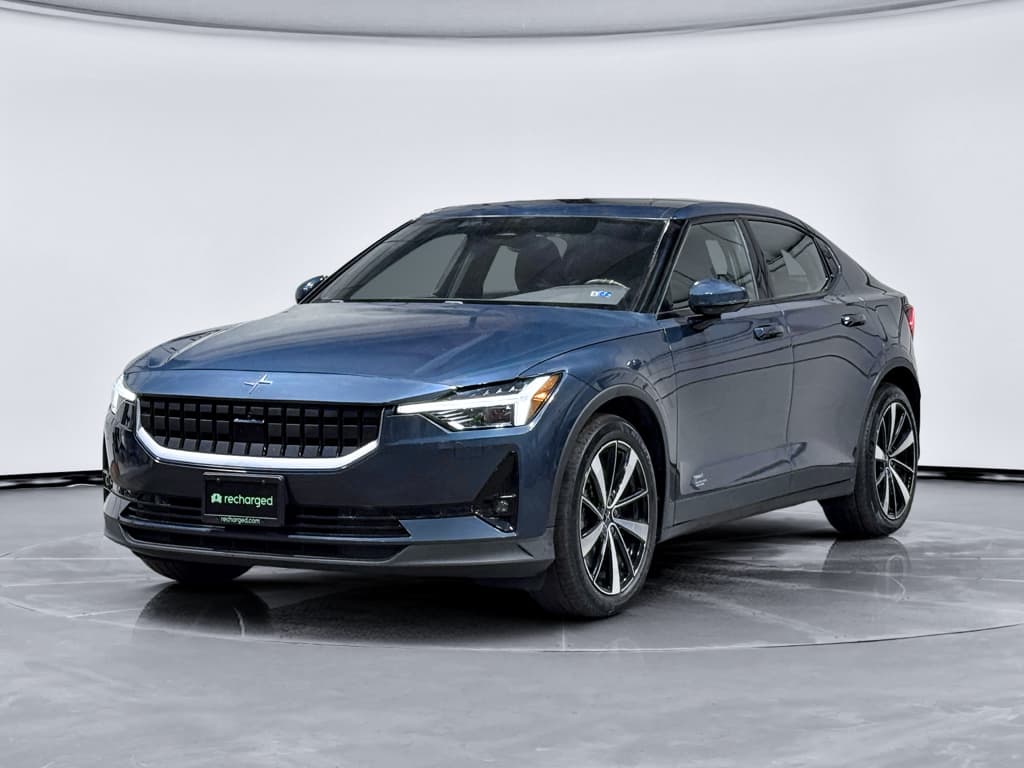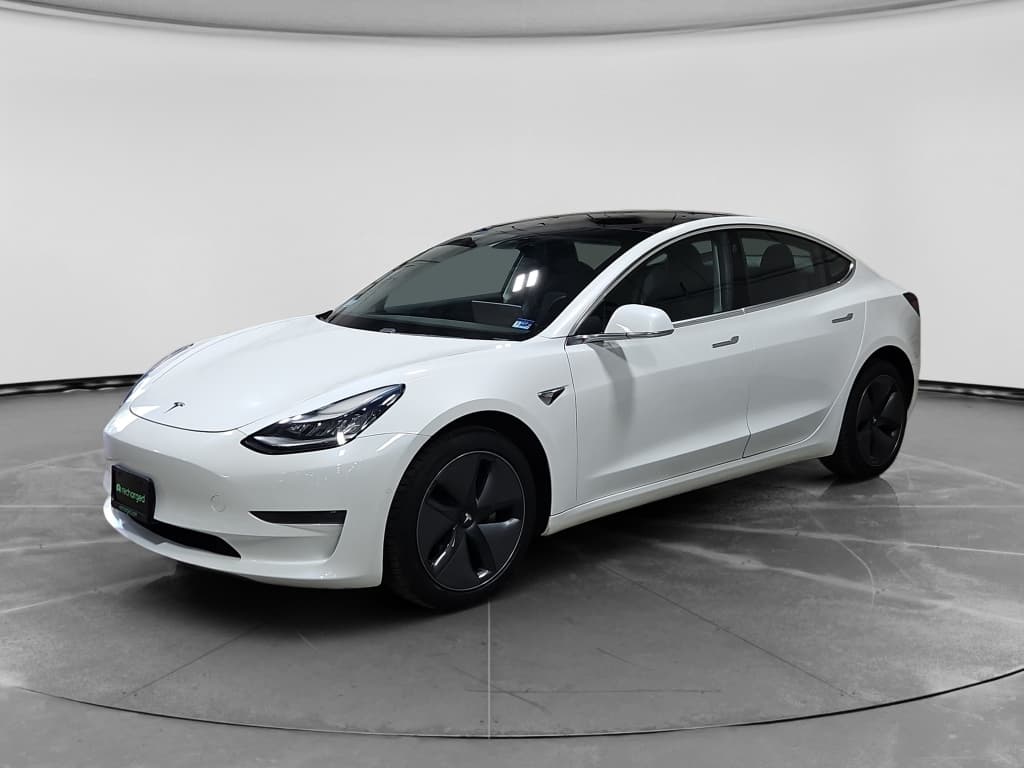
If you drive an electric car in Charm City, you’ve probably already noticed more EVs slipping into traffic and new chargers popping up around town. As Maryland pushes toward more than 100,000 registered EVs statewide and Baltimore commits to an all–zero‑emission city fleet by 2030, knowing how to use EV charging stations in Baltimore is quickly becoming part of everyday driving, not just road‑trip planning.
Baltimore is catching up fast
Why EV charging in Baltimore matters now
The big picture: across the U.S., public charging has roughly doubled in just a few years, with more than 200,000 non‑home chargers deployed by the end of 2024. Maryland alone recently crossed the 100,000‑EV mark and registrations are climbing by thousands of vehicles every month. That growth is being felt in and around Baltimore, where drivers are asking the same questions: Where can I plug in, how long will it take, and what will it cost?
At the same time, public policy is reshaping transportation in the city. Baltimore has committed to buying only zero‑emission vehicles for its light‑duty fleet procurements by 2030, which will put direct pressure on the city to keep expanding its charging network. For you as a private driver, that means more stations over time, but also more demand at popular locations.
Tip for used‑EV shoppers
Types of EV charging stations you’ll see in Baltimore
Not every charger is created equal. Around Baltimore you’ll run into three main types of EV charging, each with its own use case.
The three main charging types in Baltimore
Match the charger to your schedule, not the other way around.
Level 1 (120V)
Level 1 uses a standard household outlet.
- Adds roughly 3–5 miles of range per hour.
- Good for overnight top‑ups if you drive short daily distances.
- Rarely used as public infrastructure in Baltimore; mostly at home.
Level 2 (240V)
Level 2 is the workhorse in most cities, including Baltimore.
- Common at parking garages, libraries, parks, workplaces.
- Typically adds 20–35 miles of range per hour, depending on your car.
- Ideal for multi‑hour stays: workdays, errands, dinner, or overnight parking.
DC Fast Charging
DC fast chargers (sometimes called Level 3) are the road‑trip solution.
- Found along highways and at select high‑traffic urban sites.
- Can take some EVs from 10–80% in about 20–40 minutes.
- Best when you need to turn around quickly, not everyday battery topping.
Watch your connector
Major EV charging networks in Baltimore
You won’t see a single unified "Baltimore charging system." Instead, you’ll use a mix of national networks, utility‑backed programs, and city‑installed stations. The good news is that most of them can be activated from your phone.
Key charging networks serving Baltimore drivers
These are the logos you’re most likely to see on charger pedestals in and around Baltimore City.
| Network / Program | Typical Locations in/around Baltimore | Charger Types | Access Method |
|---|---|---|---|
| ChargePoint | City garages, hospitals, campuses, retail lots | Mostly Level 2, some DC fast | ChargePoint app or RFID card |
| EVgo | Retail centers, transit‑adjacent sites | DC fast + some Level 2 | EVgo app, credit card at some sites |
| Electrify America | Highway exits, big‑box retail in suburbs | Primarily DC fast, some Level 2 | EA app, credit card at many sites |
| Tesla Supercharger | Interstate corridors, regional travel hubs | DC fast (NACS/Tesla), some sites opening to other brands | Tesla app; certain sites support non‑Teslas |
| BGE EVsmart / City‑owned | City‑managed garages, parks, neighborhood curbs | Mostly Level 2 | Usually ChargePoint or similar app, sometimes QR code |
Always confirm current pricing and availability in each provider’s app before you drive out of your way.
City‑owned vs. private stations
Best ways to find EV charging stations in Baltimore
The most efficient Baltimore EV drivers use a combination of apps and in‑car navigation. Each tool has strengths and blind spots, so it’s worth setting up two or three before you really need them.
Apps and tools to locate Baltimore EV chargers
Use more than one source to avoid surprises.
PlugShare & other community maps
PlugShare, A Better Routeplanner, and similar apps aggregate station data across networks.
- Good for filtering by connector type and charging speed.
- User reviews flag broken equipment or tricky parking rules.
- Ideal when you’re exploring a new part of the city or planning a trip.
Network‑specific apps
Apps from ChargePoint, EVgo, Electrify America, and Tesla give you the most accurate, real‑time info on their own sites.
- Shows live availability and pricing.
- Required to start a session at many stations.
- Essential if you rely on one network near home or work.
Your car’s built‑in navigation
Most newer EVs integrate charging data directly into the nav system.
- Can pre‑condition the battery before a fast‑charge stop.
- Often prioritizes faster chargers on highways.
- Use it alongside third‑party apps for redundancy.
Local habit that pays off
Charging speeds in Baltimore and how long you’ll wait
How long you spend at a charger is a combination of your battery size, your state of charge when you plug in, the station’s power rating, and how much power your car can accept. Around Baltimore, most public Level 2 posts sit in the 6–11 kW range, while DC fast chargers can span from 50 kW at older sites to 150 kW or more at new highway stations.
What common Baltimore charging sessions look like
Don’t chase 100% at fast chargers
What EV charging costs in Baltimore
Pricing models vary widely across Baltimore, and they’re changing as Maryland looks for ways to replace lost gas‑tax revenue from growing EV adoption. You’ll see several common approaches at local stations:
- Per kWh pricing: You pay for the energy delivered, similar to your home bill. This is becoming more common at Level 2 sites and some DC fast chargers.
- Per minute pricing: Older DC fast networks often charge by the minute, sometimes with different tiers depending on the charger’s power rating.
- Session fees and parking charges: Many downtown garages and private lots add a flat session fee or standard parking rates on top of energy costs.
- Idle fees: Some stations add per‑minute charges if you stay plugged in after your session is complete, to discourage "camping" on a charger.
Home vs. public charging
If you have off‑street parking and can install a Level 2 charger, your lowest long‑term cost will almost always be charging at home, especially if you can tap off‑peak utility rates. Public Level 2 in Baltimore is typically more expensive than residential power but still cheaper per mile than gasoline.
Fast charging premiums
DC fast charging is priced for convenience. You’re paying for speed and location, not just electrons. For drivers without home charging, common in Baltimore’s rowhouse neighborhoods, it’s worth comparing nearby DC fast options with slower but cheaper Level 2 at workplaces, garages, or city‑owned sites.
Policy watch: fees for EVs
City and utility programs shaping Baltimore’s charging build‑out
Baltimore isn’t leaving charging entirely to the private market. City departments and BGE are actively steering where new plugs appear, with a particular focus on neighborhoods that have historically lacked both home‑charging options and clean transportation investments.
Programs to know if you charge in Baltimore
These efforts influence where new stations show up next.
Baltimore City EV Charging Program
The Parking Authority coordinates installation of chargers at city‑owned locations, garages, parks, libraries, and curbside pilot sites.
- Goal to place at least 30% of public chargers in Equity Zones.
- Residents can request new locations for consideration.
- Many stations use familiar networks like ChargePoint.
BGE EVsmart
Baltimore Gas & Electric’s EVsmart efforts include public chargers, home charger rebates, and education campaigns.
- Public stations often co‑branded with the city at key destinations.
- Home incentives can make Level 2 installation more affordable.
- Good starting point if you’re planning to install home charging.
Why this matters if you don’t have a driveway
Road trips and commuting from Baltimore: corridor charging
If you mostly drive within city limits, Level 2 chargers plus the occasional fast‑charge stop will cover your needs. But many Baltimore drivers regularly hop on I‑95, I‑83, or I‑70 for work or family trips, and that’s where highway‑oriented infrastructure comes in.
Key corridors from Baltimore and how to charge along them
Think in terms of corridors rather than individual stations when you plan longer drives.
| Route from Baltimore | Typical Destinations | What You’ll Use | Planning Notes |
|---|---|---|---|
| I‑95 north/south | Philadelphia, DC, Richmond, East Coast | Electrify America, EVgo, Tesla Supercharger (for Teslas and some non‑Teslas) | Dense coverage, but popular sites can get crowded at peak times. |
| I‑83 north | Harrisburg, central Pennsylvania | Mixed DC fast and Level 2 in towns along the way | Check small‑town options; some stretches have fewer high‑power sites. |
| I‑70 west | Frederick, Hagerstown, western MD | Highway DC fast at interchanges, some city‑run Level 2 in towns | New federal and state grants are funding more fast chargers along freight and travel corridors. |
Always check live status before you depart, fast chargers see heavy weekend and holiday use.
Route‑planning strategy from Baltimore

How to choose the right charging strategy in Baltimore
Build a Baltimore‑friendly charging game plan
1. Map your daily driving
Write down where you actually go in a typical week, commute, kids’ activities, shopping, weekend trips. This tells you whether you can mostly live on overnight charging or you’ll depend heavily on public infrastructure.
2. Identify “anchor” chargers
Look for reliable Level 2 or DC fast stations near your home, work, or regular destinations. In Baltimore, that often means a specific city garage, hospital, campus, or retail lot that consistently works for your schedule.
3. Decide if home charging is realistic
If you have off‑street parking, check with BGE and a licensed electrician about installing a 240V outlet or dedicated Level 2 charger. If you don’t, focus on public Level 2 near your home plus DC fast options on your regular routes.
4. Set up your apps and payment
Create accounts with at least two major networks you’ll encounter often (ChargePoint plus either EVgo or Electrify America is a common pairing), and add a payment method. This avoids scrambling at a charger with poor cell service.
5. Factor charging into your next vehicle decision
When you shop for your next EV, especially a used one, look at range, charging speed, and connector type alongside price. Recharged’s battery‑health diagnostics and expert support can help you pick a car that fits Baltimore’s charging reality.
6. Revisit your plan twice a year
New stations, new pricing, and seasonal range swings mean your ideal strategy can change. Re‑check your favorite apps and routes every few months to see whether a new site could save you time or money.
FAQ: EV charging stations in Baltimore
Frequently asked questions about EV charging in Baltimore
The bottom line on EV charging stations in Baltimore
Baltimore’s EV charging landscape is in transition: not as built out as major EV hubs like Los Angeles, but growing quickly as Maryland adds EVs, federal and state grants fund new highway sites, and the city targets more chargers for neighborhoods that historically haven’t had them. For drivers who understand the difference between Level 1, Level 2, and DC fast, and who take a few minutes to set up the right apps, EV charging stations in Baltimore are already practical for daily life and regional travel.
If you’re considering a used EV, or just trying to make your current one work better with Baltimore’s infrastructure, think of charging as part of the purchase decision, not an afterthought. With tools like Recharged’s battery‑health reports, fair pricing insights, and EV‑specialist guidance, you can match the right car to the way you actually drive and charge around the city, so you spend more time getting where you’re going, and less time hunting for an open plug.