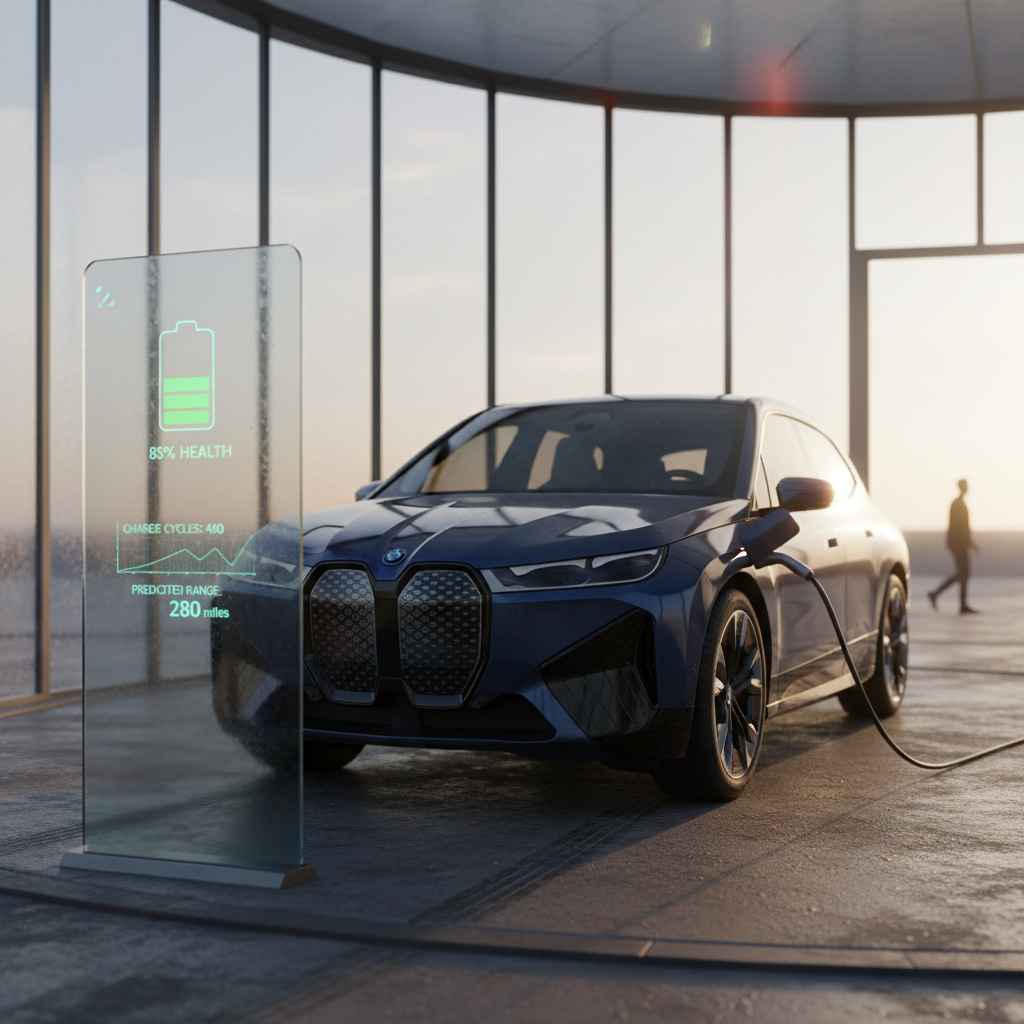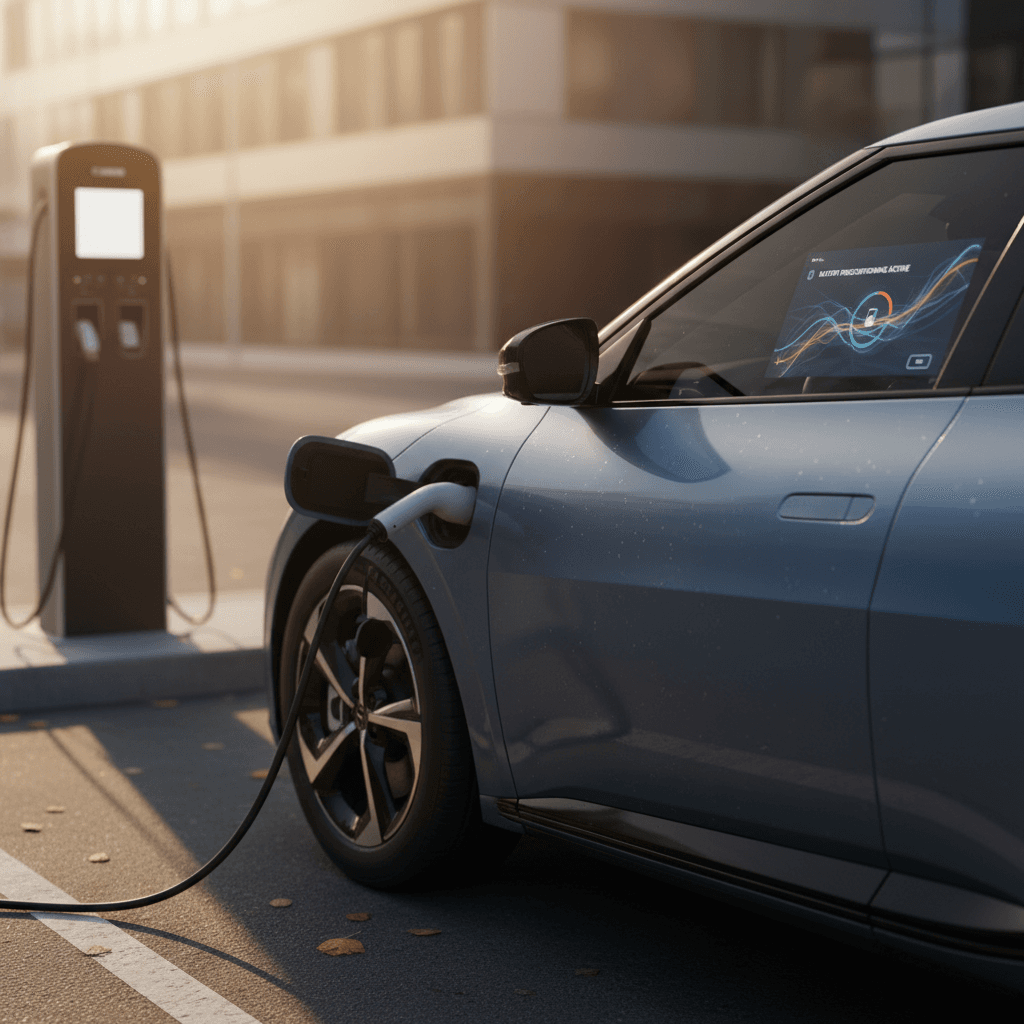
If your EV charging in cold weather feels slower, you’re not imagining it. When temperatures drop, your battery chemistry changes, onboard software gets more conservative, and both home and fast charging can take noticeably longer. The good news: once you understand why it happens, you can plan around it and cut those winter wait times down.
Cold-weather charging at a glance
Why EV charging slows down in cold weather
Lithium-ion batteries don’t like extremes, hot or cold. In winter, the electrolyte inside your battery becomes more sluggish, and the internal resistance of the pack goes up. To protect long-term battery health, your EV’s software responds by reducing charging power, especially at the start of a session. It’s not the charger being weak; it’s the car deliberately taking it easy.
What’s happening inside the battery
- At low temperatures, lithium ions move more slowly between the anode and cathode.
- Higher internal resistance means more heat would be generated if you pushed full power.
- Too much power into a cold pack can cause plating on the anode, which permanently reduces battery capacity.
What your EV does to protect itself
- Limits maximum charging power until the pack warms up.
- Uses a battery heater (if equipped) to raise pack temperature.
- Adjusts the charge curve, so it ramps up later and tapers earlier than in mild weather.
All of this is good for long-term battery health, but it can make winter charging feel painfully slow if you’re not expecting it.
Don’t blame the charger too quickly
How much slower can EV charging be in the cold?
Typical winter charging slowdowns
These are typical real-world ranges, not hard rules. Results vary by model, battery size, software calibration, and whether your EV has an active thermal management system. Newer models generally handle winter better than early EVs, but every lithium‑ion pack slows down when it’s cold.
Look at the charging curve, not just the kW number
Level 2 vs. DC fast charging in winter
Cold weather doesn’t affect all charging the same way. Level 2 home charging (usually 240V, 7–11 kW) is impacted less dramatically than DC fast charging on the highway. That’s because Level 2 is slower and gentler already, and your car often has hours to balance heating the pack with charging.
How cold weather affects different charging types
What you’re likely to see at home vs. on the road
Level 2 home or workplace charging
- Impact: Mild to moderate. Charge times might stretch from, say, 8 hours to 9–10 on a very cold night.
- Comfort bonus: You can preheat the cabin while plugged in, using grid power instead of your battery.
- Best use: Overnight top‑offs from 20–80% or 30–90% where timing isn’t critical.
DC fast charging (public high-speed)
- Impact: Moderate to severe. A 25‑minute summer stop can turn into 40–45 minutes in deep winter.
- Most affected: Arriving with a cold pack and a very low or very high state of charge.
- Best use: Road trips; plan for longer stops and use them for meals or breaks.
Real-world scenarios you’ll notice in cold weather
It’s one thing to know the theory. It’s another to be standing at a charger in January wondering why your EV is sipping instead of gulping electrons. Here’s how cold-weather charging quirks show up in day-to-day driving.
- You stop at a 150 kW DC fast charger, but your car only takes 40–60 kW for the first 10–15 minutes because the pack is cold.
- A short city drive to the station doesn’t warm the battery much, so the charger feels slower than on a long highway leg.
- Your Level 2 charger at home still fills the battery overnight, but the last few percent creep up slowly and the car may run its battery heater before or during charging.
- The car’s estimate for time-to-full jumps around more in winter, especially immediately after you plug in.
- Range drops faster once you get back on the highway, cabin heat and cold air are working against you, so you’re back at a charger sooner than expected.
Watch out for low state of charge in freezing temps
How to speed up EV charging in cold weather
You can’t change battery chemistry, but you can work with it. A few smart habits can dramatically reduce how much winter slows you down, especially on road trips.
Practical ways to reduce winter charge times
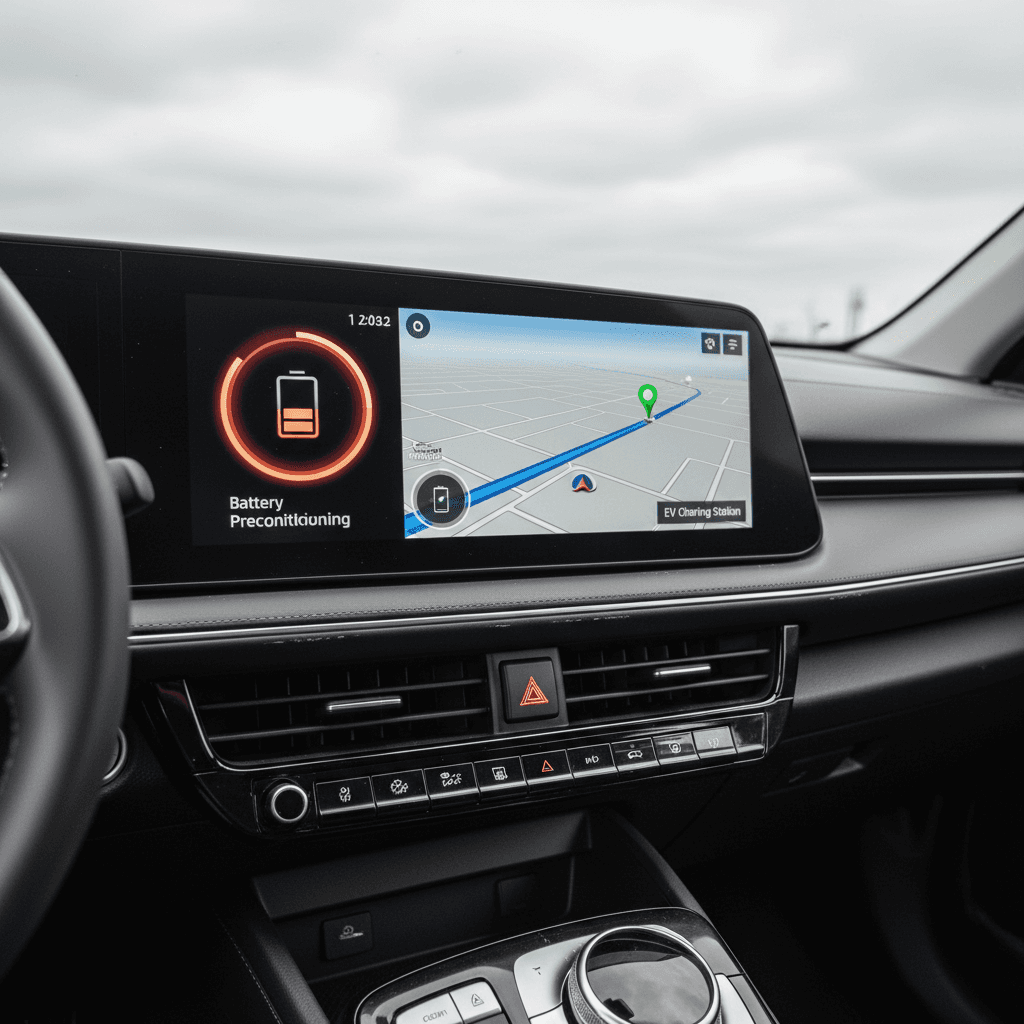
1. Precondition the battery before fast charging
Most newer EVs let you <strong>precondition</strong> the battery by setting a DC fast charger as your destination in the built‑in navigation. The car will warm the pack on the way so it can accept higher power the moment you plug in.
2. Arrive with a warm battery, not just a low one
A long highway drive warms the pack far more than a short hop across town. If possible, plan fast-charging stops after 45–90 minutes of driving rather than just a quick 10‑minute run from home.
3. Aim for a mid-range state of charge
Most EVs charge fastest between roughly 10–60% or 20–70%. In winter, try to arrive at the station within that window and avoid charging to 100% unless you truly need the range.
4. Charge right after driving, not from a cold soak
If your car has been sitting outside all night in single‑digit temps, don’t expect peak speeds right away. Whenever you can, <strong>plug in immediately after driving</strong>, while the pack is already warm.
5. Use scheduled charging at home
Set your Level 2 charger or your car’s charging schedule so it finishes just before you typically leave in the morning. The pack will be warmer, your cabin can preheat while plugged in, and you’ll start your drive with a happier battery.
6. Keep the car plugged in when it’s extremely cold
If your EV supports it, staying plugged in allows battery management systems to maintain a safer temperature in deep cold. That can reduce both range loss and the worst charging slowdowns the next time you plug in fast.
Quick win for apartment and condo drivers
Protecting battery health when it’s freezing
Faster is not always better. Pushing a cold battery too hard is exactly what your EV is trying to avoid. If your car seems overly conservative in winter, that’s typically to preserve long-term battery health and resale value.
Winter charging habits: good vs. risky
Simple changes in how you charge can protect your battery and keep your used EV attractive to the next owner.
| Good habit | Why it helps | Risky habit | Why it hurts |
|---|---|---|---|
| Charging from ~20–80% most days | Keeps the battery in its comfort zone and shortens winter charge times | Frequently charging from 0–100% in extreme cold | Stresses the pack at both ends of its range when it’s least tolerant |
| Preconditioning before DC fast charging | Raises battery temperature so it can safely accept higher power | Fast charging immediately after an overnight cold soak | Forces the car to limit power heavily to prevent damage |
| Using cabin seat and wheel heaters | These use less energy than blasting air heat, preserving range | Cranking cabin heat to max while fast charging | Extra draw can marginally slow charging and increase pack stress |
| Parking in a garage when possible | Reduces cold soak, helping both range and charging speed | Leaving the car unplugged outside for days in deep cold | Battery sits at low temps and may need extra time to warm before charging |
Aim for the habits on the left, and avoid the ones on the right when possible.
Don’t try to outsmart the BMS
Cold weather charging and used EVs
If you’re shopping for a used EV in a four‑season climate, winter charging performance should be part of your decision, not an afterthought. Vehicles with healthy batteries and robust thermal management tend to handle cold weather charging better and keep more of their original range.
Questions to ask when buying used
- Does this model have active battery thermal management (liquid cooling/heating)?
- How much battery capacity has it lost compared with new?
- Are there known software updates that improved winter charging for this model?
- How did the previous owner store and charge the car in winter?
A model that’s great on paper can still feel sluggish in January if the pack is worn or the software is outdated.
Where Recharged can help
Every vehicle sold through Recharged includes a Recharged Score Report with verified battery health and transparent data on how that pack is performing today, not just when it left the factory.
If you’re worried about winter range or charging performance, our EV specialists can walk you through which used models tend to handle cold climates best and help you compare options side by side.
Cold-weather EV charging checklist
Use this quick checklist before your next cold‑weather trip or winter season. It’s a simple way to apply everything you’ve just read without memorizing the details.
Before, during, and after your winter drives
Before the season starts
Update your car’s software, test your home Level 2 charger, and review how to enable battery preconditioning to a DC fast charger in your nav system.
The night before a winter trip
Plan your charging stops around highway miles, not just distance. Aim to reach fast chargers between 10–30% state of charge after at least 45 minutes of driving.
Right before you leave home
Preheat the cabin while plugged in and, if your EV allows, set a departure time so charging finishes just before you unplug.
On the way to a fast charger
Route to the station in your car’s navigation so it can warm the battery automatically. Avoid detours that cut warm‑up time short unless necessary.
While you’re plugged in
Expect slower speeds at first. Use the time for a meal or a break and watch how the kW value and state of charge improve as the pack warms.
After your trip
If you’ve finished with a warm battery and still have home charging available, plug in while it’s warm instead of waiting until the pack cools completely.
FAQ: EV charging in cold weather is slower
Common questions about cold-weather EV charging
Key takeaways for winter EV charging
Cold weather will slow EV charging, it’s part of how lithium‑ion batteries and smart software keep your pack healthy for the long haul. But with the right habits, you can keep that slowdown manageable. Precondition the battery, arrive at chargers with a warm pack and mid-range state of charge, and use overnight Level 2 charging to your advantage.
If you’re considering a used EV and you live where winters are real, factor cold‑weather charging and range into your decision from the start. At Recharged, every vehicle comes with a Recharged Score Report, so you know exactly how that specific battery is doing before you buy. That way, when the temperature drops, your charging plan is ready, and your EV is too.