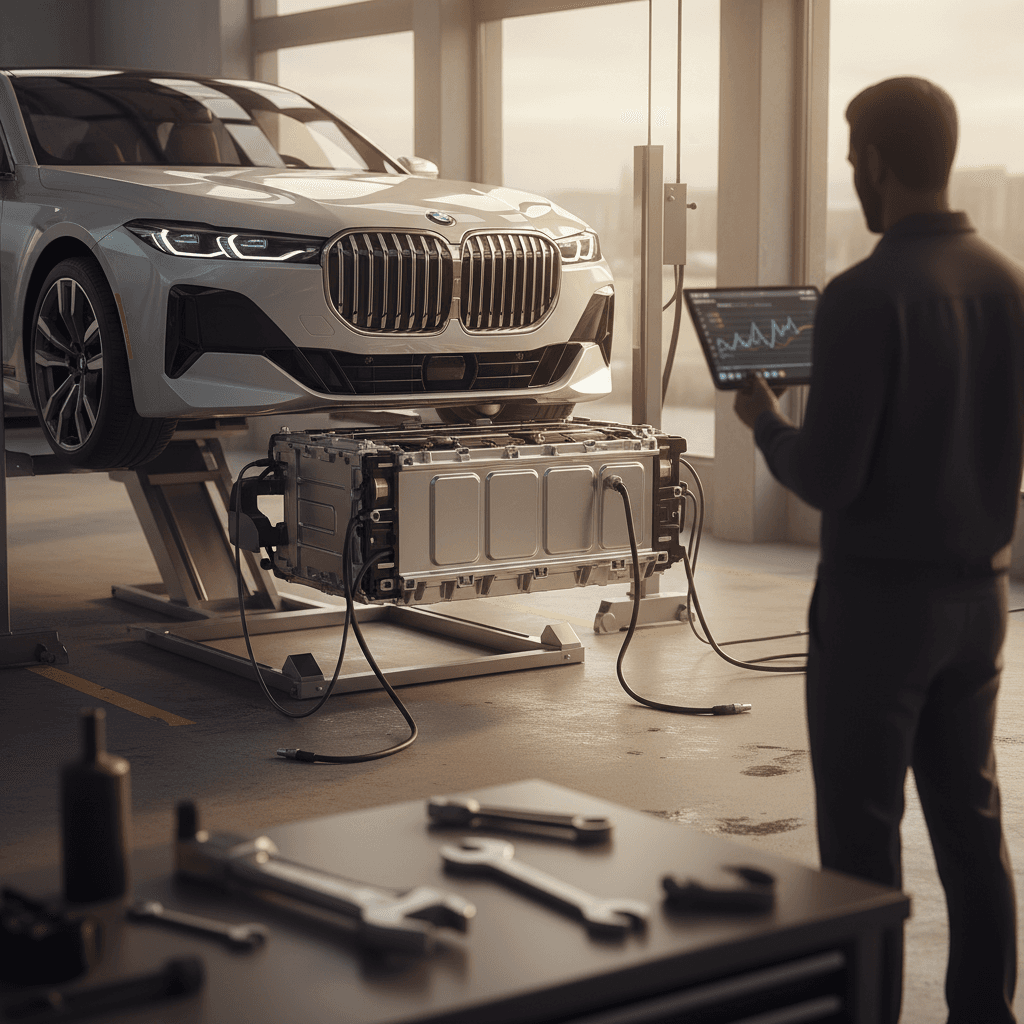
If you care about dollars and cents as much as you care about soft-close doors and massage seats, the BMW i7 depreciation rate should be on your radar. As BMW’s electric flagship, the i7 combines staggering tech and comfort with some of the steepest value loss in the luxury-car market, especially in its first few years. That’s bad news if you bought new, but potentially very good news if you’re shopping used.
Quick take
Overview: How Fast Does the BMW i7 Depreciate?
We’re still in the early generations of the BMW i7, but several data sources already paint a consistent picture: the i7 is a phenomenal car that sheds value rapidly compared with more mainstream EVs and even some gas BMWs.
BMW i7 Depreciation at a Glance
Those numbers sound brutal because they are. Yet they’re also exactly what makes the i7 compelling on the used market. A car that sold new for well into six figures can slide into upper‑middle‑class budgets in just a few model years.
The Numbers: BMW i7 Depreciation Rate by Year
Let’s translate that high‑level picture into a simplified year‑by‑year view. We’ll use a hypothetical i7 with a $120,000 MSRP, similar to a well‑equipped xDrive60 or M70 when new. Actual values will vary by trim, options and local market, but the curve looks broadly like this.
Illustrative BMW i7 Depreciation Curve (Approximate)
Example depreciation trajectory for a BMW i7 originally priced around $120,000.
| Age | Estimated Value | % of Original MSRP Remaining | Approx. Depreciation from New |
|---|---|---|---|
| Year 1 | $84,000 | 70% | -30% |
| Year 2 | $60,000 | 50% | -50% |
| Year 3 | $46,000 | 38% | -62% |
| Year 4 | $38,000 | 32% | -68% |
| Year 5 | $28,000 | 23% | -77% |
These are directional figures to explain the shape of the curve, not a substitute for a VIN‑specific appraisal.
These are estimates, not guarantees
What’s most important isn’t whether your individual i7 is worth $46,000 or $50,000 after three years. It’s the shape of the curve: a **very steep drop in the first 24–36 months**, followed by a slower, more traditional luxury‑car decline. That pattern is typical for high‑end EVs right now, and the i7 sits on the aggressive end of the spectrum.
Why Does the BMW i7 Depreciate So Quickly?
Four Forces Driving BMW i7 Depreciation
Most have little to do with how the car actually drives.
1. Tech Obsolescence
The i7 is packed with fast‑moving tech: huge screens, driver‑assist suites, over‑the‑air software, even theater screens. When BMW updates these systems or redesigns the interior, older cars feel dated much more quickly than a simpler 5 Series from ten years ago.
2. Luxury EV Supply vs Demand
Top‑end EV sedans are a thin slice of the market. As more brands launch big electric flagships, there are simply more cars chasing a small pool of buyers willing to pay six‑figure prices, especially used.
3. Perceived Repair & Complexity Risk
Used shoppers know an out‑of‑warranty 7 Series has never been cheap to own. When you add EV‑specific hardware, air suspension and complex electronics, risk‑averse buyers demand steep discounts or look elsewhere.
4. Incentives & Pricing Volatility
Factory incentives, corporate fleet deals and shifting MSRPs on new i7s pull used prices down. When new transaction prices fall, late‑model used cars have to reprice quickly to stay attractive.
Good car, bad balance sheet (for the first owner)
BMW i7 Depreciation vs Other Luxury EVs
To understand the BMW i7’s depreciation rate in context, you have to zoom out to the broader luxury EV class. Across the segment, flagship EVs have been hammered on resale values in their first few years on the road.
Luxury EV Depreciation Snapshot (Illustrative)
How the BMW i7 broadly compares to key rival luxury EVs on 5‑year depreciation.
| Model | Type | Approx. 5‑Year Depreciation | Notable Context |
|---|---|---|---|
| BMW i7 | Electric 7 Series | ≈75–77% | Steepest depreciation among BMW EVs; mirrors poor 7 Series resale historically. |
| Mercedes‑Benz EQS | Electric S‑Class alternative | 70%+ | One of the worst luxury EVs for resale; big price cuts on new cars drag used values down. |
| Lucid Air | Startup luxury EV | 70%+ | High MSRP, limited brand recognition and rapid tech iteration push used values down sharply. |
| Tesla Model S | Luxury performance EV | 60–70% | Earlier cars hit hard, but broader demand and brand familiarity support values somewhat better than niche flagships. |
Ranges are rounded, directional estimates based on early resale data for luxury EVs and their ICE siblings.
The short version: **the i7 isn’t an outlier so much as a vivid example** of how punishing early luxury EV depreciation can be. Where it does stand out is within BMW’s own lineup, data points to the i7 losing a higher share of its value than models like the i4 or even the iX.
Real-World Used BMW i7 Prices
Walk a dealer lot or browse online and you’ll quickly see how dramatic this value reset is. Early i7s that stickered in the $120,000–$150,000 range are already showing up tens of thousands of dollars cheaper just a few years later.
What you’ll often see listed
- Year‑old or two‑year‑old i7 xDrive60 examples advertised tens of thousands below original MSRP.
- Heavily optioned cars (executive rear seats, Theater Screen, Bowers & Wilkins audio) discounted the most in absolute dollars.
- Higher‑mileage corporate or chauffeur cars undercutting low‑mileage private‑owner cars by a wide margin.
What typically explains big price gaps
- Mileage and use case: 10–15k miles a year in livery use vs 4–6k as a private car.
- Battery and charging history: Lots of fast‑charging and high utilization vs primarily home Level 2 charging.
- Warranty remaining: A car that’s about to roll off a comprehensive warranty will trade at a deeper discount.
Why this is a huge opportunity for used buyers
Key Factors That Shape Your i7’s Resale Value
What Moves BMW i7 Depreciation Up or Down
1. Battery health and fast‑charging history
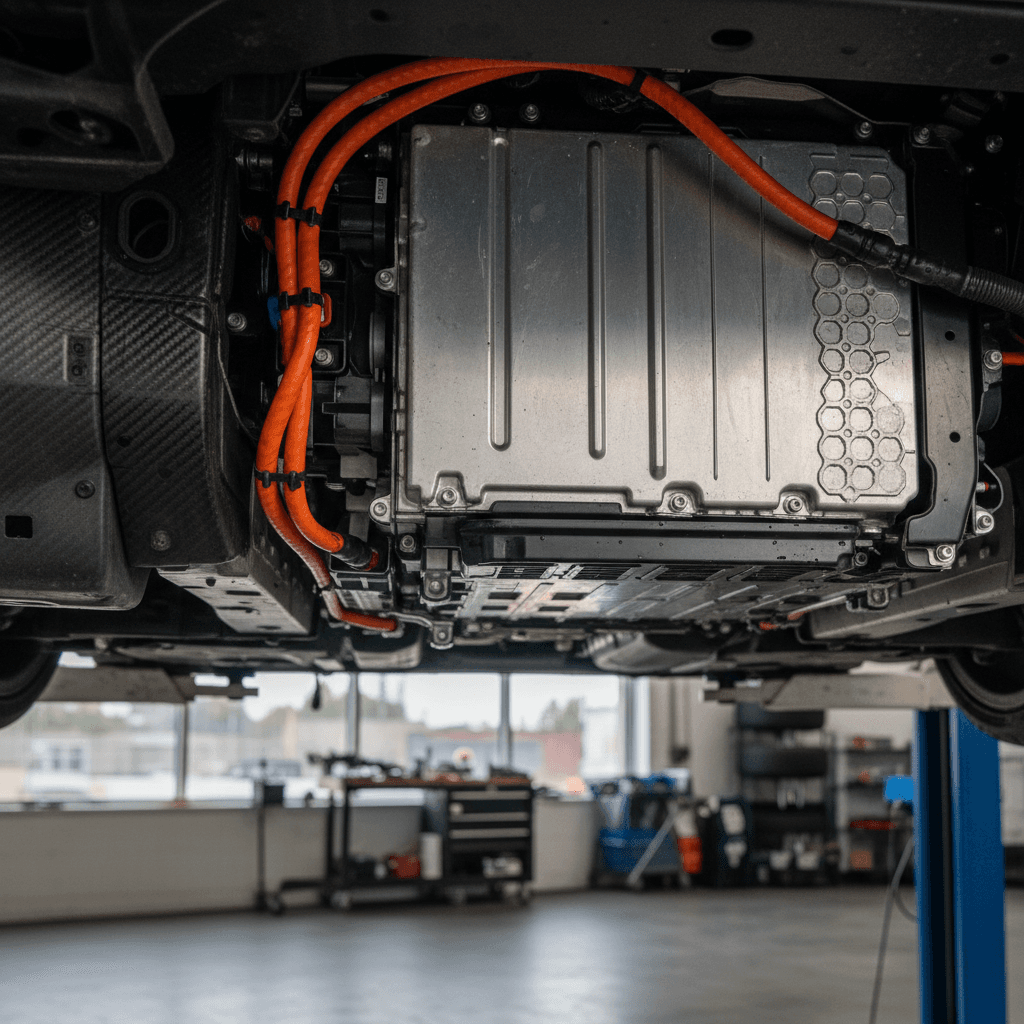
In an EV, the traction battery is the single most expensive component. Frequent DC fast charging, high annual mileage, or thermal issues can accelerate degradation and spook used‑car buyers. A third‑party battery report, like the Recharged Score battery health diagnostics, goes a long way toward protecting value.
2. Mileage and duty cycle
A private‑owner i7 used for commuting looks very different from a high‑mileage chauffeur or airport‑limo car. Similar age, very different residual value. Expect steep discounts on i7s that have seen heavy commercial use.
3. Trim level and option mix
Fully loaded cars take the biggest dollar hit, but not every option adds equal value on the used market. Features that directly affect comfort and usability, like adaptive air suspension, soft‑close doors and driver‑assist suites, tend to matter more than niche aesthetic packages.
4. Warranty coverage left
A car with several years of both basic and high‑voltage battery coverage remaining is easier to sell and will typically command higher prices than an otherwise identical car just out of its comprehensive warranty.
5. Market mood around luxury EVs
Sentiment toward luxury EVs can swing quickly with interest rates, incentives and brand headlines. A soft new‑EV market puts extra pressure on used values, while limited new supply or attractive financing can stabilize them.
6. Service history and cosmetic condition
A clean, well‑documented service history and a tidy interior go further than most owners think. Buyers already nervous about long‑term EV costs are quick to walk away from neglected cars.
How to Shop Smart for a Used BMW i7
If you’re on the right side of the depreciation curve, that is, you’re shopping used rather than signing for a brand‑new i7, you can stack the odds heavily in your favor with a structured approach.
- Start with a clear budget that includes insurance, charging and a repair buffer, not just the payment.
- Shortlist trims and years that balance updated tech with price. For many buyers, a 2–3‑year‑old xDrive60 is the sweet spot.
- Screen out ultra‑high‑mileage or heavily modified cars unless the price truly reflects the risk.
- Insist on a detailed battery and charging‑history report, not just a dashboard range figure.
- Drive the car in the conditions you’ll actually use it: highway cruising, broken pavement, night‑time driving to test lighting and driver‑assist.
- Compare multiple VINs, not just multiple listings. Two nearly identical i7s can hide very different histories.
How Recharged can help
Protecting Yourself If You Already Own or Lease an i7
Maybe you’re already in an i7 and watching the market with some anxiety. You can’t rewind depreciation, but you can make smarter decisions about what happens next, and how much of the remaining curve you’re willing to ride out.
Owner Playbooks: Depending on Your Situation
Leased i7 (esp. 2022–2024 builds)
Know your residual. Compare your buyout price to current market values well before lease‑end.
If market value is **below** your residual, handing the car back is usually the least‑painful financial option.
If market value is **above** your residual (rare, but possible for specific specs), consider buying and reselling or keeping long‑term.
Watch mileage caps, excess‑mileage penalties can erase the benefit of holding out for an extra year.
Financed or Cash i7 Owners
Decide if you’re a ‘drive it into the ground’ owner or planning to bail while comprehensive warranty remains.
Keep up with software and recall campaigns; strong documentation helps when it’s time to sell or trade.
If you’re underwater on a loan, avoid rolling negative equity into another luxury car unless your income and time horizon really justify it.
If you decide to exit, get multiple offers, dealers, instant‑offer platforms and EV‑specialist marketplaces like Recharged.
Considering a Trade or Instant Offer
Get a real‑world value baseline using several appraisal tools and real listing comps.
Collect service records and any battery documentation before you shop the car around.
Leverage EV‑focused buyers. A platform that understands EV batteries and equipment will often value an i7 more rationally than a generalist lot.
Be realistic: the goal is to minimize further losses, not chase back the money already lost to early‑year depreciation.
Avoid this common trap
BMW i7 Depreciation Rate: FAQ
Frequently Asked Questions About BMW i7 Depreciation
Bottom Line: Who the BMW i7 Depreciation Curve Favors
The BMW i7 was never destined to be a residual‑value hero. It’s a rolling technology showcase in a segment that’s inherently niche and evolving faster than traditional depreciation models can keep up with. That combination makes the **BMW i7 depreciation rate** look alarming on paper, especially if you bought new and expected S‑Class‑like residuals that were never really there.
But if you’re approaching the i7 with clear eyes and flexible expectations, the story flips. As a used buyer, you get to enjoy one of the most comfortable and technically sophisticated EVs on the road after someone else has paid for the steep early years. As an existing owner, you can still make smart, rational decisions about when and how to exit, instead of letting sunk costs drive the next move.
Either way, the key is data. Before you buy, sell, trade in or consign an i7, ground your decision in real‑world pricing and verified battery health. That’s exactly the gap companies like Recharged are trying to close, turning a confusing, fast‑moving EV market into a more transparent, less painful experience for the people actually writing the checks.