If you’ve been waiting for EV cars under $15,000 to hit the market, 2025 is finally your moment. Used electric vehicle prices have fallen sharply over the last two years, and for the first time you can realistically shop for a decent, everyday EV on a compact‑car budget, if you know where to look, and what to avoid.
Good news for budget EV shoppers
Why used EVs are finally getting cheap
Used EV prices have fallen fast
Two forces are working in your favor. First, early EVs, especially compact hatchbacks with modest range, never commanded huge resale values to begin with. Second, the overall used EV market has seen much steeper depreciation than gas cars as new models with longer range hit the market and as buyers worry about battery life. That depreciation is painful for first owners, but it’s exactly what opens the door for you to buy an electric car for under $15,000.
At the same time, more EVs are coming off lease and being traded in, swelling supply. Add in the scheduled end of federal EV tax credits on September 30, 2025 for many buyers, and some current owners are choosing to sell sooner rather than later. The result: more affordable used EVs, especially older city‑range models, popping up on dealer lots and marketplaces like Recharged across the country.
Cheap doesn’t always mean good value
What EVs can you realistically buy under $15,000?
Let’s be candid: you’re not going to find a low‑mileage Tesla Model Y for $15,000. But you can absolutely find solid, usable EVs at that price point, especially if you’re open to older model years, higher mileage, or slightly shorter range. Here are the models most likely to show up in the sub‑$15k bracket in 2025 in many U.S. markets:
Core EVs commonly found under $15,000
Expect higher miles and earlier model years, but surprisingly usable daily range.
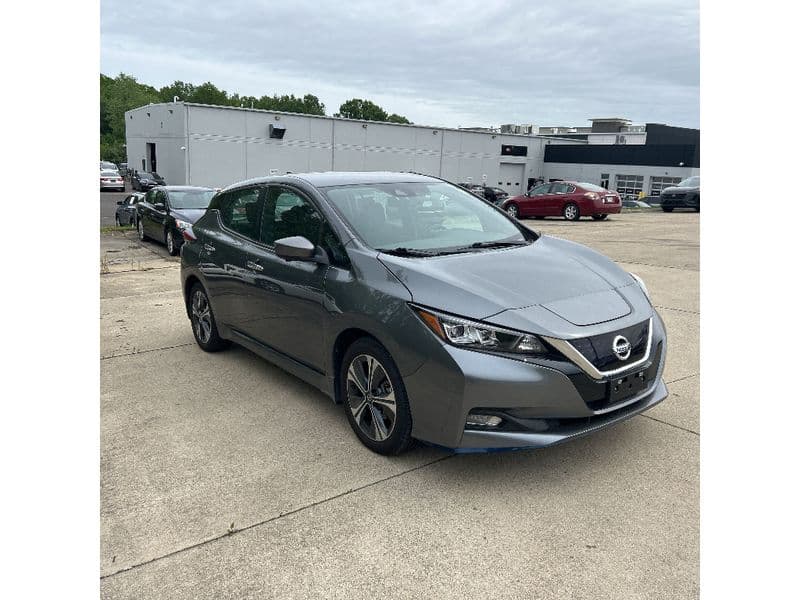
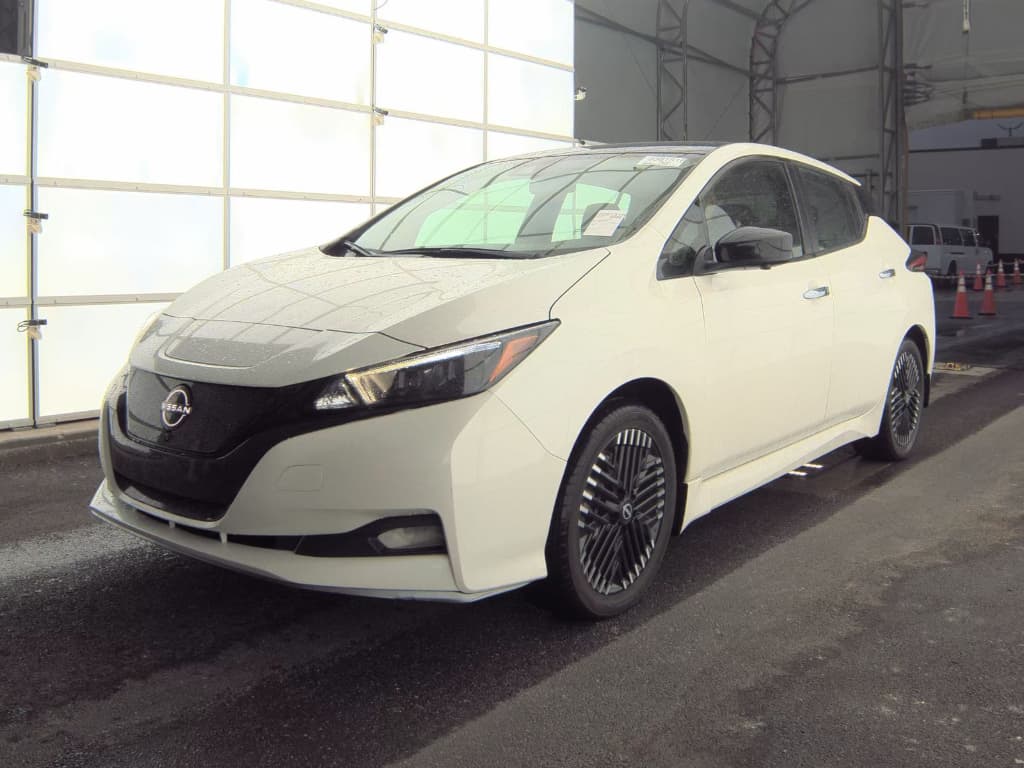
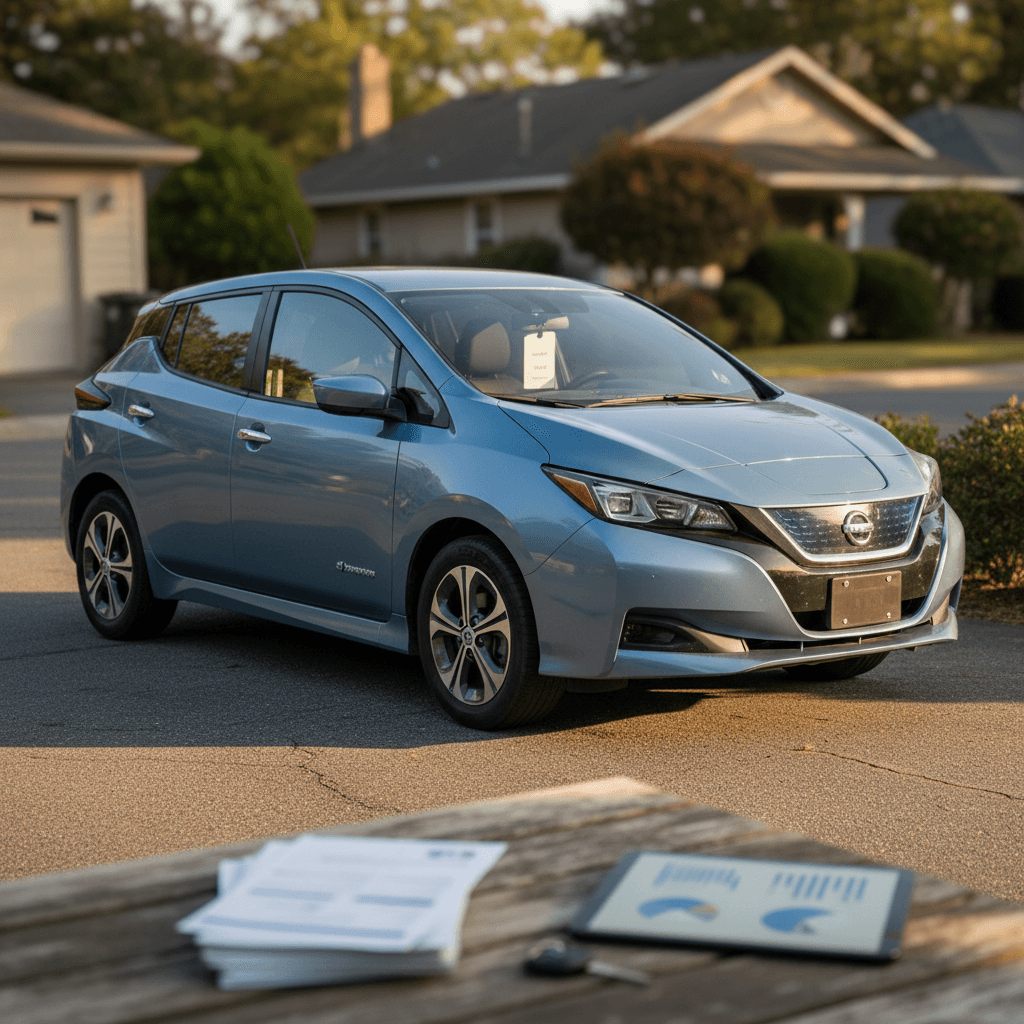
Nissan Leaf (2013–2019)
America’s workhorse used EV. Earlier cars (24–30 kWh) are the cheapest, but even 40 kWh Leafs are beginning to flirt with the mid‑teens in some regions.
- Typical advertised price: often $8,000–$14,000
- Real‑world range: ~70–130 miles depending on year and battery health
Chevrolet Spark EV (2014–2016)
Tiny, torquey, and usually inexpensive, the Spark EV is a commuter special that lives in the $7,000–$12,000 window in many markets.
- Typical advertised price: frequently under $10,000
- Real‑world range: ~60–80 miles
Fiat 500e (2013–2019)
Originally a compliance car, now a used‑EV bargain with personality. Often overlooked, which helps pricing.
- Typical advertised price: around $9,000–$13,000
- Real‑world range: ~70–90 miles
Stretch candidates approaching $15,000
These may sit a bit over $15k today but can dip below with higher miles, older years, or strong negotiation.
Chevrolet Bolt EV (2017–2019)
The Bolt EV has seen big price cuts as newer long‑range EVs arrive. Early model years, especially with higher mileage, are starting to appear in the mid‑teens.
- Typical advertised price: $14,000–$18,000 for earlier years
- Real‑world range when healthy: ~200+ miles
BMW i3 (2014–2017, BEV & REx)
Distinctive styling, premium cabin, and light weight. Pricing varies widely by battery size and whether it has the gas range‑extender.
- Typical advertised price: ~$11,000–$18,000
- Real‑world EV range: ~70–120 miles
Kia Soul EV (2015–2019)
Boxy, practical, and often priced in the low‑teens depending on mileage and region.
- Typical advertised price: ~$10,000–$16,000
- Real‑world range: ~80–110 miles
Watch local price patterns
Quick comparison table: popular cheap EVs
Use this table to quickly compare key stats for the most common EV cars under, or near, $15,000. Remember: these are typical ballpark ranges for U.S. listings in 2025, not guaranteed prices in every ZIP code.
Common budget EVs at or near $15,000
Approximate U.S. used‑market characteristics for popular low‑price EVs in 2025. "Typical price band" reflects many, not all, listings.
| Model | Common Model Years Under $15k | Typical Price Band | EPA Range When New | Likely Usable Range Today* | DC Fast Charge? |
|---|---|---|---|---|---|
| Nissan Leaf (24–30 kWh) | 2013–2016 | $7,000–$11,000 | 73–107 mi | 50–80 mi | Some trims only |
| Nissan Leaf (40 kWh) | 2018–2019 | $11,000–$15,000+ | 149 mi | 90–130 mi | Yes |
| Chevy Spark EV | 2014–2016 | $7,000–$10,000 | 82 mi | 55–75 mi | Yes (combo) |
| Fiat 500e | 2013–2019 | $8,000–$13,000 | 84 mi | 55–75 mi | No DC fast charge |
| BMW i3 BEV | 2014–2017 | $11,000–$16,000 | 81–114 mi | 60–95 mi | Some trims |
| Kia Soul EV | 2015–2019 | $10,000–$16,000 | 93–111 mi | 65–95 mi | Yes |
| Chevy Bolt EV | 2017–2019 | $14,000–$18,000 | 238 mi | 170–220 mi | Yes (50 kW) |
Always verify current prices and, more importantly, battery health before purchasing.
About that "usable range" column
Pros and cons of EV cars under $15,000
Key advantages
- Low purchase price: With heavy depreciation already baked in, you’re buying after the biggest value drop.
- Low running costs: Electricity is typically cheaper than gas per mile, and EVs avoid oil changes and many routine services.
- Smooth, quiet drive: Even older EVs feel modern in stop‑and‑go traffic thanks to instant torque and one‑pedal driving.
- Ideal for short commutes: If you drive 20–40 miles a day, even a modest‑range EV can cover your needs comfortably.
Main trade‑offs
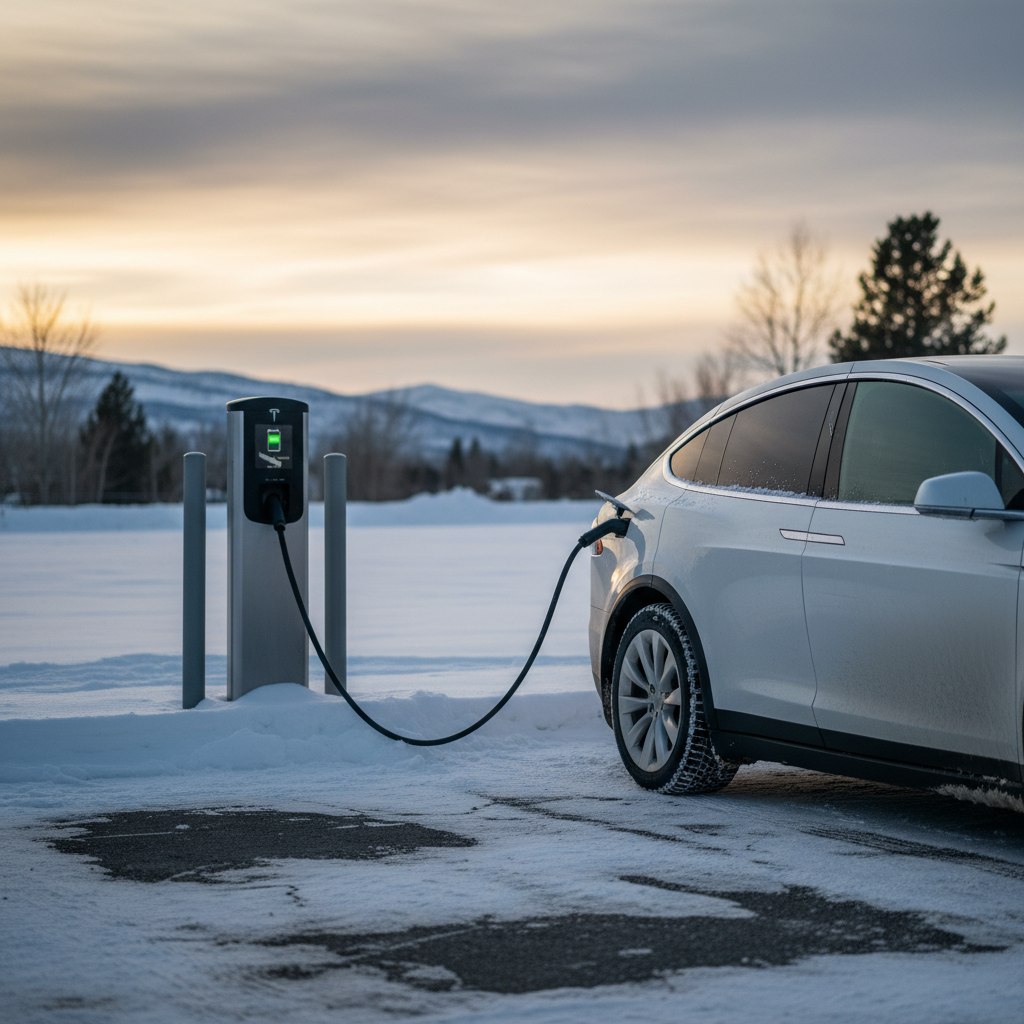
- Limited range: Most EVs under $15,000 will offer under 120 real‑world miles, sometimes much less in winter.
- Battery risk: If capacity has dropped significantly, you may face expensive repairs or a frustrating ownership experience.
- Older tech & safety: Expect dated infotainment and fewer advanced driver‑assist features versus newer EVs.
- Resale uncertainty: You’re buying late in the depreciation curve, but future values are still evolving as EV tech improves.
Don’t ignore cold‑weather performance
Battery health: the make‑or‑break factor
In a cheap used EV, the battery is the car. It’s the single most expensive component, and it dictates how far you can actually drive. Two identical 2015 Nissan Leafs can look the same online, but if one has lost 30% of its capacity and the other has lost only 10%, they’re completely different cars in the real world.
- Most older EVs don’t have active thermal battery management, so hot‑climate cars often degrade faster.
- Frequent DC fast charging and lots of high‑speed miles tend to accelerate degradation.
- An EV that sat unused for long periods at 100% state of charge can also age prematurely.
How Recharged tackles battery uncertainty
Battery checks you should insist on
Ask for a recent battery health report
Whether it’s a Recharged Score or a scan from a dealer or independent EV shop, don’t rely solely on the in‑car gauge. You want a clear capacity estimate in kWh or percentage of original.
Verify range in real‑world terms
Have the seller share recent trip data or energy‑use logs. If they claim 100 miles but only drive 20 between charges, you don’t really know how the car behaves at the edge of its range.
Check for battery warranty coverage
Some EVs still carry partial battery warranties (often 8 years/100,000 miles from original in‑service date). Knowing whether coverage remains changes the risk equation.
Look closely at climate history
A car that spent its life in a mild climate generally ages better than one that baked in desert heat or saw years of deep‑cold operation.
Running costs: how much will a $15,000 EV really save you?
Purchase price is only part of the story. One reason budget EVs make so much sense is that their ongoing costs are usually far lower than those of a comparable gas car, especially if you can charge at home.
Typical running‑cost advantages for used EVs
Where you save
- Fuel: Even at average U.S. electricity rates, most EVs cost fewer cents per mile than similarly sized gas cars.
- Maintenance: No timing belts, spark plugs, or exhaust systems. Brake pads last longer thanks to regeneration.
- Convenience: Starting each day with a "full tank" from your driveway often means fewer last‑minute fuel stops.
Where costs can creep up
- Public fast charging: Per‑kWh costs can rival or exceed gas if you rely heavily on DC fast chargers.
- Home charging upgrades: Installing a Level 2 charger may require a 240‑V circuit; quotes can vary widely by home.
- Insurance: Some carriers still price EV repairs conservatively, which can mean slightly higher premiums in certain markets.
Financing and tax credit tips for budget EV buyers
Financing an already inexpensive EV is one of the easiest ways to keep your monthly payment under control. And in 2025, there’s an extra wrinkle: federal EV tax credits for many buyers are scheduled to end on September 30, 2025.
Smart money moves when buying an EV under $15,000
Check used‑EV credit eligibility
Depending on your income and the vehicle’s history, you may still qualify for a federal used‑EV tax credit (up to $4,000) before the program sunsets. That can effectively pull a $17,000 EV into your sub‑$15k budget.
Compare EV‑friendly lenders
Some lenders offer better terms on EVs, especially when purchased through specialized platforms like Recharged. A slightly lower APR can easily outweigh a small price difference between cars.
Keep some cash aside for setup
If you plan to add a home Level 2 charger, budget a cushion for electrical work. Even a few hundred dollars can make everyday ownership dramatically more convenient.
Use total cost, not just price, to choose
When you compare vehicles on Recharged, look at payment estimates, expected charging costs, and projected maintenance, not just the sticker price.
How Recharged simplifies financing
How to inspect a cheap used EV (step by step)
You don’t need to be an engineer to buy an older EV wisely, but you do need a structured process. Use this step‑by‑step checklist when you’re evaluating EV cars under $15,000, whether that’s on Recharged, at a local dealer, or from a private seller.
Step‑by‑step inspection for budget EVs
1. Start with the range reality check
Ask the seller, "How far can you actually drive on a full charge in normal conditions?" Compare that answer to the original EPA range and to any battery‑health data you have.
2. Review the charging history
Look for clues on whether the car was fast‑charged heavily or mostly charged at home. Many EVs provide charging statistics in their infotainment menus.
3. Inspect the charge port and cable
Check for bent pins, corrosion, or damage. On a test charge, make sure the car initiates charging promptly and doesn’t throw error messages.
4. Scan for warning lights
Turn the car on and confirm there are no persistent battery, charging‑system, or high‑voltage warnings. These are red flags that require professional diagnosis.
5. Test drive with an eye on efficiency
Watch how quickly the state of charge drops over a 15–20 minute drive. If the gauge falls dramatically at steady speeds, that may indicate a tired pack.
6. Get a professional EV inspection
For non‑Recharged vehicles, invest in an independent EV‑savvy mechanic to scan fault codes and check the high‑voltage system. It’s money well spent, especially on older cars.
High‑voltage systems are not DIY territory
How Recharged helps you buy the right budget EV
Shopping the general used‑car market for a $12,000–$15,000 EV can feel like a gamble. Listings are inconsistent, battery information is sparse, and many dealers still treat EVs like just another used compact. Recharged was built specifically to fix those problems for EV shoppers, especially budget‑conscious buyers.
Why consider shopping your budget EV through Recharged?
Transparent condition, expert guidance, and a digital‑first experience.
Recharged Score battery report
Every vehicle includes a Recharged Score Report with verified battery health and diagnostics, so you know what you’re getting before you sign.
Nationwide selection & delivery
Find the right car, not just the closest one. Recharged can arrange nationwide delivery, so you’re not limited to whatever happens to be on a local lot this week.
EV‑specialist support
From range questions to home‑charging setup, Recharged’s EV specialists help you decide whether a given budget EV truly fits your life.
Ready to find your next EV?
Browse VehiclesIf you’re local to Virginia, you can also visit the Recharged Experience Center in Richmond to talk through options in person, compare vehicles, and get hands‑on with charging solutions before you buy. Either way, the goal is the same: make owning a used EV as simple and transparent as possible, even at the $15,000 price point.
FAQ: EV cars under $15,000
Frequently asked questions about cheap used EVs
Bottom line: should you buy an EV under $15,000?
If you’re expecting a $15,000 EV to behave like a brand‑new long‑range crossover, you’ll be disappointed. But if you view it as a quiet, efficient city or suburban runabout, with dramatically lower fuel and maintenance costs than a comparable gas car, EV cars under $15,000 can be some of the best bargains on the used‑car market in 2025.
The key is discipline: understand your daily driving needs, insist on verified battery health, and compare total ownership cost rather than chasing the lowest sticker price. Whether you buy through a specialized EV marketplace like Recharged, where every car includes a Recharged Score Report, EV‑savvy guidance, and digital‑first financing, or shop locally, the same principles apply. Do that, and your budget EV won’t just be cheap to buy; it will be a smart long‑term choice.