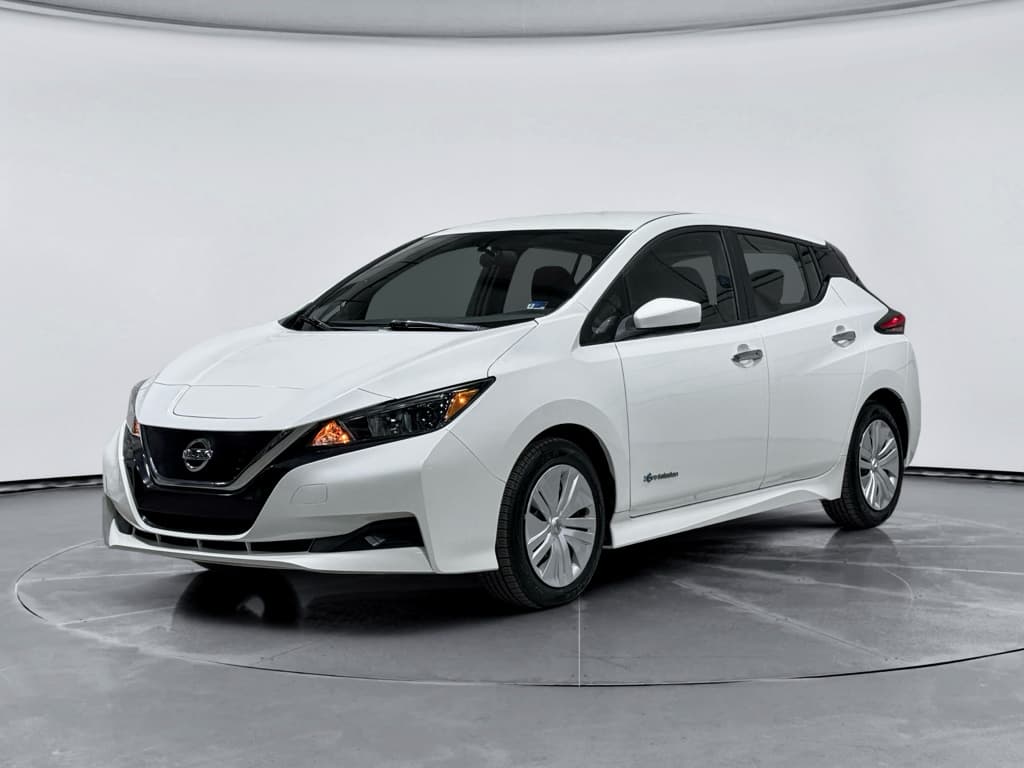
If you’re coming to the Nissan Ariya service schedule from a gas car, the first thing you’ll notice is what’s missing: there’s no engine oil to change, no spark plugs, no timing belt. But that doesn’t mean you can skip maintenance altogether. Understanding what Nissan actually recommends, and what’s optional, will help you keep your Ariya safe and protect its value without overpaying at the service drive.
Always confirm with your owner’s manual
Why the Nissan Ariya service schedule looks different
The Ariya rides on Nissan’s CMF‑EV platform, the same basic architecture used for newer Nissan EVs. With no internal combustion engine, there are far fewer moving parts to wear out. That’s why the Ariya’s service schedule is built around a few key systems: tires, brakes, cabin air filtration, suspension, and routine inspections of high‑voltage components.
Typical gas SUV
- Oil and filter every 5,000–7,500 miles
- Transmission service every 30,000–60,000 miles
- Spark plugs, fuel system cleaning, emissions items
- Belts, pulleys, and more frequent cooling repairs
Nissan Ariya
- No oil changes or spark plugs
- Focus on tires, brakes, and inspections
- Brake fluid and cabin filter at long intervals
- Software updates and battery health monitoring
Normal vs. severe service
Nissan Ariya service schedule at a glance
Key points of the Ariya service schedule
In practice, most U.S. Nissan dealers treat the Ariya similar to the Leaf and other Nissan models for routine service, just with the engine‑related items removed. For many owners, that means a visit about every 7,500 miles or 12 months for inspections and tire rotation, then less‑frequent visits for cabin air filters and brake fluid.
Service interval table for Nissan Ariya
Here’s a simplified Ariya service schedule based on typical U.S. guidance. Use it as a starting point, then adjust for how and where you drive. Remember that time limits matter just as much as mileage, if you don’t hit the miles, you still service by months.
Approximate Nissan Ariya service intervals (U.S.)
Always follow the official schedule in your owner’s manual. These ranges reflect how dealers commonly interpret Nissan’s recommendations for Ariya and other EVs.
| Mileage / Time | Key items | Notes |
|---|---|---|
| Every 7,500 mi or 12 months | Tire rotation; brake inspection; suspension & steering check; fluid level checks; software/recall check | Many Nissan dealers schedule Ariya here instead of 5,000 miles. |
| 15,000 mi or 24 months | All 7,500‑mile items + cabin air (in‑cabin microfilter) replacement | Keeps HVAC performance and air quality high. |
| 30,000 mi or 3 years | All 7,500‑mile items + brake fluid exchange (if not done earlier); alignment check if needed | Common Nissan EV interval for brake fluid in U.S. climates. |
| 45,000 mi or 4 years | Repeat 15,000‑mile service (cabin filter, inspection, tire rotation) | Adjust based on tire wear and driving conditions. |
| 60,000 mi or 5 years | Repeat 30,000‑mile level: brake fluid, detailed brake inspection, alignment check, suspension bushings | Good time to consider proactive brake service in rust‑prone areas. |
| Every 12 months (any mileage) | Comprehensive multi‑point inspection; EV battery & charging system checks; corrosion check where applicable | Think of this as your annual wellness visit, even if you drive very little. |
Miles are approximate; if you reach the time interval first, service then.
Intervals can vary by region
What actually gets serviced on a Nissan Ariya
Even though the Ariya’s service checklist is short, it helps to know what you’re paying for each time you visit. Here’s what those line items usually mean in plain English, plus where you can save money.
Core Nissan Ariya service items explained
From tires to brake fluid, these are the line items you’ll see most often.
Tire rotation & inspection
What it is: Moving tires front‑to‑rear (and sometimes side‑to‑side) so they wear evenly.
Why it matters on Ariya: The Ariya is heavy and delivers instant torque, which can chew through front tires if you don’t rotate regularly.
Typical interval: Every 7,500 miles or 12 months.
Brake inspection
What it is: Checking pad thickness, rotor condition, and parking brake operation.
Why it matters on EVs: Regenerative braking means pads last longer, but low‑use brakes can rust or seize, especially where roads are salted.
Pro tip: Ask the tech to clean and lubricate slide pins if you live in a rust‑belt state.
Cabin air filter replacement
What it is: A filter behind the dash that cleans the air you breathe.
Why it matters: A clogged filter makes your HVAC work harder and can fog windows more easily.
Typical interval: About every 15,000 miles or 2 years, sooner in dusty or urban environments.
Brake fluid exchange
What it is: Flushing the hydraulic brake fluid and refilling with fresh fluid.
Why it matters: Brake fluid absorbs moisture over time, which can corrode components and reduce braking performance.
Typical interval: Every 30,000 miles or about 3 years is common guidance for Nissan EVs in the U.S.
High‑voltage & charging checks
What it is: Visual inspection of the charge port, high‑voltage cables, and associated hardware; software checks for battery health and system errors.
Why it matters: Catching a damaged charge port seal or connector early can prevent water intrusion and expensive repairs.
Suspension, steering & alignment
What it is: Inspecting bushings, ball joints, tie‑rods, and shocks/struts; checking alignment if you report pulling or uneven tire wear.
Why it matters: Extra EV weight means worn suspension parts and poor alignment can eat through tires quickly.
What you don’t need on an Ariya
Dealership vs. independent shop vs. DIY
One of the biggest questions Ariya owners have is where to get service. For high‑voltage work and warranty repairs, you’ll want a Nissan dealer certified to work on the Ariya. But for some routine items, you have options.
Nissan dealer
- Access to factory software and EV‑specific tools.
- Required for most warranty and recall work.
- Can be more expensive for basic items like tires and filters.
Independent shop
- Great for tires, alignments, and general inspections.
- Look for shops with EV experience and modern lifts.
- May not be able to perform high‑voltage diagnostics.
DIY at home
- Realistic for cabin air filters and tire rotations (with proper tools).
- Never attempt high‑voltage or airbag‑related work.
- Keep receipts and notes if you do your own maintenance.
High‑voltage safety first
How the service schedule affects Ariya ownership costs
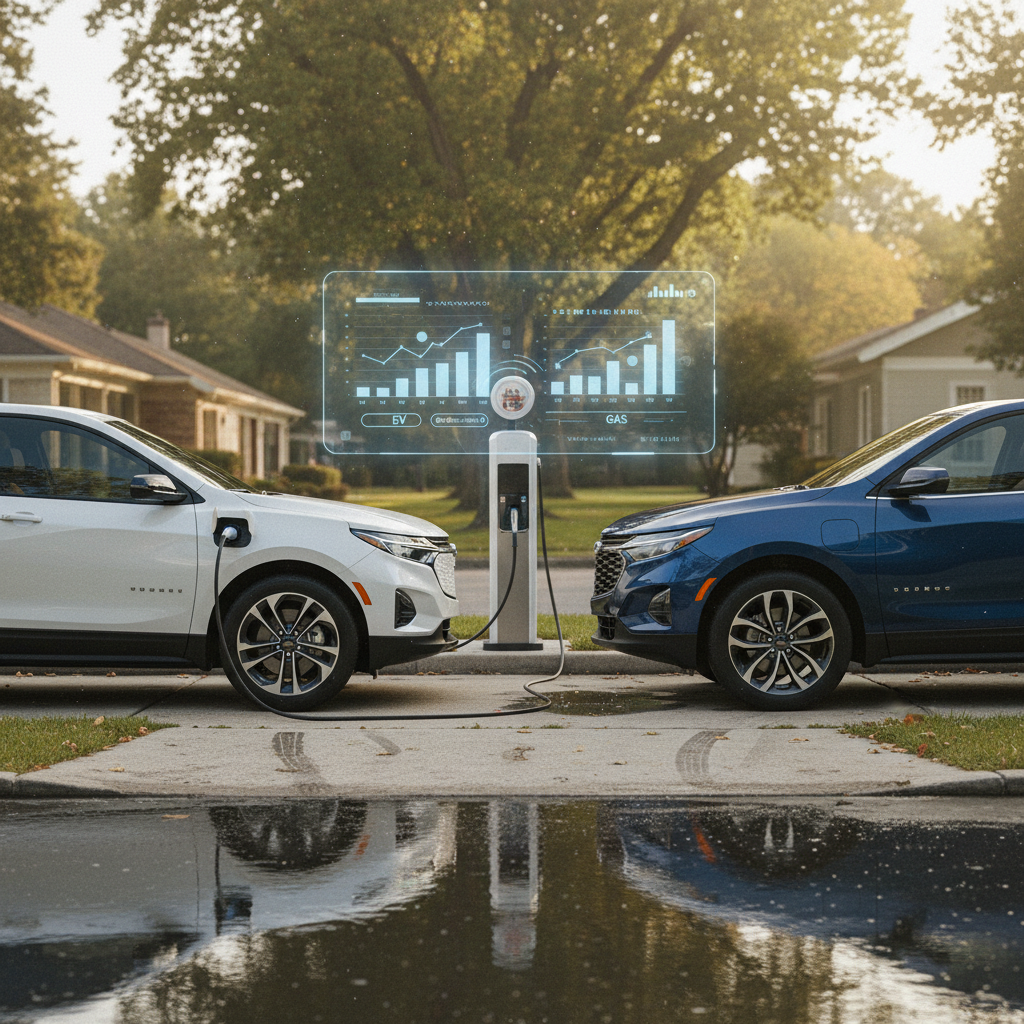
Follow the recommended Nissan Ariya service schedule and you’ll almost always spend less on maintenance than you would with a comparable gas SUV. Over the first 5 years, most of your out‑of‑pocket costs will come from tires, occasional cabin filters, and one or two brake fluid services, not engine work.
Ariya vs. gas SUV: typical maintenance picture
Exact numbers vary, but the pattern is consistent.
Electric Nissan Ariya
- No oil changes or engine tune‑ups.
- Brake pads usually last much longer thanks to regen.
- Higher tire wear if you drive aggressively.
- Occasional software updates at the dealer.
Comparable gas crossover
- Regular oil and filter changes.
- Transmission, coolant, and spark plug services.
- More frequent exhaust and emissions repairs with age.
- Similar tire and brake needs, often on a shorter cycle.
Budgeting for Ariya service
Service schedule tips for used Nissan Ariya buyers
If you’re shopping for a used Ariya, the service schedule becomes more than just a calendar reminder, it’s a window into how the previous owner treated the car. You want to see a pattern of thoughtful care, even if the odometer is relatively low.
Checklist for evaluating a used Nissan Ariya
1. Ask for documented service history
Look for records of tire rotations, brake inspections, and at least one brake fluid change if the car is 3+ years old or over 30,000 miles. Gaps don’t necessarily kill the deal, but they should factor into price.
2. Check tire wear patterns
Uneven wear, especially on the inner or outer edges, can indicate skipped rotations or alignment issues. That’s both a near‑term cost and a clue about how the car was treated.
3. Inspect brakes for rust and noise
On a test drive, listen for grinding or squealing and feel for pulsation in the pedal. Light surface rust after sitting is normal; heavy rust or vibration suggests overdue maintenance.
4. Test climate control and airflow
Weak airflow, odd smells, or noisy fans may point to a neglected cabin air filter. It’s not expensive to fix, but it hints at whether the owner followed basic service items.
5. Review battery health information
If you’re buying through Recharged, every Ariya comes with a <strong>Recharged Score</strong> battery health report so you can see how the pack has aged alongside its service history.
6. Plan a catch‑up service
If records are thin, budget for an initial visit soon after purchase: tire rotation, brake inspection, cabin filter, and brake fluid change if it’s never been done.
How Recharged uses the service schedule
Common dealer upsells to watch for
Most Nissan service departments are honest, but they’re also under pressure to sell. When you bring an Ariya in, you may see extra recommendations that aren’t strictly part of the factory schedule. Some are helpful; others just pad the invoice.
- Engine oil system or fuel system cleaning (your Ariya doesn’t have a traditional fuel system or engine oil).
- Very short brake fluid intervals (for example every 12,000 miles) unless your climate or usage truly justifies it.
- “Wallet flush” packages that bundle multiple generic services without clear benefits for an EV.
- Overly frequent cabin air filter changes if you drive in relatively clean conditions.
- “Lifetime” alignment packages when your alignment history shows only minor adjustments.
Ask for the “why” behind every extra
Nissan Ariya service schedule: FAQ
Frequently asked questions about the Nissan Ariya service schedule
Bottom line on the Ariya service schedule
The Nissan Ariya’s service schedule is refreshingly simple: rotate the tires, keep an eye on the brakes, change the cabin air filter, and refresh the brake fluid on a reasonable cadence. Compared with a gas SUV, you’ll spend less time in service bays and more time just driving. The key is to respect the time and mileage guidelines, ask smart questions about upsells, and keep your paperwork organized.
If you already own an Ariya, using this schedule as a checklist will keep surprises to a minimum and help protect your investment. And if you’re considering a used Ariya, working with a specialist like Recharged, where every vehicle includes a Recharged Score battery report and expert guidance, makes it much easier to match a car’s service history to your expectations before you sign anything.