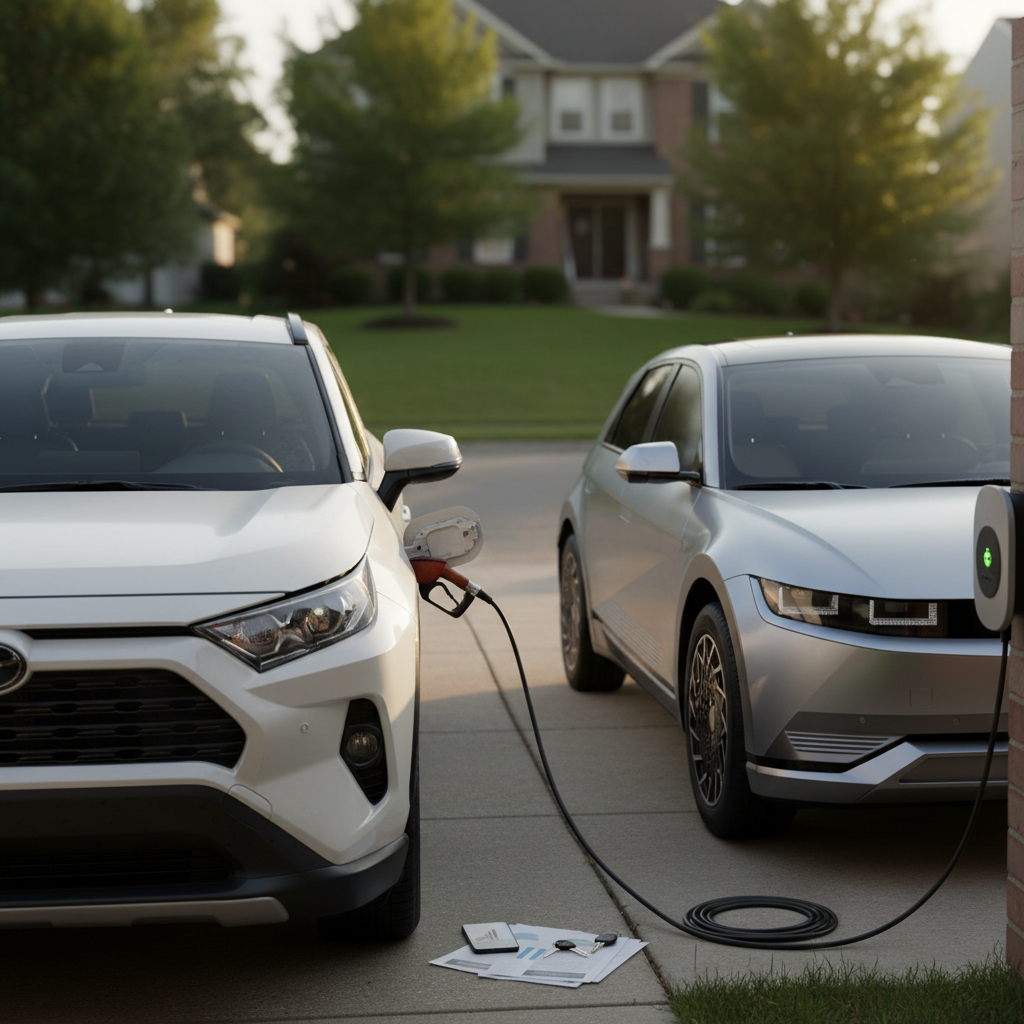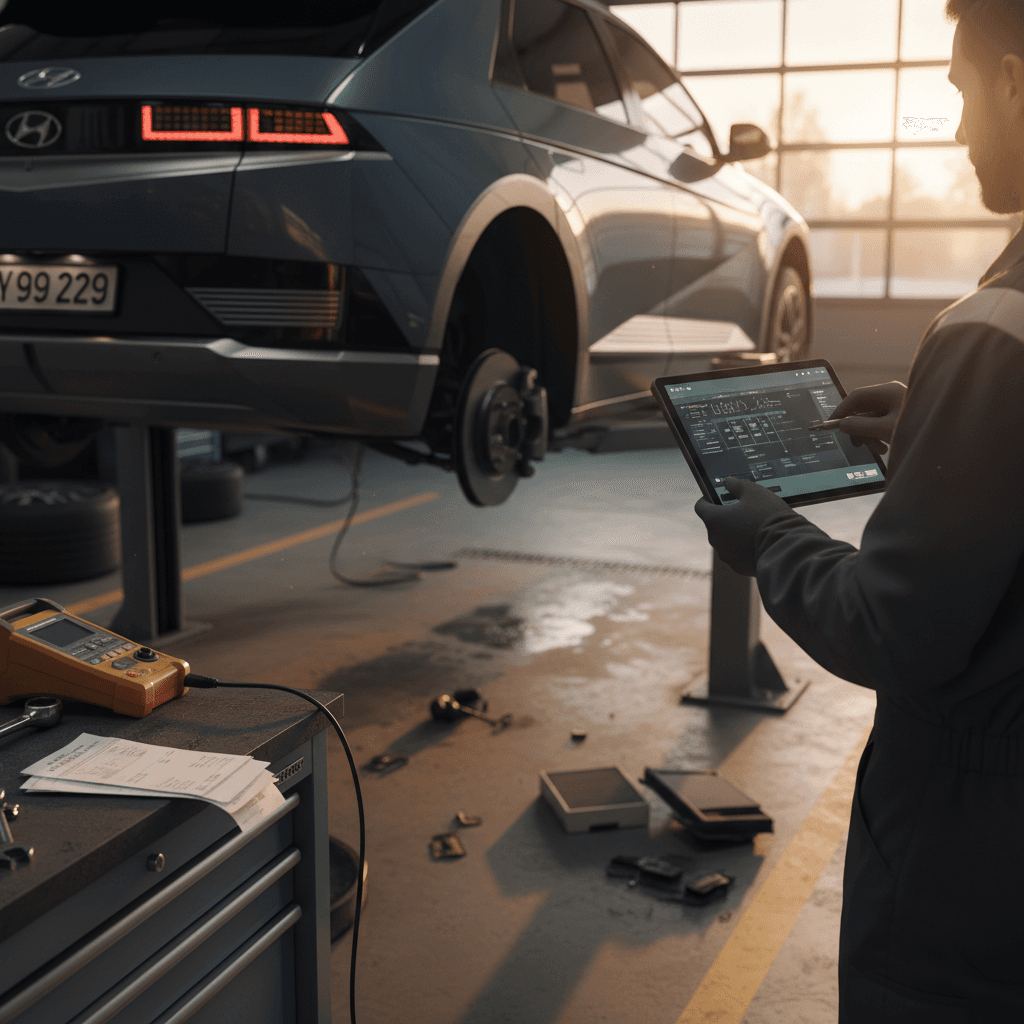
If you’re comparing an electric car to a gas model, EV car maintenance cost is one of the smartest places to focus. Purchase prices and incentives move around, but the cost of keeping a car on the road is where long‑term savings, or surprises, show up. Let’s walk through what you’ll really spend to maintain an EV in 2025, where the savings come from, and which costs still catch owners off guard.
Quick takeaway
Why EV car maintenance cost matters more than ever
New EVs still tend to cost more up front than comparable gas cars, and some federal incentives are scheduled to end on September 30, 2025. That means the long‑term picture, fuel plus maintenance, has to do more of the heavy lifting when you’re deciding what to buy. The good news is that operating costs for EVs (fuel + maintenance) are significantly lower than for internal combustion cars, especially if you can charge at home most of the time.
Maintenance is where EVs quietly shine. Fewer moving parts, no engine oil, and much simpler drivetrains mean fewer things to service and fewer parts to fail. At Recharged, we see this show up every day in the Recharged Score reports on used EVs, low wear on major components and a maintenance history that’s usually much lighter than a similar‑mileage gas car.
EV vs gas car maintenance: the 30–50% gap
Typical maintenance cost gap: EV vs gas car
Put simply, a typical gas car needs regular oil changes, transmission service, ignition components, exhaust work, and more. An EV eliminates most of that list. Over five years of driving about 15,000 miles per year, that adds up to a real difference in your budget.
Typical gas car (per year)
- Oil changes: $100–$200
- Transmission & coolant service: $150–$300
- Belts, plugs, filters: $150–$300
- Brakes & misc. repairs: $250–$400
- Estimated total: $650–$1,200
Typical EV (per year)
- Tire rotation & balance: $60–$120
- Brake inspection / fluid (interval): $50–$150
- Cabin air filter: $40–$80
- Misc. checks & software: $50–$150
- Estimated total: ~$250–$450
Think in cost per mile
What EVs don’t need: services you can forget about
The biggest maintenance savings come from what an EV simply doesn’t have. No engine, no multi‑speed automatic transmission, no exhaust or emissions system. That wipes out a whole category of service line items you’re used to seeing on gas‑car invoices.
Common gas‑car services that disappear with an EV
Fewer systems = fewer chances for big repair bills
Oil & filters
Transmission work
Exhaust & emissions
But EVs are not “maintenance‑free”
Routine EV car maintenance cost per year
Let’s get more specific about what you’re likely to spend in a normal year with an electric car. These are ballpark numbers for a mainstream EV driven about 12,000–15,000 miles annually in the U.S.
Typical annual EV maintenance items and costs
Realistic shop pricing for common electric‑car service in 2025 (excluding unusual repairs).
| Service item | Typical interval | Approx. cost (USD) | Notes |
|---|---|---|---|
| Tire rotation & balance | 7,500–10,000 miles | $60–$120 | More often if you drive hard or have a heavy SUV. |
| Cabin air filter | 12–24 months | $40–$80 | You can often replace this yourself. |
| Brake inspection | Annually | $50–$100 | Frequently bundled into multi‑point inspections. |
| Brake fluid change | 3–5 years | $100–$200 | Some brands specify time‑based service even with low miles. |
| Coolant for battery/drive unit | 100,000+ miles (if required) | $200–$400 | Many EVs need this only once or not at all in normal ownership. |
| Wheel alignment | As needed (after impacts or uneven wear) | $100–$200 | EV weight makes proper alignment important. |
| Software updates | As needed | Typically $0 | Most updates come over the air at no cost. |
Actual costs vary by region, brand, and whether you use a dealer or independent shop.
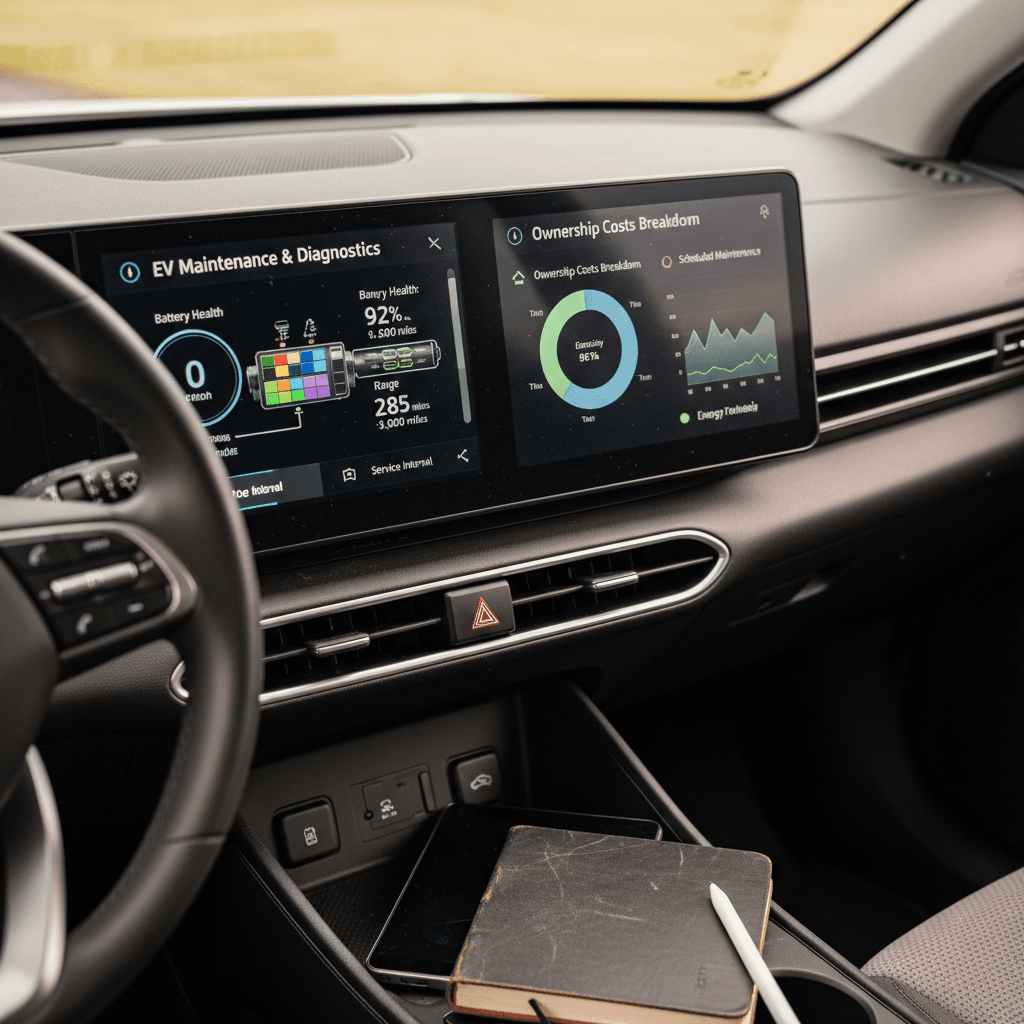
A realistic annual range
Big-ticket items: batteries, tires, and brakes
Routine maintenance is only half the story. The three big‑ticket categories that worry shoppers are battery packs, tires, and brakes. Understanding how often these actually need attention, and what they cost, will give you a much clearer view of EV ownership.
Battery packs: expensive, but rarely replaced
On paper, an EV battery is the most expensive component in the car. Replacement quotes in 2025 often range from around $8,000 to well over $15,000 including labor, depending on the model and battery size. That’s real money, but it’s also a repair that very few owners ever pay for out of pocket.
- Most EVs sold in the U.S. carry 8‑year / 100,000‑mile (or more) battery warranties on capacity and defects.
- Real‑world data shows battery packs typically lose only 1–2% of capacity per year in normal use.
- Independent studies suggest only a small percentage of EVs require full battery replacement, and many of those occur under warranty.
What this means for your budget
This is one reason the Recharged Score report focuses so heavily on verified battery health. When you buy a used EV through Recharged, you can see how the pack has actually aged, not just take mileage and guess.
Tires: where many EV owners spend more than expected
If there’s one EV maintenance cost that surprises new owners, it’s tires. Electric cars are generally heavier and deliver instant torque, which can wear tires more quickly than a similar gas model, especially on performance‑oriented EVs.
EV tire costs by vehicle type
Approximate replacement intervals and costs using mainstream tire brands in 2025.
| Vehicle type | Typical replacement interval | Approx. set cost (4 tires) | Notes |
|---|---|---|---|
| Compact / small hatchback | 30,000–40,000 miles | $600–$900 | Often uses smaller wheels and narrower tires. |
| Mid‑size sedan / crossover | 25,000–35,000 miles | $800–$1,200 | Most popular EV category; many use EV‑specific tires. |
| Performance / heavy SUV | 20,000–30,000 miles | $1,000–$1,600 | Large wheels, wide tires, and high torque increase wear. |
High‑performance models and aggressive driving will shorten these intervals.
Stretch tire life the smart way
Brakes: less wear, different problems
EVs use regenerative braking, which lets the motor slow the car and recover energy before the friction brakes step in. That means pads and rotors often last far longer, sometimes 70,000 miles or more, than on a comparable gas car that might need a full brake job at 30,000–50,000 miles.
The trade‑off is that brakes can sit unused and develop rust or uneven wear, especially in wet or salted climates. Many manufacturers now recommend occasional hard braking to clean off rotors, and shops are getting better at spotting corrosion‑related issues early.
Don’t ignore sticky brakes
Hidden costs: insurance, collision repair, and software
Routine maintenance is where EVs win easily. But there are less obvious costs that can narrow the gap, especially on new, higher‑end electric vehicles.
Maintenance vs. total cost of ownership
Used EVs: how maintenance costs change over time
If you’re looking at a used electric vehicle, maintenance becomes even more important to understand. On one hand, you’re buying after the steepest part of depreciation. On the other, the car is closer to the age and mileage where bigger repairs might appear.
What usually gets cheaper
- Previous owner already paid for early service campaigns and software updates.
- Any early build‑quality problems are likely resolved.
- Routine maintenance history is often lighter than a similar‑mileage gas car.
What deserves extra scrutiny
- Battery health: Look for verified capacity, not just range estimates on the dash.
- Tires & brakes: Many used EVs come up for sale right before these items are due.
- Suspension & alignment: Heavy EVs can be hard on bushings and shocks over rough roads.
How Recharged helps with used EV maintenance risk
Ready to find your next EV?
Browse VehiclesHow to keep your EV maintenance costs low
Simple habits that lower your EV car maintenance cost
1. Rotate tires on schedule
Ask your shop to rotate every 7,500–10,000 miles, or follow the owner’s manual. This evens out wear and gets more miles from every set.
2. Use scheduled charging and moderate fast charging
Keeping your battery between roughly 20% and 80% for daily driving and avoiding unnecessary DC fast charging helps reduce long‑term battery stress.
3. Don’t ignore software alerts
Modern EVs are good at telling you what they need. Pay attention to service alerts, reduced‑power warnings, or charging issues before they snowball into expensive repairs.
4. Have brakes inspected annually
Even if you rarely use the friction brakes, ask your service shop to pull the wheels and inspect pads, rotors, and calipers for rust or sticking components.
5. Protect the underbody and cooling systems
Avoid deep water, off‑road impacts, and curb strikes that can damage the battery case, coolant lines, or high‑voltage cables, these are the rare but expensive repairs.
6. Choose the right shop
Whenever possible, use a shop with <strong>EV‑trained technicians</strong>. They’ll know the common issues for your model and how to work safely around high‑voltage systems.
EV car maintenance cost: FAQ
Frequently asked questions about EV maintenance costs
The bottom line: are EV maintenance costs worth it?
When you look past the headlines and marketing claims, the picture is clear: EV car maintenance cost is one of the strongest financial arguments in favor of going electric. You give up oil changes, tune‑ups, and most driveline headaches, and in exchange you manage tires, the occasional fluid service, and the same wear‑and‑tear items any modern vehicle has.
For many drivers, that translates into hundreds of dollars in annual maintenance savings and several thousand dollars over a typical ownership period, on top of what you save at the plug. The key is to choose the right vehicle, understand battery health, and buy with solid information rather than guesswork.
If you’re considering a used EV, that’s exactly what Recharged was built for. Every vehicle comes with a Recharged Score Report that spells out battery condition, pricing, and likely upcoming maintenance so you can shop with confidence, not uncertainty. When you’re ready, you can explore vehicles online, trade in your current car, and even line up financing through Recharged in a fully digital process. That way, lower EV maintenance costs become something you enjoy, not something you have to take on faith.