EV car maintenance in 2025 is a paradox: it’s both dramatically simpler and, in certain edge cases, surprisingly expensive. You don’t have oil changes, timing belts, or exhaust systems to worry about, but you are driving a rolling computer with a battery pack that represents up to a third of the car’s value. This guide breaks down what maintenance an electric car actually needs, what it costs, and how to protect your battery and your wallet, whether you’re buying new or shopping the booming used EV market.
Big picture: EVs are cheaper to maintain, but not zero‑maintenance
Why EV car maintenance is different (but still matters)
Fewer moving parts, fewer wear items
- No engine oil, spark plugs, timing belt, fuel injectors, or exhaust system.
- Single‑ or dual‑speed gearbox instead of a multi‑gear automatic transmission.
- Regenerative braking slows the car using the motor, reducing friction brake use.
New systems to understand
- High‑voltage battery pack and cooling system.
- Onboard charger and DC fast‑charge hardware.
- More modules and sensors, plus frequent software updates.
So yes, less mechanical maintenance, but you still need a plan, especially for tires, brakes, and battery health.
Don’t fall for the “maintenance‑free” myth
EV vs gas maintenance costs in 2025
How EV maintenance stacks up to gas cars
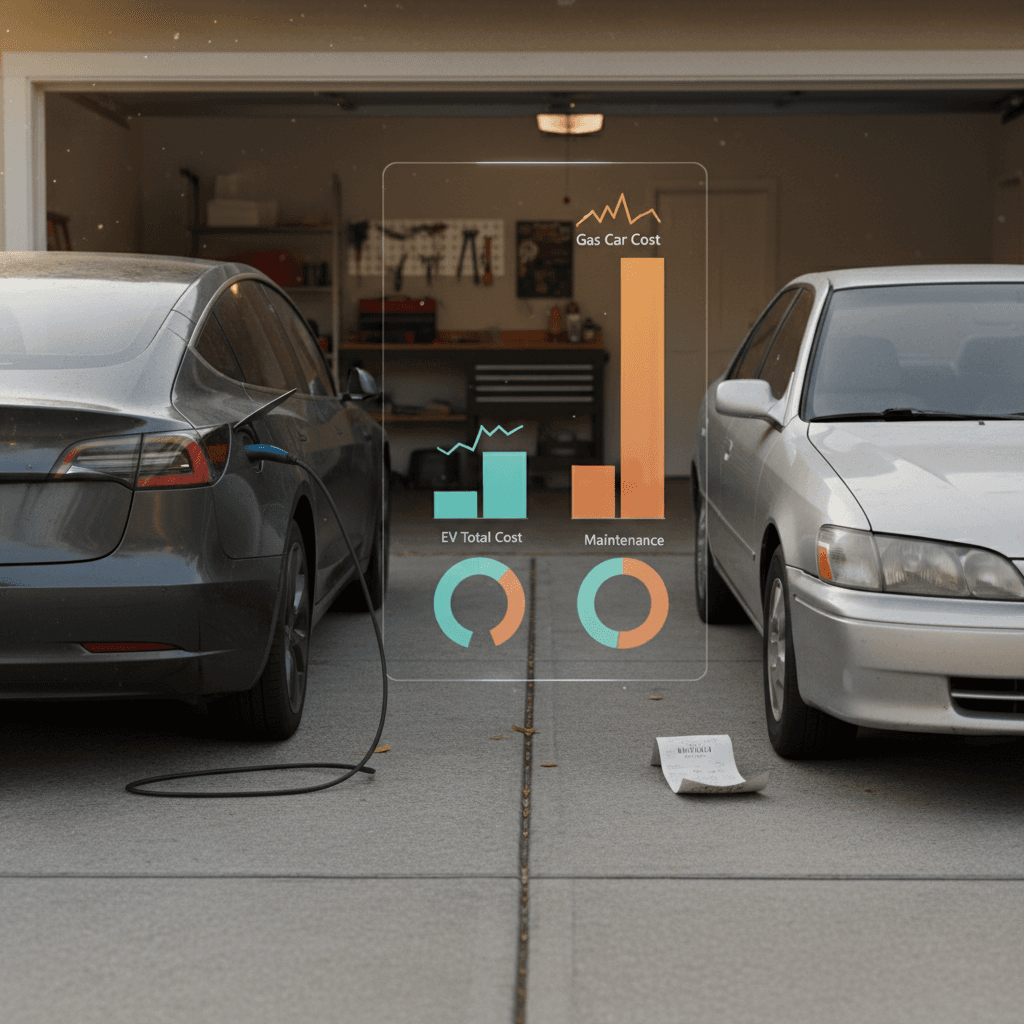
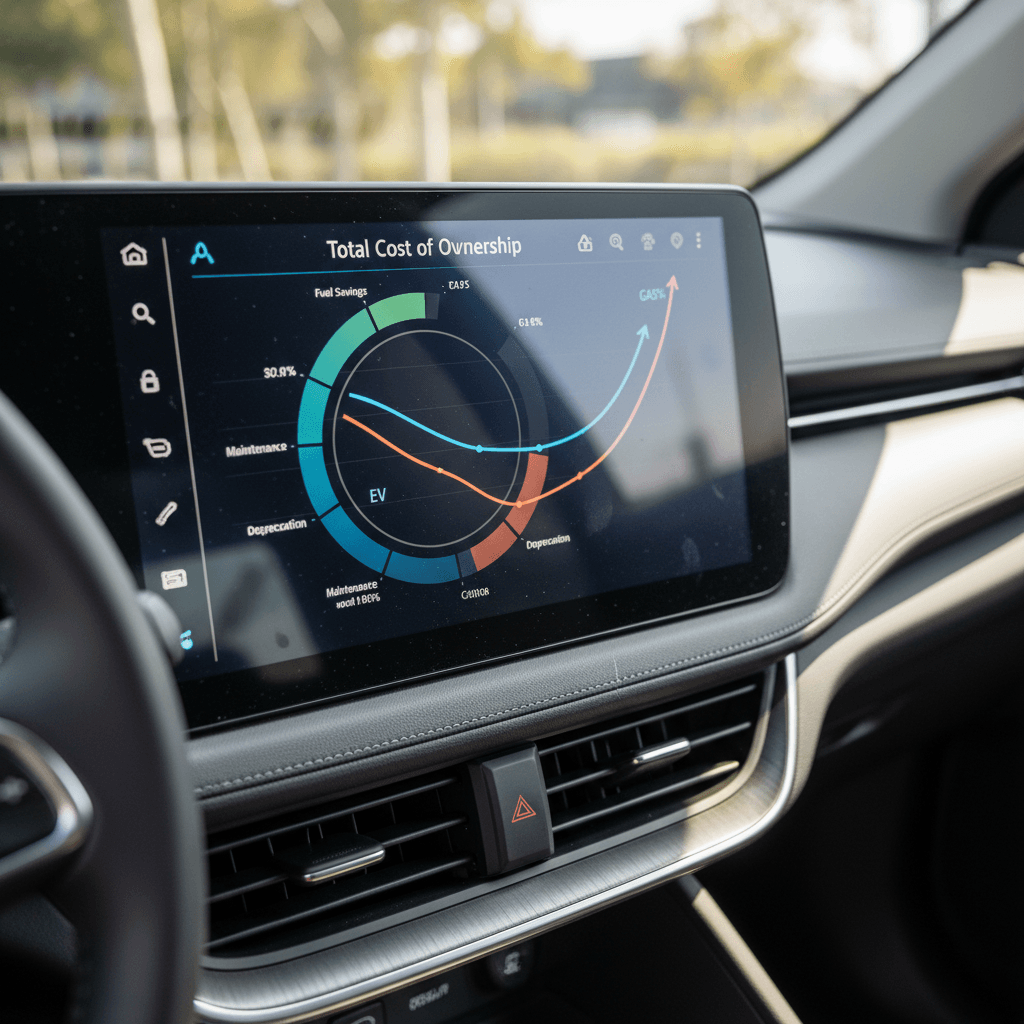
It’s tempting to focus only on fuel and maintenance, where EVs clearly win. But the full 2025 ownership picture is more nuanced. AAA’s latest "Your Driving Costs" report shows that total ownership costs for new EVs, once you add purchase price, depreciation, and insurance, are still often higher than for gas cars. That’s why the sweet spot for many buyers today is a well‑priced used EV: you avoid the steepest depreciation while still enjoying low maintenance and fueling costs. That’s exactly the part of the market Recharged focuses on, helping you find used EVs where the math actually works.
Follow the money, not the marketing
Core EV car maintenance checklist
Essential EV maintenance tasks
1. Rotate and align tires
EVs are heavier and deliver instant torque, so they can chew through tires if you ignore them. Plan on rotation every <strong>6,000–8,000 miles</strong> and an alignment check at least annually or any time the car pulls or the steering wheel isn’t centered.
2. Inspect brakes and calipers
Regenerative braking means pads often last 60,000+ miles, but calipers can corrode or seize if they’re never exercised. Ask for a <strong>visual brake inspection</strong> at least once a year, especially in rust‑prone climates.
3. Service coolant when the manual says
Most modern EVs use liquid cooling for the battery, power electronics, and motor. Intervals vary widely, some are lifetime fill, others require service around <strong>100,000–150,000 miles</strong>. Always follow the OEM schedule; don’t let a generic shop improvise.
4. Replace cabin air filters
Your HVAC still needs attention. Most EVs call for cabin air filter replacement every <strong>2–3 years</strong>. A clogged filter makes the HVAC work harder and can contribute to foggy windows and funky odors.
5. Check 12‑volt battery health
Even though your EV has a big high‑voltage pack, it still relies on a <strong>12‑volt battery</strong> to boot up computers and unlock contactors. These small batteries often fail every 3–6 years; testing them annually prevents inconvenient no‑start situations.
6. Keep software up to date
Over‑the‑air (OTA) updates can fix bugs, improve range estimates, and add features. Schedule updates when you have time to verify nothing regressed, especially if you rely on the car for long trips or use DC fast charging regularly.
Battery health, charging habits, and thermal management
The traction battery is the heart of EV car maintenance. The good news: most modern packs lose capacity slowly, industry data suggests on the order of a couple percent per year under typical use, and almost all EVs sold in the U.S. carry 8–10‑year battery warranties, usually to around 100,000 miles or more. The bad news: abuse the pack, and you can accelerate degradation or trigger very expensive repairs that aren’t always covered.
Everyday habits that protect your EV battery
You don’t need to baby it, but a few behaviors make a big difference.
Avoid living at 100%
For daily driving, most EVs are happiest between 20% and 80% state of charge (SoC). Use 90–100% only when you need max range for a trip, and don’t leave the car sitting full for days.
Watch extreme heat
High temperatures are harder on batteries than cold. If possible, park in shade or a garage, and avoid repeated DC fast‑charging sessions in very hot weather.
Mix Level 2 and DC fast charging
Daily commuting on Level 2 charging at home or work is ideal. Occasional DC fast charging is fine, but using it as your main charging method, especially to 100%, can speed up wear over time.
High‑voltage safety reminder
Brakes, tires, and fluids on an EV
Because EVs are heavier and deliver instant torque, tires and suspension become more important maintenance items than they were on many gas cars. At the same time, regenerative braking means you’ll likely spend far less on pads and rotors, if you keep things from seizing.
Common EV wear items and what to expect
These ranges are typical for mainstream EVs; always check your owner’s manual and service history for specifics.
| Item | Typical interval | What can go wrong if ignored | Budget range (per service) |
|---|---|---|---|
| Tire rotation | 6,000–8,000 miles | Uneven wear, noisy ride, earlier tire replacement | $40–$120 |
| New tires | 25,000–45,000 miles | Reduced range, poor wet traction, longer stopping distances | $700–$1,400 |
| Brake service | 60,000+ miles (pads), sooner for cleaning | Corroded calipers, stuck pads, reduced braking performance | $200–$600 |
| Brake fluid | 2–4 years (many OEMs) | Moisture contamination, spongy pedal, corrosion in ABS components | $100–$200 |
| Cabin air filter | 2–3 years | Reduced HVAC performance, odors, fogging | $60–$200 |
| Coolant (if specified) | 100,000+ miles or time‑based | Overheating battery or power electronics, reduced longevity | $200–$600 |
Real‑world spacing will depend on your driving style, climate, and road conditions.
Use EV‑rated tires when possible
Software, OTA updates, and diagnostics
In an EV, some of the most important maintenance isn’t mechanical at all, it’s software. Automakers increasingly use over‑the‑air (OTA) updates to tweak range estimates, refine charging behavior, and fix bugs. Many newer EV platforms also support remote diagnostics, letting the service center see fault codes and data before you even arrive.
- Schedule major OTA updates when you don’t need the car for at least an hour.
- Scan release notes before installing; if you rely on a specific feature (like DC fast charging on a regular trip), search forums or owner groups for early feedback.
- If a warning light appears but the car seems fine, use the app or telematics to log a case; intermittent software issues are easier to diagnose with a data trail.
- For used EVs, confirm the previous owner kept up with software updates, a neglected update history can cause weird behavior and sometimes complicate warranty claims.
How Recharged uses diagnostics for buyers
Ready to find your next EV?
Browse VehiclesEV maintenance schedule by mileage
EV maintenance schedules vary by brand, but once you strip away the ICE‑era habits, most boil down to a simple cadence. Use this as a sanity check alongside your owner’s manual, not a replacement for it.
Every 6,000–8,000 miles
- Tire rotation and tread inspection.
- Quick suspension and steering check.
- Visual brake inspection (pads, rotors, lines).
Every 2–3 years
- Cabin air filter replacement.
- Brake fluid flush (if specified by OEM).
- 12‑volt battery test or replacement if weak.
Every 5–10 years
- Coolant service for battery/e‑motor, if required.
- High‑voltage system inspection at dealer or EV specialist.
- AC service only if cooling performance drops.
Mileage vs calendar time
Maintenance risks to watch on used EVs
Used EVs are often fantastic values, 2024–2025 data shows used prices have fallen sharply compared to gas cars, but you’re inheriting someone else’s charging habits and maintenance decisions. That’s where structured inspection and battery‑focused diagnostics matter more than on a used gas car.
Hidden maintenance risks on used EVs
Most are manageable if you know what to look for.
Unseen battery abuse
Frequent DC fast charging to 100%, long periods parked at 0–5% or 100%, or persistent overheating can accelerate degradation. Ask for battery health data (state of health, cell balance, thermal faults) rather than relying on the dash bar graph alone.
Flood or corrosion damage
Water intrusion in pack enclosures, charge ports, or underbody harnesses can create intermittent, expensive faults. Look for corrosion on connectors, unusual underbody repairs, or salvage/rebuilt titles.
Improper repairs or modifications
DIY suspension changes, non‑rated wheels/tires, or aftermarket high‑voltage tinkering are red flags. EVs are less forgiving of hacky repairs than many older gas cars.
Out‑of‑sync software and recalls
Some used EVs haven’t had critical software updates or recall work done. This can affect charging behavior, range estimates, and even safety systems. Run the VIN for open recalls and confirm software is current.
How Recharged derisks used EV maintenance
Warranty, recalls, and where to service your EV
One of the trickiest parts of EV car maintenance right now isn’t what needs service, it’s who is qualified to do it. Automaker dealer networks vary widely in their EV experience, and independent shops are still catching up, especially on high‑voltage work and manufacturer‑specific diagnostics.
- Most EVs sold in the U.S. include 8–10‑year / ~100,000‑mile battery warranties, often longer in some states. Look up the exact terms for your model and whether coverage transfers to second owners.
- If you’re buying used, verify that any recall campaigns (especially for battery or DC fast‑charging modules) have been completed. This can significantly reduce long‑term risk.
- For basic work, tires, alignment, suspension, brakes, many competent independent shops are fine as long as they follow EV lift points and safety procedures.
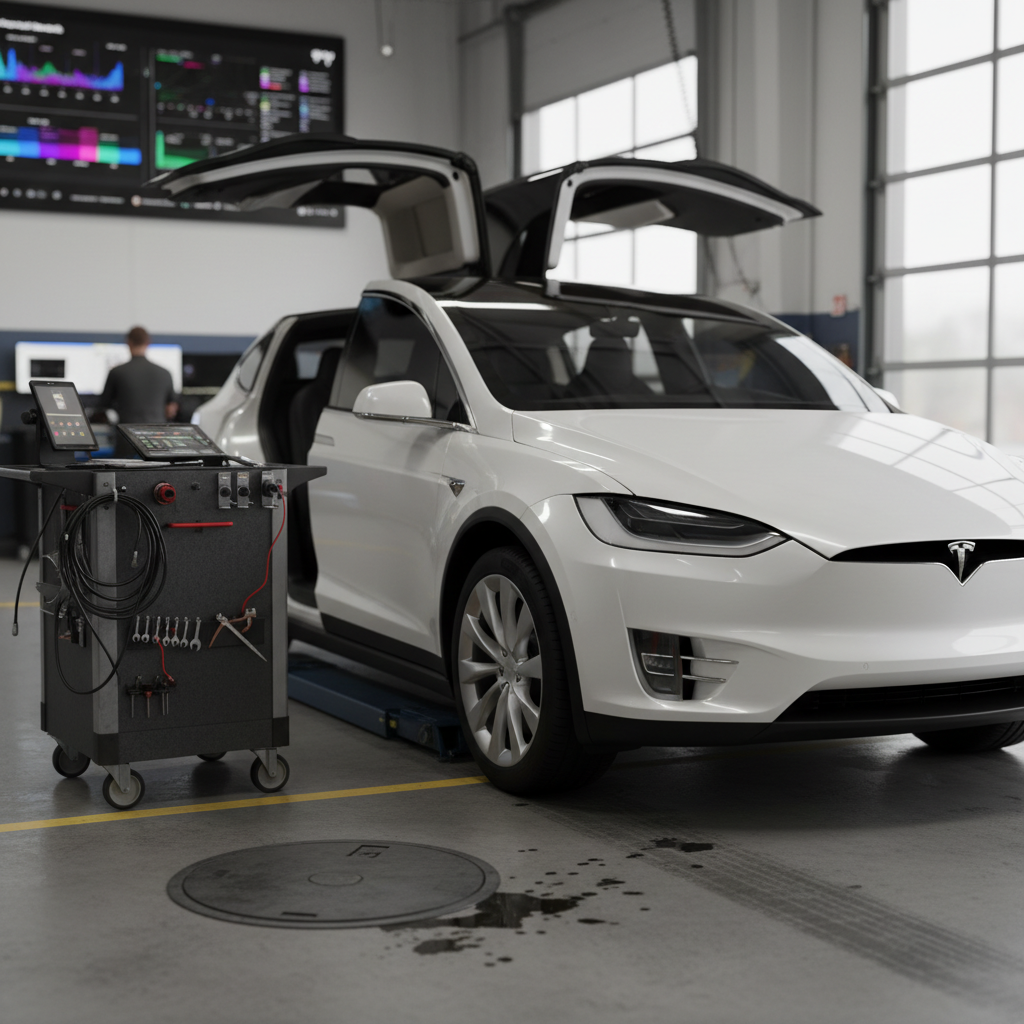
- For anything high‑voltage, or if you see warnings related to battery, charging, or powertrain, prioritize a dealer or independent shop that advertises EV certification and has the proper isolation tools.
“The biggest mistake EV owners make is assuming any shop can treat them like a regular car. That’s how you end up with lift‑point damage, compromised battery cooling, or mis‑diagnosed warning lights.”
Mind the insurance and repair gap
EV car maintenance FAQ
Frequently asked questions about EV car maintenance
Key takeaways for stress‑free EV maintenance
Think of EV car maintenance as trading a long list of small, frequent services for a shorter list of items that really matter: tires, brakes, fluids, and battery health. If you rotate tires on time, avoid abusing the battery with unnecessary 100% charges in hot weather, and work with shops that actually understand EVs, your ongoing maintenance costs will likely undercut an equivalent gas car by a comfortable margin.
Where things get expensive is when owners treat EVs as maintenance‑free, ignore warning lights, or bounce between shops that are guessing at high‑voltage diagnostics. That’s why transparent data and the right experts matter. Buying through Recharged means every used EV comes with a Recharged Score Report, expert guidance on model‑specific quirks, and support with financing, trade‑ins, and delivery, so your EV ownership experience is defined by low running costs and quiet miles, not surprise repair bills.