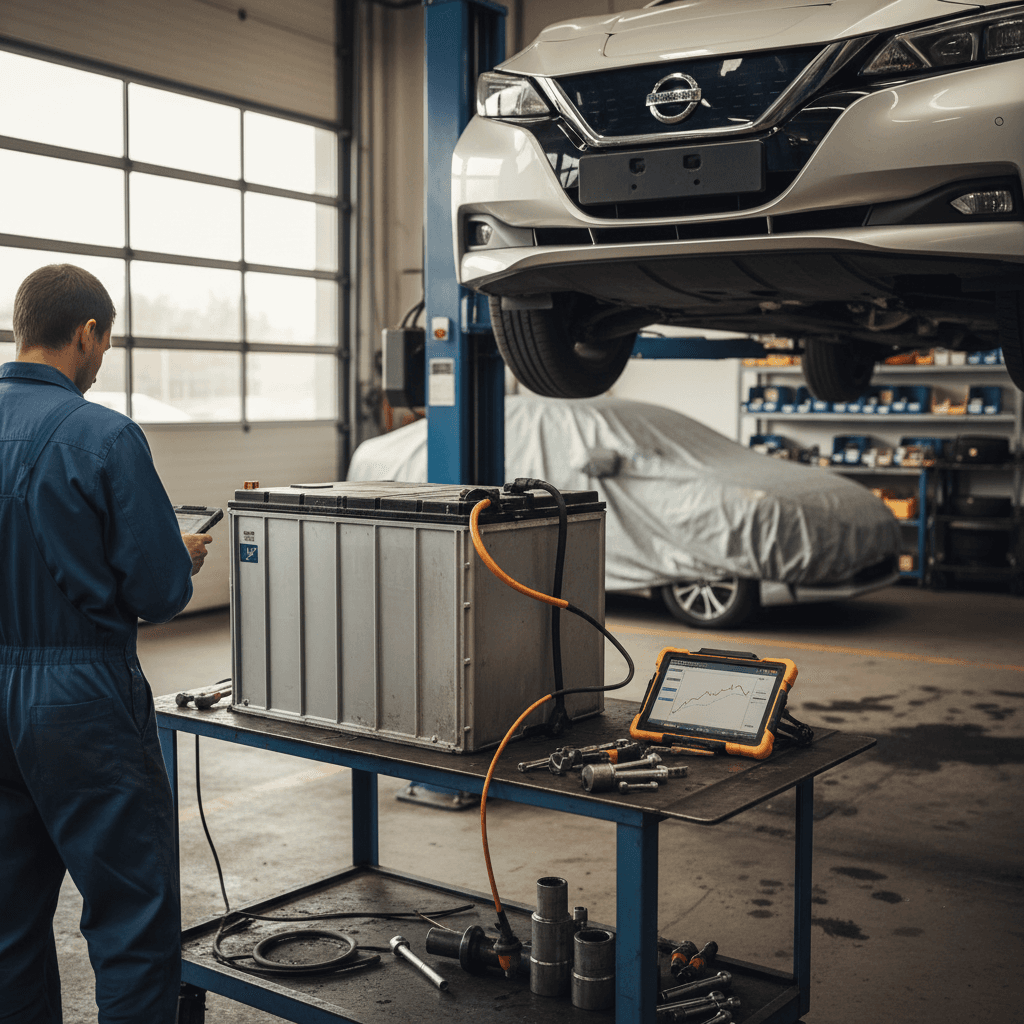
If you’re shopping for an electric car, you’ve probably heard the horror story: an EV battery replacement cost that’s “more than the car is worth.” There is a grain of truth in that, but it’s only part of the story. In 2025, battery prices are falling, warranties are strong, and actual replacements are far rarer than the headlines suggest. Let’s unpack the real numbers so you can decide with a clear head.
The quick reality check
Why EV battery replacement cost scares people
Gas drivers are used to $150 batteries and $800 transmissions. When they hear that an EV battery pack can cost $10,000–$20,000, it sounds like a financial cliff. Add a few viral social posts about $30,000 truck batteries, and it’s easy to assume every EV is a ticking time bomb. In reality, those eye‑popping numbers are the extreme upper end: large luxury vehicles, early models, or dealer-only replacements with no negotiation or third‑party options.
- Battery packs are the single most expensive component in an EV.
- Most people don’t yet have a feel for how long an EV battery actually lasts.
- A few high-profile recall stories (like early Bolt and Kona batteries) skew perception.
- Dealership quotes often reflect worst-case, MSRP-only pricing.
Sticker shock vs. real risk
How much does an EV battery replacement cost in 2025?
2025 EV battery replacement cost snapshot
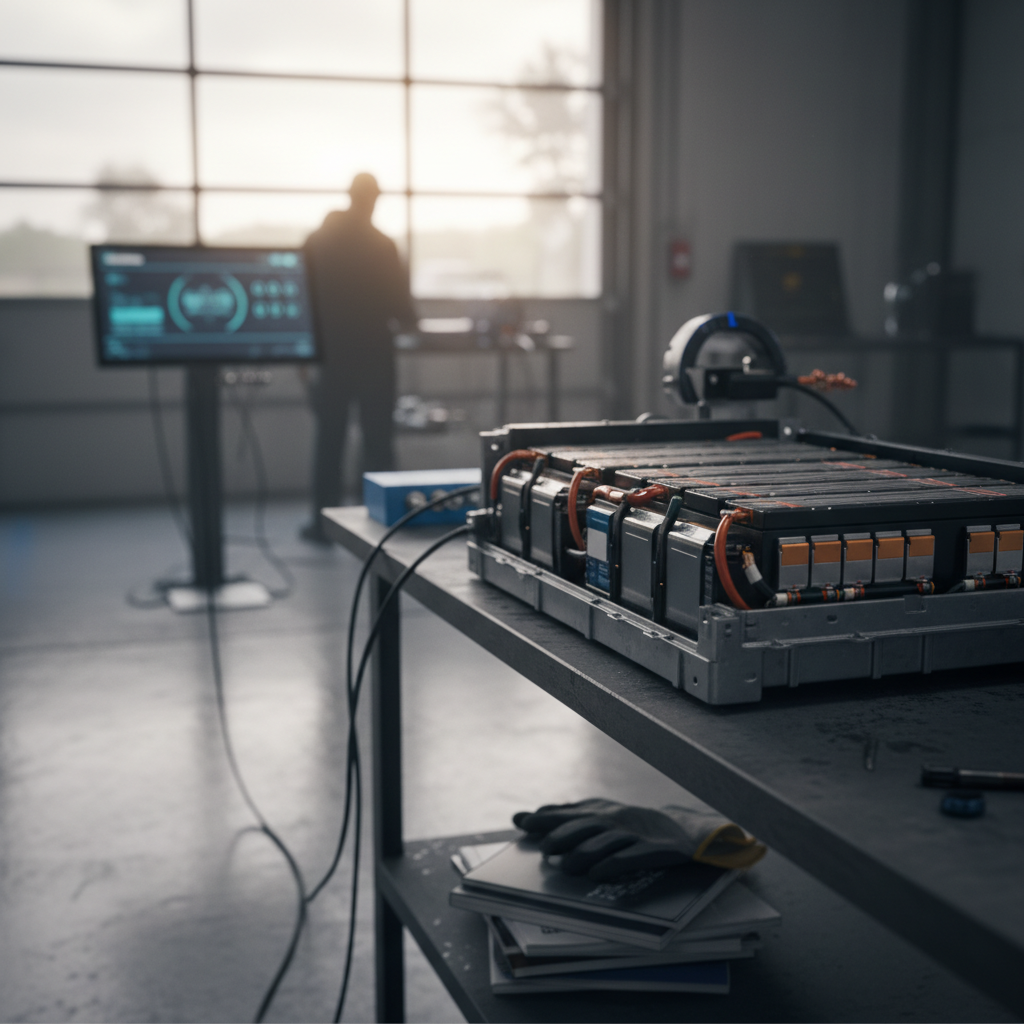
Across recent 2024–2025 data, most full EV battery replacements land between $5,000 and $20,000 for parts and labor combined. Compact EVs with smaller packs sit on the lower end; long‑range luxury sedans and electric pickups live at the top. Labor alone commonly adds $1,000–$3,000, because dropping a 1,000‑pound, high‑voltage pack is specialized work.
Think in terms of pack size, not just model
EV battery replacement cost by vehicle type and model
To make this real, let’s look at common EV categories and representative 2024–2025 price ranges for full pack replacements. These are ballpark figures, not quotes, but they’re grounded in current OEM and third‑party pricing.
Typical 2025 EV battery replacement costs by segment
Approximate parts + labor totals using current OEM and reputable third‑party pricing. Actual quotes vary by region, dealer, and whether you choose new, refurbished, or used packs.
| Segment / Example | Approx. Pack Size | Typical Replacement Cost | Notes |
|---|---|---|---|
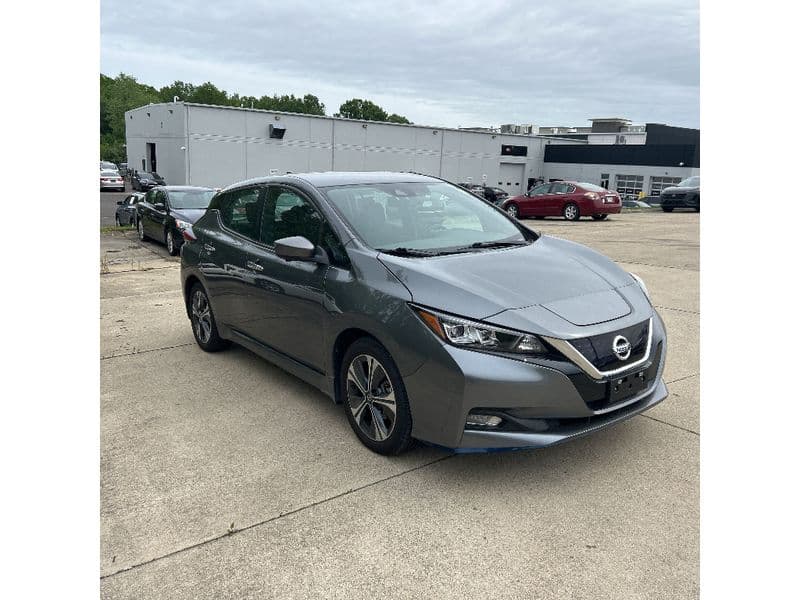
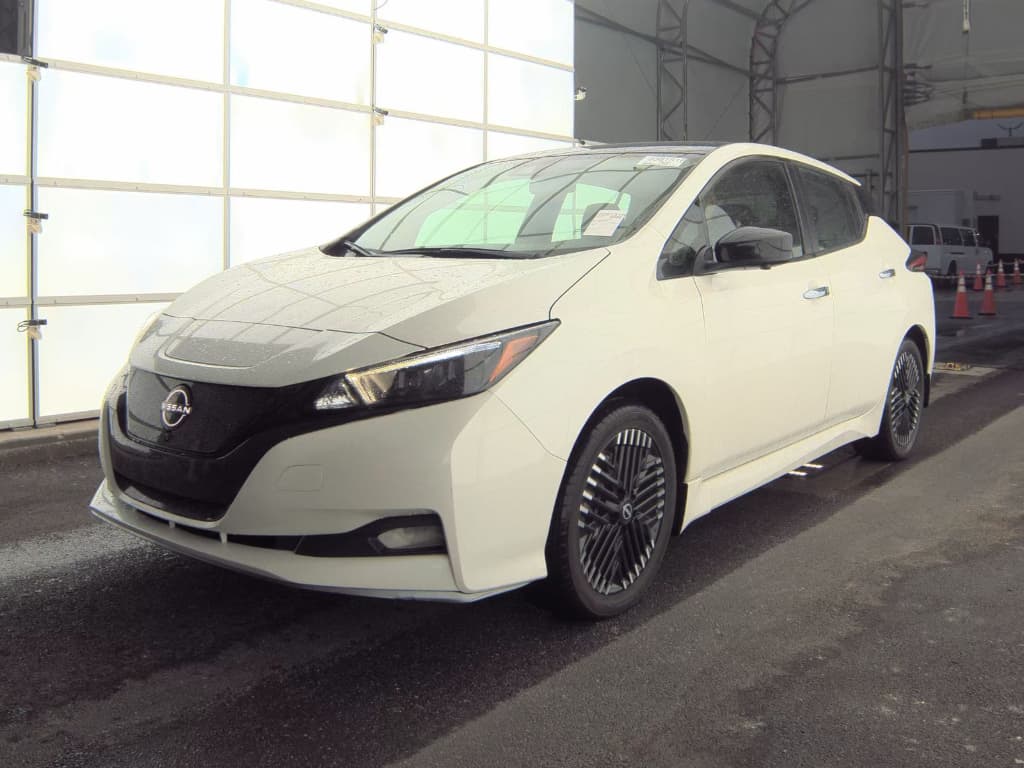
| Compact EVs (Nissan Leaf, Chevy Bolt) | 30–65 kWh | $5,000–$8,000 | Older Leaf packs and similar compacts tend to be the most affordable. |
| Mid-size sedans & crossovers (Tesla Model 3/Y, Hyundai Ioniq 5) | 60–80 kWh | $8,000–$15,000 | Higher-range packs cost more, but third‑party refurbished options can shave thousands. |
| Luxury sedans & SUVs (Tesla Model S/X, BMW iX) | 90–110 kWh | $12,000–$20,000 | Long‑range, performance‑oriented packs sit at the top of the typical range. |
| Electric pickups (Ford F‑150 Lightning, Rivian R1T/R1S) | 100–135+ kWh | $15,000–$25,000+ | Huge battery packs; even modest per‑kWh cost adds up quickly. |
Use this as a comparison tool rather than a guaranteed quote, always price your specific VIN.
Model-specific snapshots
What your EV battery warranty really covers
Here’s the part many shoppers miss: in the U.S., virtually every modern EV sold in the last decade includes a separate high‑voltage battery warranty. It’s usually 8 years or 100,000 miles at minimum, and some brands go to 10 years or 150,000 miles. That coverage often includes not just outright failure but excessive capacity loss.
- Most OEMs promise that your battery will retain around 70% (sometimes more) of its original capacity during the warranty period.
- If the pack fails or loses capacity below the threshold while in‑warranty, the manufacturer typically repairs or replaces it at no cost to you.
- The battery warranty is separate from the basic bumper‑to‑bumper warranty and usually transfers to subsequent owners.
Why this matters for real-world costs
How to actually read your battery warranty
1. Find the battery section
Look specifically for "high-voltage battery" or "traction battery" in the warranty booklet. It’s usually a separate section from the basic 3‑year/36,000‑mile coverage.
2. Note years and mileage
Write down both the time and mileage limits (for example, 8 years / 100,000 miles). The warranty ends at whichever comes first.
3. Look for capacity guarantees
Some brands specify a minimum state of health (like 70% capacity) they guarantee. If your pack falls below that within the warranty period, you may qualify for repair or replacement.
4. Check transferability
Confirm whether the warranty transfers to subsequent owners, critical if you’re buying used. In the U.S., most modern EV battery warranties do transfer.
How often do EV batteries actually need replacement?
This is the linchpin. Data from recent ownership studies shows that only a very small percentage of EVs have had their battery packs replaced, outside of specific recall campaigns. Many industry sources put that figure in the low single digits across the fleet, and most of those replacements occurred while the vehicle was still under warranty.
EV batteries vs. how long people keep cars
Degradation is real: an EV will slowly lose range over time, just like your phone, but much more slowly. A 5–15% loss over the first 100,000 miles is common, and most owners simply adapt by charging a bit more often rather than swapping the pack. Full replacements tend to happen when there’s a defect, serious damage, or extremely high mileage, not just because a car has 10–20% less range than new.
Key factors that drive EV battery replacement cost
What actually makes one EV battery replacement cost more than another?
Four big levers determine whether you’re looking at a $6,000 bill or a $20,000 one.
Battery pack size (kWh)
The larger the pack, the more expensive it is to replace. A 30 kWh city car pack simply uses far fewer cells than a 100+ kWh truck pack.
Vehicle brand & design
Some manufacturers design packs and cooling systems that are easier to service or swap. Others require more labor, custom tooling, or proprietary parts.
Labor complexity & rates
Dropping a pack can take several hours, and shop rates vary. Coastal metro areas often charge more than smaller markets, and some packs require extra calibration time.
New vs. refurbished vs. used
New OEM packs cost the most. Refurbished or used packs from reputable suppliers can trim 30–50% off the bill, depending on availability.
Labor & shop choice
Most EV battery replacement quotes include $1,000–$3,000 in labor. That reflects high‑voltage safety procedures, heavy lifting equipment, and software work afterward. Independent EV specialists may charge less than brand dealerships, especially if they’ve standardized on certain models.
Where you live
Just like any major repair, geography matters. Labor rates in big coastal cities can be 20–30% higher than in smaller markets. If you’re flexible, it can be worth getting a quote from a reputable EV shop a few hours away.
Your options: OEM, refurbished, and used packs
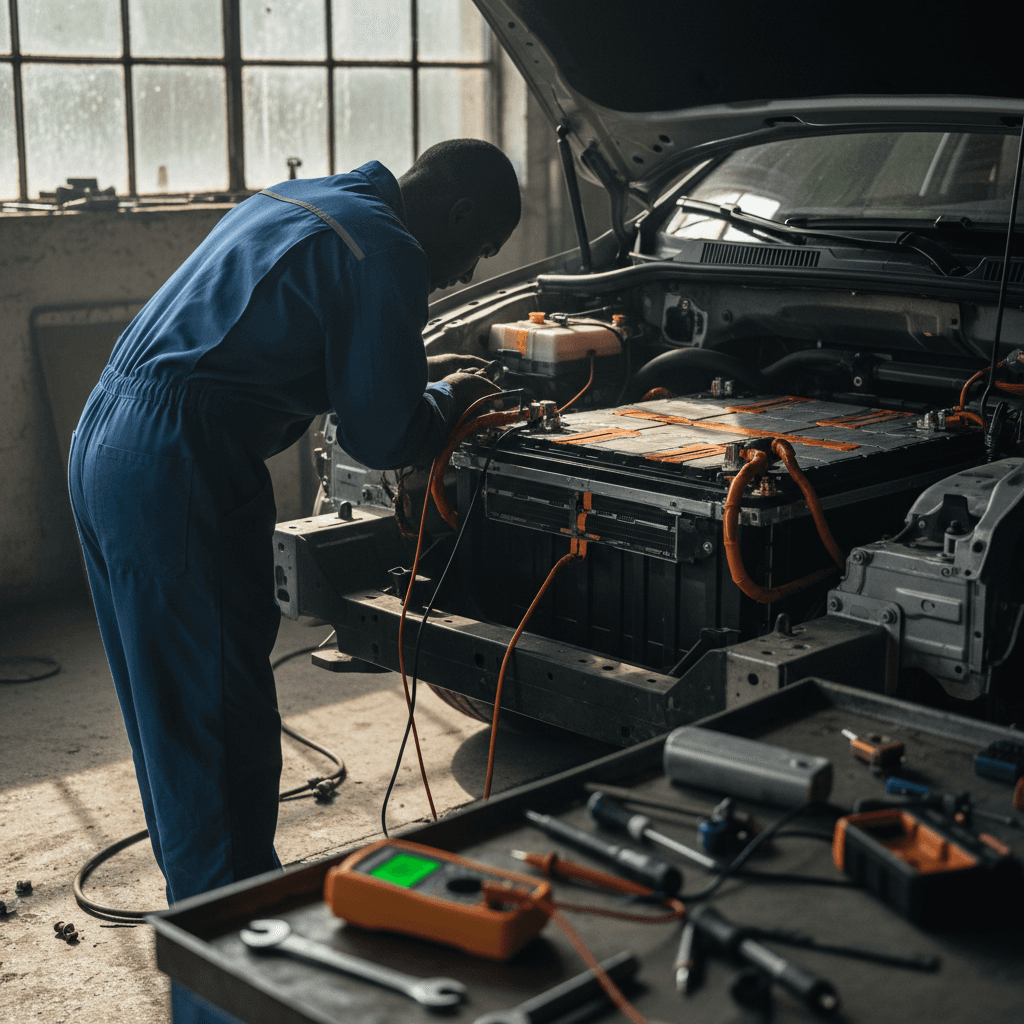
If you ever do need a pack, you’re not locked into a single path. Increasingly, owners can choose between new OEM packs, third‑party refurbished packs, or good used packs from low‑mileage salvage vehicles. Each comes with trade‑offs in price, risk, and warranty.
Common replacement paths compared
Three main choices if your EV battery ever truly needs replacement.
New OEM pack
- Pros: Factory-new, correct spec, backed by manufacturer warranty.
- Cons: Highest cost, dealer-only in many cases.
- Best for: Newer, higher-value EVs still worth significantly more than the pack price.
Refurbished pack
- Pros: 30–50% cheaper than new, tested modules, usually includes shop warranty.
- Cons: Shorter warranty, quality varies by supplier.
- Best for: Daily‑driver EVs where outright perfection isn’t mandatory.
Used/salvage pack
- Pros: Often the lowest upfront cost, good for older EVs with low resale value.
- Cons: History may be uncertain; you’re betting on someone else’s used battery.
- Best for: Budget projects, older city cars, or extending the life of a beloved commuter.
Be picky about who touches your pack
Planning for battery costs when you buy a used EV
If you’re looking at used EVs, the right question isn’t, “Will I get stuck with a $20,000 battery bill?” It’s, “How do I make sure I’m not the unlucky outlier?” The answer is to treat battery health as seriously as an engine compression test on a used gas car.
Used EV battery due diligence checklist
1. Verify remaining battery warranty
Check the in‑service date and mileage to see how much of the 8–10 year battery warranty is left. A car with several years of coverage remaining is a safer bet.
2. Ask for a battery health report
Many OEMs and independent services can provide a state‑of‑health (SOH) report showing current capacity. At Recharged, every car includes a <strong>Recharged Score</strong> with verified battery health.
3. Look at real-world range
During a test drive, compare indicated range at a known state of charge to what that model delivered when new. Large unexplained gaps merit more investigation.
4. Review charging history
Frequent DC fast charging isn’t necessarily a dealbreaker, but a car that’s lived its life on highway fast chargers in extreme heat might have more degradation than one primarily charged at home.
5. Get multiple quotes before you panic
If a car you love has some battery wear, call around. Dealer quotes can be much higher than independent EV shops or refurbished pack specialists.
Use battery health to negotiate, not panic
How Recharged helps you shop with battery confidence
Battery uncertainty is one of the biggest reasons shoppers hesitate on used EVs. Recharged exists to take that fog away. Every vehicle we list comes with a Recharged Score Report that includes verified battery health, fair‑market pricing, and model‑specific guidance so you know what to expect years down the road.
See the battery truth, upfront
Our diagnostics don’t just read a dashboard guess; they pull detailed battery data to show real usable capacity and estimated remaining life. That lets you compare two similar cars, say, two Chevy Bolts, with your eyes open, not your fingers crossed.
Plan the money side, start to finish
Because Recharged offers financing, trade‑ins, instant offers or consignment, and nationwide delivery, you can roll your whole EV plan into one place. Our EV‑specialist support team can walk you through how battery health affects long‑term costs, so your payment and your expectations line up.
Pre-qualify with no credit hit
Ready to find your next EV?
Browse VehiclesFAQ: EV battery replacement cost
Frequently asked questions about EV battery replacement cost
Bottom line: Should battery replacement scare you away from EVs?
The headline numbers on EV battery replacement cost are real, but they’re only part of the picture. Yes, a full pack can run into the five figures, especially on big‑battery trucks and luxury models. But replacements are rare, strong warranties cover many years of driving, and you have more options than ever if a pack truly does need to be swapped.
If you’re buying used, the smart play is to focus on verified battery health, remaining warranty, and realistic range, not scary anecdotes from the internet. That’s exactly what Recharged is built around: transparent battery data, fair pricing, expert EV support, and flexible financing so you can choose the right car with your eyes wide open. When you understand the real numbers, an EV stops being a gamble and starts looking like what it is for most owners, a quieter, simpler, cheaper‑to‑run daily driver with a battery designed to go the distance.