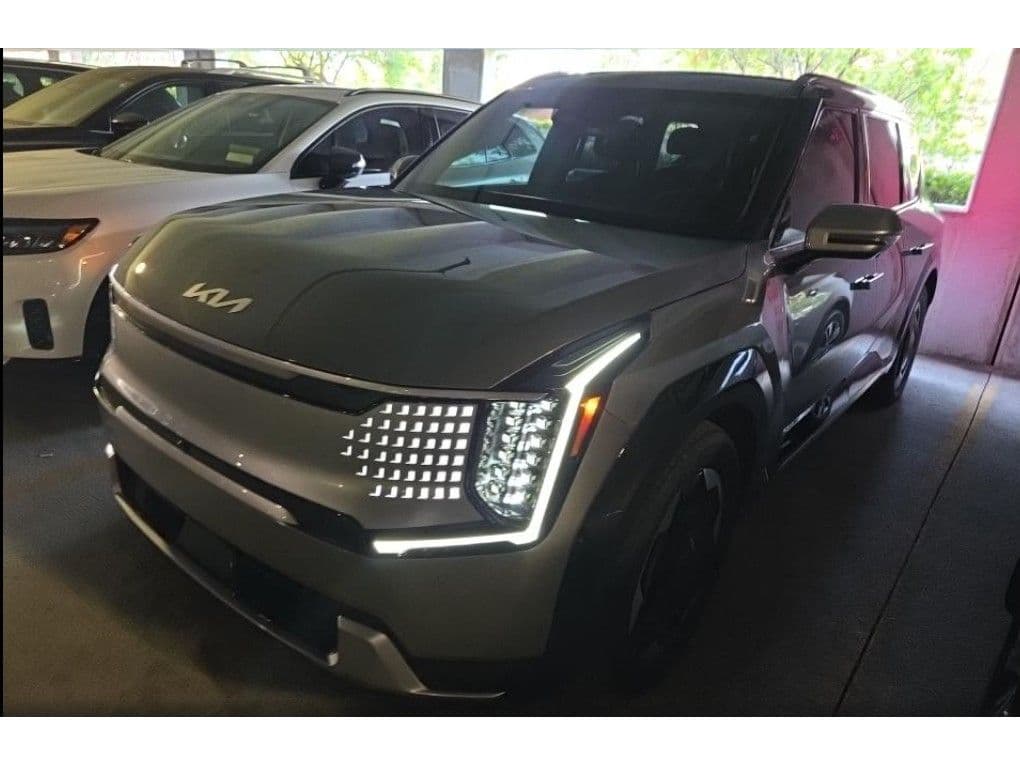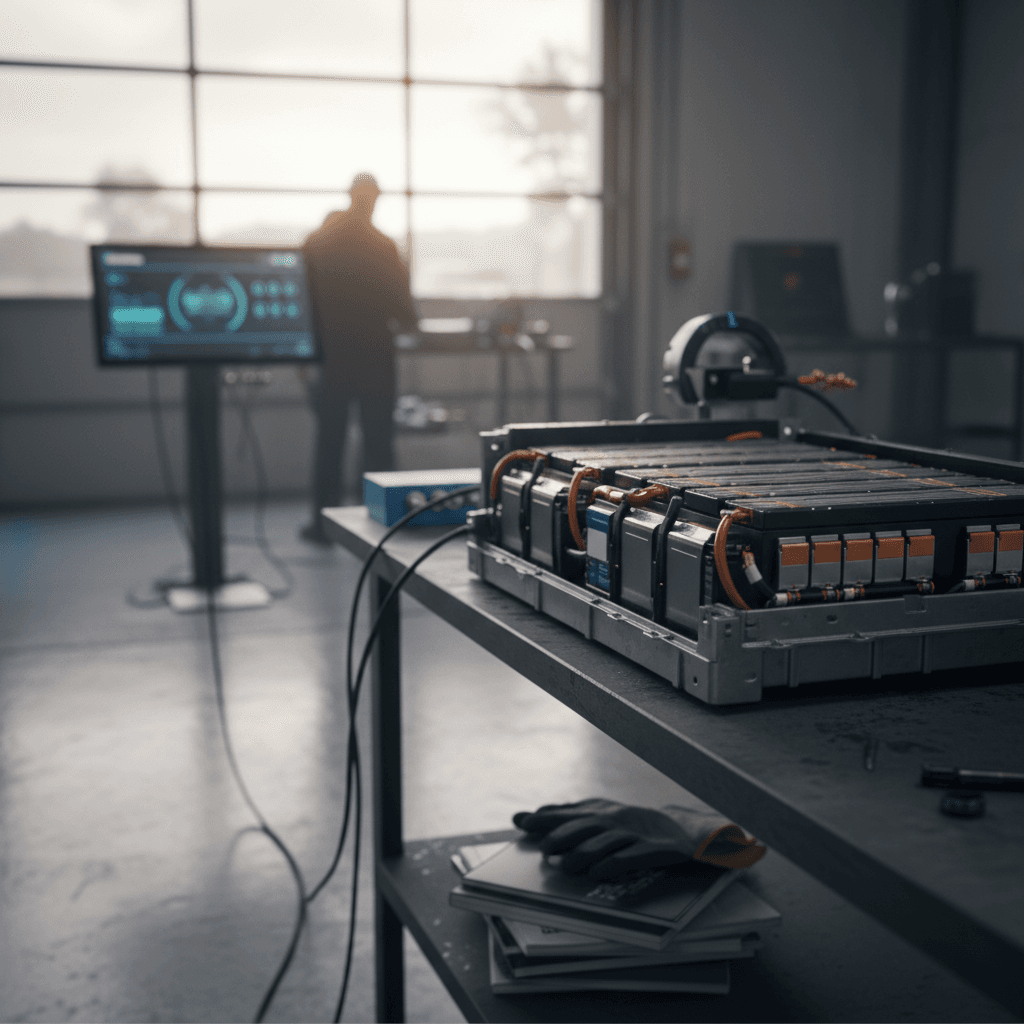
If you’re looking at a Kia EV9, or eyeing a used one, the battery warranty is the fine print that decides whether you sleep well at night or stare at the range gauge like it’s a stock ticker. The good news: Kia EV9 battery warranty details are among the strongest in the industry. The bad news: the devil, as always, lives in the footnotes.
Headline spec
Kia EV9 battery warranty overview
Kia built its reputation on big warranties, and the EV9 rides that wave. When you see the usual “10‑year/100,000‑mile” headline, it’s covering both the EV9’s powertrain and its high‑voltage drive battery. That coverage is longer than what you’ll see from most legacy automakers and roughly on par with its Korean cousin, Hyundai.
Kia EV9 warranty at a glance (US, original owner)
For EV shoppers, the high‑voltage battery warranty is the main event. Replacement packs on a big three‑row SUV like the EV9 are a five‑figure proposition. Kia’s promise is essentially: if the pack has a manufacturing defect or loses capacity abnormally fast, they’ll repair or replace it within that window, usually by swapping modules, sometimes an entire pack.
Markets vary
Kia EV9 battery warranty terms in the US
Kia doesn’t give the EV9 a bespoke one‑off policy; it sits inside Kia’s broader EV warranty program. For a US‑spec EV9 bought new by its first owner, you’re generally looking at:
US Kia EV9 warranty breakdown (typical)
Key warranty buckets that affect EV9 battery and long‑term ownership.
| Coverage | Term (time / mileage) | What it mainly covers | Who gets it |
|---|---|---|---|
| Basic (limited bumper‑to‑bumper) | 5 years / 60,000 miles | Most non‑wear components, electronics, interior, exterior trim | Original & subsequent owners (subject to limits) |
| Powertrain | 10 years / 100,000 miles | Electric motors, reduction gear, related driveline hardware | Original retail owner only in most cases |
| Hybrid/Electric System | 10 years / 100,000 miles | High‑voltage battery, power electronics, onboard charger | Original retail owner; may shorten for later owners |
| Corrosion (perforation) | 5 years / 100,000 miles | Rust‑through of body panels from the inside out | Current owner at time of defect |
| Roadside Assistance | 5 years / 60,000 miles | Towing, jump‑starts, lockout, some trip interruption | Whoever is driving the covered vehicle |
Always verify exact coverage for your VIN in the Kia owner portal or warranty booklet.
Where to confirm your exact terms
- Original vs. subsequent owners: Kia’s famous 10‑year/100,000‑mile headline is aimed at the first retail buyer. If the EV9 is sold, parts of that coverage can shorten for the next owner.
- In‑service date, not model year: The clock starts when the vehicle was first put into service (sold, leased, or used as a demo), not the model year printed on the window sticker.
Capacity and degradation: what Kia really promises
Every EV battery slowly loses capacity. The question is: how much is Kia willing to stand behind on the EV9? For the EV9 and other modern Kia EVs, the pattern is a capacity guarantee of roughly 70% of original usable capacity during the battery warranty period. If the pack falls abnormally below that, and Kia agrees it’s not abuse or external damage, they’ll repair or replace it under warranty.
Normal EV battery fade vs. warranty problem
Where Kia draws the line with the EV9’s pack
Normal degradation
- Slow loss of range over many years
- Faster fade in very hot climates or with frequent DC fast charging
- Still above ~70% of original usable capacity within 8–10 years
- No fault codes or flagged bad cells
Warranty‑grade issue
- Sudden, large drop in range over weeks or months
- Diagnostic tools show failing modules or cells
- Battery management system throws error codes
- Capacity measured or calculated under Kia’s procedure falls below their threshold
Measure, don’t guess
You may also see chatter about software updates “shrinking” the usable pack, an over‑the‑air tweak that moves the goalposts on what 100% actually means. That’s a real concern for some EV9 owners, and we’ll come back to it later, but it usually falls into a gray zone that’s hard to tie directly to warranty replacement unless Kia acknowledges a defect.
What is and isn’t covered on the EV9 battery
The EV9’s high‑voltage battery warranty is generous, but it isn’t a blank check. Think of it as protection against defects, not a lifetime unlimited‑miles guarantee. Here’s the practical breakdown:
Generally covered
- Manufacturing defects in cells, modules, wiring, or pack assembly
- Battery management system failures that affect charging, safety, or range
- Abnormal capacity loss below Kia’s threshold within the warranty period
- Internal pack issues that trigger safety shutdowns or make the car undriveable
- Module or full‑pack replacement when Kia’s diagnostics confirm a defect
Generally not covered
- Damage from accidents, floods, or physical impact
- Improper modifications to the HV system or non‑approved repairs
- Using non‑approved high‑voltage accessories or hacking the vehicle software
- Normal degradation that stays within Kia’s expected range
- Damage caused by ignoring critical warning messages or continuing to drive when advised not to
High‑voltage DIY is a warranty killer
Routine charging behavior, home Level 2, road‑trip DC fast charging, even the occasional session on a high‑power public charger, is expected use. Kia may ask how you’ve been charging, but they don’t require you to baby the car in a way that makes normal ownership impossible. What they care about is whether the battery has been abused or damaged beyond the scope of normal driving and charging.
Warranty transfer rules for used EV9 buyers
If you’re shopping for a used Kia EV9, this is where the story gets more complicated, and more relevant. Kia’s 10‑year/100,000‑mile program was designed as a new‑car sales weapon. When an EV9 changes hands, some pieces of that coverage stay generous, others quietly step down.
Original vs. second‑owner EV9 battery coverage
How much warranty you actually inherit
Original owner
- Buys or leases the EV9 new
- Receives full 10‑year/100,000‑mile EV battery and drivetrain coverage
- Coverage is valid as long as maintenance requirements are met
- Can transfer what’s left of the basic warranty to the next owner
Second (or later) owner
- Buys the EV9 used, from a dealer or private party
- Typically inherits remaining time/mileage on basic warranty
- High‑voltage/EV system coverage may be shortened or limited vs. original owner terms
- Exact rules vary by model year and market; always verify by VIN
Ask these two questions before you buy
Older Kia hybrids famously cut their 10‑year battery warranty down to 5 years/60,000 miles for second owners. Newer EVs like the EV6 and EV9 are trending toward more consistent EV‑system coverage, but there are still differences based on state (California emissions rules), model year, and how the car was originally titled (retail, fleet, demo). Don’t assume you’re getting the full original‑owner deal unless you see it in writing.
This is exactly where a Recharged Score Report earns its keep on a used EV9. Instead of trusting a sales pitch, you get verified battery health data, odometer, and in‑service date, plus a clear view of how much factory warranty is realistically left on the table.
Real-world ownership: OTA updates and battery issues
Warranty PDFs are written in clean legalese; real life is messier. A small but vocal group of EV9 owners has already reported quirky battery‑related issues: modules flagged as bad by diagnostic tools, dramatic capacity readings on OBD apps, and at least one high‑profile case of an over‑the‑air update that appears to have reduced usable capacity while still displaying “100%” on the dash.
When a software update “shrinks” 100%
From Kia’s point of view, that can be framed as a calibration or safety adjustment, not necessarily a defective battery. From an owner’s point of view, it feels like paying for a full tank and getting three‑quarters. Right now, this is legal and technical gray space: hard to prove, hard to litigate, and handled case‑by‑case.
- Range collapsing far faster than normal degradation would explain
- Diagnostic tools showing one or more cells out of line with the rest
- Long waits for parts and specialized technicians sourced from the battery supplier
How Recharged helps here
Ready to find your next EV?
Browse VehiclesHow to protect your EV9 battery and its warranty
The EV9’s pack is engineered to last well beyond the warranty window, but how you treat it day‑to‑day still matters. Some habits preserve range and warranty peace of mind; others quietly work against you.
EV9 battery and warranty care checklist
1. Stay within Kia’s maintenance schedule
Follow the EV service intervals in the owner’s manual and keep documentation. Even though EVs skip oil changes, Kia still expects periodic inspections of the cooling system, high‑voltage components, and software updates. Skipping service can complicate future warranty claims.
2. Use Level 2 as your daily workhorse
Make a 240‑volt Level 2 charger at home or work your default. Reserve DC fast charging for long trips. Regular ultra‑fast charging won’t instantly void your warranty, but it will nudge degradation upward over time.
3. Avoid living at 0% or 100%
Occasionally charging to 100% before a trip is fine; leaving the EV9 parked at 100% for days in summer heat is not. Likewise, don’t repeatedly run the pack down to the last miles. The battery management system protects the pack, but you don’t need to test its limits every week.
4. Let the car manage temperature
Use preconditioning before fast charging or cold‑weather drives. The EV9’s thermal‑management system is your ally; it keeps the pack in a comfortable temperature zone, which reduces stress and prolongs life.
5. Keep software up to date, but read the notes
Install Kia’s approved updates, especially those that improve charging behavior or thermal management. When a big update comes along, skim the release notes and take a mental snapshot of your usual range so you’ll notice any major changes.
6. Document anything unusual early
If you see sudden range loss, odd charging behavior, or repeated warnings, log dates, photos, and mileage. Bringing a clear history to your dealer makes it easier to escalate a legitimate battery claim inside the warranty window.
Pro move: occasional baseline checks
Shopping used Kia EV9? Battery checklist
If you’re approaching the EV9 as a used purchase, exactly the space Recharged lives in, the battery warranty isn’t just a nice‑to‑have; it’s part of the price. Here’s how to sanity‑check a candidate before you fall for the ambient lighting and second‑row lounge seats.
Used Kia EV9 battery & warranty checklist
Questions to answer before you sign anything.
| Item | What to verify | Why it matters |
|---|---|---|
| In‑service date | Ask for the original sale/lease paperwork or pull it via VIN | Tells you exactly how many warranty years are already gone. |
| Current mileage | Odometer reading, plus service records for consistency | Warranty is whichever expires first: time or miles. |
| Owner history | How many prior owners, and was it ever a fleet or rental? | Some fleets have different warranty terms; more owners can mean harder lives. |
| Battery health report | Third‑party or dealer diagnostic, not just the dash’s % number | Reveals hidden degradation, cell imbalance, or prior battery work. |
| Charging history (if available) | Rough mix of home vs. fast charging, climate where it lived | Heavy DC fast charging in hot climates can accelerate fade. |
| Open recalls / TSBs | Check for outstanding campaigns related to battery or charging | You want those completed before you take delivery. |
| Warranty status by VIN | Ask a Kia dealer or EV specialist to print the official record | Confirms exactly what EV and basic coverage remains, and to what date. |
You can do much of this in a single visit if you prepare ahead.
Where Recharged fits in
FAQ: Kia EV9 battery warranty
Frequently asked questions about the Kia EV9 battery warranty
Key takeaways for EV9 owners and shoppers
The Kia EV9 arrives with one of the strongest battery warranties in the business: up to 10 years or 100,000 miles of high‑voltage coverage and a meaningful capacity guarantee. That doesn’t make it bulletproof, software updates, repair delays, and real‑world degradation all live outside the glossy brochure, but it does give you a defined safety net against genuine defects.
If you already own an EV9, your job is straightforward: follow the maintenance schedule, charge thoughtfully, document anything odd early, and let the car manage its own temperature. If you’re shopping used, the homework matters more: know the in‑service date, verify remaining warranty by VIN, and insist on a battery‑health report that goes deeper than the dash gauge.
That’s where a partner like Recharged changes the equation. Every EV9 we list comes with a Recharged Score battery‑health diagnostic, transparent pricing, available financing, trade‑in options, and nationwide delivery, plus EV‑savvy humans who can explain exactly what the warranty does and doesn’t cover in your specific case. The goal isn’t just to get you into an EV9; it’s to make sure you understand the long‑term battery story before you ever plug in at home.