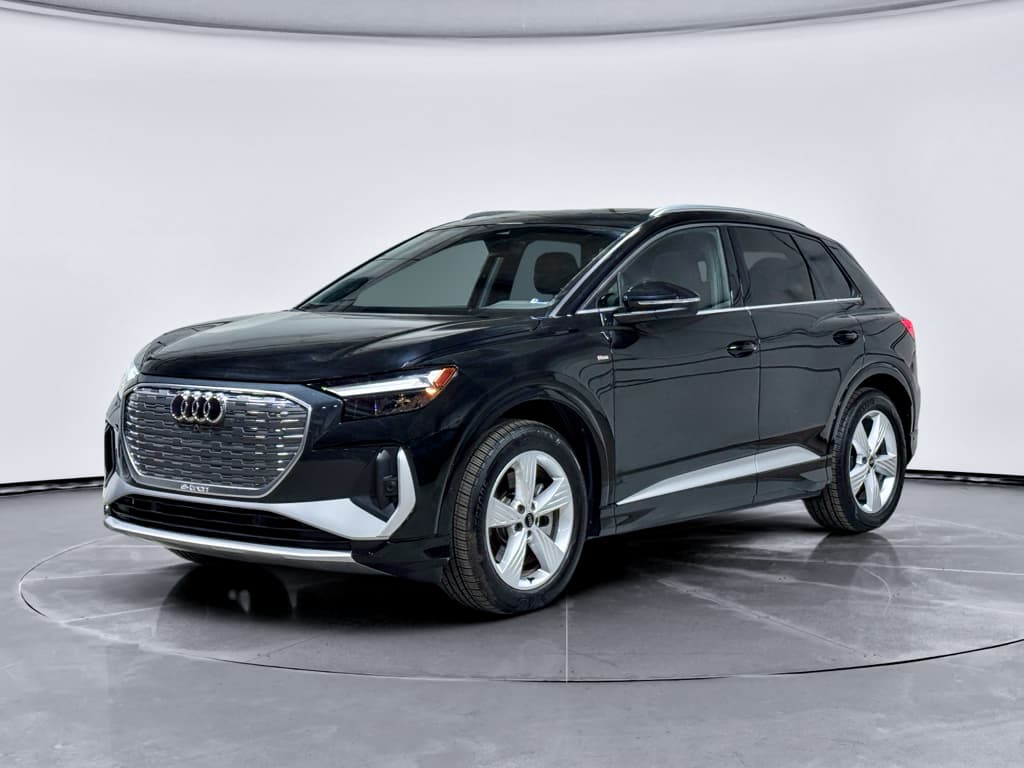
If you love the idea of a sleek, electric grand tourer, the Audi e-tron GT is probably on your short list. But before you sign for one, you need to understand its depreciation rate, because for the e-tron GT, how fast it loses value can easily overshadow savings on fuel and maintenance.
Quick takeaway
Audi e-tron GT depreciation overview
Depreciation is simply how much value your car loses as it ages. For most vehicles, it’s the single largest ownership cost, bigger than electricity, insurance, or maintenance. And across the market, EVs tend to lose value faster than gas cars over the first five years of ownership.
Audi e-tron GT depreciation at a glance
Those numbers mean that if you buy an Audi e-tron GT new and drive it for five years, you can expect it to lose roughly three‑quarters of its original price. That’s steep even by luxury-car standards, which is exactly why the used market for this car can be so compelling.
The hard numbers: Audi e-tron GT depreciation rate
Let’s translate the percentages into real money. Data aggregators that track millions of resale listings show a clear pattern for the Audi e-tron GT’s depreciation curve over time.
Audi e-tron GT depreciation by age
Approximate average depreciation and residual values for a new Audi e-tron GT, based on national pricing data.
| Vehicle age | % of value lost | Approx. value lost | % of value remaining | Approx. resale value |
|---|---|---|---|---|
| 3 years | 59.5% | About $63,000 | 40.5% | Around $43,000 |
| 5 years | 71.9% | About $76,000 | 28.1% | Around $29,900 |
| 7 years | 80.1% | About $85,000 | 19.9% | Around $21,000 |
| 10 years | 86.0% | About $91,600 | 14.0% | Around $14,900 |
Actual values vary by trim, mileage, condition, region, and market swings, but this table provides a realistic baseline.
Think of it this way: if the car’s original MSRP was around $106,000 out the door, by year five you’re looking at something near $30,000. By year ten, it’s in the mid‑teens. The bulk of that drop happens in the first 3–5 years, a classic luxury‑car pattern, amplified by the fact that it’s an EV.
New buyers, read this twice
How the Audi e-tron GT compares to other EVs
So is the Audi e-tron GT uniquely bad, or is this just what happens with electric cars? Broadly speaking, EVs lose value faster than gas cars. Industry analyses put typical five‑year depreciation for all vehicles around the mid‑40% range, while EVs average close to 60% over the same period.
Audi e-tron GT vs. market averages
Where this Audi sits in the depreciation pecking order
All vehicles (overall)
Across the entire market, the typical vehicle loses roughly 45–46% of its value over five years. That includes trucks, SUVs, hybrids, and gas sedans.
EVs overall
Electric vehicles as a group shed around ~59% of their value over five years, meaning they depreciate faster than the market average, but there’s big variation by model.
Audi e-tron GT
The Audi e-tron GT comes in even higher, at about 71.9% depreciation over five years. In other words, it’s on the higher end of the EV depreciation spectrum.
Among luxury electric midsize cars, the e-tron GT is also on the steeper side. Its segment as a whole averages around 68% depreciation at five years, so this Audi is losing a few extra percentage points beyond that.
The silver lining for shoppers
Why the Audi e-tron GT depreciates so fast
High depreciation rarely comes down to a single cause. With the Audi e-tron GT, you’re looking at a perfect storm of luxury‑car economics, technology risk, and shifting incentives in the EV world.
Key drivers of Audi e-tron GT depreciation
1. High original MSRP
The e-tron GT is an expensive car when new, especially in higher trims and RS versions. Luxury vehicles lose more dollars simply because there’s more money on the line to begin with.
2. Rapid EV tech progress
Charging speed, range, and driver‑assist tech have improved quickly since the e-tron GT launched. Newer EVs with longer range or faster charging make earlier models look dated faster than gas cars usually do.
3. Battery anxiety from buyers
Even though modern EV batteries age more slowly than early fears suggested, many shoppers still worry about long‑term battery life and replacement cost. That risk is baked into used prices, especially past year five.
4. Shifting incentives and tax credits
Federal and state incentives change regularly. When new EVs are heavily subsidized or discounted, used prices often have to fall to stay attractive, pushing depreciation higher for cars like the e-tron GT.
5. Niche segment and demand
The e-tron GT is a low‑volume, design‑driven grand tourer. That makes it special, but also means a narrower pool of buyers. When demand is thin, sellers have to cut prices more aggressively.
What this means for you
Buying a used Audi e-tron GT: smart strategies
For value‑minded enthusiasts, a used Audi e-tron GT can be a sweet spot: supercar looks and performance, but at the price of a new, well‑equipped family crossover. The trick is to shop intelligently so you don’t inherit someone else’s problems.
Target the right age and mileage
The best balance of price and remaining life is usually in the 3–5‑year window. By then, depreciation has already done most of its work, but you’re still comfortably within the period where the battery should be healthy with proper care.
- Look for examples with consistent service history.
- Don’t be scared of mileage if it’s mostly highway and the car was charged sensibly.
Focus on total cost, not just price
A cheaper sticker isn’t always the better deal. Factor in:
- Remaining factory battery warranty coverage.
- Expected insurance costs for a high‑value EV.
- Charging costs versus your current gas spending.
Often, a slightly more expensive car with stronger battery health and history is the smarter buy.

How Recharged helps
Managing depreciation if you buy new
If you’re set on buying a new Audi e-tron GT, maybe you want a specific color and options, or you’re planning to keep it for a long time, you can’t eliminate depreciation, but you can blunt the impact.
- Plan to keep the car at least 7–10 years if possible. The longer you own it, the more you spread out that big early drop in value.
- Put more money down or lease if you know you’ll only keep it a few years; that way you’re not upside‑down on a long loan when values fall.
- Avoid over‑customizing or chasing rare colors that might shrink your future buyer pool.
- Stay on top of software updates and documented maintenance so the car looks well‑loved on a future Carfax or inspection report.
- If you’re in a market with strong EV incentives, factor those into your real cost basis, the net price after credits will be lower than the sticker.
Don’t ignore your exit plan
Battery health and resale value
For any EV, the battery pack is the beating heart of resale value. Two e-tron GTs of the same year and mileage can be thousands of dollars apart on the used market if one shows stronger real‑world battery health.
How battery health shapes an e-tron GT’s value
Same car on paper, very different story in practice
Healthy battery, clean history
- Normal range for age and mileage.
- Mostly DC fast charged on road trips, AC at home.
- No warning lights or charging anomalies.
Buyers pay closer to the top of the market for this car.
Questionable battery, spotty history
- Noticeably reduced range vs. original specs.
- Heavy DC fast‑charging usage, frequent 100% charges.
- Gaps in service records or multiple high‑voltage repairs.
Expect steep discounts, or buyers who walk away.
Why the Recharged Score matters
Depreciation scenarios for different owners
How painful, or painless, the Audi e-tron GT’s depreciation feels depends on when you buy in and how long you keep it. Here are a few realistic scenarios to help you picture it.
What depreciation looks like in real life
The original owner (buys new, sells at 4 years)
Pays close to MSRP for a new e-tron GT.
Enjoys the car during its warranty sweet spot, but also bears the steepest drop.
Sells or trades in after four years with roughly 60–65% of the car’s value gone.
Walks away having paid a big premium for being first.
The value hunter (buys at 3–4 years, keeps to year 10)
Buys after the initial 60%+ hit in the first few years.
Pays something in the low‑to‑mid‑$40Ks for a car that once cost over $100K.
Drives it for another six or seven years, then sells in the mid‑teens.
Experiences much smaller year‑by‑year losses than the first owner.
The short‑term driver (buys used, sells in 2 years)
Buys a three‑year‑old car and sells again at five years.
Depreciation is still significant, but far less brutal than new‑to‑five.
Best suited to buyers who negotiate hard up front and maintain the car impeccably.
The long‑term keeper (buys new, keeps 10+ years)
Accepts that the car will be worth a fraction of new price by the end.
Spreads the total depreciation over a decade or more of use.
Focuses on enjoyment and battery care rather than resale math.
FAQ: Audi e-tron GT depreciation & resale
Frequently asked questions
The bottom line on Audi e-tron GT depreciation
The Audi e-tron GT depreciates quickly, faster than the average EV and much faster than the typical new car. For first owners, that means you should go in with a clear plan: either keep it long enough to enjoy the full life of the car, or consider leasing so you’re not left holding the bag when resale values slide.
For second owners, though, that same depreciation can be your best friend. A three‑ to five‑year‑old e-tron GT can deliver outrageous performance, comfort, and design at a fraction of its original price, especially if you verify battery health and shop through a transparent, EV‑focused marketplace.
If you’re serious about a used Audi e-tron GT, or any used EV, look for listings that include . That’s exactly what you get with a Recharged Score Report on every vehicle at Recharged, so you can enjoy the thrill of a flagship EV without guessing what its depreciation curve really looks like.