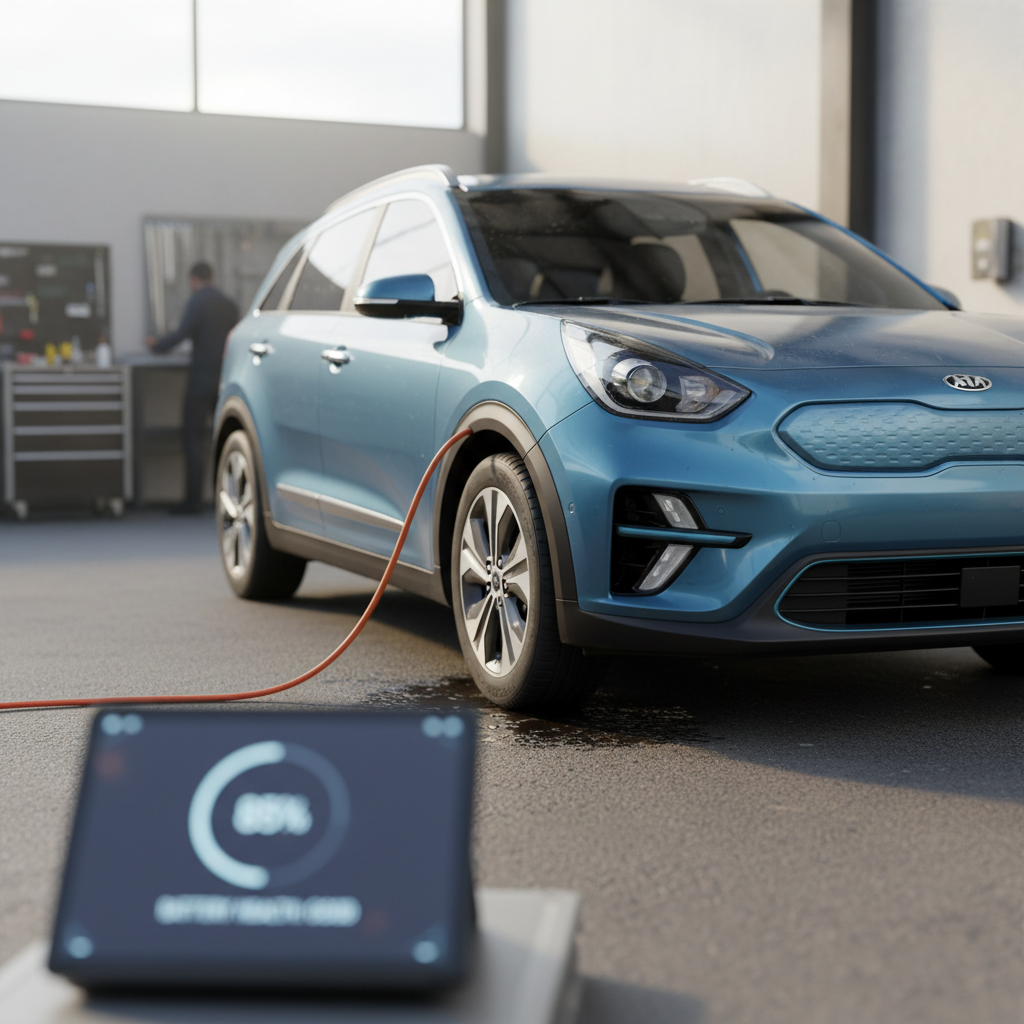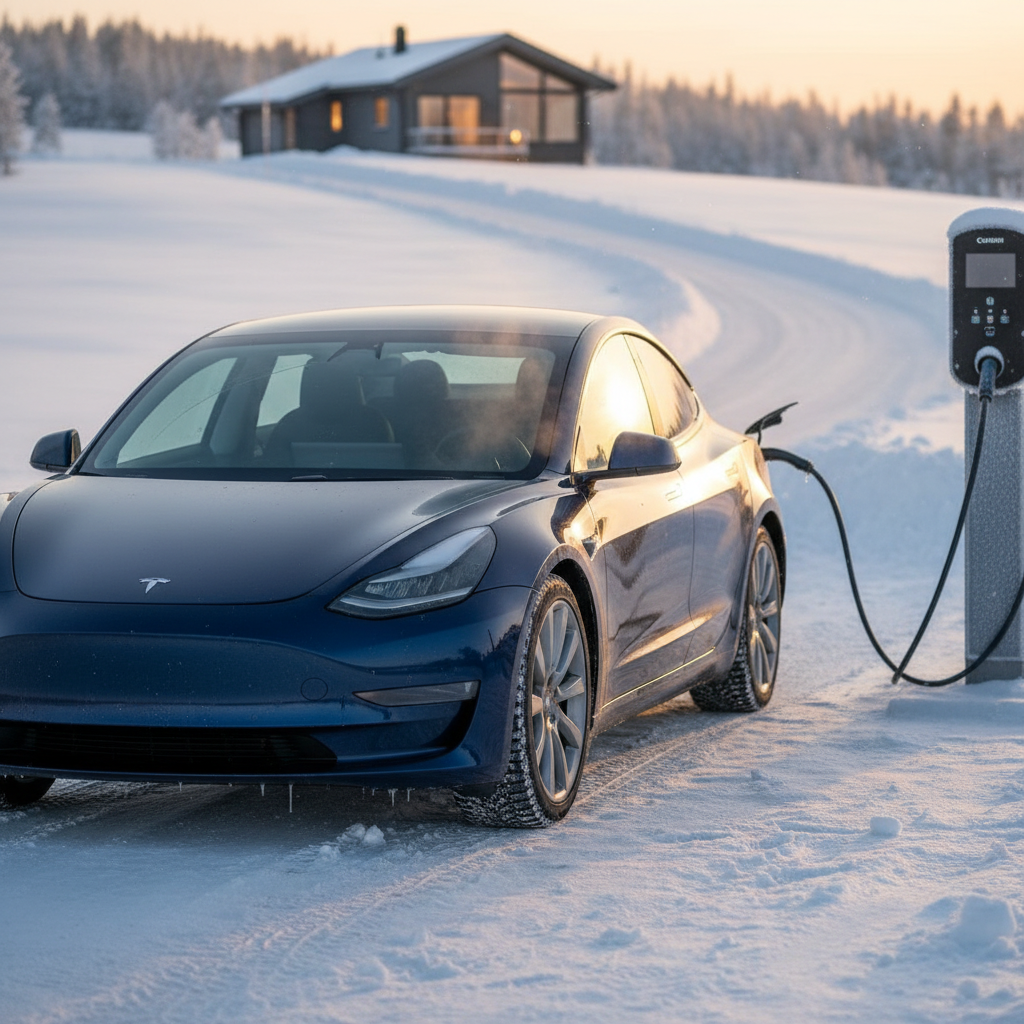
If you drive an electric vehicle long enough, you’ll eventually flirt with the bottom of the battery gauge. When that “0 miles” estimate turns real, an emergency EV charging service can get you moving again, without an expensive tow or a night stranded on the shoulder. This guide walks you through how these services work in 2025, what they cost, and smarter ways to avoid ever needing one.
Why this matters now
What is an emergency EV charging service?
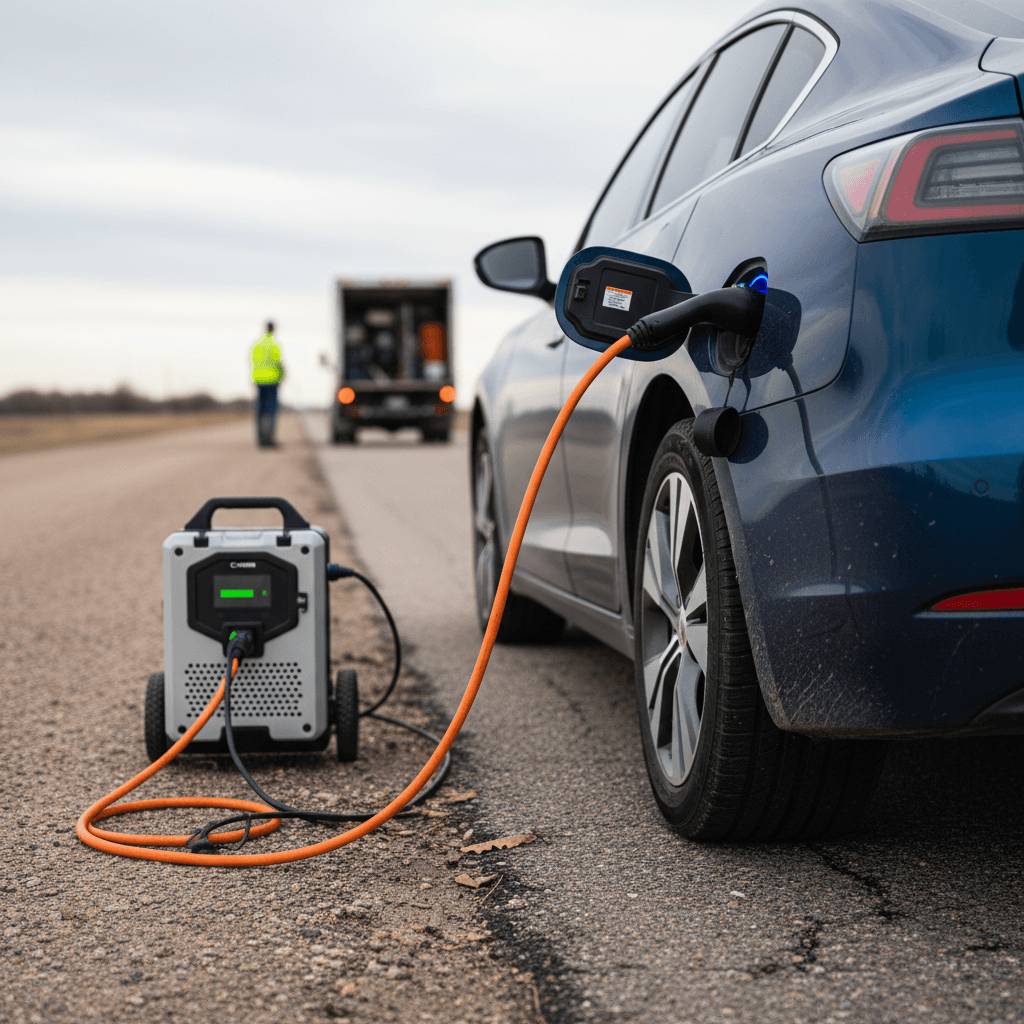
An emergency EV charging service is any on‑demand help that brings energy to your car, rather than moving your car to the energy. Instead of towing your EV to the nearest DC fast charger, a provider comes to you with a portable charger, battery trailer, or generator and gives you just enough charge to reach a proper station.
- Typically available through EV‑aware roadside assistance (AAA, manufacturer programs, some insurers).
- Sometimes offered by specialized mobile EV charging companies that you summon via app.
- Usually delivers a partial charge: enough for 10–60 miles of range, not a full battery.
- Often paired with traditional towing if your vehicle or location makes mobile charging impractical.
Not available everywhere
Types of emergency EV charging services
The main flavors of emergency EV charging
Different tools, same goal: get you to a real charger without a flatbed.
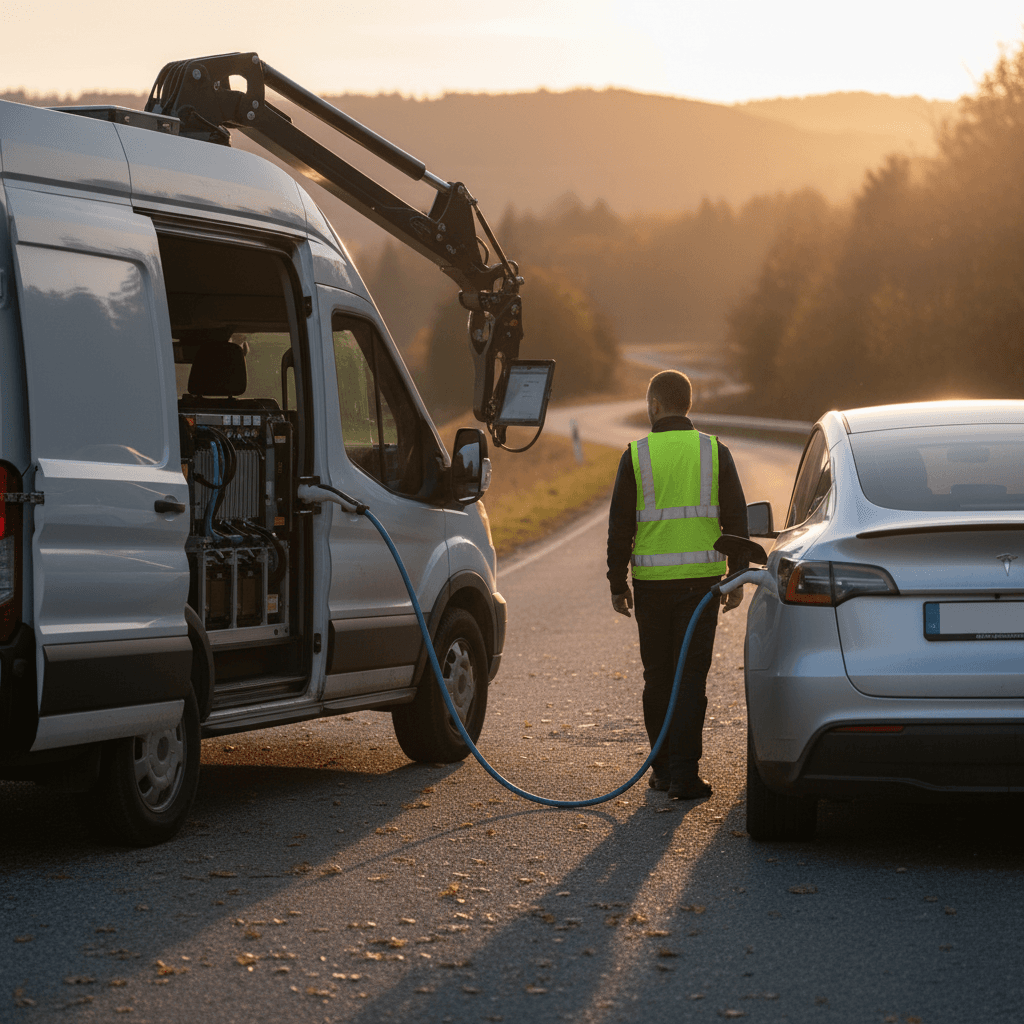
Mobile DC fast charging
Truck or trailer with a high‑power DC unit (often 20–50 kW):
- Fastest way to add usable range roadside.
- 10–30 minutes can give 20–60 miles of range.
- Great for modern EVs with DC fast‑charge ports.
Portable battery packs
Large lithium battery pack used as a temporary charger:
- Quieter and cleaner than generators.
- Often limited to 10–20 kW output.
- Ideal for city or parking‑garage rescues.
On‑board generator charging
Service truck with a gasoline or diesel generator:
- Can provide Level 2 or modest DC charging.
- More common in pilot programs and early deployments.
- Useful where grid power isn’t available roadside.
Traditional tow to a charger
Still the most common solution when you run completely out of charge, especially outside EV‑dense regions. The truck tows your vehicle to the nearest public charger or dealership. It’s reliable but can be slow and expensive, and you still need to wait for charging once you arrive.
DIY "emergency" options
If you’re not truly at 0% yet, you may be able to limp to a Level 2 station by slowing down, turning off climate control, and choosing a shorter route. Some drivers also carry a portable Level 2 unit and, where permitted, can plug into a campground or RV park.
Know your car’s charge port
How mobile EV charging works, step by step
From “uh‑oh” to back on the road
1. Pull over safely and protect the scene
Move as far off the roadway as you safely can, turn on hazard lights, and set the parking brake. If you’re on a high‑speed road and it’s unsafe to stay in the vehicle, follow local guidance and move behind a barrier.
2. Call your roadside or emergency EV charging provider
Use your manufacturer’s app, roadside assistance card, or an emergency EV charging app. Clearly share your location, vehicle model, connector type, and current state of charge if the car still reports it.
3. Provider dispatches a mobile charger or tow
Based on your location and vehicle, they decide whether a mobile unit can reach you or whether towing is safer. In some cases, a truck with both towing and charging capability will be sent.
4. Technician connects the charger
Once on scene, the technician positions the truck safely, confirms your connector type, and plugs into your car. Expect to stay in Park with the parking brake set while charging begins.
5. Receive a partial charge
Most services aim to give you enough range to reach a nearby DC fast charger, often 10–60 miles. Charging times can range from 10 minutes (for a small boost on a fast system) to 45 minutes or more on lower‑power setups.
6. Drive to a proper charging location
You’ll be advised which nearby stations make the most sense. Drive conservatively, plug in again, and complete a full charge in a safer, more comfortable location.
What does emergency EV charging cost?
Pricing for emergency EV charging service is still evolving, but you can think of it like a mix between roadside assistance and DC fast charging. You’re paying for both the energy and the logistics of bringing that energy to you.
Typical emergency EV charging cost ranges (U.S., 2025)
Actual pricing depends on provider, distance, time of day, and whether you have a roadside policy that includes EV coverage.
| Service type | How it’s priced | Typical range of total cost | Good to know |
|---|---|---|---|
| Roadside plan with EV mobile charging | Annual membership + per‑use fee or flat coverage | $0–$150 per incident | Some plans treat emergency charging like a standard tow; others add a per‑kWh fee. |
| On‑demand mobile charging app | Per‑mile dispatch + per‑minute or per‑kWh charging | $150–$400+ | Urban core and peak times tend to be most expensive; quotes are usually given up front. |
| Traditional tow to a charger | Per‑mile towing (sometimes covered by insurance) | $100–$350+ depending on distance | You’ll still pay normal station charging fees after you arrive. |
| Dealership or OEM roadside programs | Bundled with new‑EV purchase or CPO warranty | Often free or discounted during coverage period | Check fine print, some include only towing, not on‑scene charging. |
These figures are broad estimates to help you compare options, not fixed quotes.
Sticker shock is common
Emergency charging vs towing: which makes sense?
When emergency charging is usually better
- You’re in a safe, accessible location where a truck can park behind you.
- You’re within 20–40 miles of a reliable DC fast charger.
- Your EV supports DC fast charging and your charge port is undamaged.
- You want to avoid the time and hassle of a long tow plus a long charge.
In these cases, 20–30 minutes of roadside charging can get you to a full‑featured station faster than waiting for a flatbed.
When towing may be smarter
- You’re on a narrow shoulder, blind curve, bridge, or dangerous location.
- Road conditions or weather make it unsafe to park a heavy truck behind you.
- Your nearest charger is 50+ miles away, or you’re in a charging desert.
- Your vehicle has a charging fault, damaged port, or warning lights.
Safety comes first. If there’s any question, let the provider decide whether a tow is safer than trying to charge on the spot.
Let the pros decide
How to find emergency EV charging near you
Where to look when your battery hits 0%
Have these options in mind before you actually need them.
EV & roadside assistance apps
Many major roadside providers now support EVs:
- AAA and regional auto clubs in select markets.
- Insurance apps with EV‑capable tow partners.
- Specialized mobile charging apps in big metros.
Automaker & dealer programs
Most EVs include roadside support for the first years:
- Coverage may include limited tows or mobile charging.
- Some brands extend coverage to CPO or used EVs.
- Check your owner’s portal or glovebox booklet now, not later.
Public charging networks
Even if they don’t come to you, their apps help you plan:
- Filter for DC fast chargers along your route.
- See real‑time availability before you arrive.
- Avoid the need for emergency service in the first place.
Before a long trip, it’s worth spending five minutes to confirm that your roadside coverage explicitly mentions EVs and what they’ll do if you run out of charge. Some plans still treat an EV like any other car and only offer towing.
How to avoid needing emergency EV charging
Why smart planning beats emergency service
Simple habits that make emergencies rare
Plan around DC fast chargers, not just your destination
On unfamiliar routes, build your plan around reliable DC fast chargers spaced 60–120 miles apart, especially in cold weather or hilly terrain.
Respect the bottom 10–15%
Don’t treat 0% as usable range. Aim to arrive at chargers with at least 10–15% state of charge so traffic, detours, or queues don’t become crises.
Dial back speed and climate when low
If your battery is running lower than planned, slow down 5–10 mph and reduce climate use. Range estimates often climb quickly when you do.
Use multiple charging apps
No single app sees every charger. Combine your in‑car navigation with at least one third‑party app to spot backups and alternative routes.
Check station status before you roll
Look at most‑recent check‑ins or live power data. If a critical station looks unreliable, pick another and avoid the risk altogether.
Know your cold‑weather behavior
In winter, your usable range can drop significantly. Precondition the battery when possible and shorten the distance between planned stops.
Build your own emergency backup plan
What emergency charging means for used EV owners
If you drive a used EV, an emergency EV charging service is a safety net, but it shouldn’t be your primary plan. As batteries age, real‑world range can fall compared with the original window sticker, which makes planning even more important.
Know your real, usable range
Don’t guess. Take a few controlled drives from, say, 80% down to 20% and see how many actual miles you cover at your typical speeds. That tells you far more than the original EPA rating.
If you’re shopping, choose cars with transparent battery‑health data. Every EV listed on Recharged includes a Recharged Score report so you can see how the battery has held up before you buy.
Check what roadside support you actually have
New EVs may include robust roadside coverage, but by the time a car is resold, that coverage can be partial or expired. Ask the seller, verify with the manufacturer, and consider adding a standalone roadside plan that clearly supports EVs.
If you purchase through Recharged, EV‑specialist support is built into the experience, so you’re not left guessing about charging or range on day one.
Range loss doesn’t have to be scary
Emergency EV charging service FAQ
Frequently asked questions
Key takeaways for EV drivers
Emergency EV charging services are a useful backstop, not a daily fueling strategy. In the short term they can save you from an expensive tow and a stressful night on the shoulder; in the long term, the goal is to plan your charging so well that you never need them. Understand how these services work in your area, verify what your roadside and insurance policies actually cover, and build a simple range‑planning routine, especially if you’re driving a used EV with some battery age on it.
If you’re considering a used EV, buying through Recharged means starting with clear insight into battery health and real‑world range, plus EV‑savvy support from search to delivery. That way, emergency charging is just another tool in your toolkit, not something you rely on to make your car work for your life.