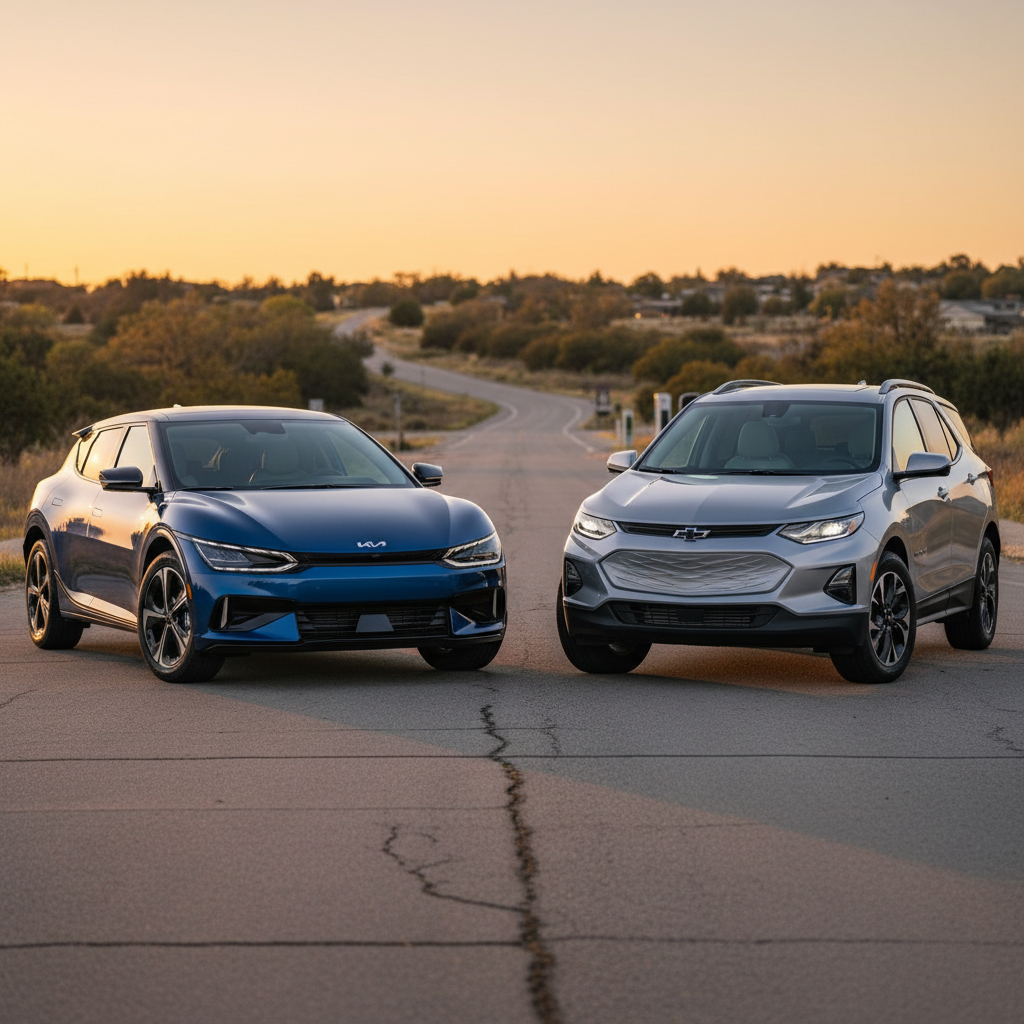
Electric vehicle safety is having a moment. Depending on which headline you read, EVs are either ticking battery bombs or uncrashable techno-cocoons. The truth, as usual, lives somewhere in the dull middle: modern electric vehicles are among the safest cars ever built, but they come with new kinds of risk you can’t ignore, especially if you’re shopping used.
Big picture
Are electric vehicles actually safe?
Let’s start with the anxiety behind the Google search. You’ve seen videos of burning Teslas, read about recalls, heard your uncle mutter darkly about “all that voltage under the floor.” It’s reasonable to ask whether electric vehicles are safe, in a crash, while charging, and as they age.
Electric vehicle safety, by the numbers
If you boil down the data and regulatory changes, three truths stand out: 1. Crash safety is a strength. With big crumple zones and low centers of gravity, many EVs perform brilliantly in NHTSA and IIHS tests. 2. Battery events are rare but high‑drama. When a high‑voltage pack fails, the fire behaves differently than gasoline, which is why it grabs headlines. 3. Software and driver‑assist tech are a wild card. The hardware keeps getting safer; the human–software relationship is where a lot of modern risk lives.
New doesn’t mean flawless
How electric vehicle safety is regulated and tested
From the outside, an EV is just a car with fewer exhaust tips. Underneath, U.S. regulators treat it as a high‑voltage machine that must protect you, your passengers, first responders and even the people who tow it.
- NHTSA crash tests: Frontal, side, rollover and more, EVs face the same core crash tests as gas cars.
- FMVSS 305 / 305a: Electric‑powertrain rules that deal with shock protection, electrolyte leaks, and now, battery fire and emergency-response documentation.
- GTR No. 20: A global technical regulation on electric vehicle safety that informs U.S. rules, especially around post‑crash electrical safety and thermal runaway.
- IIHS testing: Independent overlap crashes, roof strength and updated tests for heavy EVs with huge battery packs.
What 305a actually adds
Where EVs are inherently safer
- No fuel tank: No sloshing gasoline beneath the back seat.
- Low center of gravity: Big, floor‑mounted battery packs dramatically cut rollover risk.
- Rigid structure: Packs are wrapped in stiff crash structures that often improve side-impact performance.
- Always-online diagnostics: The car can warn you about battery or charger faults before something fails catastrophically.
Where EVs add new risks
- High‑voltage complexity: When things go wrong, they can be harder (and more dangerous) to service.
- Thermal runaway: Battery chemistry can sustain a fire even after the external flame is out.
- Weight: EVs are heavy; that’s great for you in a crash, less great for whatever you hit.
- Software dependency: Brakes, steering feel, even door latches may depend on healthy software.
Crash safety: EVs vs. gas cars
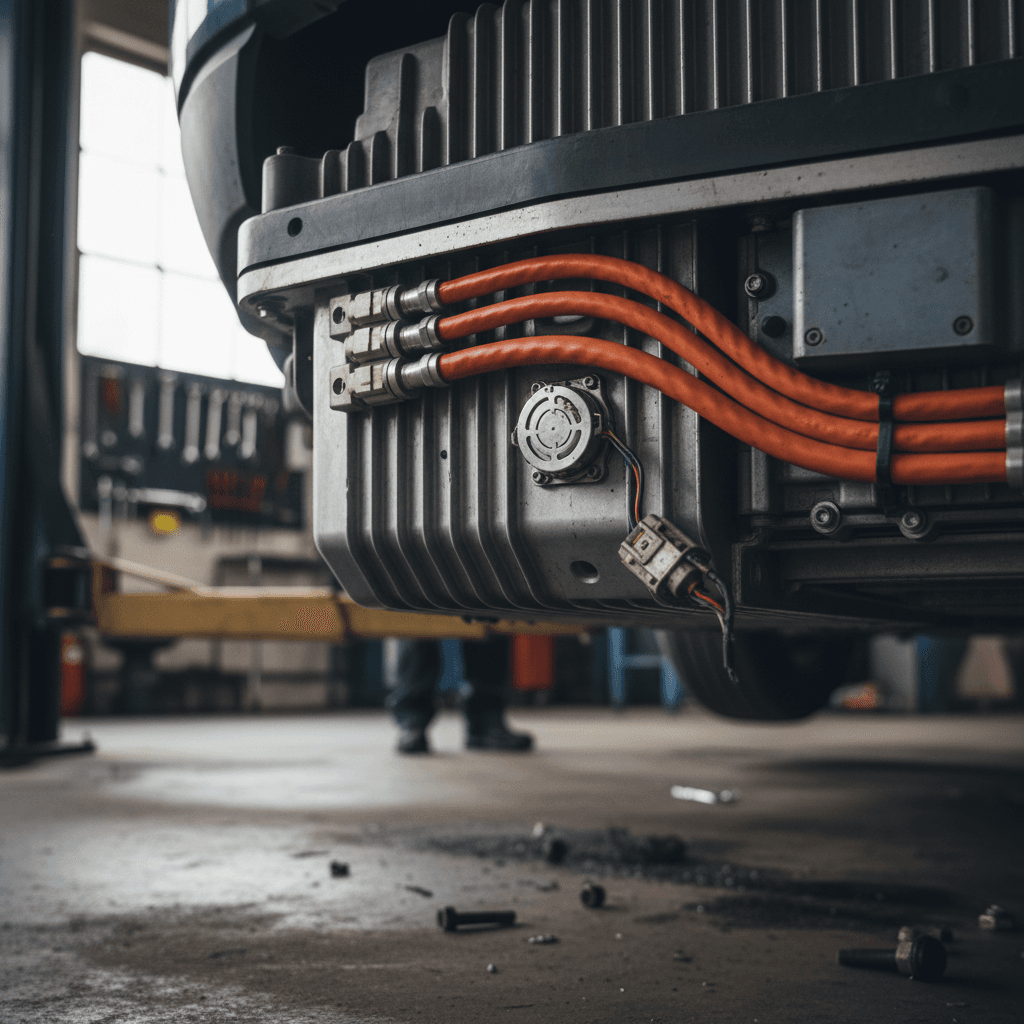
On crash safety alone, the EV story is almost boring: they’re very good. Models like Hyundai Ioniq 5, Tesla Model Y, Nissan Ariya and Mercedes EQE have earned top ratings from NHTSA and IIHS. The battery in the floor helps the car stay planted, and the lack of an engine block up front gives engineers more room to sculpt crumple zones.
Why many EVs ace crash tests
The physics happen to be on your side.
Rigid passenger cell
Controlled deceleration
Low rollover risk
Heavy metal, new problem
The safest car in a crash is the one that gives its mass to the impact, not the one that gets hit by it.
Battery fires, recalls and thermal runaway
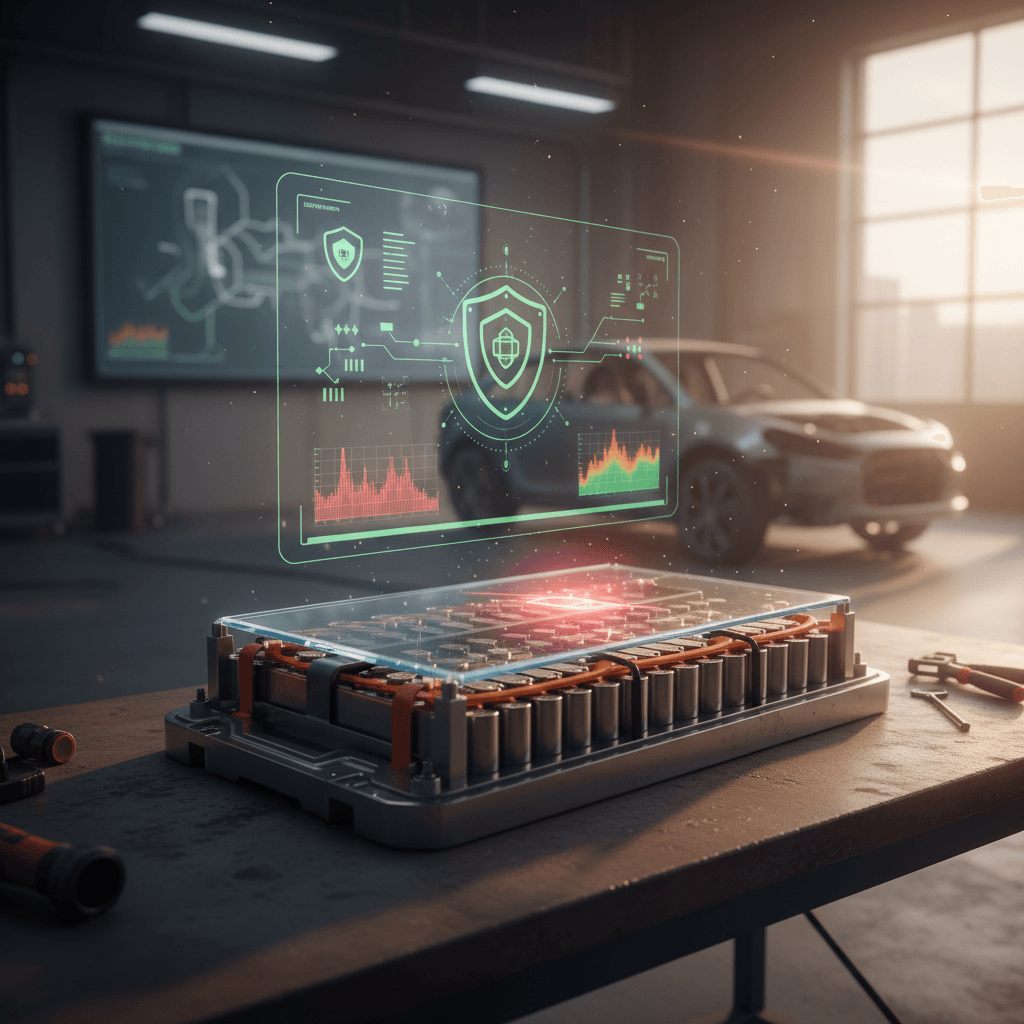
Here’s the part that keeps firefighters up at night. High‑voltage lithium‑ion batteries store a remarkable amount of energy in a small box. When that energy escapes in an uncontrolled way, through crash damage, manufacturing defects, or mishandled fast charging, you get thermal runaway, and sometimes a very long‑lasting fire.
- Industry data suggests EV battery fires happen on the order of a few cases per 100,000 vehicles per year, rare, but not mythical.
- Recent recalls of plug‑in hybrids and quick‑charge‑equipped EVs highlight defects that could cause battery overheating and fires, particularly during DC fast charging.
- Some recalls advise owners to park outside and avoid charging until a fix is made, an inconvenience, but also evidence the monitoring systems are doing their job.
How to lower your battery fire risk
Common battery risk scenarios (and what to do)
Battery fires are rare, but patterns are emerging. Here’s what typically precedes serious incidents.
| Scenario | Risk level | What usually went wrong | What you should do |
|---|---|---|---|
| Post‑crash smoldering | High | Pack damaged in a collision; cells short internally hours after impact. | If safe, move the vehicle away from structures, call emergency services, and tell them it’s an EV. |
| Fast charging on damaged pack | High | Previous impact or defect; fast charging accelerates internal failure. | If you see unfamiliar warnings, stop fast charging and have the car inspected before your next road trip. |
| Saltwater flooding | High | Corrosive water creates short circuits in high‑voltage components. | After flood exposure, don’t drive or charge the car. Have it towed by a shop that understands EVs. |
| Normal Level 2 home charging | Low | Properly installed circuit and certified EVSE; pack remains in a comfortable temperature window. | Use a dedicated circuit, follow the equipment’s instructions, and you’re doing it right. |
None of this is exotic; most hazards come down to heat, damage, or water.
Don’t DIY high‑voltage
Charging safety at home and on the road
The good news: properly installed charging equipment is engineered to be boring. Connectors are weather‑resistant, cables are overbuilt, and the car’s onboard charger is constantly checking for faults. The bad news: houses are full of 50‑year‑old wiring and sketchy outlets that were never meant to feed 40 amps all night.
Home charging safety essentials
Use a dedicated circuit
Have a licensed electrician install a dedicated 240V circuit and wallbox rated for your car’s maximum charging current. Shared circuits and ancient outlets are how garage fires get their start.
Buy certified equipment
Stick with charging equipment that’s UL‑listed or equivalent and approved by your vehicle manufacturer. The bargain-bin no‑name wallbox is not where you want to economize.
Mount and route cables correctly
Wall‑mount the EVSE, keep the cable off sharp edges, and avoid extension cords. If you’re tripping over the cable, you’re doing it wrong.
Let the car manage charge limits
Use the car’s app or settings to cap daily charging (often 70–90%) for battery longevity, and schedule charging for cooler nighttime temps when possible.
Treat outdoor charging as normal
It’s fine to charge in rain or snow with proper equipment. If the charger or cable ever feels unusually hot or smells like burnt plastic, stop and investigate.
Public charging is designed to fail safe
Driver assistance, “self‑driving” hype and real risk
If EVs have a true safety controversy in 2025, it’s not the chemistry. It’s the psychology of automation. Drivers lulled by glossy marketing and smooth driver‑assist systems are crashing into stationary objects, running red lights and absolving themselves of responsibility long before the car is actually capable of driving itself.
Where driver-assist systems can hurt as well as help
The computer is good. The human–computer relationship is messy.
Overtrust and distraction
Mode confusion
Hands on, eyes up, always
- Use driver‑assist on highways you know, in good conditions. Don’t be the beta tester for a foggy, unstriped back road.
- Keep your hands lightly on the wheel even if the car doesn’t seem to care. Your reaction time is part of the safety system.
- If the car behaves unexpectedly, phantom braking, weird lane choices, file a report with the manufacturer and, for serious incidents, with NHTSA. Data leads to fixes.
Used EV safety: what to check before you buy
A new EV rolls off the lot wrapped in regulations and fresh rubber. A used EV arrives with history: curb strikes, missed software updates, lingering recalls, maybe a previous life as a rideshare. Evaluating that history is where buyers win or lose on safety.
Four safety questions to ask about any used EV
If a seller can’t answer these clearly, proceed carefully.
1. Crash history
2. Recall status
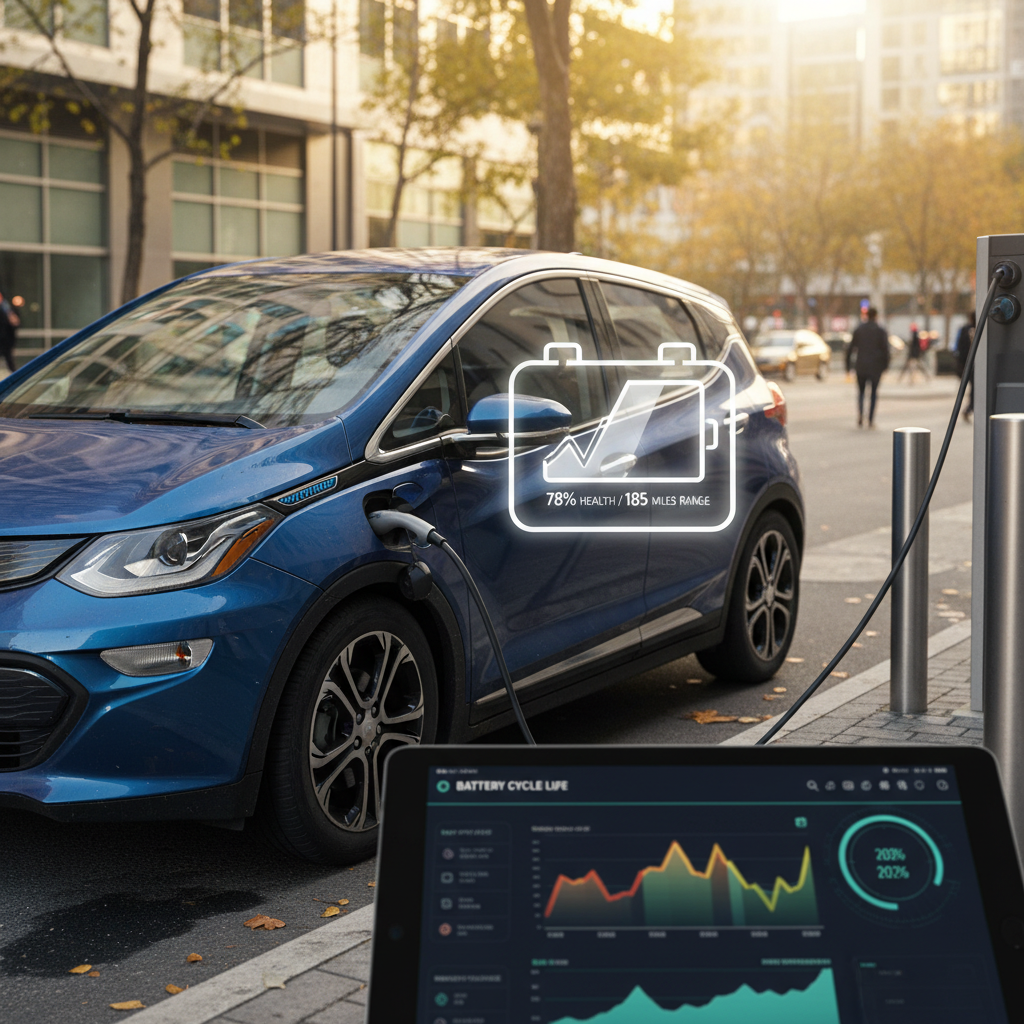
3. Battery health
4. Software level
Use a structured inspection
How Recharged evaluates safety on used EVs
Recharged exists for the person who likes the idea of an EV but doesn’t want to become their own service department. Safety is baked into how vehicles make it onto the platform in the first place.
Inside the Recharged Score: how safety shows up
Battery truth serum, recall checks, and human experts, so you don’t have to guess.
Battery health diagnostics
Safety and recall screening
EV‑specialist review
Ready to find your next EV?
Browse VehiclesBecause Recharged is both a retailer and marketplace, you can trade in, get an instant offer, or sell via consignment while still leveraging the same safety‑first process. And if you’re buying remotely, nationwide delivery plus digital paperwork means you don’t have to gamble on a sight‑unseen used EV from a random lot.
Practical EV safety checklist
Everyday EV safety checklist
1. Keep software and recalls current
Set your car to auto‑update when possible, and treat recall notices like mandatory appointments, not suggestions.
2. Glance at tires and brakes
EVs are heavy and powerful; they chew through tires and brake components. Bald tires turn all that clever stability control into a suggestion.
3. Charge on solid infrastructure
Use a dedicated home circuit or reputable public chargers. Avoid improvised extension‑cord setups, multi‑plug adapters and worn outlets.
4. Respect charging warnings
If the car or charger posts repeated temperature, voltage or communication errors, have it checked rather than soldiering on to “just finish this trip.”
5. Treat driver‑assist as an assistant
Use adaptive cruise and lane‑keeping to reduce fatigue, not your attention. Hands on wheel, eyes ahead, brain engaged.
6. Check for water and damage after storms
If your EV sits in flood water above the sill line, assume the high‑voltage system may be compromised and arrange a tow to an EV‑literate shop.
Electric vehicle safety FAQ
Electric vehicle safety FAQ
The bottom line on electric vehicle safety
Strip away the hype and fear, and you’re left with this: a modern electric vehicle from a major manufacturer is at least as safe as a comparable gas car, and often safer, especially in a crash. The genuinely new risks live in the battery chemistry, the aging of high‑voltage components, and the growing gap between what driver‑assist systems can do and what their marketing departments promise.
If you manage charging sensibly, keep software and recalls current, and treat every driver‑assist feature as just that, an assist, an EV can be an extraordinarily safe way to move your family around. And if you’d rather have experts sweat the details, a used EV vetted through Recharged, complete with a Recharged Score Report and EV‑specialist support, lets you enjoy the quiet, instant‑torque future without wondering what’s lurking under the floor.