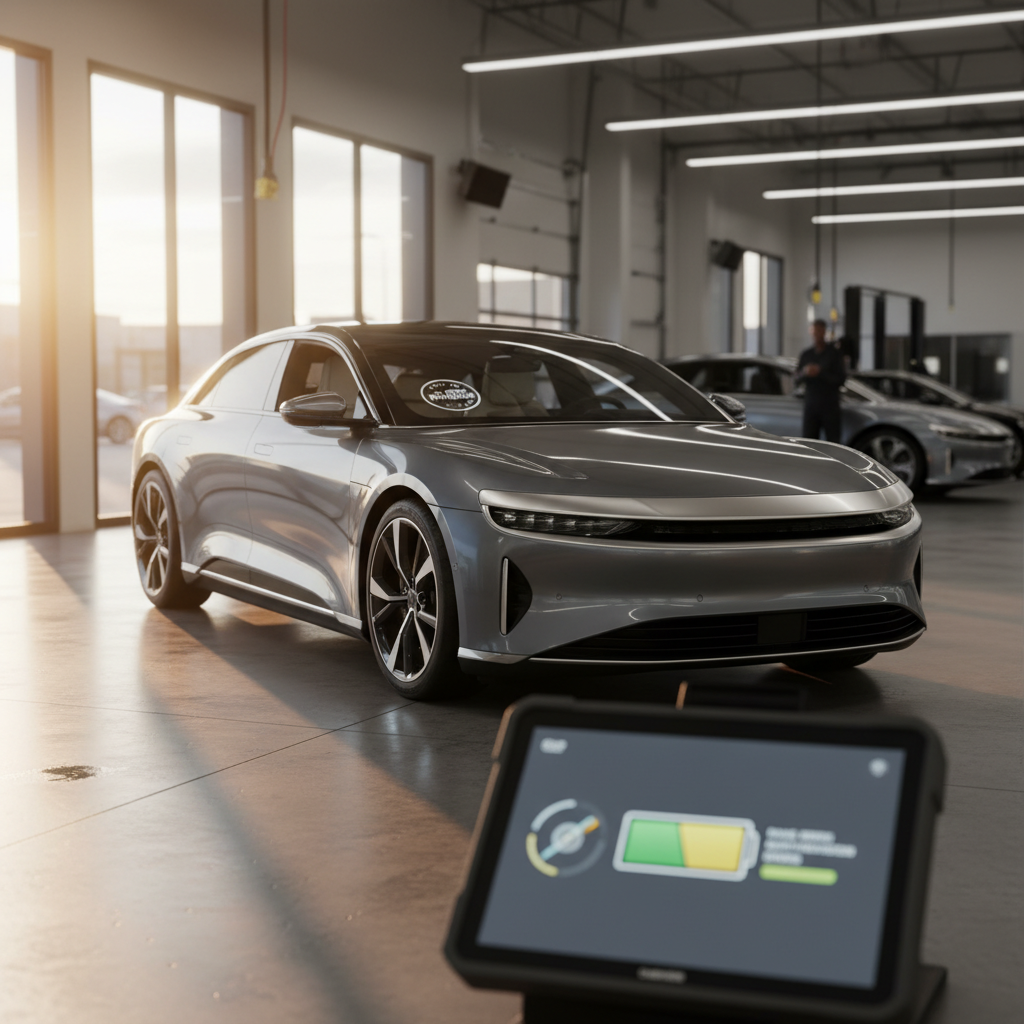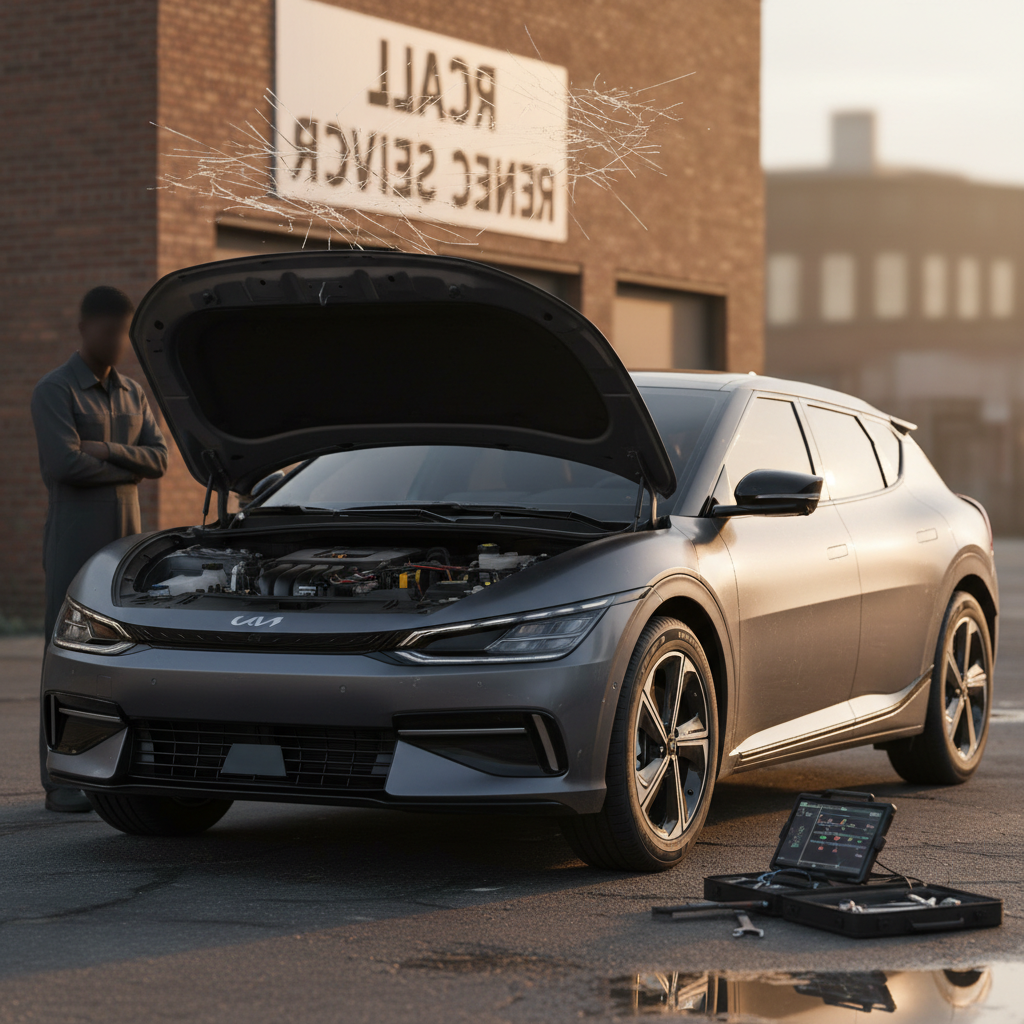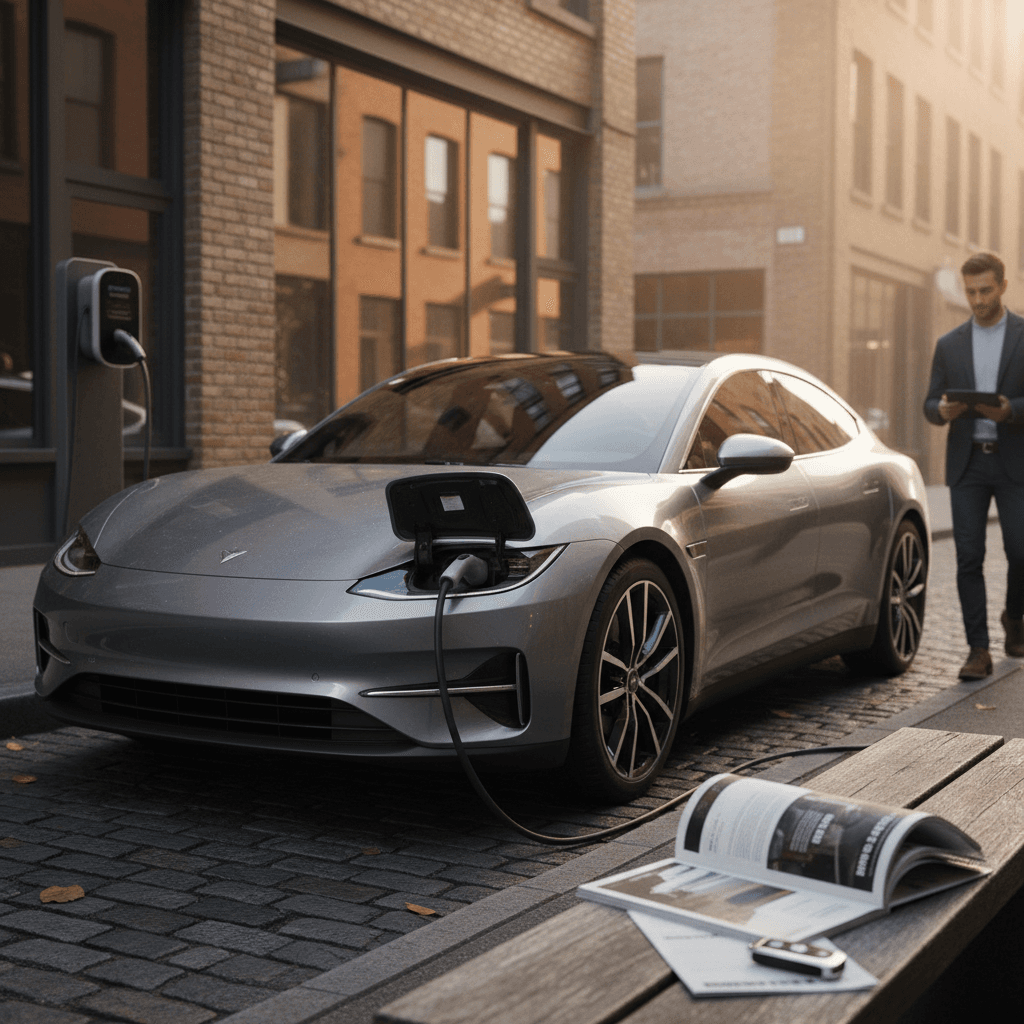
If you’re curious about electric powered automobiles, you’re far from alone. In 2025, EVs have moved from niche tech toys to mainstream options that families, commuters, and businesses are choosing every day. The challenge now isn’t finding an electric car, it’s cutting through the noise to understand how they work, what they cost, and whether a new or used EV actually makes sense for your life.
Quick definition
What Are Electric Powered Automobiles, Really?
At the simplest level, an electric powered automobile replaces the gas engine and fuel tank with an electric motor and a large lithium‑ion battery pack. You plug the car into a power source, at home or at a public charger, instead of filling it with gasoline or diesel. There’s no tailpipe, no oil changes, and far fewer moving parts than in a traditional engine.
- Battery electric vehicles (BEVs) – run only on electricity (Tesla Model 3/Y, Hyundai Ioniq 5, Chevy Equinox EV).
- Plug‑in hybrids (PHEVs) – combine a smaller battery and electric motor with a gas engine (Toyota RAV4 Prime, Kia Niro PHEV).
- Conventional hybrids – can’t plug in; they simply use electric assist to boost efficiency (Toyota Prius). These are not what most people mean by electric powered automobiles today.
Why this matters for you
Electric Powered Automobiles in 2025: Where Things Stand
Electric Vehicle Adoption by 2025
That momentum is why you’re hearing more about electric powered automobiles everywhere, from Super Bowl ads to your neighbor’s driveway. Globally, EVs are well past the early‑adopter phase. The U.S. is a bit behind Europe and China, but even here, nearly one in ten new cars sold is already a plug‑in, and that share is expected to keep climbing as more affordable models reach the market.
Don’t misread the headlines
How Electric Powered Cars Work (Without the Jargon)
1. The powertrain
An electric car uses one or more electric motors to drive the wheels. Power comes from a high‑voltage battery pack under the floor. When you press the accelerator, power flows from the battery to the motor instantly, which is why EVs feel so quick off the line even if they’re not sports cars.
There’s no multi‑gear transmission in most EVs, just a single‑speed reduction gear, so you don’t feel shifting or hunting for gears.
2. Regenerative braking
When you lift off the accelerator, the motor reverses roles and becomes a generator. It slows the car down while sending energy back into the battery. This is called regenerative braking, and it’s why city driving can actually be very efficient for EVs.
Many owners drive in “one‑pedal” mode most of the time, using the brake pedal mainly for hard stops or emergencies.
- Battery pack – measured in kilowatt‑hours (kWh); think of it as the size of the “fuel tank.” Larger packs generally mean more range, but also more cost and weight.
- Inverter and motor – convert electricity into motion and back again during regen.
- On‑board charger – converts AC power from your home into DC power the battery can store. Its max power rating limits how fast you can charge on Level 2 at home.
Why EVs feel different to drive
Charging Electric Powered Automobiles: Home vs Public
Charging is the part that feels most unfamiliar if you’ve spent years fueling at gas stations. The good news: in day‑to‑day use, most EV owners find home charging is simpler and cheaper than fueling a gas car. Public fast charging mainly matters for road trips and for drivers who can’t charge at home.
Charging Options for Electric Powered Automobiles
How the main charging levels compare in real life.
| Charging Type | Outlet / Power | Best For | Typical Speed |
|---|---|---|---|
| Level 1 | 120V household outlet (~1.2 kW) | Overnight top‑ups, very low daily mileage | 3–5 miles of range per hour |
| Level 2 Home | 240V / 32–48 amp wall unit (~7–11 kW) | Daily charging for most EV owners | 20–40 miles of range per hour |
| Level 2 Public | 240V at workplaces, parking garages | Topping up while you’re parked anyway | Same as home Level 2 |
| DC Fast Charging | 50–350 kW at highway stations | Road trips, quick long‑distance travel | 10–80% charge in ~20–45 minutes for most modern EVs |
Typical charging speeds vary by vehicle, weather, and state of charge, but this table gives you realistic ballpark numbers.
Home charging rule of thumb
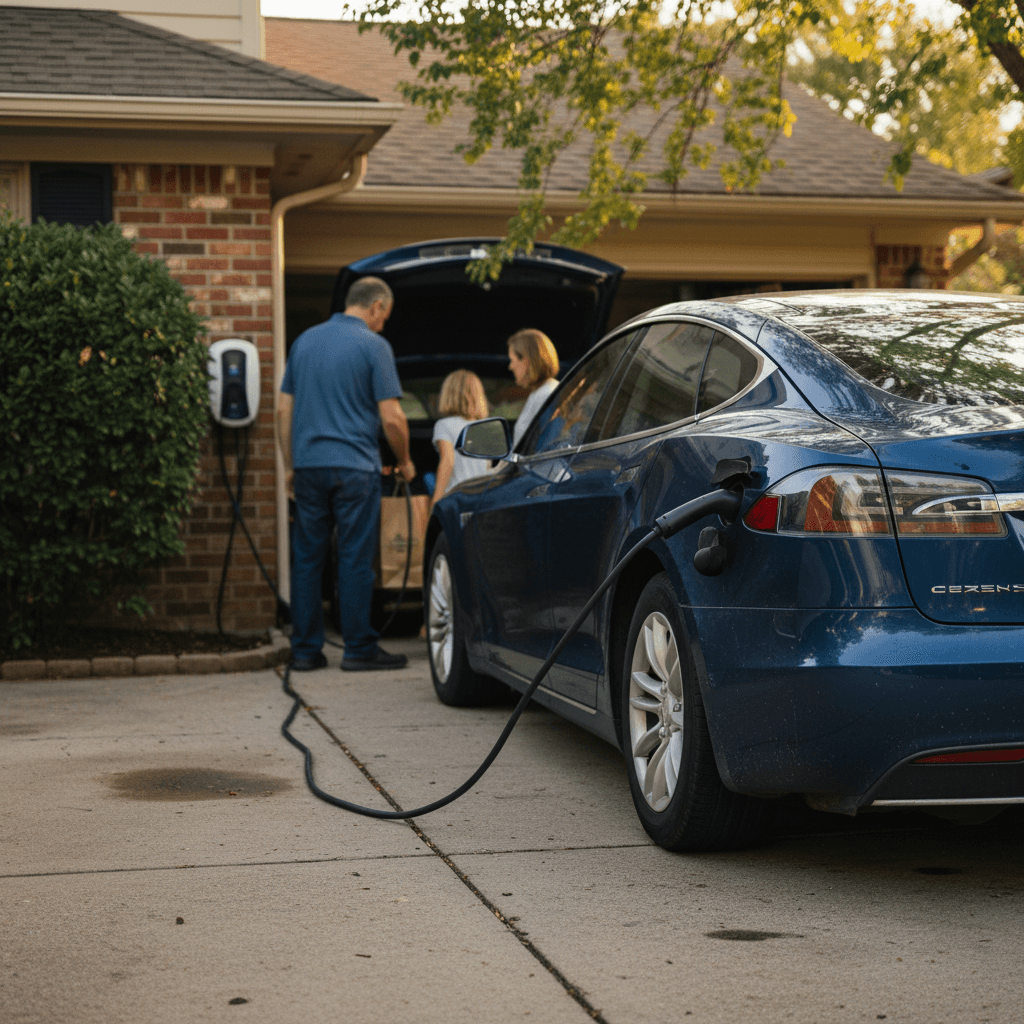
Public fast charging has improved dramatically, especially along major U.S. corridors, but coverage is still uneven and reliability varies by network. That’s why the best strategy is to treat DC fast charging as your backup system rather than your primary fuel source, especially if you’re considering an EV as your only car.
What Electric Powered Automobiles Really Cost to Own
Sticker prices for new electric powered automobiles can look intimidating, but the purchase price is only part of the story. When you factor in fuel, maintenance, and incentives, the total cost of ownership often favors EVs, especially if you buy used or hold onto cars for a long time.
Cost Drivers for Electric Powered Automobiles
Where EVs save you money, and where they don’t yet
Fuel costs
Electricity is usually far cheaper per mile than gasoline, especially if you can charge at home on off‑peak rates. In many parts of the U.S., running an EV costs the equivalent of paying $1–$1.50 per gallon for fuel.
Maintenance
No oil changes, no exhaust system, no timing belts, and dramatically fewer moving parts. You’ll still have tires, cabin filters, and brakes, but regen braking even extends brake life.
Incentives & depreciation
Federal and state incentives can reduce the upfront cost of new EVs, while used electric cars have already absorbed the steepest early depreciation, making them strong value plays today.
Where EVs can still be expensive
New vs Used Electric Powered Automobiles
You’ll face the same basic decision with electric powered automobiles that you do with any car: new or used. The difference in the EV world is that technology has moved so quickly that the used market can offer unusually strong value, if you know how to interpret battery health and charging capabilities.
Advantages of buying new
- Latest battery tech and range, often 250–320+ miles.
- Full factory warranty, including 8 years / 100,000+ miles on the high‑voltage battery for many brands.
- Access to newer charging standards and software features (NACS ports, improved driver‑assist, better infotainment).
- Potential eligibility for the latest federal and state incentives.
Advantages of buying used
- Someone else already paid the early‑adopter premium; you benefit from steep initial depreciation.
- Plenty of real‑world data on reliability and range over time.
- Growing inventory of off‑lease EVs with relatively low miles.
- In many cases, you can get an EV with 80–90% of the original range for the price of a well‑equipped gas compact.
Why battery reports matter for used EVs
Battery Health, Range, and Degradation
Batteries don’t “die” overnight, they lose capacity slowly over time. Most modern EVs are engineered so that after 8–10 years, they still retain a large majority of their original range. What matters is not obsessing over a few percent lost, but whether the remaining range fits your actual driving needs.
Practical Battery Health Checklist
1. Look at usable range, not just percentage
An EV that has lost 10% of its original capacity might still deliver 220 miles of realistic range, which is more than enough for most daily driving.
2. Review a real battery health report
Tools like the <strong>Recharged Score</strong> go beyond dash estimates to measure actual battery capacity and performance under load.
3. Consider your climate
Extreme heat and frequent DC fast charging can accelerate degradation. If you live in a very hot region, ask how and where the car was primarily charged.
4. Match range to your routine
If you drive 40–60 miles a day and can charge at home, a car with 180 miles of real‑world range can be perfectly adequate.
Don’t ignore pack damage
How to Choose the Right Electric Powered Automobile for You
Choosing an electric powered automobile isn’t about chasing the biggest battery or flashiest tech; it’s about aligning the car with your real‑world use. Start with your driving pattern, then layer in charging options, budget, and comfort features.
Match the EV to Your Life
Three common EV buyer profiles
Daily commuter
Profile: 30–60 miles per day, mostly city or suburban driving.
- Target range: 180–250 miles.
- Home Level 2 charger strongly recommended.
- Used compact EVs and sedans often deliver the best value here.
Road‑trip family
Profile: Regular highway travel, kids, luggage, maybe towing.
- Target range: 250–320+ miles.
- Pay attention to fast‑charging speed (kW) and charging network coverage.
- Crossovers and midsize SUVs dominate this segment.
Urban dweller
Profile: Short trips, apartments, limited home charging.
- Look for convenient access to workplace or public charging.
- Compact EVs with efficient heating/cooling help maximize limited range.
- Ownership math may still work if you can charge where you park overnight.
EV Shopping Checklist
1. Confirm charging plan
Where will you charge 80% of the time, home, work, nearby public chargers? Confirm this before falling in love with a specific model.
2. Set a realistic range target
Don’t pay for range you’ll never use, but do leave a buffer for weather, detours, and battery aging.
3. Compare total cost, not just sticker
Look at fuel, maintenance, insurance, and taxes over 3–5 years. A used EV with lower running costs may beat a cheaper gas car long‑term.
4. Review vehicle history
Accidents, high DC fast‑charging usage, and prior fleet use can all affect long‑term battery health and resale value.
5. Test drive in your conditions
Pay attention to seating position, visibility, ride comfort, and how the car feels in stop‑and‑go or highway traffic, not just 0–60 times.
How Recharged Simplifies Buying a Used EV
Traditional dealerships were built around gas cars: oil changes, timing belts, and complicated pricing games. Electric powered automobiles break that model, which is why used EV shopping can feel confusing through conventional channels. Recharged was built specifically to make EV ownership simple, transparent, and digital‑first.
What You Get With Recharged
A marketplace designed around electric powered automobiles
Recharged Score battery report
Every vehicle on Recharged includes a Recharged Score Report with verified battery health, charging performance, and range insights, so you’re not guessing about the most expensive component in the car.
Financing & fair pricing
Recharged benchmarks each car against the EV market so pricing is transparent and grounded in real data. You can also apply for financing and see terms online, without spending hours in a finance office.
Trade‑in & delivery
You can get an instant offer for your current vehicle, choose between trade‑in or consignment, and arrange nationwide delivery. If you’re near Richmond, VA, you can also visit the Recharged Experience Center for in‑person support.
Ready to find your next EV?
Browse VehiclesBuilt for EV buyers
FAQ: Electric Powered Automobiles
Frequently Asked Questions About Electric Powered Automobiles
The Bottom Line: Are Electric Powered Automobiles Worth It?
If you strip away the hype and the backlash, electric powered automobiles are simply maturing into the default choice for a growing share of drivers. They’re quieter, often cheaper to run, and mechanically simpler than gas cars, with performance that still surprises longtime enthusiasts. The real questions are about fit: your driving pattern, your charging options, and your budget.
For many U.S. drivers in 2025, especially those with access to home charging and predictable daily mileage, a well‑chosen EV, new or used, is already the rational choice. And if you want to explore the used side of the market with clear battery health data, transparent pricing, and EV‑savvy guidance, you can start browsing vehicles and Recharged Score Reports right on Recharged.