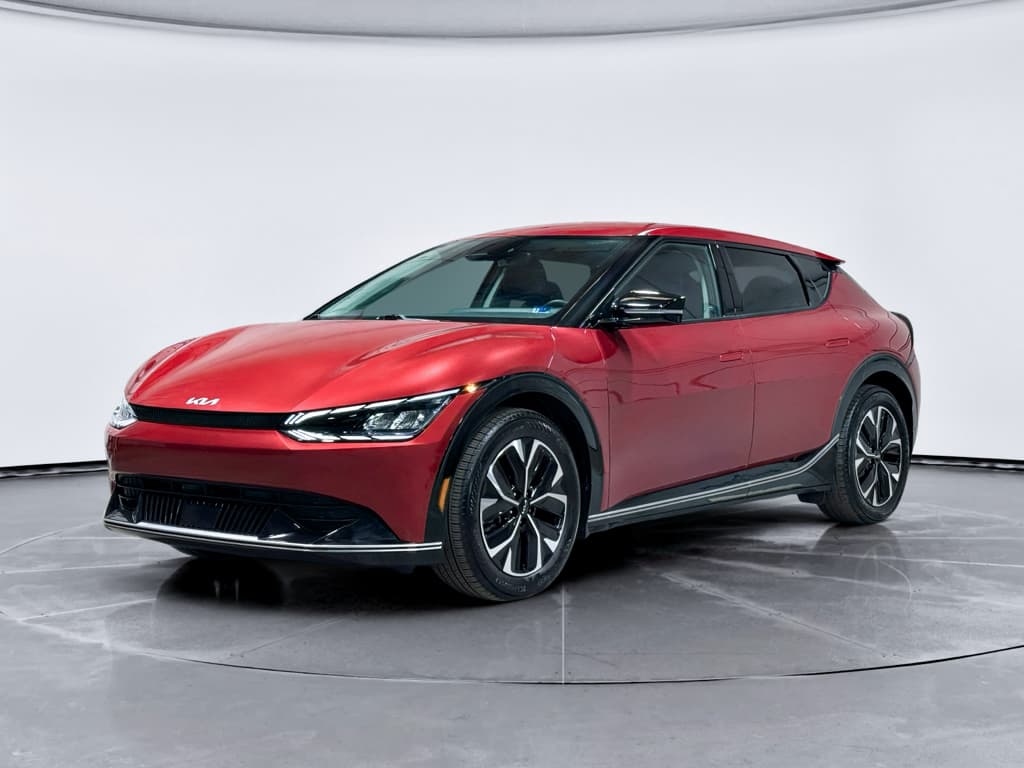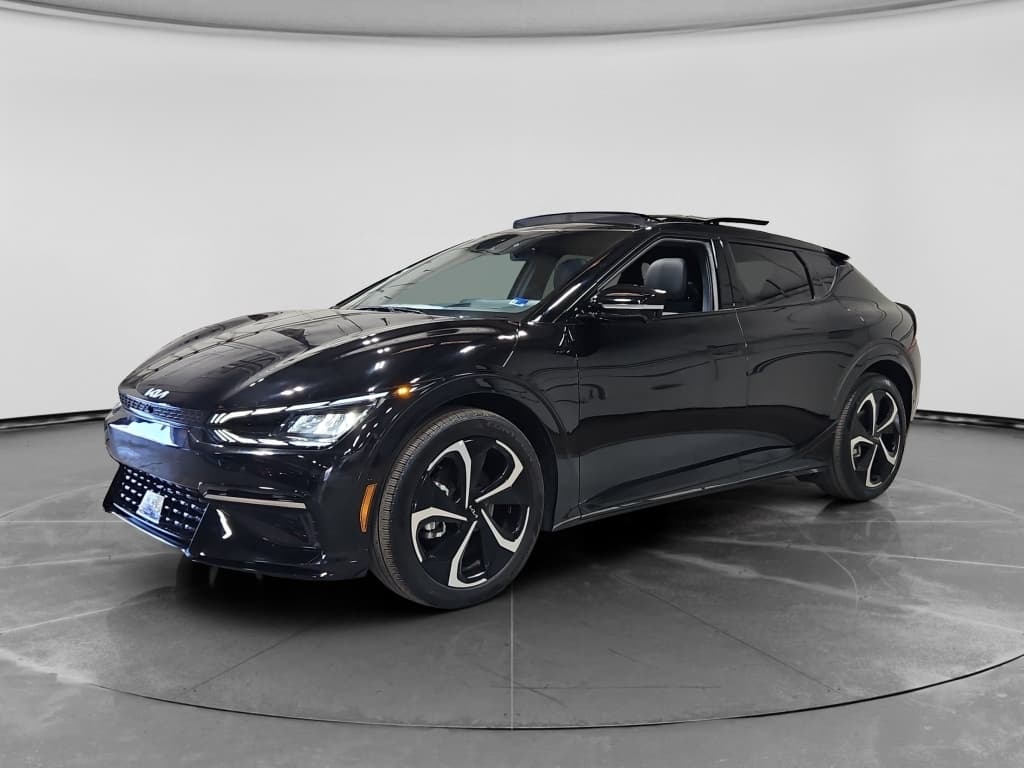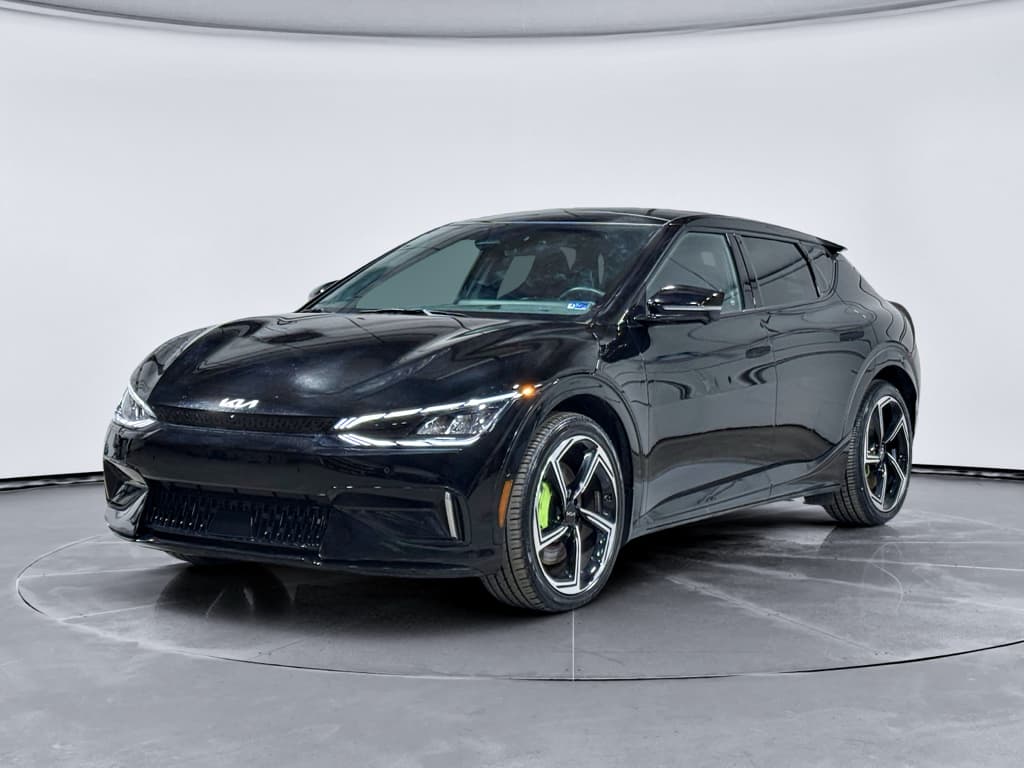
If you’re eyeing a 2024 Kia EV6, or a lightly used earlier model, you’ve probably heard about 12V battery issues, ICCU failures, and charging hiccups. The EV6 is one of the most compelling electric crossovers on the road, but like any new-platform EV, it has some problem areas you should understand before you sign on the line.
Quick context
Overview: Should you worry about 2024 Kia EV6 problems?
Let’s level with you: the EV6 is not a disaster story. Most owners rack up miles with minimal drama, especially on later-build 2023 and 2024 cars that already have recall work completed. That said, there are a few patterns that show up over and over again in owner forums and service bulletins:
- Intermittent 12V battery drain and "no start" episodes, even on relatively new cars
- Charging system warnings linked to the ICCU (the module that manages DC fast charging and 12V support)
- Glitches with public fast chargers, especially when the network, not the car, misbehaves
- Occasional software bugs in the infotainment, driver-assistance, and connected services apps
- Typical EV issues like fast tire wear from high torque and heavy curb weight
Kia EV6 ownership snapshot (realistic expectations)
The key is separating annoyances from deal‑breakers. A nuisance software reset? Irritating. An ICCU failure that strands you? That’s the kind of thing you want to know has already been addressed, especially if you’re buying used.
Quick take: Most common 2024 Kia EV6 problems
Most talked‑about 2024 Kia EV6 issues
What they feel like from the driver’s seat
12V battery drain & no‑start
What you notice: Car won’t "wake up," dash flickers, red 12V icon, doors may not unlock or go into Drive.
How serious: Annoying and sometimes stranding, but usually solved with a 12V jump or battery replacement plus software/recall updates.
ICCU / charging faults
What you notice: "Check charging system" messages, fast charging throttled or refused, orange warning lights that don’t clear.
How serious: Can disable DC fast charging and, in some cases, prevent driving until repaired under warranty.
Software & infotainment bugs
What you notice: Frozen screen, laggy cameras, Bluetooth dropouts, driver-assist features grayed out until restart.
How serious: Mostly quality‑of‑life issues; often improved with over‑the‑air or dealer software updates.
How 2024 compares to earlier years
12V battery drain and no-start issues
The EV6 uses a traditional 12V auxiliary battery, just like a gas car, to wake up the computers, run locks and lights, and enable the high‑voltage pack. If that 12V battery is weak or drained, the whole car can appear "dead," even when the main battery is mostly full.
- Dash lights that barely come on, or nothing at all when you press the Start button
- A small red 12V battery icon on the cluster, sometimes paired with "Check electrical system"
- Doors unlocking but the car refusing to go into Drive or Reverse
- The problem appearing after the car sits for a few days, or after a long session with a connected app polling the car frequently
Why the 12V issue matters
What tends to cause 12V trouble
- Short, infrequent trips that don’t give the car time to top off the 12V.
- Always staying connected through third‑party apps or smart chargers that wake the car up all night.
- Earlier ICCU software that didn’t manage 12V charging as gracefully as later updates.
- A marginal OEM 12V battery that never fully recovers after a deep discharge.
What owners and techs are doing
- Replacing the factory 12V with a higher‑quality AGM battery.
- Reducing how often smart chargers and apps ping the car, or disabling them entirely.
- Using the EV6’s Utility mode or Vehicle‑to‑Load adapter tricks to coax the car into recharging the 12V when it’s low.
- Making sure all 12V/ICCU‑related recalls and TSBs have been completed at a Kia dealer.
If your EV6 shows a 12V warning or won’t start
1. Don’t panic about the main battery
A dead 12V battery doesn’t mean your high‑voltage battery is ruined. In most cases, the large pack is fine; it just can’t be accessed until the 12V system is revived.
2. Try a proper 12V jump or charger
A standard 12V jump from another car or a portable booster pack usually brings the EV6 back to life long enough for it to charge the 12V itself.
3. Avoid repeated deep discharges
Letting the 12V battery die again and again quickly shortens its life. If this has happened a couple of times, talk to your dealer about replacement under warranty or pay for a high‑quality AGM unit.
4. Tame your apps and smart charger
If you use third‑party apps, home automation, or a dynamic‑pricing charger, reduce polling frequency and avoid pinging the car every few minutes overnight.
5. Verify recalls and campaigns
Ask the service department to check your VIN for <strong>all completed and open campaigns</strong> related to the 12V, ICCU, and charging system. This is especially important on 2022–2023 builds.
ICCU and charging system faults
The EV6 uses an Integrated Charging Control Unit (ICCU) to handle onboard AC charging, DC fast charging, and the conversion that keeps the 12V system topped up. When that module misbehaves, you can see everything from charging slowdown to scary "Do not drive" messages.
- "Check charging system" or "Check EV system" messages that won’t clear
- The car refusing to start a DC fast‑charge session, or abruptly stopping at low state of charge
- Charging speed suddenly dropping far below what the station and car should support
- Persistent orange warning lights near the windshield during or after charging
When an ICCU problem is serious
ICCU-related problems: what they look like in real life
Patterns EV6 owners report, and what usually fixes them
| What you see | Likely cause | Typical outcome |
|---|---|---|
| Slow or no DC fast charging on multiple networks | ICCU fault or outdated software | ICCU replacement or software update under warranty |
| 12V battery repeatedly dying after charges | ICCU firmware not managing 12V properly | Software update plus, sometimes, a new 12V battery |
| "Check charging system" but car drives normally | Transient communication fault, bad session, or early software bug | Clears after restart or update; dealer should scan for codes |
| Car won’t go into Drive after charge, multiple errors | More serious ICCU or HV system fault | Tow to dealer; often a hardware replacement covered by warranty |
Always have a Kia dealer confirm the root cause; multiple issues can produce similar warnings.
Good news for 2024 buyers
DC fast-charging quirks and public network frustrations
Some “EV6 charging problems” are really charger problems. The EV6 supports very fast DC charging on paper, but in the real world you’ll run into flaky hardware, crowded sites, and networks that simply don’t like a particular car on a particular day.
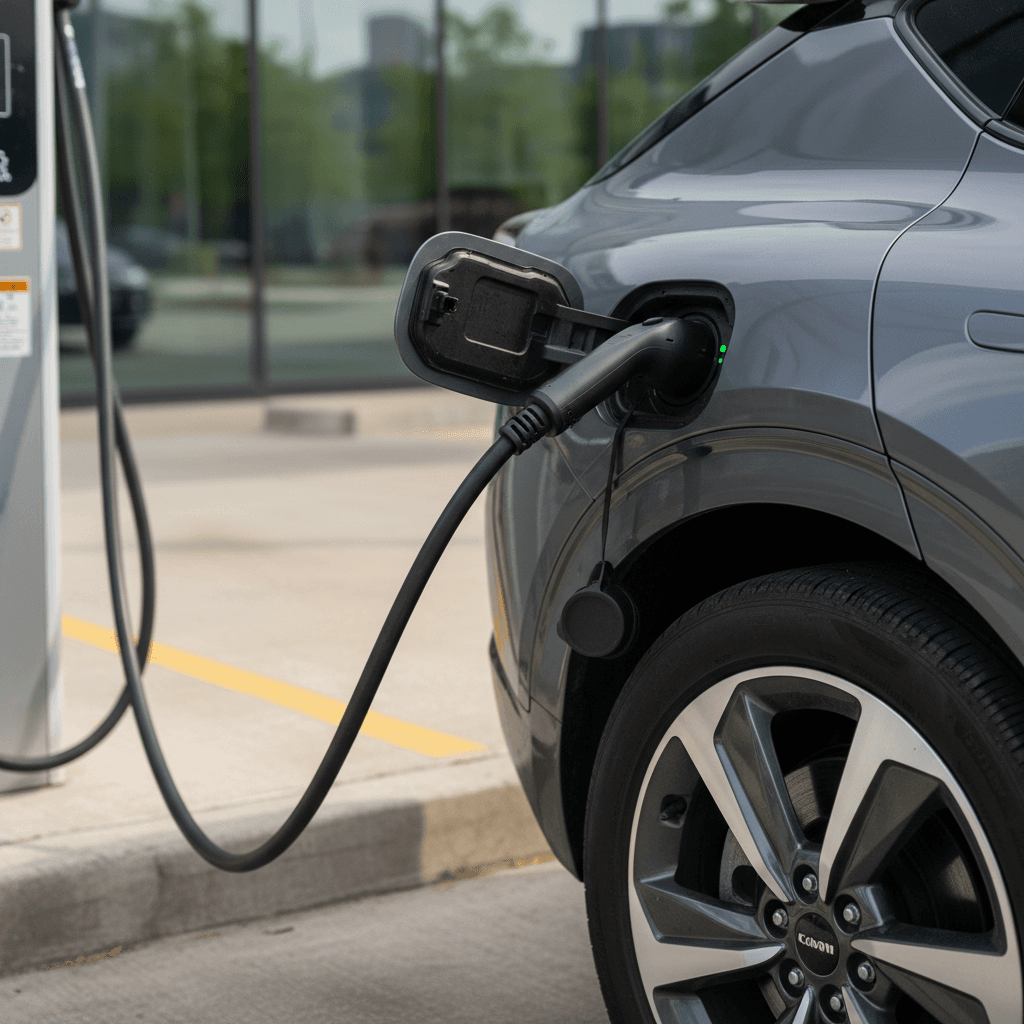
- Charging sessions that fail to start until the second or third plug‑in attempt
- Stations that ramp up quickly, then drop to low power and stay there
- Apps showing a session is active while the car isn’t actually charging
- Pay‑per‑minute pricing that makes slow sessions feel even more painful
Practical DC fast‑charging tips for EV6 drivers
Software and infotainment glitches
Like most modern EVs, the EV6 is held together by software. That’s good for getting new features over the air, but it also means early owners saw more than their share of infotainment and driver‑assist hiccups.
Typical software problems EV6 owners mention
Not usually dangerous, but annoying until fixed
Infotainment freezes & lag
- Center screen goes black or locks up.
- Backup camera takes several seconds to appear.
- Apple CarPlay/Android Auto randomly disconnects.
Often resolved by a system reboot or a later software update.
Driver-assist oddities
- Lane‑keep assist or Highway Driving Assist dropping out.
- Steering or speed corrections that feel too abrupt.
- Warning chimes that seem oversensitive until settings are adjusted.
Usually tuned via settings, alignment checks, or updated calibration software.
Stay current on software
Ride, tires and brakes: what owners report
Beyond electronics, the EV6 behaves like a quick, heavy performance hatchback. That has predictable impacts on tires, brakes, and ride quality that some owners log as "problems" and others accept as the cost of fun.
Tire wear
EV torque plus curb weight means OEM tires, especially on GT‑Line and GT trims with wider rubber, can wear faster than many gas crossovers.
- Front tires can show edge wear early if alignment isn’t perfect.
- Soft, grippy compounds trade longevity for handling.
- Rotations are critical; skipping them gets expensive.
Brakes & ride quality
The EV6 uses strong regenerative braking, so physical pads and rotors often last a long time, but they can rust or squeal if you rarely brake hard.
- Occasional firm stops help clean rotor surfaces.
- Some owners find the ride on 19–21 inch wheels firmer than expected.
- Check for clunks or rattles over bumps that could indicate worn bushings or loose trim, especially on high‑mileage cars.
Used‑car inspection tip
High-voltage battery health and degradation
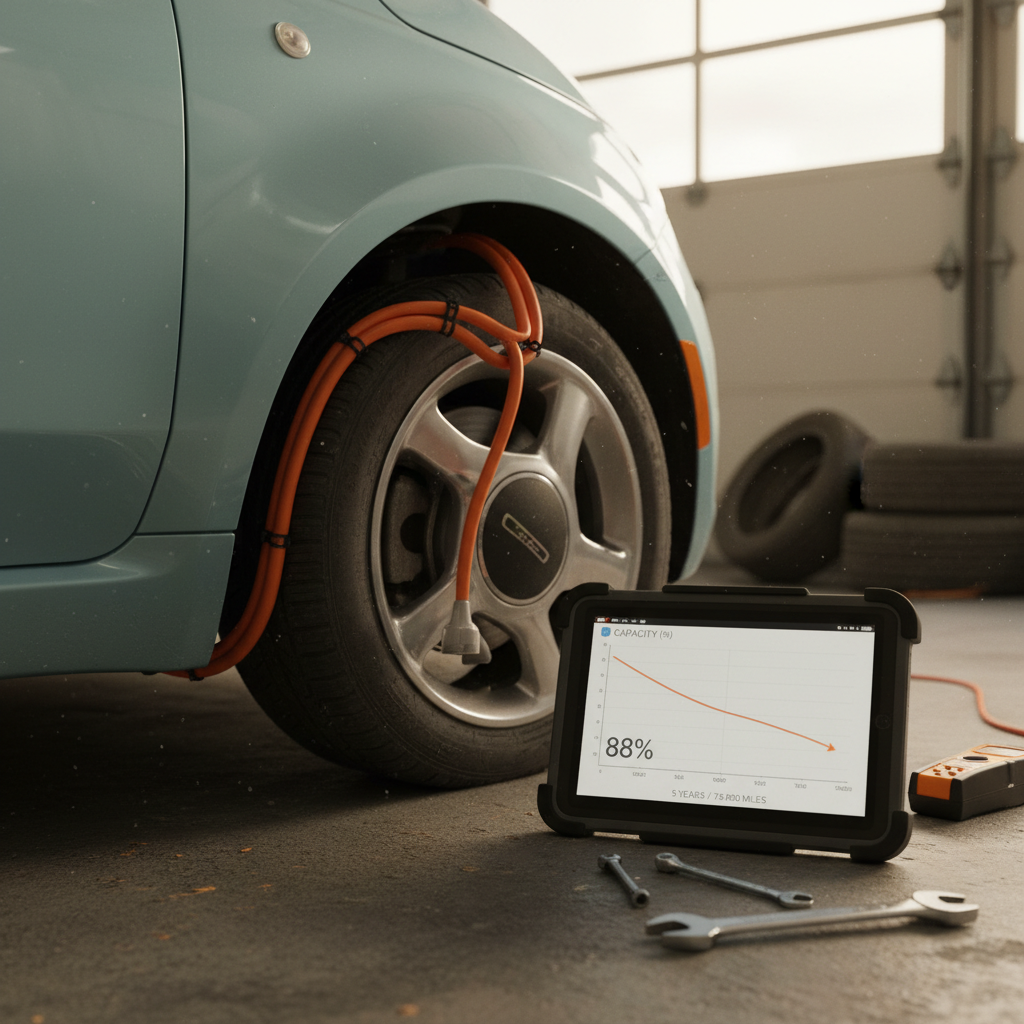
So far, real‑world data suggests the EV6’s high‑voltage battery packs are holding up well. Most owner complaints are about range loss in cold weather or from aggressive driving, not sudden catastrophic battery failures.
- Moderate, gradual capacity loss over several years, especially on cars fast‑charged heavily
- Noticeable range drops in winter, which recover in warmer weather
- Isolated cases of cells or modules needing attention, usually handled under warranty
Cold weather vs. actual degradation
How to quickly sanity‑check EV6 battery health
1. Compare displayed range to original EPA rating
With the battery at 100%, compare the indicated range to what the car was rated for when new. A moderate gap is normal; a huge gap may justify a deeper look.
2. Ask how the car was charged
Mostly home Level 2 with occasional DC fast charging is ideal. A steady diet of back‑to‑back fast charges on road trips won’t instantly kill the pack, but it isn’t as gentle.
3. Look for warning messages or power limits
Any history of "Limited power" warnings, severe rapid range loss, or repeated HV battery alerts should be carefully documented and explained.
4. Get independent battery diagnostics
If you’re buying used, a third‑party battery report, like the <strong>Recharged Score</strong> we provide, can quantify remaining capacity instead of leaving you guessing.
Recalls, warranty, and what Kia actually covers
For a car as complex as the EV6, recall history and warranty coverage matter as much as mileage. Kia has issued multiple campaigns around ICCU behavior, 12V charging logic, and software updates, and U.S. buyers benefit from generous high‑voltage battery coverage.
Key warranty protections for a U.S.‑market EV6 (typical Kia coverage)
Always confirm specifics for your model year and region.
| Component | Typical coverage | Notes |
|---|---|---|
| High‑voltage battery pack | Up to 10 years / 100,000 miles (U.S.) | Protects against manufacturing defects; capacity guarantees vary. |
| Powertrain (electric motors, reduction gear) | Often 10 years / 100,000 miles for original owner | Subsequent owners may have shorter coverage windows. |
| Bumper‑to‑bumper | Around 5 years / 60,000 miles | Covers most non‑wear items, including many electronics. |
| 12V battery | Shorter term, often 2–3 years | Beyond that, it’s usually considered a wear item unless tied to another defect. |
Coverage can vary by year and whether you’re the original owner, so read your warranty booklet closely.
Don’t assume all recalls are done
Shopping used: how to avoid a problem-child EV6
A well‑cared‑for EV6 is a fantastic daily driver. A neglected one with unresolved charging or 12V issues can feel cursed. Here’s how to stack the odds in your favor, especially if you’re hunting for a deal on a 2022–2024 example.
Used 2024 Kia EV6 (and earlier) buying checklist
1. Start with build date and service history
Earlier‑build 2022 models had more teething problems. For any year, ask for full service records, with special attention to charging‑system and 12V work.
2. Confirm software and campaigns are current
At the test drive, have the seller or dealer pull a <strong>VIN campaign report</strong>. You want all ICCU, charging, and software campaigns closed out.
3. Stress‑test charging
If possible, perform both a home‑style Level 2 session and a short DC fast‑charge session. You’re checking for warnings, weird noises, or unusually slow speeds at similar state of charge.
4. Watch for warning lights and messages
On startup, everything should light up briefly, then go out. Persistent amber or red EV, battery, or charging icons call for diagnostics before you buy.
5. Get an independent EV‑specialist inspection
A generic used‑car check is no longer enough. At Recharged, every EV6 we list gets a <strong>Recharged Score Report</strong> with verified battery health and a full scan of EV‑specific systems so you’re not buying a mystery.
Why EV6 shoppers like you use Recharged
If you love the idea of an EV6 but hate the idea of gambling on someone else’s experiment, buying through Recharged can take the edge off:
- Every car gets a Recharged Score battery health report.
- We verify recall and campaign status before listing.
- EV‑specialist advisors help you compare trims and years.
- Financing, trade‑in and nationwide delivery keep the process simple.
If you’re selling an EV6
Already own an EV6 and thinking about moving on? We can help you sell or trade it with less drama than a private sale:
- Instant offer or consignment depending on your goals.
- Transparent pricing backed by real market data.
- We handle the EV‑specific questions that stump many traditional dealers.
That way, the next owner starts with clear expectations, and you leave with cash or your next EV.
FAQ: 2024 Kia EV6 problems & ownership
Common questions about 2024 Kia EV6 problems
Bottom line: Is the 2024 Kia EV6 a safe bet?
If you like the way the 2024 Kia EV6 looks and drives, you don’t have to walk away just because you’ve heard stories about 12V or ICCU issues. The reality is more nuanced: early cars had growing pains, many of which Kia has addressed with hardware and software changes. A 2024 EV6, or an earlier example with its recall work, software, and 12V system fully sorted, can be an excellent everyday EV.
Your job as a shopper is to separate the well‑cared‑for cars from the science projects. Look for complete records, clean diagnostics, and proven charging behavior, and lean on EV‑specific expertise when you can. If you want someone else to do the hard part, every EV6 sold through Recharged includes a Recharged Score battery‑health report, fair‑market pricing, and support from EV specialists who live and breathe this stuff, so you can enjoy the car instead of worrying about what might go wrong next.