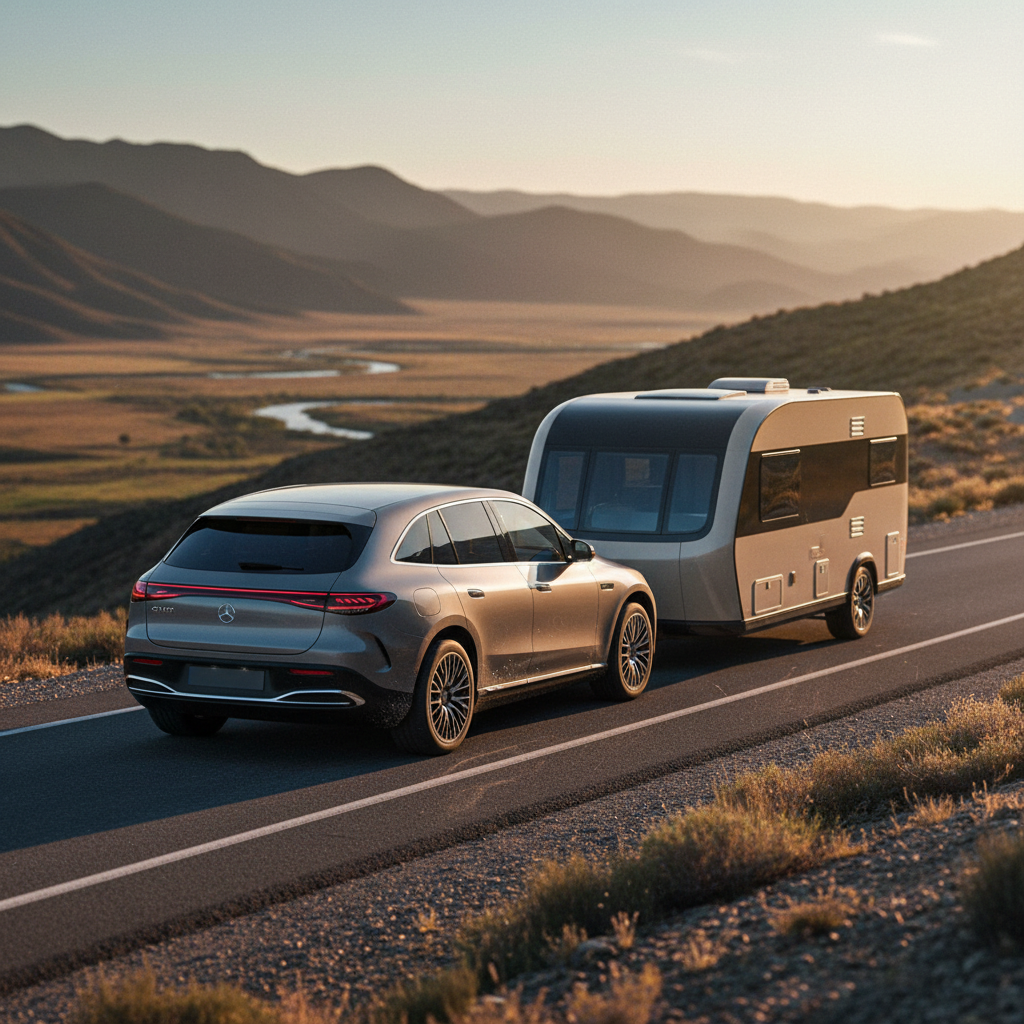
You’re staring at two very similar Teslas: the **Model 3 Standard Range (or Rear‑Wheel Drive)** and the **Model 3 Performance**. On paper they’re the same sensible four‑door EV. In reality, they’re radically different cars, one is a brilliantly efficient commuter; the other is an electric sports sedan that just happens to have a back seat. If you’re shopping new or used, especially on a marketplace like Recharged, choosing between them is one of the biggest decisions you’ll make.
Trim names have changed
Model 3 Standard Range vs Performance: Quick Take
Model 3 Standard / RWD
- Best for: Commuters, first‑time EV buyers, value seekers.
- 0–60 mph: ~5.8–6.1 seconds in recent years.
- Range: Roughly 250–280 miles when new, depending on wheels and year.
- Drive: Single‑motor rear‑wheel drive, lighter and more efficient.
- Vibe: Calm, clean, quiet, like a very quick appliance.
Model 3 Performance
- Best for: Enthusiasts, track‑day dabblers, anyone who thinks in lap times.
- 0–60 mph: Around 3.1 seconds in older cars, as low as 2.9 seconds in the latest models.
- Range: Typically 300–330 miles when new, but slightly less than Long Range trims.
- Drive: Dual motors, all‑wheel drive, high‑grip tires, big brakes, adaptive suspension in newer cars.
- Vibe: Everyday car with a supercar launch button.
30‑second verdict
Core Specs: Power, 0–60, Range and Charging
Tesla Model 3 Standard Range vs Performance: Key Numbers (Recent Model Years)
Approximate specs for U.S.‑market cars from roughly 2021 onward. Exact figures vary slightly by year, wheels and software, but this captures the real‑world gap between trims.
| Spec | Model 3 Standard / RWD | Model 3 Performance |
|---|---|---|
| Drivetrain | Single‑motor RWD | Dual‑motor AWD |
| Power (approx.) | ~270 hp | ~500+ hp |
| 0–60 mph | ~5.8–6.1 sec | ~3.1 sec (as quick as 2.9 sec in newer cars) |
| EPA Range (new) | ~250–280 mi | ~300–330 mi |
| Top Speed | ~125 mph | Up to ~162–163 mph |
| Max DC Fast Charge | Up to ~170 kW | Up to ~250 kW (battery‑dependent) |
| Wheels/Tires | Smaller, efficiency‑oriented | 19–20" performance wheels, stickier tires |
| Brakes | Standard | Larger rotors & calipers |
Always confirm the exact specs for the VIN you’re considering, especially on used cars.
Performance tires cut into range
How Big Is the Speed Gap, Really?
In practice, the difference in **straight‑line pace** is not subtle. The Standard/RWD Model 3 is "quick enough" in the way a modern turbo sedan is quick enough: safe merges, easy passing, plenty of urge. The Performance, on the other hand, is the kind of car that compresses your internal organs under full throttle. From a stoplight, it feels less like a sedan and more like a high‑end roller coaster that someone put turn signals on.
How They Actually Drive on Real Roads
Driving Character: Calm Commuter vs Electric Hot Rod
Same platform, very different personalities.
Standard / RWD: Light and Easy
- Ride quality: Softer, more forgiving over potholes and expansion joints.
- Steering feel: Clean and precise, with less tramlining because of smaller wheels.
- Traction: RWD makes it feel playful and balanced at sane speeds.
- Noise: Less tire roar than Performance on rough pavement.
Performance: Relentless Grip and Thrust
- Acceleration: The shove never really stops; highway passing is instant.
- Cornering: Stiffer suspension, bigger brakes and grippier tires keep it flat and composed.
- Track mode: In newer cars, dedicated settings for cooling, stability and torque bias.
- Trade‑off: Harsher ride, more road noise, more sensitive to wheel damage.
Winter driving note
If you spend your life in stop‑and‑go traffic, the Performance’s extra capability can be like wearing track spikes to the grocery store. You’ll know it’s there, but you’ll rarely exploit it. If you live near good back roads or you’re the type who studies on‑ramp radii, the Performance turns everyday errands into a low‑drama, high‑speed amusement park.
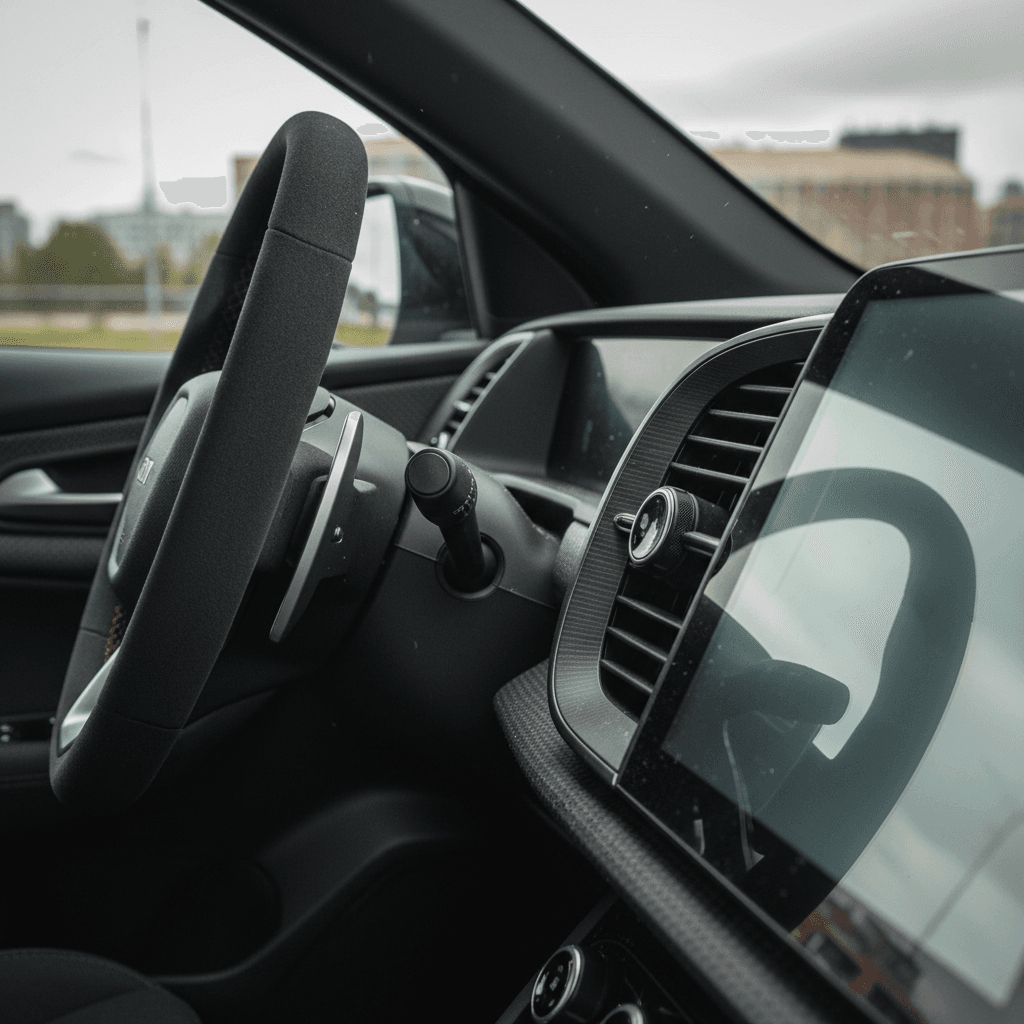
Interior, Seats and Everyday Comfort
Inside, the Model 3 story is minimalist across all trims: a big center screen, nearly no buttons, and a quietly upscale Scandinavian vibe. But there are meaningful differences between Standard and Performance cars, especially in later model years.
Standard vs Performance: Interior Details That Matter
What you feel after 90 minutes behind the wheel, not 9 seconds on a spec sheet.
Seats
Standard / RWD: Softer cushion, more relaxed bolstering, easier for varied body types and daily commuting.
Performance: In newer cars, sport buckets with taller bolsters; they hold you in place, but broad‑shouldered drivers may feel pinched.
Audio & Tech
Recent Standard/RWD trims in the U.S. may use a simpler speaker layout than Long Range/Performance. Performance models more often get the full premium audio and extra cabin goodies, especially on newer "Highland" refresh cars.
Ride & Noise
Standard: Noticeably calmer over broken pavement; smaller wheels mean more sidewall and more compliance.
Performance: Stiffer suspension and low‑profile tires mean sharper impacts and more road roar at highway speeds.
Test‑sit the Performance seats
Costs: Purchase Price, Insurance and Depreciation
Tesla used to make the price decision simple: the Performance carried a huge premium when new. That gap still exists, but on the used market it’s often much smaller, sometimes just a few thousand dollars between a similarly aged Standard/RWD and a Performance car. That’s when temptation starts whispering in your ear.
Cost Profile: Standard vs Performance (Used‑Market Tendencies)
These are broad patterns we see in the U.S. used‑EV market; exact numbers will vary by year, mileage, options and condition.
| Cost Factor | Model 3 Standard / RWD | Model 3 Performance |
|---|---|---|
| Purchase Price | Lowest entry point; often the cheapest way into a Tesla sedan. | Higher asking price, but depreciation sometimes narrows the gap on 2–5‑year‑old cars. |
| Insurance | Generally lower, less power, cheaper wheels, lower replacement cost. | Often significantly higher due to power, wheel/tire costs and performance risk profile. |
| Tires | Smaller, longer‑lasting, cheaper to replace. | Large, soft, expensive performance tires with shorter life. |
| Brakes | Standard‑size hardware; less stressed in daily use. | Bigger rotors and calipers; track days or aggressive driving can add wear costs. |
| Energy Use | More efficient; easier to hit EPA range. | Slightly less efficient, especially on 20" wheels and at highway speeds. |
Use this as a directional guide, then confirm actual offers for your ZIP and credit profile.
Where Recharged can tilt the math
Battery Health, Range Fade and Used‑Market Reality
Underneath the badges, every Model 3 lives and dies by its battery pack. Standard/RWD cars typically use smaller packs than Performance cars, and some years used LFP chemistry that’s happier living at 100% state of charge. Performance cars usually carry a bigger, more powerful NMC‑type pack to handle repeated hard acceleration.
- In real‑world use, many Standard/RWD Model 3s will deliver roughly 180–220 miles per charge after a few years, depending on climate and driving style.
- Performance packs often retain strong range as well, but repeated hard driving and fast‑charging can warm them up more frequently, which may influence long‑term health.
- Both trims are among the most efficient EVs you can buy, so even with some range fade they remain very usable daily drivers.
Don’t buy blind on battery health
In a used EV, horsepower is the fun you have once in a while. Battery health is the reality you live with every day.
Which Tesla Model 3 Is Right for You?
Choose Your Path: Standard Range vs Performance
Daily Commuter or Family Car
Most of your driving is school runs, errands and freeway commuting.
You care more about charging less often than about winning drag races.
You’d like lower insurance costs and cheaper tires.
Verdict: <strong>Model 3 Standard / RWD</strong> makes the most sense, smooth, efficient, and still genuinely quick.
Driving Enthusiast or Track‑Day Curious
You care, perhaps too much, about on‑ramp speeds and back‑road pace.
You’ve owned or lusted after sport sedans, hot hatches or bikes.
You’ll actually use Track Mode at least once, not just brag about it.
Verdict: <strong>Model 3 Performance</strong> justifies its extra cost. On a good road, it feels every bit the EV sports sedan.
Cold‑Climate Driver
You routinely see snow and ice in winter.
You’re willing to buy proper winter tires.
You value confident traction leaving icy intersections more than ultimate range.
Verdict: A <strong>Performance</strong> with winter tires is compelling, but a Standard/RWD Model 3 on good snow tires can also be excellent. Pick based on budget and how sporty you want the car to feel.
Budget‑Focused First EV
You’re moving from a gas car and want the lowest‑stress EV entry point.
You’d rather keep payment and insurance down than chase maximum power.
Long‑term reliability and battery health matter more than top speed.
Verdict: A clean, well‑documented <strong>Standard/RWD</strong> on Recharged is often the smartest first‑EV choice.
Used Model 3 Checklist: Standard and Performance
7 Things to Check Before You Buy
1. Confirm the exact trim and options
Dig into the car’s details: is it truly a **Performance** (dual motors, big brakes, performance wheels, Track Mode) or a Long Range with wheels? On Recharged, trim and options are clearly decoded for you.
2. Review battery health and charging history
Ask for a recent battery health report and pay attention to how often the car fast‑charged. The <strong>Recharged Score</strong> integrates this kind of data, so you’re not guessing from a dash screenshot.
3. Inspect wheels, tires and brakes
On Performance cars, check for curb rash, uneven tire wear and lip damage on those big rims. Replacement 20" rubber is not cheap. On any Model 3, verify remaining pad life and rotor condition.
4. Look for suspension or alignment issues
Performance cars live harder lives. Listen for clunks over bumps, check for uneven tire wear and ask about any prior suspension work or accident repairs.
5. Test the ride on your worst roads
Bring the car over broken pavement and highway expansion joints. If the Performance’s firmness annoys you on the test drive, it will only get worse after six months.
6. Verify software and driver‑assistance features
Autopilot, Enhanced Autopilot and Full Self‑Driving have changed over the years. Confirm what the car actually has, not just what the seller assumes it has.
7. Run the total‑cost math, not just the payment
Factor in insurance quotes, tire and brake costs and how many miles you actually drive. A Standard/RWD Model 3 with lower running costs can be cheaper to own even if the purchase price is similar.
Let the numbers pick the car
FAQ: Tesla Model 3 Standard vs Performance
Frequently Asked Questions
The Tesla Model 3 is one of the rare cars that can be two things at once: an efficient, quietly brilliant commuter and an electric sports sedan with numbers that embarrass gasoline icons. The **Standard/RWD Model 3** is the rational choice, cheaper to buy, easier to live with, still satisfyingly quick. The **Model 3 Performance** is the emotional choice, more speed, more grip, more theater every time you floor it. When you shop through Recharged, you don’t have to guess which one fits your life: detailed **Recharged Score Reports**, transparent battery health, fair pricing and expert EV support make it easy to choose the right Model 3 for the way you actually drive.