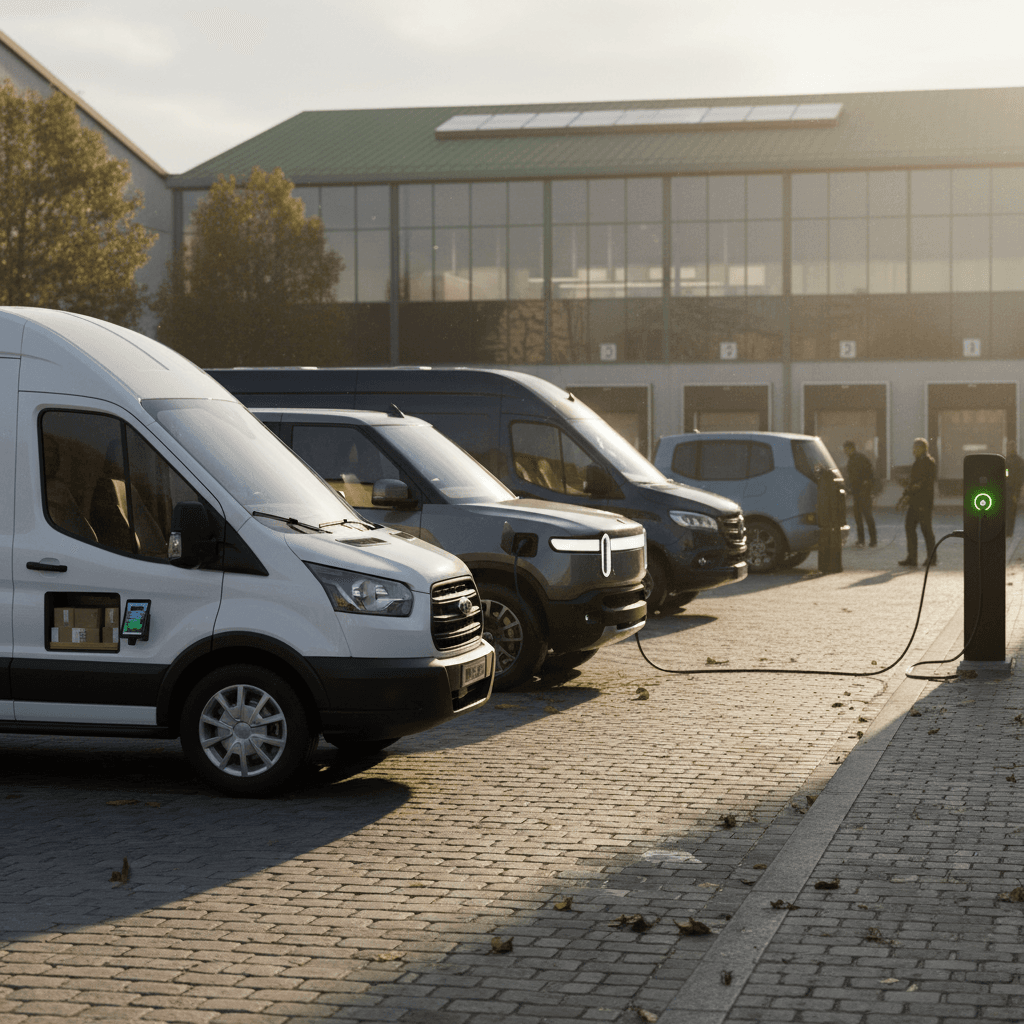
If you’re planning delivery operations in 2026, your next van decision is almost certainly an EV decision. From Ford’s updated E‑Transit to Rivian’s fleet‑proven EDV and new step‑van players, the list of electric delivery van options in 2026 is finally broad enough that you can match a platform to your actual routes instead of compromising on whatever early adopter hardware was available.
The state of the market in 2026
Why 2026 is a pivotal year for electric delivery vans
Electric delivery vans are moving from pilot to mainstream
By 2026, EV vans aren’t experimental anymore. Amazon has deployed well over 20,000 Rivian electric delivery vans across the U.S., and Europe’s zero‑emission zones are accelerating the shift from diesel to battery power in light commercial vehicles. At the same time, legacy OEMs like Ford and Mercedes are rolling out second‑generation products while new players like Flexis and Workhorse target purpose‑built last‑mile and step‑van niches.
Think in duty cycles, not marketing labels
Quick overview: Best 2026 electric van by use case
Which 2026 electric delivery van fits your job?
High‑level matches, details in later sections
Urban parcel & DSP routes
Best fit: Rivian EDV, Ford E‑Transit, Mercedes‑Benz eSprinter
- 80–150 miles/day, dense stop patterns
- Benefit most from regenerative braking and simple overnight depot charging
Large step‑van routes
Best fit: Workhorse W56 and similar electric step vans
- FedEx/UPS‑style walk‑in bodies
- 100–150 miles/day with heavy payloads
Tight urban & micro‑fulfillment
Best fit: Compact vans and upcoming city EVs (ID. Buzz Cargo–class, FlexEVan‑type platforms)
- Short routes, constrained streets and loading zones
- Prioritize maneuverability over sheer volume
Core electric delivery van platforms available in 2026
Most fleets looking at electric delivery van options in 2026 will start with a familiar format: a cargo van on a unibody chassis. These platforms are closest to the gas vans you already run, which makes driver training, upfitting and depot operations simpler.
Key electric cargo vans for 2026 (U.S.‑focused)
Approximate specs and positioning for mainstream electric delivery vans. Always confirm final specs and incentives with the manufacturer or dealer.
| Model | Size class | Est. usable range | Notable strengths | Best suited for |
|---|---|---|---|---|
| Ford E‑Transit (2025–2026) | Full‑size cargo van | ~148–159 mi for common configs | Large dealer network, familiar Transit ergonomics, multiple roof/heights | Regional parcel, service trades, mixed urban/suburban |
| Mercedes‑Benz eSprinter (2nd‑gen) | Full‑size cargo van | Up to ~250 mi WLTP on largest battery (lower in U.S. EPA terms) | Highly efficient drivetrain, strong upfitting ecosystem | Longer regional routes, highway‑heavy duty cycles |
| Rivian EDV | Tall walk‑in style cargo van | Roughly 120–150+ mi typical routes (varies by configuration) | Designed around parcel work, integrated telematics, great driver ergonomics | High‑stop urban/suburban parcel routes |
| Chevrolet BrightDrop (Zevo line) | Full‑size walk‑in van | Similar 150–250 mi band depending on pack and route | GM support, purpose‑built last‑mile design, high payload | Enterprise and national fleets, dense routes |
| Emerging 2026 Ford electric van (Ohio) | Full‑size (new segment) | TBD; likely 150+ mi targeted | Second‑wave Ford Pro product focused on work fleets | Fleets wanting next‑gen Ford platform rather than updated E‑Transit |
Ranges are manufacturer estimates under ideal conditions; real‑world figures on delivery routes are often lower.
Spec sheets are optimistic
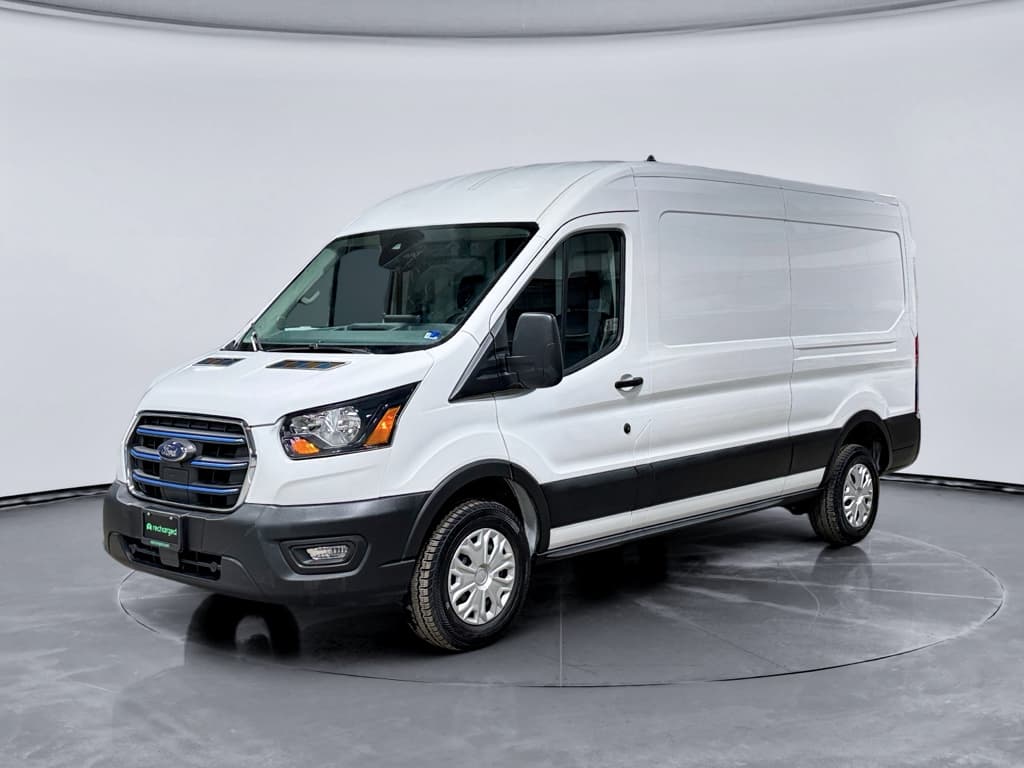
For most North American operators, Ford’s E‑Transit and Mercedes‑Benz’s eSprinter are the most straightforward replacements for legacy gas vans. They slot into existing bays, work with familiar shelving systems, and can often be charged overnight on Level 2 at the depot without major power upgrades, especially if you stagger charging windows.
Step vans and walk‑in trucks for parcel and route delivery
If your mental image of a delivery vehicle is a boxy walk‑in van covered in logos, you’re looking at the step‑van segment. In 2026, this is where a lot of the most interesting EV work is happening, because the operating profile, high stop counts, predictable routes out and back to the same depot, is almost ideal for electrification.
Representative electric step‑van options in 2026
Purpose‑built walk‑in vans targeting parcel and route delivery.
| Model | Class / GVWR | Est. range option | Notes for operators | Ideal use case |
|---|---|---|---|---|
| Rivian EDV (larger configs) | Class 2b–3 | ~120–150 mi per day in Amazon deployment | Widely deployed with Amazon, now opened to more fleets; strong software stack | High‑density parcel and ecommerce delivery |
| Workhorse W56 | Class 5 step van | ~100 mi with 140 kWh pack (new 2026 variant) | Walk‑in step van targeting FedEx‑style routes; incentives can narrow price gap with diesel | Heavier routes with predictable daily mileage |
| BrightDrop Zevo (former GM unit) | Class 2b–3 walk‑in | Up to ~250 mi depending on pack and route | Large cargo volume, telematics, designed around parcel workflows | National and regional parcel contracts |
| Blue Bird medium‑duty step van (with Morgan Olson/Xos) | Medium‑duty walk‑in | Nominal 100–150 mi band | Built on commercial EV chassis with walk‑in bodies, targeted at last‑mile fleets | FedEx/UPS‑style P&D and fixed‑route delivery |
Exact specs and availability vary widely; talk to OEMs and upfitters early if you need specific body configurations.
Mind your weight and licensing
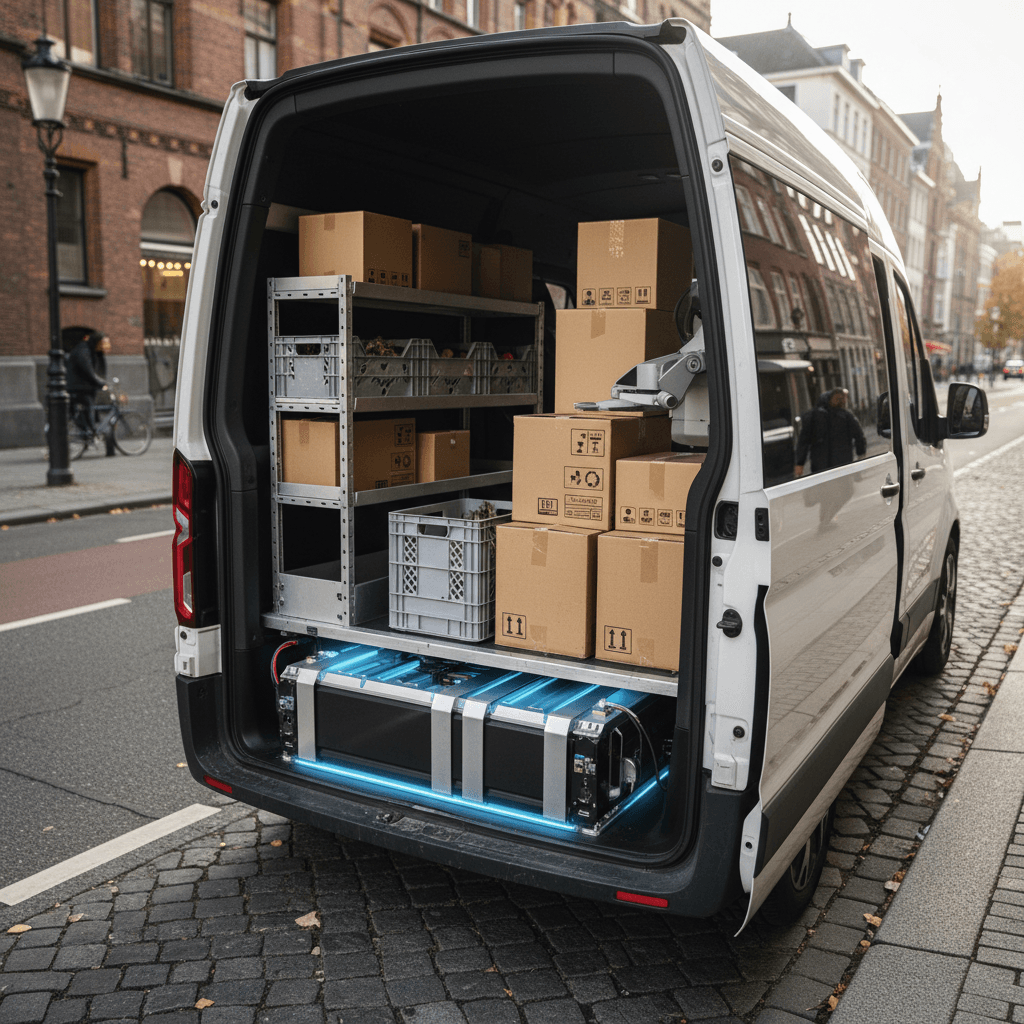
Compact and city electric vans for urban last‑mile
Not every delivery job needs a full‑size van. If you’re doing dense urban last‑mile work, refrigerated grocery delivery, or micro‑fulfillment out of small depots, maneuverability and curb‑side access can matter more than maximum cube.
Compact EV vans and MPV‑based cargo variants
In Europe and parts of Asia, we’re seeing a surge in compact electric cargo vans and MPV‑derived delivery vehicles. Think ID. Buzz Cargo, small VinFast EC Van‑type products, and emerging FlexEVan‑class city vans. In the U.S., this space is thinner but growing through imports and regional offerings.
These vehicles typically offer 100–180 miles of real‑world city range with payloads around 1,500–2,500 lb, making them ideal for groceries, pharmacy deliveries, and service calls inside congestion‑priced zones.
Upcoming 2026+ city delivery platforms
Several new platforms scheduled around 2026–2027 are explicitly designed for zero‑emission zones and tight city streets. Joint‑venture products like the Renault/Volvo Flexis family and various Asian city vans are built around modular cargo boxes, swappable interiors, and strong connected‑services stacks.
If you operate primarily in dense U.S. downtowns or campus‑style environments, keeping an eye on these smaller platforms can open up new options beyond the traditional full‑size van.
When a smaller EV van beats a bigger one
Key specs that matter: range, payload, and charging
EV marketing loves big battery numbers and eye‑catching range claims, but delivery work has its own priorities. Three levers matter most when you’re comparing electric delivery van options in 2026: range under your duty cycle, usable payload after the upfit, and how easily you can keep the vans charged without disrupting operations.
Checklist: Evaluating an electric delivery van spec sheet
1. Match range to your worst‑case day
List your <strong>longest days, not your average</strong>. Add buffers for detours, weather, and traffic. If the van’s realistic range (after a 20–30% haircut from the brochure) still covers that, you’re in the right ballpark.
2. Look at payload after upfit
Shelving, refrigeration units, and branding all eat into payload. Ask for a <strong>completed‑vehicle payload rating</strong> for your specific upfit, not just the bare‑chassis number.
3. Understand your charge window
Can you rely on overnight Level 2 (8–10 hours), or do you need DC fast charging (30–90 minutes)? Many parcel fleets never touch public fast chargers because depot Level 2 is enough and cheaper.
4. Battery size vs. weight and cost
A huge battery buys range but costs money and payload. If your routes are 90 miles, a 300‑mile pack is likely overkill. Right‑sizing the pack is where a lot of the TCO magic happens.
5. Telematics and route data
Modern EV vans increasingly ship with strong telematics. Use that data to refine routes, manage charge windows, and benchmark vehicles against each other over the first year.
Start with one route family
Total cost of ownership and incentives in 2026
Sticker prices on new electric vans and step vans are still higher than equivalent diesel or gas models in 2026, especially for big‑battery step vans like the Workhorse W56 that can crest well into six‑figure territory. But when you look at total cost of ownership (TCO), energy, maintenance, incentives, and potential low‑emission‑zone fees, the numbers often move decisively in favor of EVs on the right routes.
Where the savings come from
- Energy cost: Electricity for depot‑charged vans is typically much cheaper per mile than gasoline or diesel, especially if you can access off‑peak rates.
- Maintenance: No oil changes, fewer moving parts, and reduced brake wear thanks to regen typically cut routine service costs sharply.
- Zoning and fees: In cities that are rolling out zero‑emission delivery zones, electric vans can avoid penalties or gain preferred access.
Incentives and financing levers
- Purchase incentives: Federal and state programs can reduce the up‑front cost of qualifying commercial EVs and charging infrastructure.
- Depreciation and accounting: Accelerated depreciation schedules and predictable fuel and service costs can make EV vans attractive on a balance‑sheet basis.
- OEM and body‑builder promotions: Some manufacturers run targeted discounts or pilot‑program pricing for early adopters in 2026.
TCO is local
New vs. used electric delivery vans
One big shift by 2026 is that the first large waves of fleet electric vans, especially from Amazon’s Rivian EDV deployments and early E‑Transits, are starting to build a used market. That matters if you’re a smaller operator who wants to electrify but can’t justify six‑figure list prices for brand‑new hardware.
Pros and cons: new vs. used electric delivery vans
Why the secondary market is becoming interesting in 2026
Buying new electric vans
- Pros: Full warranty, latest battery tech, better telematics, easier access to OEM financing and upfitting programs.
- Cons: Higher capital cost, longer lead times, and you’re the one discovering any early‑production quirks.
Buying used electric vans
- Pros: Lower upfront price, immediate availability, and proven real‑world performance history if you can see fleet data.
- Cons: Battery health and prior fast‑charging habits matter a lot; warranties may be limited or expired.
How Recharged helps on the used side
How to choose the right electric delivery van for your route
Route‑first playbook for picking a 2026 EV van
1. Map your current routes in detail
Pull data for at least 3–6 months. For each route, capture miles driven, stops, idle time, climate conditions, and how often drivers refuel mid‑shift. This is your baseline for sizing batteries and daily charge windows.
2. Segment routes into electrification “waves”
Group your easiest wins together: maybe all urban routes under 90 miles and without extreme hills in Wave 1, then medium‑length suburban routes in Wave 2, and so on. You don’t have to solve your hardest route first.
3. Shortlist 2–3 candidate platforms
For each wave, pick a handful of vans or step vans whose realistic range and payload fit. For example, E‑Transit vs. eSprinter for medium routes, or Rivian EDV vs. Workhorse W56 for heavier parcel work.
4. Run a controlled pilot
Before signing a big contract, run a 3–6‑month pilot with telematics. Track energy use, driver feedback, uptime and infrastructure challenges. This is where you learn whether your assumptions survive real‑world abuse.
5. Plan charging and depot upgrades early
Electrical upgrades, permitting and hardware lead times can take longer than vehicle delivery. Model worst‑case simultaneous charging, work with your utility, and consider phased charger deployment tied to vehicle arrivals.
6. Think about remarketing and second life
A van that outlives its first hard‑use delivery life might still have value as a lower‑mileage service vehicle. Understanding future resale or repurposing options, especially through marketplaces like Recharged, improves your long‑term economics.
Don’t forget the driver
FAQ: Electric delivery vans in 2026
Common questions about 2026 electric delivery vans
Bottom line: Why EV delivery vans make sense now
By 2026, the question for most delivery operators isn’t whether electric vans will work at all, it’s where they make the most economic and operational sense in your specific network. The combination of proven platforms like the E‑Transit, eSprinter and Rivian EDV, emerging step‑van options, and a growing used‑van pipeline means you have more viable electric delivery van options than ever before.
If you take a route‑first approach, right‑size batteries and charging, and use real data rather than guesswork, you can capture lower operating costs, quieter and cleaner streets, and a hedge against tightening emissions rules. And if you’d rather test the waters without betting the farm on new hardware, the used market, supported by transparent battery health data and expert guidance from partners like Recharged, is quickly becoming a credible entry ramp into electric delivery.