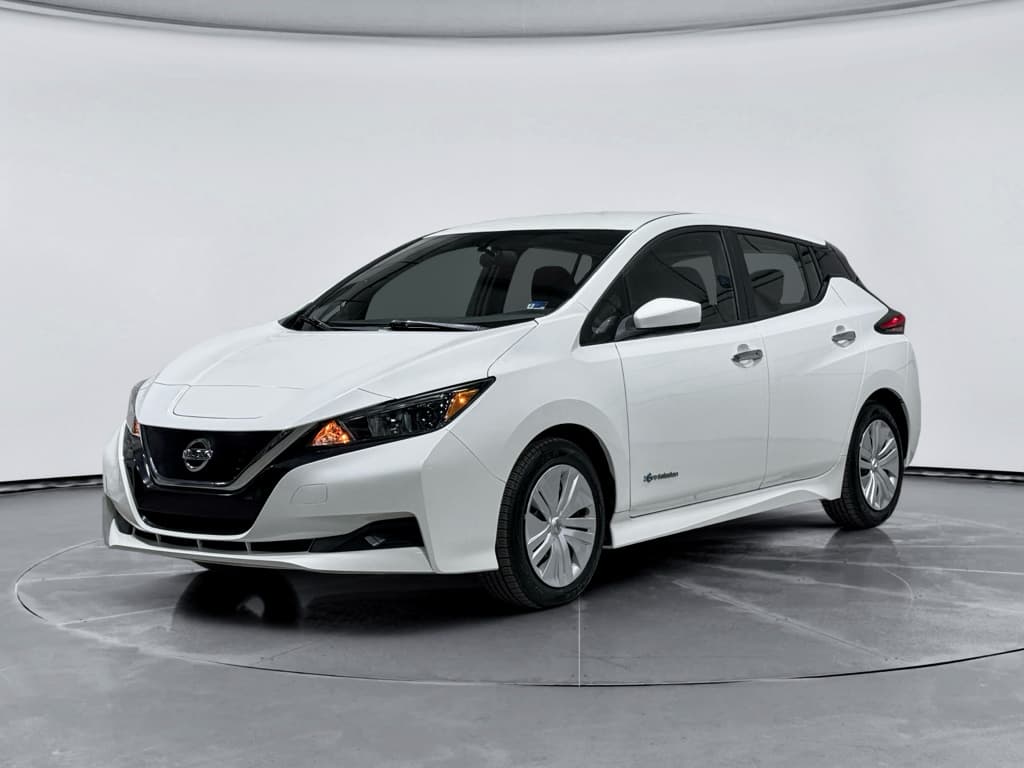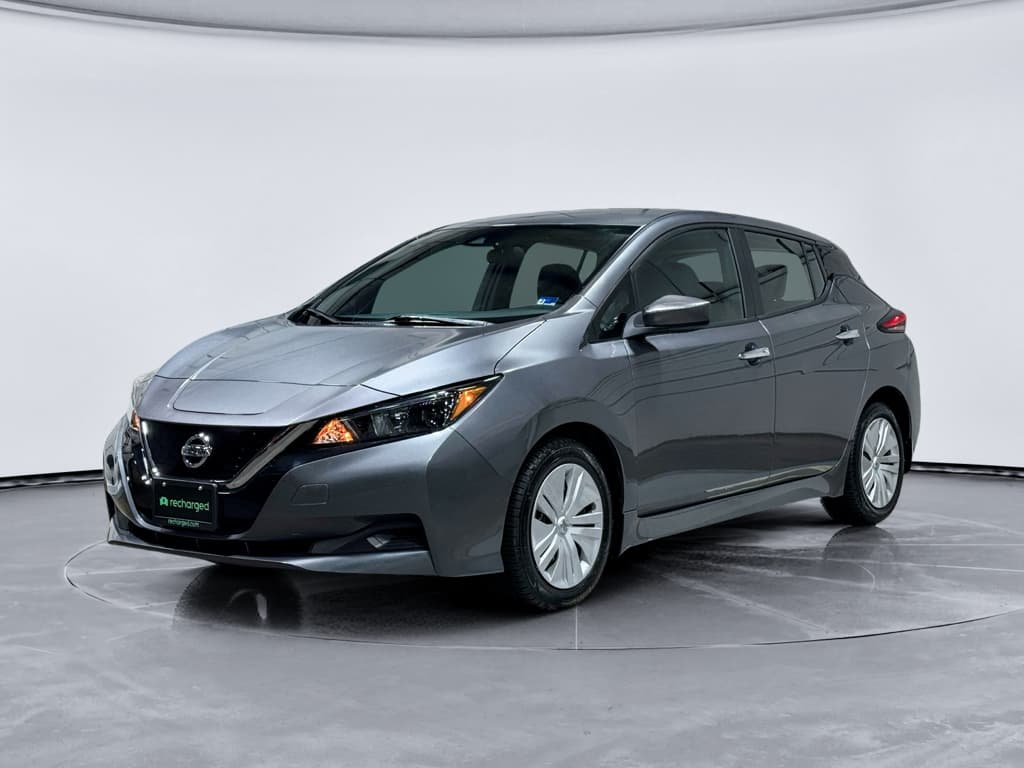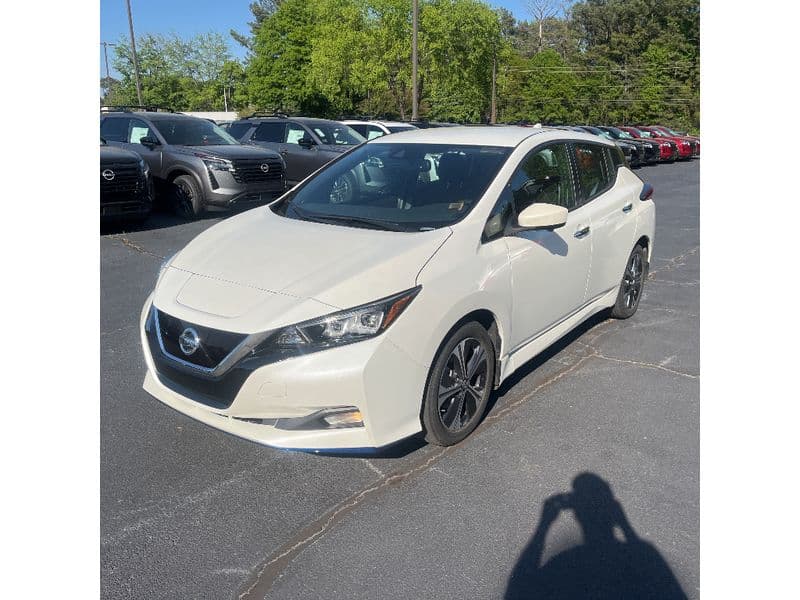
If you’re shopping a used EV on a budget, the 2022 Nissan Leaf is going to show up again and again in your search results. It’s cheap, simple, and has more than a decade of real‑world data behind it. But how good is 2022 Nissan Leaf reliability once the gloss of low pricing wears off? Let’s separate the quiet, drama‑free reality from the recall headlines.
Big picture on 2022 Leaf reliability
2022 Nissan Leaf reliability at a glance
2022 Nissan Leaf reliability snapshot
Translated from the ratings jargon: the 2022 Leaf tends to start every morning and go about its business. When things go wrong, they’re usually software, sensors, or accessories, not catastrophic drivetrain failures. The powertrain has been in service since 2018 in this generation, which means Nissan has had time to debug the major hardware.
Owner scores and expert reliability ratings
What owners say
Owner reviews of the 2022 Leaf skew positive. On major consumer sites, the car averages roughly 4.1 out of 5 overall, with a reliability sub‑score around 4.4. About four out of five owners say they would recommend the car.
The praise is consistent: very few mechanical problems, low running costs, and a sense that the Leaf “just works” if you use it as intended (short‑to‑medium trips, mostly urban/suburban duty).
What the data says
Reliability trackers such as J.D. Power rate the 2022 Leaf’s "Quality & Reliability" in the low‑70s out of 100, not Lexus‑level perfection, but clearly on the right side of average. Independent reliability tools that compare EVs often put the Leaf at or near the top of the compact EV class for fewest unexpected repairs.
Consumer-testing outlets also note that the 2022 Leaf scores "better than most" for overall reliability versus other 2022 model‑year cars.
How to read those scores as a shopper
Recalls that affect 2022 Nissan Leaf reliability
Here’s where the story gets more nuanced. The 2022 Leaf has been swept into several recalls, most of them software‑ or camera‑related, plus one that sounds scarier than it usually is: potential battery overheating during DC fast charging.
Major recalls affecting the 2022 Nissan Leaf
These are the big-ticket recalls you should check on any used 2022 Leaf. A Nissan dealer can confirm completion by VIN.
| Recall topic | Model years affected | What goes wrong | Real‑world impact | Typical remedy |
|---|---|---|---|---|
| Rearview camera harness | 2018–2022 | Camera wiring can chafe and distort or kill the backup image. | Annoying at best; safety concern at worst if you rely heavily on the camera. | Inspect harness, repair/replace camera and wiring, add protective tape/reroute. |
| Defroster instructions | 2018–2023 | Owner’s manual described sub‑optimal use of defroster/defogger in certain conditions. | Reduced windshield clearing if you follow the old instructions by the book. | Nissan sends an updated manual addendum with correct defroster procedures. |
| Unintended acceleration software | 2018–2023 | In rare sequences of cruise control + drive mode changes, the car can continue accelerating until you brake. | Unlikely to encounter by accident, but a clear safety defect in edge cases. | Dealers update vehicle software to prevent the behavior. |
| Battery overheating during Level 3 charging | 2021–2022 (quick‑charge cars) | Certain batteries can overheat during DC fast charging due to manufacturing issues. | Higher‑than‑normal risk of battery damage or, in extreme cases, fire during rapid charging. | Software update to monitor temps and limit charging; owners advised to avoid Level 3 until fixed. |
Recall coverage often spans multiple years; always verify your individual car’s status.
If you’re test‑driving a 2022 Leaf today
Common issues on the 2022 Leaf, and what they feel like on the road
A reliable car isn’t a perfect car. Owners of the 2022 Leaf report a handful of recurring annoyances. Most won’t leave you stranded, but they can color the ownership experience.
Most common real‑world complaints on 2022 Leafs
What tends to go wrong, how you’ll notice it, and what it costs to fix.
1. Infotainment & camera quirks
Symptoms: Frozen screens, laggy Bluetooth pairing, glitches with Apple CarPlay/Android Auto, or a backup camera that cuts out or shows distortion.
Why it matters: This is the #1 nuisance owners mention. It rarely makes the car undriveable but can be maddening on a daily commute.
Fix range: Software updates, warranty repairs, or harness/camera replacement if it ties into the recall.
2. Wind and trim noises
Symptoms: Whistles around the mirrors, rattles from the cargo area or hatch, squeaks on rough pavement.
Why it matters: The Leaf is extremely quiet mechanically, so small noises feel louder. This is cabin refinement more than reliability, but it’s worth catching on a test drive.
Fix range: Adjusting hatch stops, reseating trim, adding felt tape, mostly low‑effort fixes.
3. Charging quirks (port & compatibility)
Symptoms: Public DC fast chargers that won’t initiate a session, home charging sessions that stop early, or a sticky charge‑port door.
Why it matters: Some issues are on the charger side, some on the Leaf’s side. True car‑side defects are relatively rare but frustrating.
Fix range: Port inspections, firmware updates, replacing the charge‑port door latch, or simply avoiding certain finicky public chargers.
4. Climate control performance
Symptoms: Slow heating in very cold weather, or an A/C that feels weak on the hottest days.
Why it matters: Heat pump–equipped trims do better. Poor HVAC performance also affects range because the battery is doing the work.
Fix range: Cabin air filter replacement, refrigerant service, or warranty work on compressors/blowers in outlier cases.
5. Gradual battery capacity loss
Symptoms: The car shows fewer bars on the capacity gauge than when new, and the real‑world range shrinks over years.
Why it matters: This is normal EV aging, but Leafs without active battery cooling can lose capacity a bit faster in hot climates.
Fix range: There’s no cheap magic here, proper care stretches life; a full pack replacement is expensive and rarely pencils out on an older Leaf.
6. DC fast‑charging anxiety
Symptoms: Owners of affected 2021–2022 cars are told not to use Level 3 quick charging until software updates are installed.
Why it matters: Limits road‑trip flexibility and adds a layer of anxiety until the recall work is complete.
Fix range: Once the software fix is applied, you can resume fast charging as usual, with monitoring baked in.
Battery health and long‑term durability
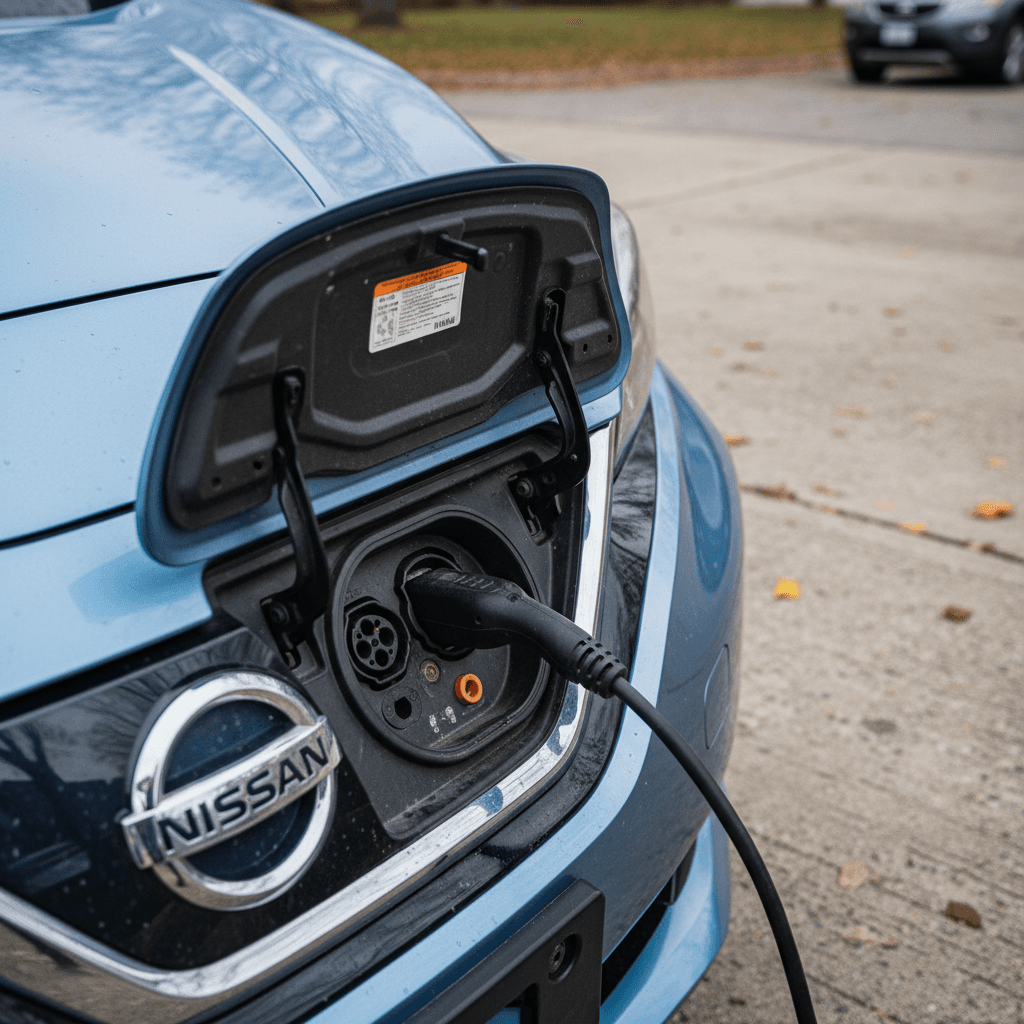
Let’s talk about the beating heart of any EV: the battery. For the 2022 Leaf, you could get a 40‑kWh pack on S/SV trims or a 62‑kWh pack on S Plus/SV Plus/SL Plus. Both use passive air cooling rather than liquid thermal management, a design decision Nissan made back when EVs were still a lab experiment to most of the industry.
- In cooler climates (think Seattle, Toronto, Boston), Leaf packs tend to age gently. Many owners report modest range loss over 5–7 years, with most of the original capacity intact.
- In very hot climates (Phoenix, Las Vegas, parts of Texas), the same chemistry and passive cooling can mean noticeably faster degradation, especially if the car has lived on DC fast charging.
- Short‑range 40‑kWh cars that live mostly on Level 2 home charging often have the happiest batteries. They’re used daily but not abused.
- 62‑kWh Plus models have more thermal mass and start with more range to give away, so modest degradation hurts less in day‑to‑day use.
About the Level 3 battery‑overheating recall
How to quickly judge a 2022 Leaf’s battery health
1. Check the capacity bars
On the right side of the Leaf’s instrument cluster is a vertical stack of bars showing <strong>battery capacity</strong>, separate from charge level. A healthy 2022 Leaf should still show 11–12 bars. If it’s down to 9 or fewer, expect significantly reduced real‑world range.
2. Ask for charging history
Ideally, the previous owner mostly used Level 2 home charging and only hit DC fast chargers on road trips. A car that’s lived on rapid charging in a hot climate is more likely to have a tired pack.
3. Look at mileage in context
High miles on mostly highway, temperate use can be easier on a battery than low miles plus lots of DC fast charging in desert heat. Mileage alone doesn’t tell the story, usage pattern does.
4. Get a professional battery health report
At Recharged, every EV gets a <strong>Recharged Score battery health report</strong> based on real diagnostic data, not guesswork. If you’re buying from a private party or non‑EV dealer, consider paying for an independent Leaf‑savvy inspection.
5. Test a real‑world range run
On a test drive, reset the trip computer, drive 15–20 miles at mixed speeds, and compare miles driven to percent of battery used. That quick sanity check will tell you whether the advertised range feels realistic.
Cost of ownership, maintenance, and repairs
The Leaf earns its keep not by thrilling you, but by almost never visiting your mechanic. Studies that track total cost to own over 5 years show the Leaf with very low maintenance and repair spend compared with gas compacts and many other EVs.
Where the 2022 Leaf saves you money
Reliability isn’t just “does it break,” it’s also “how painful is it when it does?”
Simple, proven powertrain
No engine, no transmission, no exhaust. The Leaf’s single‑speed electric drive unit and reduction gear have been in service for years with few systemic issues.
Result: Fewer big‑ticket failures and virtually no surprises if you follow basic service intervals.
Low routine maintenance
No oil changes, timing belts, or spark plugs. Your Leaf will mainly need tires, cabin filters, brake fluid changes, and the occasional coolant service for the inverter/heater loop.
Result: Scheduled maintenance over 5 years is typically a fraction of a comparable gas car.
Brakes that last seemingly forever
Regenerative braking means the motor does much of the stopping. Pads and rotors last a long time, often 70,000+ miles if you’re gentle.
Result: Brake jobs are rare, which is one of the stealth benefits of a reliable EV.
Depreciation cuts both ways
The 2022 Leaf has taken a big depreciation hit since new, over half its original value in the first three years in many markets.
Result: For you as a used buyer, that “bad” resale becomes a bargain. Just make sure the price you pay reflects the car’s remaining battery life.
Warranty coverage
When sold new, the Leaf carried an 8‑year / 100,000‑mile warranty on the EV system and battery against excessive capacity loss.
Result: A 2022 model may still have years of battery coverage left, depending on in‑service date and mileage. Confirm specifics by VIN.
Repair risk profile
Independent cost‑of‑ownership analyses estimate total repair spend over 5 years in the hundreds, not thousands, of dollars for typical Leafs.
Result: Even if you draw a short straw on an infotainment repair, the overall math is usually still in your favor.
How the 2022 Leaf’s reliability compares to other EVs
If we lined up the usual suspects from the early‑2020s EV wave, a Tesla Model 3, Chevy Bolt EUV, Hyundai Kona Electric, Kia Niro EV, and the 2022 Leaf, the Leaf would not win the “sexiest” contest. But in a quiet way, it fares well on reliability.
Reliability comparison: 2022 Leaf vs popular compact EVs
A high‑level view of how the 2022 Leaf stacks up on reliability vs. its peers.
| Model (2022) | Overall reliability feel | Common sore spots | Battery reputation | Who it suits best |
|---|---|---|---|---|
| Nissan Leaf | Above‑average, largely drama‑free if recalls done. | Infotainment quirks, camera harness, faster battery aging in hot climates. | Solid in mild climates, more sensitive to heat and DC fast‑charge abuse. | City/suburban drivers who value low cost over cutting‑edge tech. |
| Chevy Bolt / Bolt EUV | Good, with one big asterisk: earlier battery‑fire recalls. | Battery recall coverage, some squeaks/rattles, occasional electronics. | Excellent after battery replacements, good thermal management. | Value hunters comfortable with GM’s recall history. |
| Hyundai Kona Electric | Generally strong but some reports of battery replacements and electronics issues. | Battery recall in earlier years, some charging and electronics glitches. | Good, with active cooling, but recall history exists. | Drivers who want more range and warranty depth. |
| Kia Niro EV | Similar to Kona Electric, solid but not flawless. | Infotainment, minor sensor issues, some charge‑port niggles. | Good with proper care and charging habits. | Small‑SUV shoppers wanting a more premium cabin. |
| Tesla Model 3 (RWD) | Powertrain very stout; build quality and electronics more hit‑or‑miss. | Panel alignment, interior squeaks, screens and sensors, OTA bugs. | Good thermal management; range generally holds up well. | Drivers who prioritize range, tech, and Supercharger access over polish. |
Scores are directional summaries of owner and third‑party data, not official side‑by‑side lab tests.
Where the Leaf quietly shines
Used 2022 Nissan Leaf buyer’s reliability checklist
If you’re looking at a specific car on a used lot, or a private seller’s driveway, here’s how to use reliability knowledge in the real world. This is the checklist our own EV specialists at Recharged lean on when evaluating a Leaf.
Pre‑purchase checklist for a 2022 Leaf
1. Run the VIN for recalls and warranty
Use Nissan’s recall lookup or NHTSA to verify <strong>all campaigns are complete</strong>, especially the camera harness and Level 3 charging software. Ask a dealer to confirm remaining battery and EV‑system warranty based on in‑service date.
2. Inspect the charging port and cables
Open the charge door and look for bent pins, corrosion, or cracked plastic. Confirm the door closes cleanly. Plug into a Level 2 charger and make sure the car initiates and maintains a charge without unexpected interruptions.
3. Evaluate battery health, not just mileage
Check capacity bars, run a short range test, and, if possible, get a <strong>formal battery health report</strong>. At Recharged, this is part of every vehicle’s Recharged Score, which makes it easy to compare one Leaf to another.
4. Test the tech, ruthlessly
Pair your phone, run CarPlay/Android Auto, flick through menus, and spend a few minutes in reverse watching the camera. Glitches here are common and fixable, but you want to know what you’re signing up for.
5. Listen for squeaks, rattles, and wind noise
On your test drive, do a stretch at highway speed with the radio off. You’re hunting for whistling around the mirrors, buzzes from the hatch area, and any clunks over bumps. None are dealbreakers, but they’re negotiation points.
6. Confirm service history
Ask for maintenance records: brake‑fluid changes, tire rotations, cabin filter replacements, and any warranty work or campaign notes. A Leaf with documented care is a Leaf that’s more likely to treat you kindly.
When a 2022 Leaf is a great buy, and when to walk away
Signs you’ve found a great 2022 Leaf
- 11–12 capacity bars, or a strong third‑party battery health score.
- Clean VIN history with all major recalls marked complete.
- Service records showing regular basic maintenance.
- Mostly home‑charged in a moderate climate, not a rideshare car living at DC fast chargers.
- Infotainment and camera operate cleanly on the test drive.
- Price reflects the reality that the Leaf depreciates quickly, so you’re the one benefiting.
If that’s the profile, you’re looking at one of the cheapest, lowest‑drama ways to go electric in the used market.
Red flags that should make you move on
- 9 or fewer battery capacity bars, with the seller waving it off as “normal for the age.”
- Open recalls on the battery, rear camera, or unintended acceleration software.
- Evidence of heavy DC fast‑charge use in a very hot region without matching price discounts.
- Persistent warning lights, especially EV‑system or charging‑system alerts.
- Seller can’t produce any service history, or the car has a branded/rebuilt title.
There are lots of Leafs out there. If one feels sketchy, the smartest reliability decision you can make is to walk away and shop the next VIN.
Frequently asked questions about 2022 Nissan Leaf reliability
2022 Nissan Leaf reliability FAQ
Bottom line: Should you trust a 2022 Nissan Leaf long term?
If you judge cars the way a consumer really lives with them, “Does it start, does it nickel‑and‑dime me, and does it do the job I bought it for?”, the 2022 Nissan Leaf comes off well. Its reliability reputation is quietly strong, its failures are mostly minor and software‑fixable, and its mechanicals are more appliance than science project.
The two big caveats are clear: you must confirm recall completion, and you absolutely must buy the battery, not just the car. A healthy‑pack 2022 Leaf in the right climate is one of the most cost‑effective ways to get into EV ownership. A neglected example with a tired battery and open recalls is a bargain only on paper.
If you’d rather not play detective on your own, this is exactly where a specialist marketplace like Recharged earns its keep. Every used EV we list includes a Recharged Score battery‑health report, transparent pricing, and EV‑savvy guidance from test drive to delivery. Whether you buy from us or elsewhere, use the tools and checklists above, and the 2022 Leaf can be the quiet, reliable electric runabout it was meant to be.