If you search for electric cars with the highest range, you’ll find big numbers, 512, 450, 400 miles, thrown around like bragging rights. Range absolutely matters, especially if you road-trip or don’t have home charging. But those headline figures only tell part of the story. To choose the right EV (especially a used one), you need to understand which cars really go far, how those numbers are measured, and how battery health changes things over time.
Quick take
Why “highest range” matters, just not the way you think
Range does three things for you: it reduces how often you stop, gives you more flexibility in bad weather, and builds confidence if you can’t always charge at home. But there’s a point where more range is just more battery weight and cost. A 500‑mile luxury sedan is impressive engineering, but a well-priced 300‑mile crossover can be a better ownership experience, and a far better value on the used market.
When max range is worth paying for
- You regularly drive 250–300+ miles in a day and can’t count on fast chargers.
- You tow or haul heavy loads that eat into efficiency.
- You live in very cold or very hot climates and want a big buffer.
- You simply want the security of rarely thinking about charging.
When a mid-range EV is smarter
- You have home or workplace charging most days.
- Your daily driving is under 60–80 miles.
- You’d rather save $10k+ by choosing a smaller battery or a used EV.
- You care more about charging speed and network quality than raw miles.
Range hack
Top 10 electric cars with the highest range in 2025
Let’s start with what most people want to know: which electric cars actually have the highest EPA-rated range in the U.S. right now. Below is a simplified snapshot based primarily on late‑2024 and 2025 EPA figures for the longest-range versions of each model.
Range leaders at a glance (EPA estimates)
Top 10 longest-range electric cars (by EPA rating)
These are representative EPA estimates for the highest‑range trims as of late 2024 / 2025. Always check the window sticker for the exact configuration you’re considering.
| Rank | Model (longest-range trim) | Body type | Approx. EPA range (mi) | Notes |
|---|---|---|---|---|
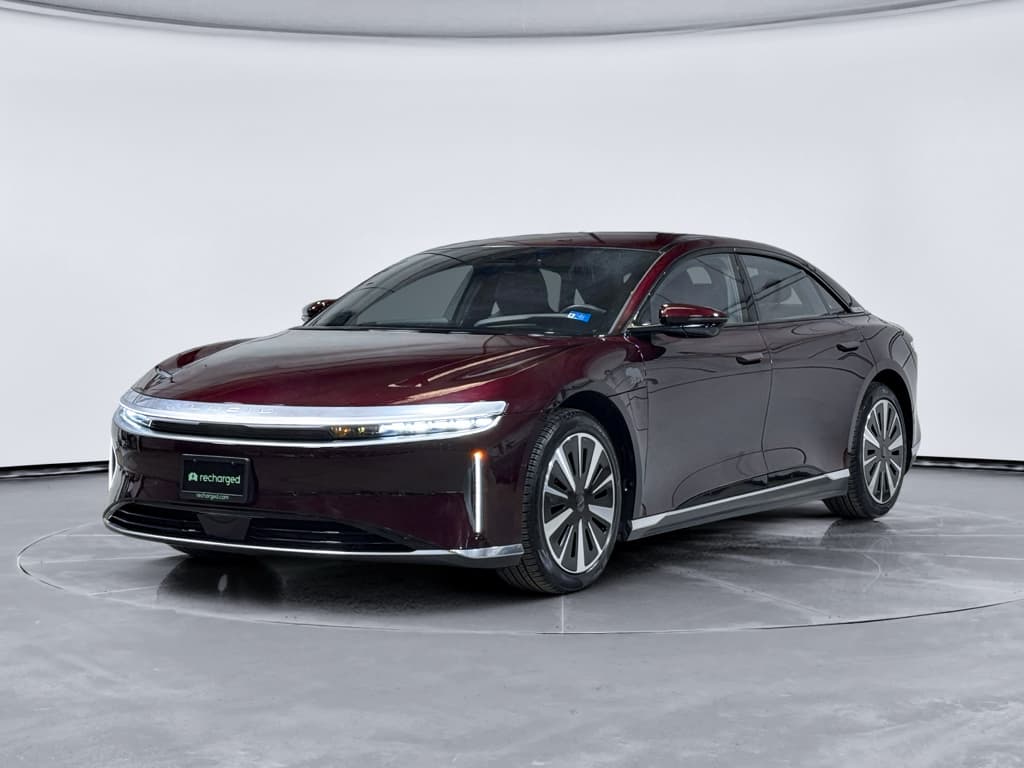
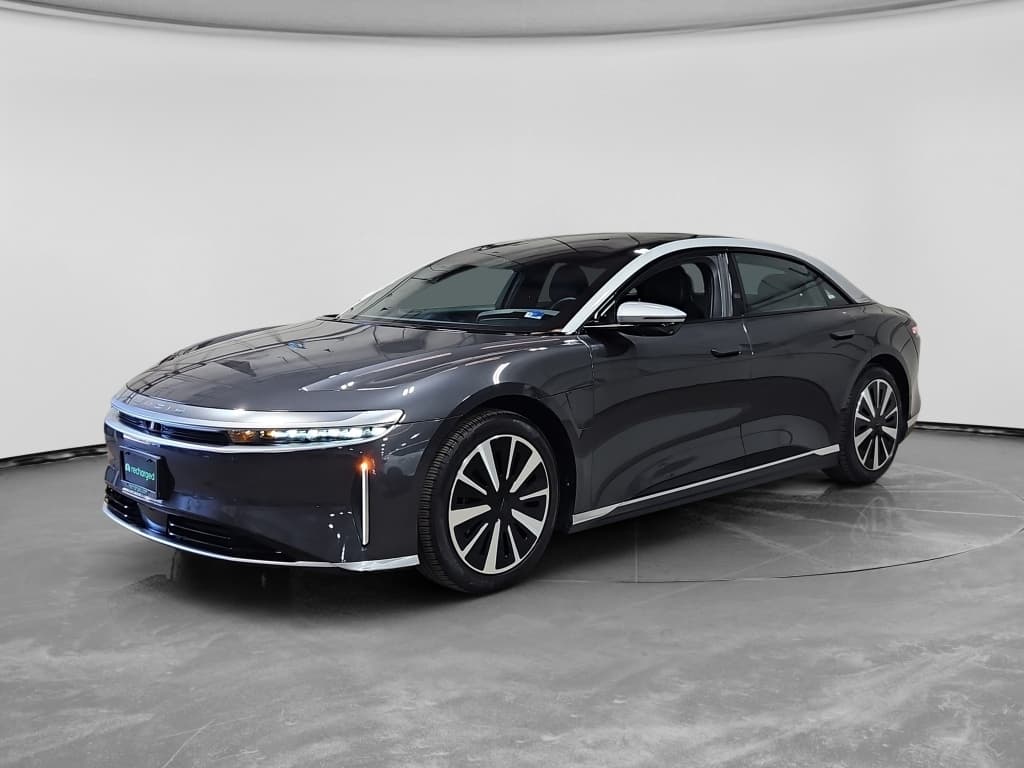
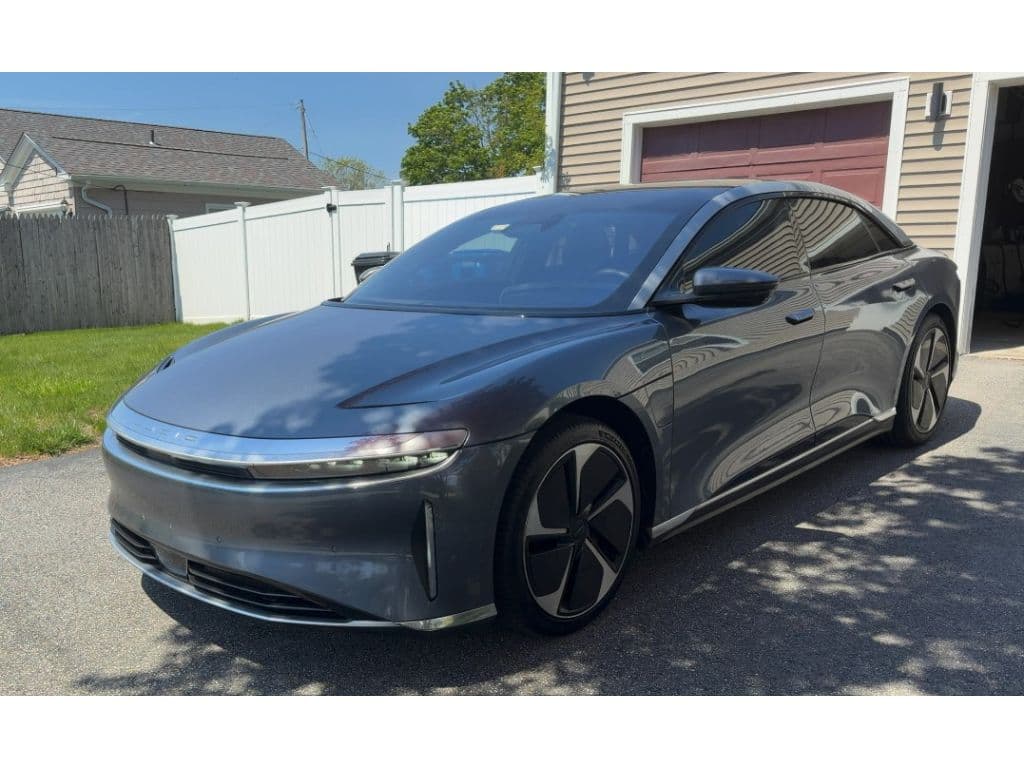
| 1 | Lucid Air Grand Touring | Luxury sedan | 512–516 | Current overall range king; 900V architecture, very efficient |
| 2 | Rivian R1T Max pack | Pickup | ≈410 | Serious off‑road capability; range drops when towing |
| 3 | Rivian R1S Max pack | 3-row SUV | ≈400 | One of the few 3‑row EV SUVs around the 400‑mile mark |
| 4 | Tesla Model S Long Range | Luxury sedan | ≈402–405 | The longest‑range Tesla; benefits from Tesla’s Supercharger network |
| 5 | Mercedes‑Benz EQS 450+ | Luxury sedan | ≈390 | Ultra‑aerodynamic S‑Class alternative with big battery |
| 6 | Lucid Gravity Grand Touring* | 3-row SUV | ≈450* | Early EPA estimate; production started in late 2024 |
| 7 | Hyundai IONIQ 6 SE Long Range RWD | Sedan | ≈342–361 | One of the most efficient mass‑market EVs |
| 8 | Tesla Model 3 Long Range (latest) | Sedan | ≈360+ | Recent refresh improved efficiency and refinement |
| 9 | Tesla Model Y Long Range | Compact SUV | ≈330–337 | The de facto family EV in many markets |
| 10 | Chevrolet Blazer EV RS RWD | Midsize SUV | ≈324–334 | Ultium-based SUV with competitive range for the price |
EPA figures, not manufacturer guesses, give the fairest apples‑to‑apples comparison across EVs.
Watch the fine print
How much range do you actually need?
It’s tempting to chase the biggest number you can afford, but most U.S. drivers dramatically overestimate how much range they truly need. The average American drives under 40 miles per day. Even if you double that to build in a safety margin, a 250‑mile EV easily covers several days of errands between charges.
What range makes sense for your life?
Match your range target to your daily reality, not marketing one‑upmanship.
City & suburban commuters
If you mostly do school runs, commuting, and errands:
- Target: 220–280 miles EPA range
- Home or workplace charging is more important than a 400‑mile battery.
Frequent road‑trippers
If you routinely drive interstate distances:
- Target: 280–350 miles EPA range
- Prioritize fast‑charging speed and network quality, not just range.
Towing & heavy use
If you tow, haul, or live in extreme climates:
- Target: 320+ miles EPA range
- Expect 30–50% range loss when towing at highway speeds.
Good news for your budget
EPA range vs real-world driving
Every EV sold in the U.S. gets an EPA-rated range so you can compare models on a level playing field. But that number isn’t a guarantee; it’s more like a lab‑tested best case. Real‑world range can be 10–30% lower depending on how and where you drive.
- High speeds: Driving 80 mph instead of 65 mph can cut range dramatically, especially in boxy SUVs and trucks.
- Temperature: Very cold or very hot weather steals energy for heating or cooling the cabin and battery.
- Elevation and wind: Long climbs and headwinds eat into efficiency; descents and tailwinds help.
- Payload and towing: Extra weight and trailers add rolling and aerodynamic drag.
- Tires and wheels: Big, sticky performance tires and 21–22 inch wheels look good but hurt efficiency.
How to sanity‑check range for a road trip
Long-range EVs that work especially well as used cars
If you’re shopping used, the game changes a bit. You care less about which EV tops today’s charts and more about which long‑range EVs age gracefully, both in hardware and software. A 2019–2022 model that started around 310–370 miles and still has a healthy battery can be a far smarter buy than a brand‑new 260‑mile car at the same price.
Used long‑range EVs worth a close look
Strong original range plus solid real‑world track record makes these stand out in the used market.
Tesla Model 3 Long Range & Model Y Long Range
These are the workhorses of the EV world. 330–360 miles of original EPA range, robust fast‑charging, and a massive charging network.
- Plenty of used inventory at different price points.
- Battery packs generally age well when not abused.
- Software support and features continue to improve over time.
Hyundai IONIQ 5 / 6 & Kia EV6
Ultra‑efficient E‑GMP platform, 300‑mile‑plus trims, and very fast charging on 800V hardware.
- Comfortable road‑trip cars with good driver assistance.
- Attractive used pricing as more new inventory hits the market.
- Check fast‑charging history and software update status.
Mercedes‑Benz EQS & EQE (for luxury shoppers)
If you want S‑Class‑level comfort with serious range, EQS and EQE sedans can be compelling used buys. They started in the mid‑ to high‑300‑mile range and depreciate much faster than Toyotas or Teslas, which can work in your favor.
GM Ultium crossovers (Lyriq, Blazer EV, Equinox EV)
Cadillac Lyriq, Chevrolet Blazer EV, and Equinox EV trims in the low‑ to mid‑300‑mile band offer a lot of car for the money as used prices settle. As always, verify range today rather than relying on the original window sticker.
Where Recharged fits in
Battery health: how to protect your range over time
Headline range is only half the story. The other half is how well the battery holds onto its capacity over years of fast‑charging, hot summers, and cold winters. Modern EV packs are engineered to last, but how you use the car still matters.
- Avoid living at 100%: It’s fine to charge to full before a trip, but for daily use, many manufacturers now recommend setting your limit around 70–85%.
- Don’t panic about DC fast charging, but don’t abuse it either: Occasional fast‑charging on road trips is expected; using DC fast charging almost every day can accelerate wear.
- Let the car manage temperature: Preconditioning before fast‑charging and using seat heaters instead of max cabin heat both help efficiency and comfort.
- Store with some charge: If you park the car for weeks, leave it around 40–60% state of charge and, ideally, in a garage or shaded area.
- Keep software up to date: Automakers constantly tune battery management and charging curves; updates can improve both longevity and real‑world range.
Red flags on a used EV
Checklist: buying a long-range EV with confidence
Whether you’re eyeing a Lucid, Tesla, Hyundai, or something more mainstream, the smartest long‑range EV shoppers follow a process. Use this checklist to keep yourself honest.
Essential steps before you buy a long‑range EV
1. Define your real use case
Write down your longest regular trip, how often you road‑trip, and whether you’ll have home or workplace charging. That determines your true minimum range and charging needs.
2. Choose a range band, not a single number
Instead of saying “I need 350 miles,” decide that 260–320 miles of real‑world range is acceptable and shop within that band.
3. Research the specific trim
Within a model line, range can vary by 50+ miles. Confirm the exact battery size, drive configuration, and wheel package of the car you’re considering.
4. Verify battery health and current range
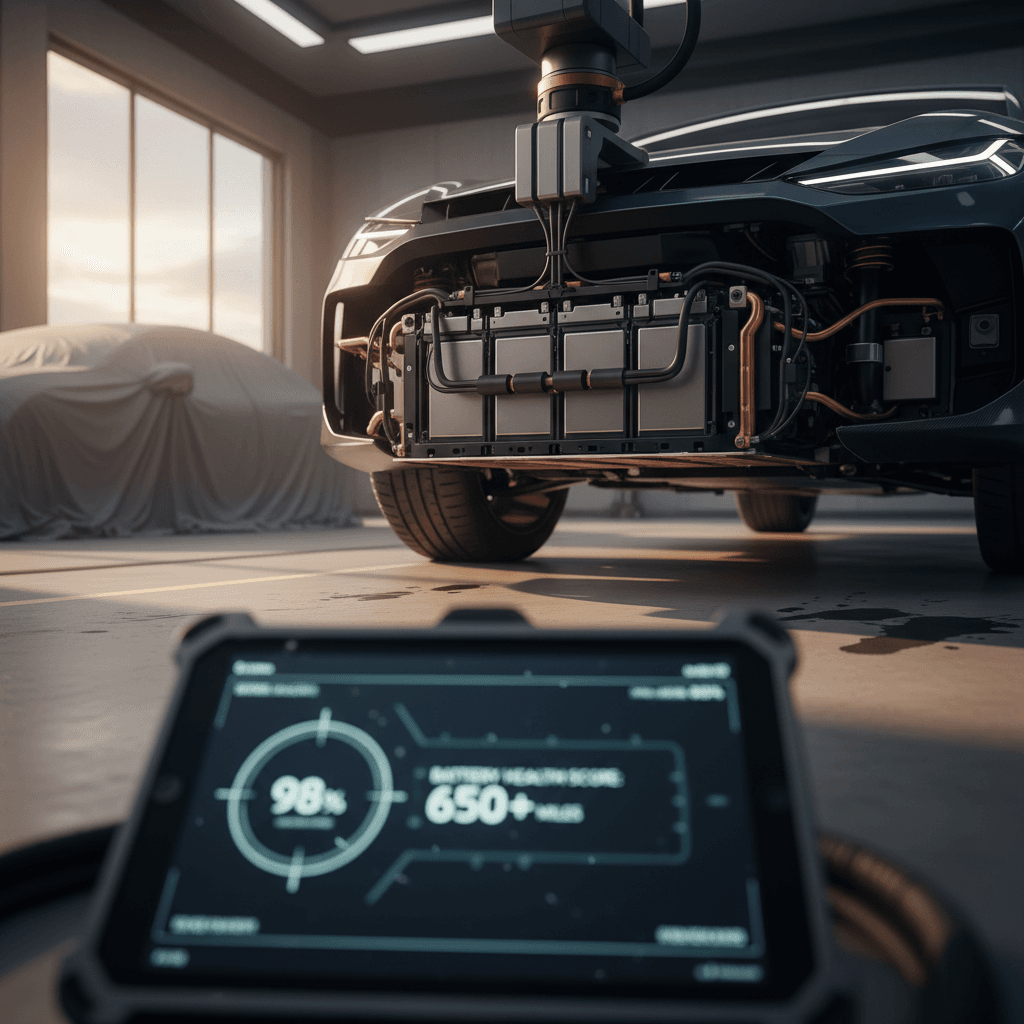
On a used EV, ask for a recent battery health report and look at the car’s estimated range at 100% charge. On Recharged, this is part of the Recharged Score by default.
5. Test fast‑charging behavior
If possible, do a DC fast‑charge session during the test drive. Watch how quickly the car ramps up to its advertised peak rate and how long it stays there.
6. Price in charging network access
Consider whether the EV has native or adapter access to major fast‑charging networks, and factor that convenience into your buying decision, not just the sticker range.
FAQ: longest-range EVs and real-world ownership
Frequently asked questions about high-range electric cars
The bottom line on electric cars with the highest range
The list of electric cars with the highest range in 2025 is led by halo products like the Lucid Air Grand Touring, Rivian’s Max‑pack trucks, and long‑legged luxury sedans from Tesla and Mercedes. They prove what’s possible, but they’re not the only smart choices. For most drivers, the real sweet spot lies with efficient 280–340‑mile EVs that charge quickly and fit your budget.
If you’re shopping used, focus less on the original marketing number and more on verified battery health, realistic road‑trip range, and charging convenience. That’s exactly the transparency Recharged was built to provide, with Recharged Score battery diagnostics, fair pricing, and EV‑specialist support from your first search to delivery. Pick the range band that fits your life, then find a car that earns its numbers in the real world, not just in the brochure.