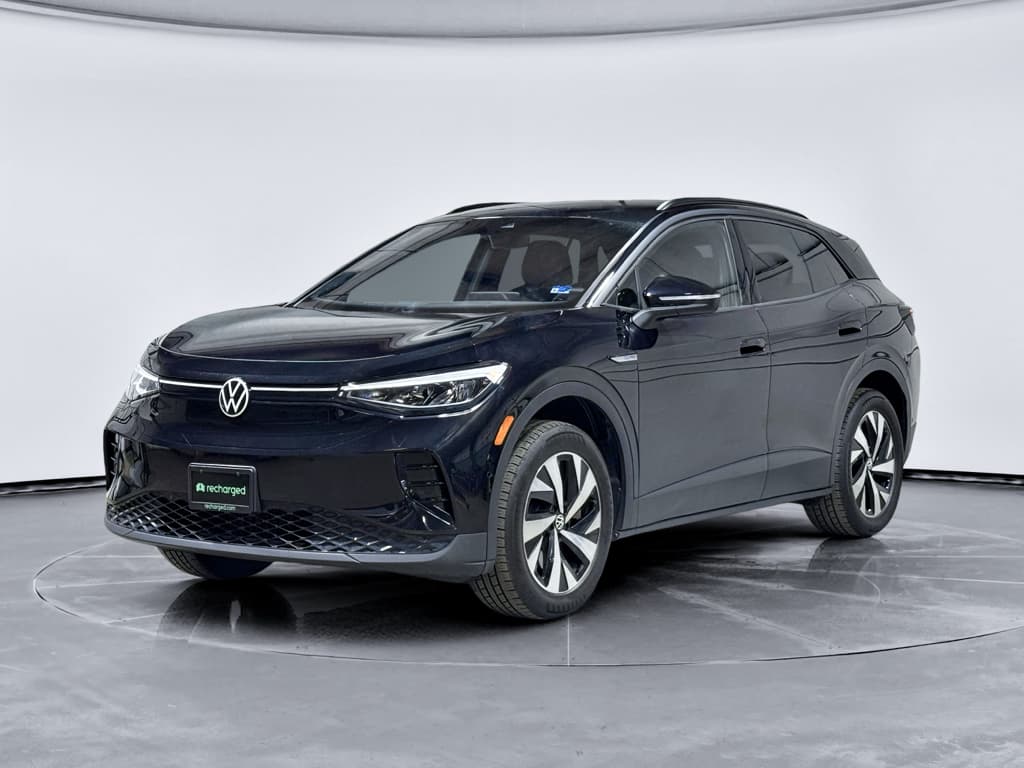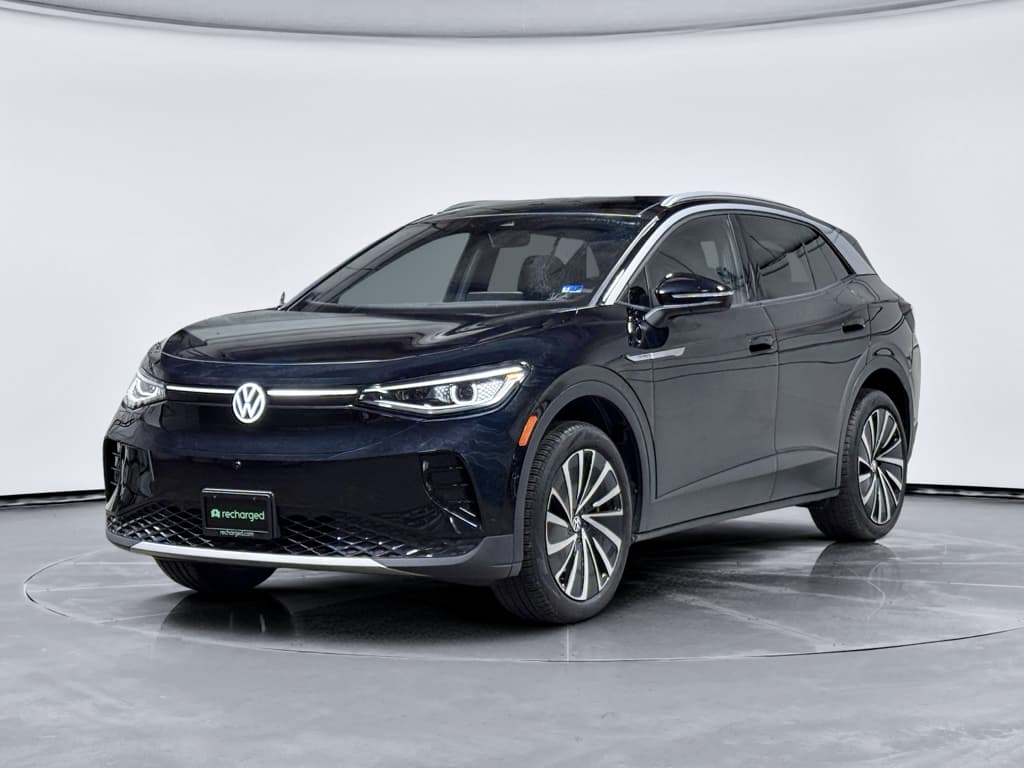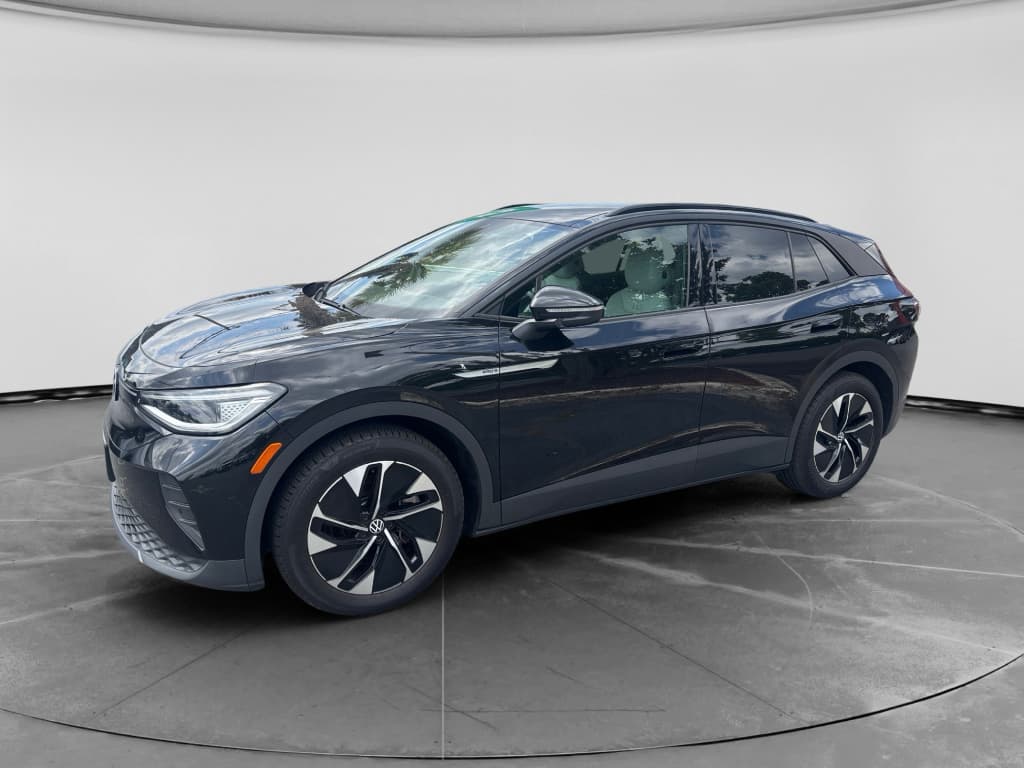
If you’re eyeing a **2025 Volkswagen ID.4**, you’ve probably already seen the headlines: software gremlins, door recalls, and reliability scores that put the ID.4 near the bottom of the EV pack. The good news is that by 2025, many of the ugliest early‑model problems were improved. The bad news: a few problem themes still matter if you’re buying or owning one today.
Important context for 2025 shoppers
2025 Volkswagen ID.4 at a glance
2025 ID.4 reliability snapshot
For 2025, Volkswagen kept the basic ID.4 recipe the same: a compact electric SUV with rear‑ or all‑wheel drive, a usable real‑world range, and a cabin dominated by touchscreens. The core **problem pattern** didn’t change dramatically either. Most owner complaints still land in four buckets: software glitches, electrical issues (including the 12‑volt system), charging quirks, and a history of safety recalls that buyers need to verify have been completed.
How 2025 fits into the ID.4 problem history
Early years: 2021–2022
- Infotainment freezes and reboots were common, with slow response and random black screens.
- 12‑volt battery drain left some cars unable to start or shifting into “limp” mode despite a healthy high‑voltage pack.
- Multiple recalls for things like unreliable battery connections and electronic displays.
2023–2024 updates
- North American production shifted to Chattanooga, and VW rolled out newer software (v3.x) that cured some early bugs.
- Large door‑latch recall and broader electrical recalls hit 2021–2024 cars, highlighting systemic issues.
- Owners still reported intermittent charging failures, driver‑assist glitches, and odd error messages even on late‑build 2023–2024s.
The **2025 ID.4** builds directly on that 2023–2024 hardware and software stack. On paper, that’s a good thing: the worst launch‑year flaws had already been identified, and a lot of fixes were baked in at the factory. In practice, 2025s still inherit some of the same modules, wiring strategies, and door hardware that generated complaints in earlier years. That’s why you’ll see 2025 owners talk less about catastrophic failures and more about annoying, repeatable quirks that send them back to the dealer for updates and module swaps.
Don’t ignore older recalls on a 2025
Most common 2025 ID.4 problems
Key 2025 Volkswagen ID.4 problem areas
What owners and techs still see on late‑build ID.4s
1. Infotainment and software glitches
The ID.4’s infotainment system is still the #1 source of complaints. On 2025s, owners report:
- Slow boot‑up and lag when switching menus
- Random restarts or frozen navigation maps
- Profiles or settings resetting themselves after updates
- Apple CarPlay/Android Auto taking a long time to connect
The upside: most of these are annoying more than dangerous, and many can be solved with dealer software updates or hard resets.
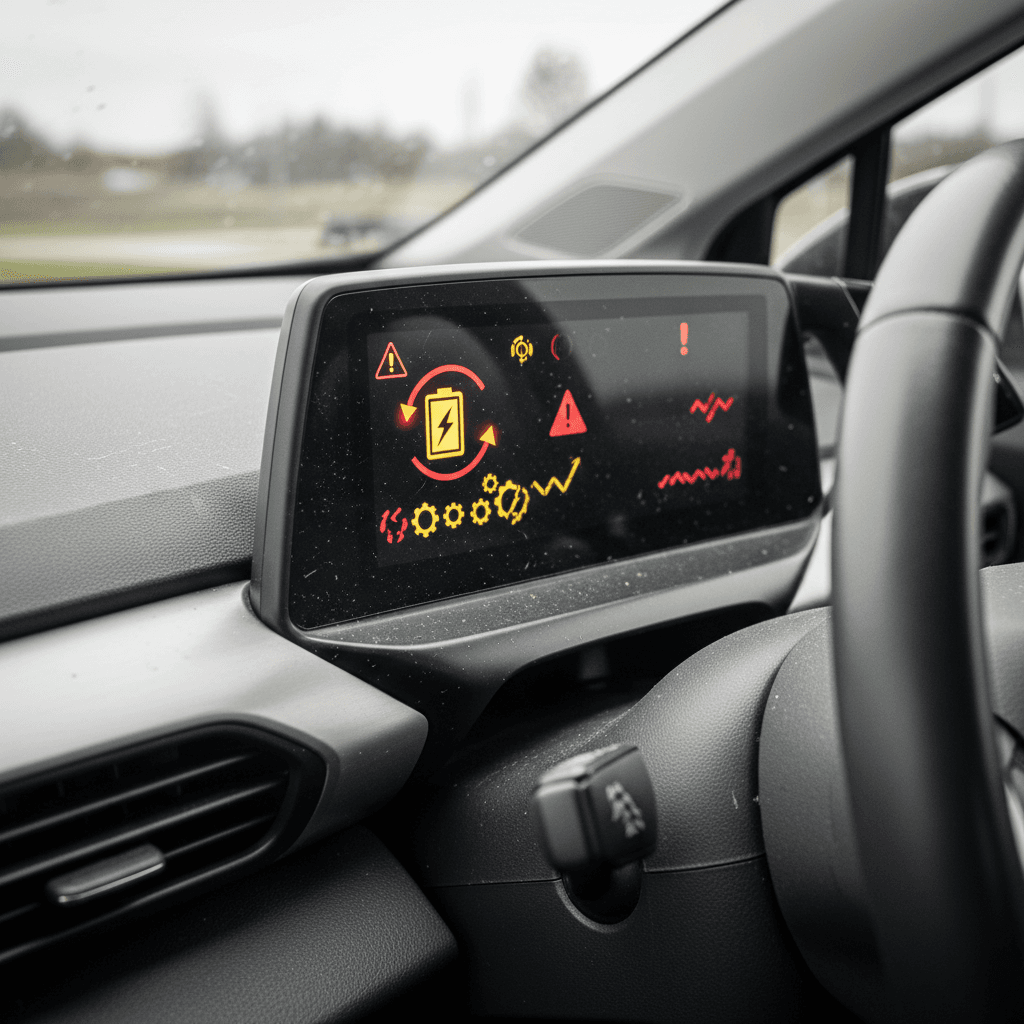
2. Electrical warnings and 12‑volt issues
Even on newer builds, you’ll still see posts about:
- “Electrical system not working correctly” messages
- Unexpected limp or “turtle” mode at moderate state of charge
- Unexplained warning lights that disappear on restart
Often the root cause is a weak 12‑volt battery, a failed sensor, or an outdated control‑module software version. Left alone, a bad 12‑volt can cascade into larger problems.
3. Charging problems
2025 ID.4s still see the same broad charging complaint themes as earlier years:
- DC fast‑charge sessions that won’t start or cut off early
- Public Level 2 stations throwing communication errors
- Home charging occasionally stopping overnight
Because these involve the car, the charger, and the network, diagnosis can be frustrating. But many issues trace back to software updates, bad charge‑port hardware, or faulty cables, not a failing high‑voltage battery.
4. Door and latch concerns
Volkswagen issued major recalls for ID.4 doors that could unexpectedly open while driving on earlier model years. Some 2025 owners still report:
- Door‑ajar warnings when the door is clearly shut
- Occasional difficulty latching or wind noise from seals
Most of this is addressed with updated latches and software, but you should confirm recall completion on any 2025 you’re considering.
Beyond those four buckets, you’ll see scattered reports of **driver‑assist quirks** (Travel Assist disengaging, phantom braking), minor build‑quality issues like rattles, and rare but serious electrical failures that strand the car. They’re not universal, but they’re important enough that a smart buyer asks targeted questions and inspects documentation closely.
Look for pattern, not perfection
2025 ID.4 recalls and what they actually fix
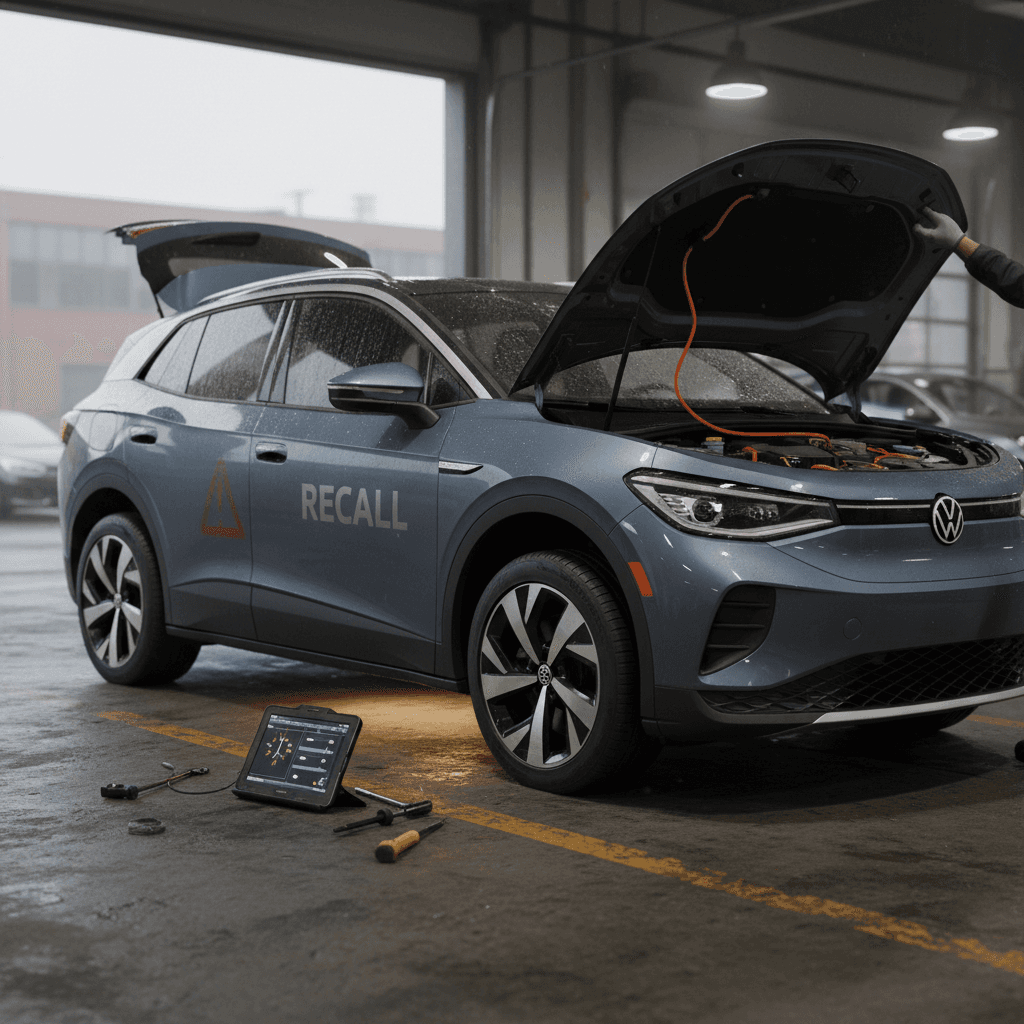
By 2025, Volkswagen had already launched multiple ID.4 recall campaigns tied to earlier years, especially around doors, electrical connectors, and vehicle software. New campaigns continue to appear as regulators and Volkswagen expand the affected VIN ranges. The exact list for your car will depend on its build date, but these are the big themes to understand.
Major ID.4 recall themes affecting 2021–2025 builds
Always verify exact recall coverage by VIN, this table is a simplified overview.
| Issue area | Typical symptom | What the recall does | Why it matters for 2025 |
|---|---|---|---|
| Door latches | Doors can open while driving, or fail to latch securely | Replaces or updates door components and pushes new body‑control software | Large campaigns covered 2021–2024; some 2025s share the same hardware families, so you want proof of remedy. |
| Vehicle software | Random error messages, display failures, safety‑system warnings | Flashes updated software to one or more control units | Helps stabilize infotainment and driver‑assist behavior on 2025 cars built with older code. |
| High‑voltage/electrical | Unexpected shutdown, limp mode, or charging failure | Repairs connectors, wiring, or battery components; updates monitoring logic | Earlier‑year problems informed better diagnostics; 2025s still benefit from the improved logic and hardware. |
| Lighting/displays | Loss of speed display, rearview camera glitches, intermittent lights | Reprograms or replaces display/lighting modules | Important for safety inspections and basic drivability on any used ID.4. |
Recall names and NHTSA numbers vary; use this as a conversation starter with the seller or dealer service department.
Never skip a recall check
Diagnosing and fixing key ID.4 issues
If you already own a 2025 ID.4, or you’re test‑driving one and see odd behavior, here’s how to tackle the most common problem types without losing weeks of your life to guesswork.
When your ID.4 shows software or infotainment issues
1. Try a full system reboot
With the vehicle safely parked, press and hold the infotainment power button until the screen goes dark and restarts. Many minor glitches clear after a hard reboot, especially after an over‑the‑air update.
2. Note the exact message and time
Take a photo of any warning messages. Jot down battery state of charge, outside temperature, and what you were doing (charging, using navigation, activating Travel Assist). Detailed notes help the service team find patterns.
3. Check for pending updates
In the vehicle settings, look for available software updates. If none show up, call a VW dealer and ask if your VIN is eligible for newer software that hasn’t rolled out over‑the‑air yet.
4. Verify phone and cable basics
For CarPlay and Android Auto complaints, test with a different phone and cable. You don’t want to blame the car for a flaky USB cord or outdated phone OS.
5. Escalate recurring bugs under warranty
If the same bug has sent you to the dealer multiple times, escalate politely. Ask for a case number with Volkswagen corporate and make sure all visits are documented, this can help later if you pursue buyback options in severe cases.
Addressing electrical and charging complaints
Start with simple checks before assuming the high‑voltage battery is bad
Check the 12‑volt battery
A weak 12‑volt battery can trigger scary messages like “Electrical system not working correctly” or sudden limp mode.
- Have a shop test the 12‑volt under load.
- Ask if there are TSBs (technical service bulletins) for your VIN.
- Replacing a marginal 12‑volt early can prevent bigger headaches.
Isolate the charging variable
If you get charge errors:
- Test a different DC fast charger, then a different network.
- Try a known‑good Level 2 unit at home or work.
- Swap cables if you use a portable EVSE.
If the ID.4 misbehaves across multiple chargers, it’s more likely on the vehicle side.
Get a scan and documented diagnosis
For repeat issues, ask the dealer or trusted EV shop to pull and print a full fault‑code report.
Insist that they capture snapshots when the fault occurs. That paperwork is invaluable if you need warranty support, a second opinion, or leverage in a used‑car negotiation.
Where Recharged can help
Ready to find your next EV?
Browse VehiclesSimple habits that prevent many ID.4 problems
You can’t re‑engineer Volkswagen’s software from your driveway, but you can dramatically reduce your odds of headaches with a few straightforward habits. These apply to 2025 ID.4s and earlier years alike.
- Keep software current, but don’t interrupt updates. If an over‑the‑air update starts, let it finish before you drive away or shut the car down repeatedly.
- Protect the 12‑volt battery with regular use. Long periods parked without driving or charging can stress the low‑voltage system. If you travel, consider leaving the car plugged in or ask a trusted friend to drive it occasionally.
- Use quality charging equipment. A reputable Level 2 home charger on a properly installed 240‑volt circuit is easier on the car than a worn extension cord or mystery public outlet.
- Avoid deep discharges when you can. Keeping the battery mostly between about 10% and 80–90% state of charge supports long‑term health and reduces surprise limp‑mode events.
- Document every issue and repair. A thick, clear paper trail helps down the road, both in getting goodwill repairs approved and in preserving resale value.
Create an “ID.4 logbook”
Buying a used 2025 ID.4: what to check first
Because Volkswagen has announced it’s winding down ID.4 production in Chattanooga and U.S. inventory will carry into later years, you’ll see a steady stream of nearly new 2025 ID.4s on the used market. That’s an opportunity, if you vet the car carefully.
Pre‑purchase checklist for a 2025 Volkswagen ID.4
Confirm recall and campaign status
Run the VIN through official tools and ask for dealer service printouts. Every safety recall should show as “completed,” with dates and mileage. If anything is still “open,” build that repair into your decision and timing.
Scan for fault codes and warning history
A pre‑purchase inspection on an ID.4 should always include a scan of all control modules, not just a quick dashboard light check. At Recharged, this scan feeds into the Recharged Score so you can see lurking electrical issues before you buy.
Test charging on Level 2 and DC fast
If possible, plug the car into a Level 2 station and a DC fast charger during your test drive. Watch for error messages, failed sessions, or unusually slow DC charging at moderate state of charge.
Evaluate infotainment behavior
Spend at least 10–15 minutes with the infotainment: switch menus, pair a phone, run navigation, and test the rearview camera. Occasional hiccups are one thing; frequent freezing or reboots are a red flag.
Drive with driver‑assist on and off
On a clear road, test Travel Assist, lane‑keeping, and adaptive cruise. Then drive with those systems off. You’re looking for unexpected braking, sudden disengagement, or warning chimes that don’t match road reality.
Inspect doors, seals, and windows
Open and close every door several times. Drive on a rough road and listen for wind noise or rattles from the doors. Ask specifically whether door‑latch recall work has been done and request documentation.
Why nearly new ID.4s can be bargains
Red flags: when to walk away from an ID.4
No used EV is perfect, but some ID.4 listings carry more risk than reward. If you see a combination of the issues below and the seller can’t provide convincing documentation, it’s usually smarter to move on to the next VIN.
- Multiple unsolved “electrical system not working correctly” incidents, especially if they happened at freeway speed or under moderate battery charge.
- Repeated limp‑mode or “turtle” events documented in service records with vague or inconclusive fixes.
- Open safety recalls with no scheduled appointment or explanation from the seller.
- An infotainment system that frequently freezes, reboots, or loses critical functions like the rearview camera, even after recent software updates.
- Evidence of flood, collision, or DIY high‑voltage repairs, anything that suggests the electrical system has been compromised beyond standard dealer work.
Don’t let a low price override your gut
FAQ: 2025 Volkswagen ID.4 problems and fixes
Frequently asked questions about 2025 ID.4 problems
Bottom line: is the 2025 ID.4 a bad bet?
The **2025 Volkswagen ID.4** isn’t doomed, but it’s also not the set‑and‑forget EV some shoppers hope for. If you land on a well‑maintained example with up‑to‑date software, completed recalls, and a clean diagnostic scan, you can get a roomy, comfortable electric SUV at a sharp price. If you ignore the model’s history, and skip the homework, you risk inheriting someone else’s intermittent electrical nightmare.
The key is to treat every 2025 ID.4 as an individual case. Lean on data: recall status, service records, battery‑health reports, and fault‑code scans. That’s exactly what platforms like Recharged were built for. With the right verification in place, a 2025 ID.4 can still be a savvy used‑EV purchase rather than a cautionary tale.