If you’re hunting for electric cars with the fewest recalls, you’re probably less worried about 0–60 times and more concerned with, “Is this thing going to be in the shop every other month?” That’s rational. The EV space has produced some wonderfully engineered machines, and some beta tests masquerading as cars. The trick is knowing which is which.
First, a reality check
Why recalls matter, but don’t tell the whole story
In U.S. law, a recall is how a manufacturer corrects a defect that could affect safety or federal standards. With modern EVs, that can range from a software bug that dims a dashboard icon to a high‑voltage battery defect that can cause a fire.
- Some brands, especially newer EV makers, push updates as over‑the‑air (OTA) recalls, no dealer visit, just a software patch while you sleep.
- Others lean on traditional dealer recalls for mechanical issues: wiring harnesses, brakes, steering, charging electronics.
- A single recall can affect millions of vehicles, or just a few dozen in a specific VIN range. Raw recall counts rarely tell you severity.
So when you ask which electric cars have the fewest recalls, what you actually want to know is: Which models avoid serious, repeated safety defects and “stop‑driving” problems? That’s a mix of NHTSA recall data, owner‑reported reliability, and how cleanly an automaker fixes what goes wrong.
Don’t shop by brand alone
How to actually check recall histories
Before we get to specific models with relatively few recalls, it helps to know how to do your own homework. This is exactly what you should be doing before you wire money for a used EV, whether you buy from a private seller, a franchise dealer, or a specialist marketplace like Recharged.
Step‑by‑step: see if an EV is a recall magnet
1. Run the VIN on NHTSA’s recall site
Go to NHTSA’s official recall lookup and plug in the full VIN. You’ll see all open recalls that still need to be performed on that exact car, plus a history of past safety campaigns.
2. Look at recall patterns by model year
Search the model and year (for example, “2022 Hyundai Ioniq 5 recall”) to see how many separate recalls there have been and what they involved, battery, braking, airbags, or just a software labeling issue.
3. Compare with owner-reported reliability
Cross‑check with outlets that aggregate owner surveys and repair data. You’re looking for repeated trouble spots, charging failures, power electronics, water leaks, or infotainment outages, not one stray complaint.
4. Ask for proof of recall completion
For used EVs, request service records or confirmation that recall work was completed. A serious recall that’s been properly fixed is a smaller problem than one that’s still hanging over the car.
5. Check for "silent" technical service bulletins (TSBs)
TSBs document known issues the manufacturer will fix under certain conditions without calling it a recall. A model with many TSBs on core systems can be just as troublesome as one with formal recalls.
Where Recharged fits in
Electric cars that stand out for fewer or milder recalls
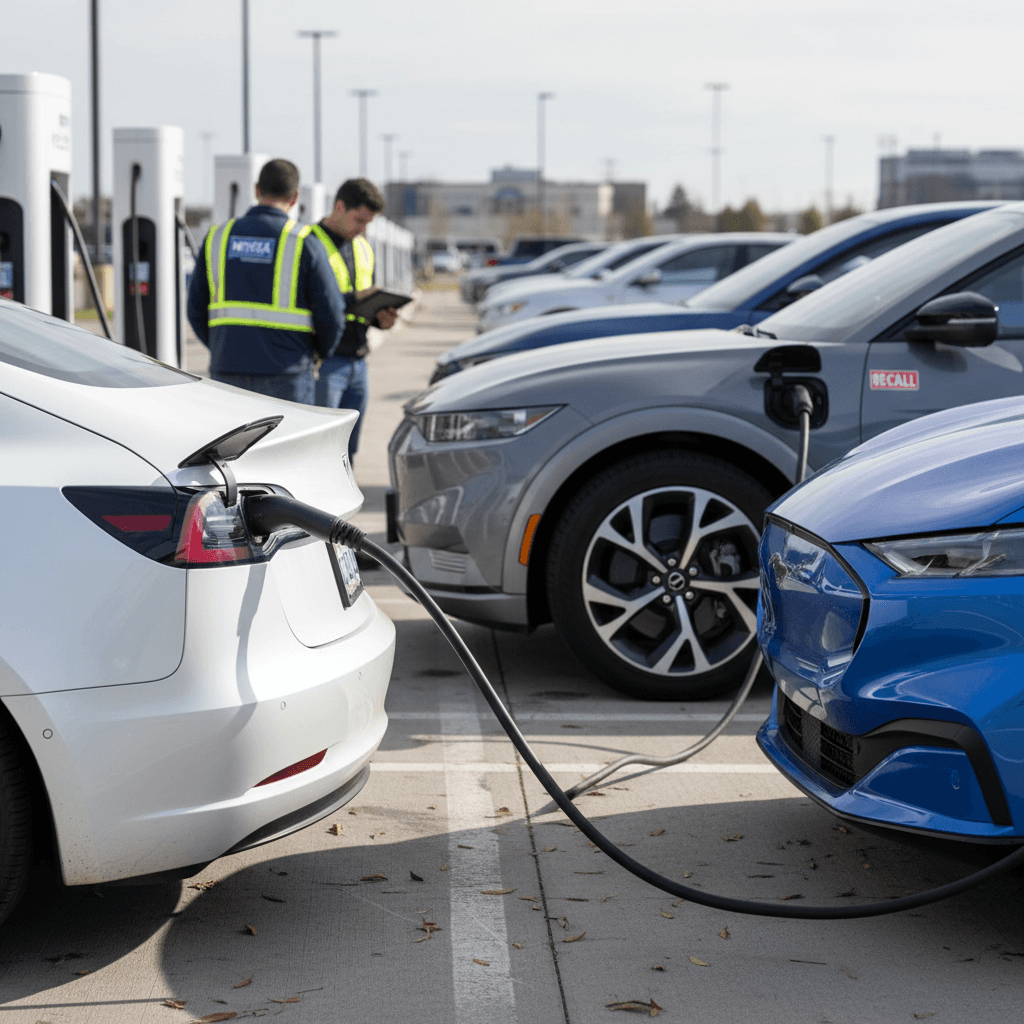
There is no official, up‑to‑the‑minute league table of “EVs with the fewest recalls,” and it would be dishonest to pretend otherwise. Recalls are constantly evolving. But based on recent recall history through early 2026, owner‑reported reliability, and the absence of major safety scandals, several models have earned a reputation for fewer or less severe recall headaches.
EVs that have avoided big, chronic recall drama (so far)
These aren’t “perfect cars,” but they’ve sidestepped the worst recall storms and severe safety campaigns seen elsewhere.
Nissan Leaf (2nd gen, 2018–2024)
The Leaf is the vanilla ice cream of EVs: not the flashiest, but reliably edible.
- Long production run with incremental tweaks instead of wild redesigns.
- No battery fire crises or mass pack replacements hanging over the model.
- Most recalls have been conventional items like brake or software tweaks, not stop‑driving orders.
Watch for: older cars with heavy fast‑charging usage in hot climates; ask for detailed battery health data, not just the dash "bars."
Hyundai Kona Electric & Kia Niro EV (select years)
Early Kona Electrics had a high‑profile battery recall, but later years and its cousin, the Niro EV, have generally avoided repeat safety crises.
- Compact, straightforward packages with relatively mature powertrains.
- Most recalls have been manageable, software logic, charging behavior, or components like seat belts.
- Decent reliability scores when you avoid the specific battery‑recall VIN ranges.
Watch for: exact model year and build date. A Kona built before the battery fix is a very different risk profile from one built later.
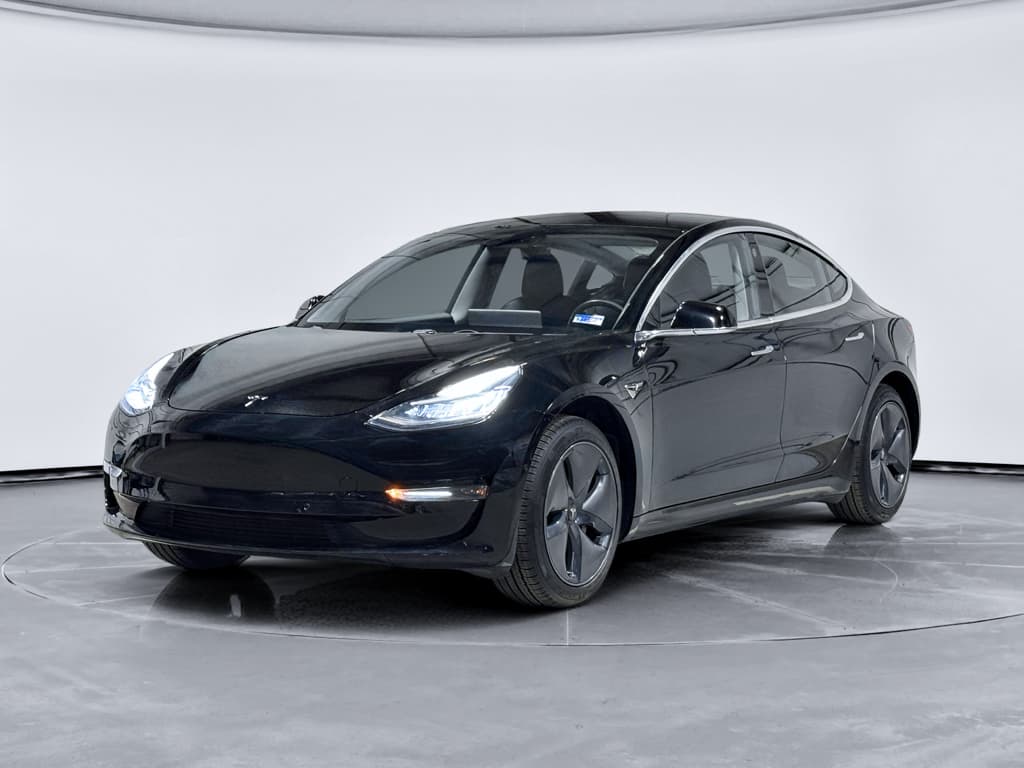
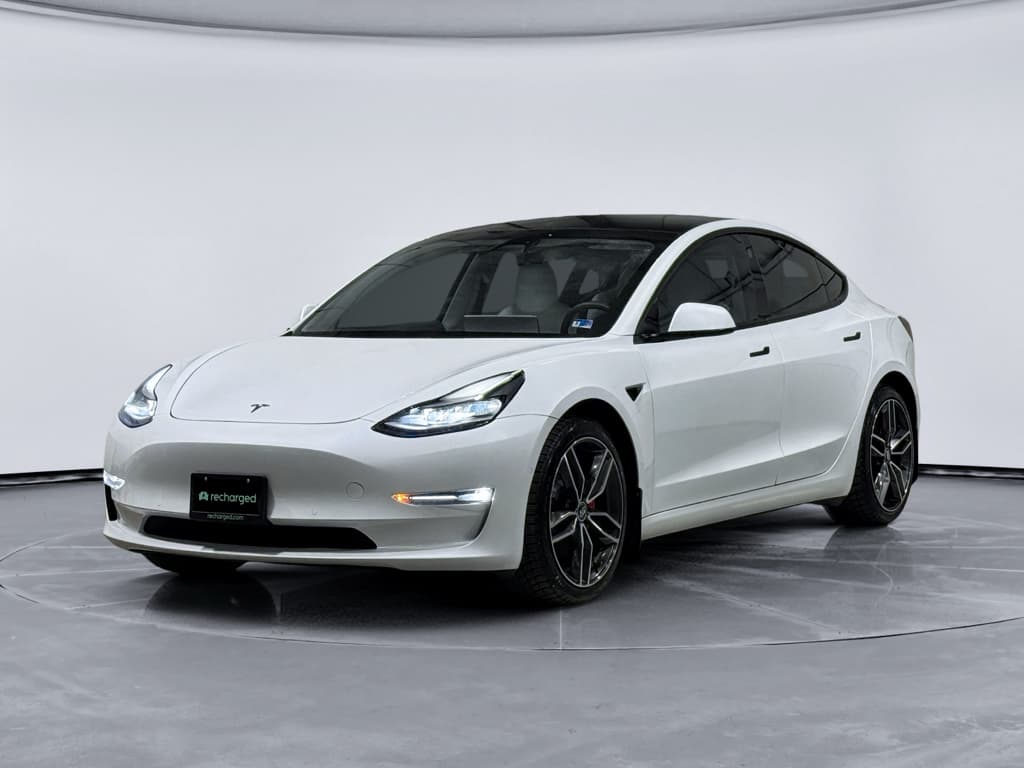
Tesla Model 3 & Model Y (recent years, OTA-heavy fixes)
Tesla racks up a lot of recalls on paper, but a large portion are software issues fixed via over‑the‑air updates, no dealer visit, no wrench turned.
- Core battery pack and motors have generally proved robust in high‑mileage cars.
- Recent campaigns have tended to address camera visibility, warning logic, and interface behavior.
- When a recall is software‑only, owners may never even notice beyond a notification.
Watch for: early build years with more fit‑and‑finish and weather‑seal complaints, and make sure OTA updates are current.
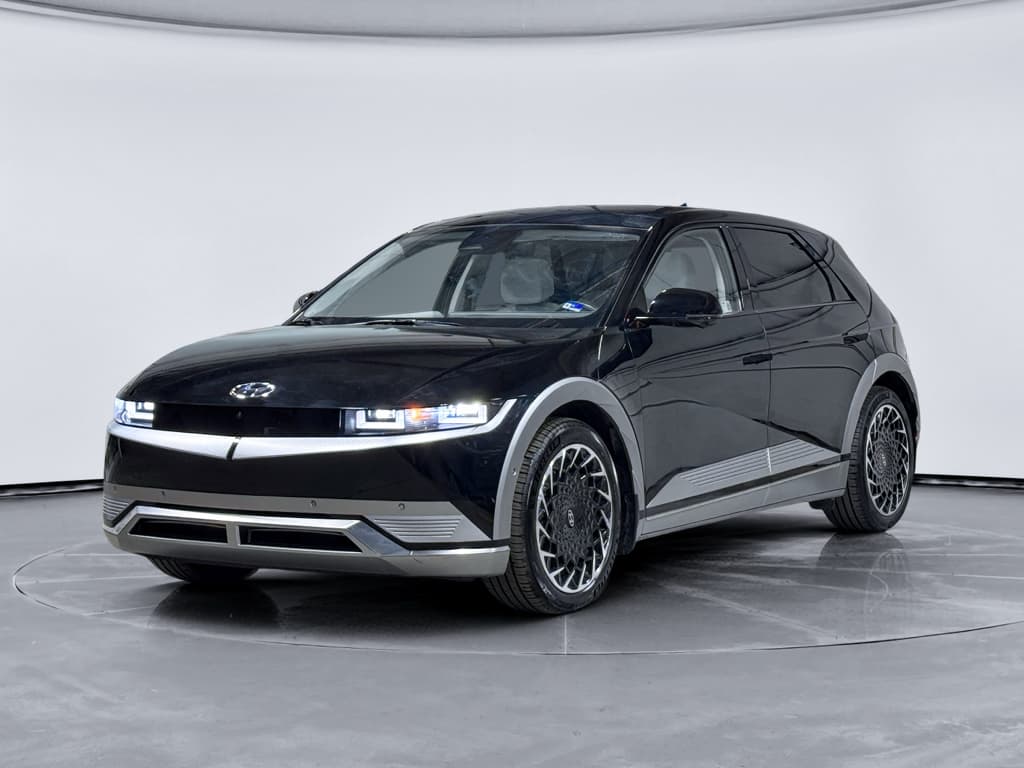
Hyundai Ioniq 5 / Kia EV6 (post‑fix builds)
These E‑GMP platform twins have had their share of early teething issues, especially with charging components, but not a cascade of catastrophic safety recalls.
- Known issues around the Integrated Charging Control Unit (ICCU) and 12‑volt support systems have led to targeted recalls and service campaigns.
- Later builds and post‑fix vehicles tend to have cleaner reliability records so far.
- Excellent fast‑charging performance when sorted makes them popular road‑trip EVs.
Watch for: proof that any charging‑system recalls and TSBs were performed, plus solid charging test drives before you buy.
Toyota bZ4X / Subaru Solterra (after wheel-fix era)
The bZ4X launched with a headline‑grabbing recall about wheels potentially detaching, hardly confidence‑inspiring. But Toyota halted sales, engineered a fix, and resumed production. Since that noisy start, the car’s recall record has been fairly uneventful.
- Very conservative engineering by EV standards.
- Fewer flashy features means fewer failure points.
- Toyota historically runs lower recall rates than Detroit rivals.
Key check: make sure any early wheel‑related recalls were fully resolved and documented in service records if you’re eyeing a first‑year example.
Smaller-volume European EVs (select trims)
Some lower‑volume imports from brands like Volvo, Polestar, and certain Mercedes EQ models have not generated large recall counts in the U.S., simply because there aren’t that many of them on the road.
- Limited fleet size can mask issues, small numbers mean smaller recalls.
- Some score well in European inspection regimes and owner surveys, others less so.
- Evaluate these cars on an individual basis: inspection results, software update history, and local dealer support matter more than a raw recall count.
Key check: don’t assume “few recalls” equals “bulletproof”; dig into reliability reports and parts availability.
Pattern to look for
EVs with heavy recall and issue histories to approach carefully
On the other side of the ledger are EVs with multiple serious recalls, especially around batteries, loss of power, or core safety systems. That doesn’t mean you should never buy them, but you should go in with your eyes open, paperwork in hand, and ideally a healthy discount.
Examples of EVs with notable recall or problem histories
These models have attracted outsized recall attention or owner complaints in recent years. Exact risk depends on model year and whether repairs were done.
| Model | Primary concerns | Shopping advice |
|---|---|---|
| Chevrolet Bolt EV / EUV (certain 2017–2022 cars) | High‑profile battery fire risk leading to full pack replacements; multiple charging behavior recalls. | Only consider vehicles with documented battery replacement or completed recall remedies, and expect value impacts vs. similarly sized EVs. |
| Hyundai Kona Electric (early build years) | Battery pack defects prompting large recalls and even buy‑backs in some markets. | Later build years can be fine, but early cars demand rigorous documentation on pack replacement and current software. |
| Some Genesis/Hyundai/Kia E-GMP models (specific years) | Integrated charging components (ICCU) and power electronics leading to loss‑of‑power or no‑start conditions. | Confirm all applicable campaigns are done; test DC fast charging and highway cruising thoroughly before purchase. |
| Early Lucid, Fisker, and other startup EVs | Multiple early‑run recalls for software instability, powertrain issues, and basic quality controls; thin service networks. | Treat first‑generation startup EVs like exotic cars: lovely when sorted, but only buy with bulletproof service records and a strong warranty. |
| Complex luxury SUVs from legacy brands | High content, complex air suspensions, and advanced driver‑assist systems with recurring software and hardware issues. | Check reliability and recall history by specific trim. Sometimes the base battery and motor are stout but the add‑on tech is not. |
Always verify recall status and software update history for the specific model year and VIN you’re considering.
When to walk away
Stats: what we can (and can’t) see about EV recalls
The recall landscape in the EV era
It’s tempting to search for a neat ranking of “brands with the fewest recalls,” circle the winner, and call it a day. The trouble is that the data isn’t apples‑to‑apples. A company that aggressively issues recalls for tiny issues can look worse on paper than one that handles similar problems quietly through service bulletins.
- A brand with lots of OTA‑fixable software recalls might be more responsive to safety issues, not less reliable.
- A company with low recall numbers could simply have fewer vehicles on the road or a habit of handling issues off the NHTSA stage.
- Long‑running models with stable designs (like the Nissan Leaf) tend to see fewer dramatic year‑to‑year swings than clean‑sheet EVs in their first two model years.
Use recalls as one pillar, not the whole building
Used EV shopping checklist to avoid recall headaches
If you’re shopping the used market, where EV deals are currently plentiful in the U.S., you have a huge advantage: you can see how an EV actually aged. Recalls, campaigns, and service records are all part of that story.
7-point checklist: find an EV with fewer surprises
1. Start with inherently "boring" powertrains
Mature, mainstream EVs like the Leaf, Niro EV, or later‑build Model 3s often fare better than first‑year science projects. Conservative engineering is your friend when you want fewer recalls.
2. Cross‑check the VIN against NHTSA
Don’t rely on seller assurances. Run the VIN yourself, confirm there are no <strong>open recalls</strong>, and note how many campaigns this car has been through.
3. Ask for complete service history
Look for evidence that recall work was done promptly, not years late. A thick folder of completed campaigns is actually a good sign, someone cared.
4. Look for repeat visit patterns
If you see multiple invoices for the same issue, charging faults, loss of power, coolant leaks, you’re staring at a pattern, not a one‑off glitch.
5. Get battery and charging health data
Use a specialist inspection or marketplace that provides <strong>battery state‑of‑health</strong> and a real charging test. A pack that’s been replaced under recall can be a plus, if it was done right.
6. Consider parts and service access
An EV with few recalls but no nearby service network can still be miserable to own. Make sure you have a dealer or specialist shop within a reasonable distance.
7. Price in the risk
If you fall for a model with a spicier recall history, the price should reflect that risk. Don’t pay “boring reliable hatchback” money for “early‑build science experiment” risk.
How Recharged helps you see past the recall headlines
The hardest part of decoding recalls is separating headline drama from real‑world risk. That’s exactly the gap Recharged exists to narrow for used EV shoppers.
Buying a used EV through Recharged vs. going it alone
How we try to make recalls, battery health, and pricing less of a guessing game.
Recharged Score Report
Every car on Recharged comes with a Recharged Score that includes battery health diagnostics, charging performance, and an overview of safety campaigns.
Instead of squinting at NHTSA PDFs, you see a clear snapshot of how this specific car is doing today.
VIN, recall & issue review
Our EV specialists review VIN‑specific history, including open recalls and known model‑year problems, so you aren’t blindsided later.
When a car has a history of major work, like a battery replacement, we flag it and factor it into pricing.
End‑to‑end support & delivery
From instant offers and trade‑ins to nationwide delivery and our Experience Center in Richmond, VA, Recharged tries to make the whole process as digital, transparent, and painless as your first silent commute.
If you have questions about a recall or campaign on a car you’re eyeing, an EV specialist walks you through it in plain language.
Ready to find your next EV?
Browse VehiclesFAQ: electric cars with the fewest recalls
Your questions on EV recalls, answered
Bottom line: pick the EV with the fewest surprises, not “zero recalls”
Chasing the mythical EV with zero recalls is like searching for a smartphone that never needs a software update. Modern cars are rolling computers; some part of the code or hardware is going to get revised. What you want is an electric car whose issues have been few, well‑understood, and thoroughly fixed, and whose battery and core components have aged gracefully.
Models like the Nissan Leaf, Kia Niro EV, later‑build Tesla Model 3 and Model Y, and post‑fix Hyundai Ioniq 5/EV6 twins have generally sidestepped the worst recall sagas so far, especially when you choose the right years. Combine that with a clean VIN history, solid battery diagnostics, and a seller who can actually explain the car’s past, and you’re in the sweet spot: fewer surprises, more quiet miles.
If you’d rather not moonlight as your own recall analyst, shopping through Recharged gives you that legwork in a single Recharged Score Report, battery health, recall status, fair pricing, and expert guidance from first click to delivery. However you decide to buy, use recalls the way professionals do: as a starting point, not the last word, in judging an electric car’s long‑term calmness or chaos.