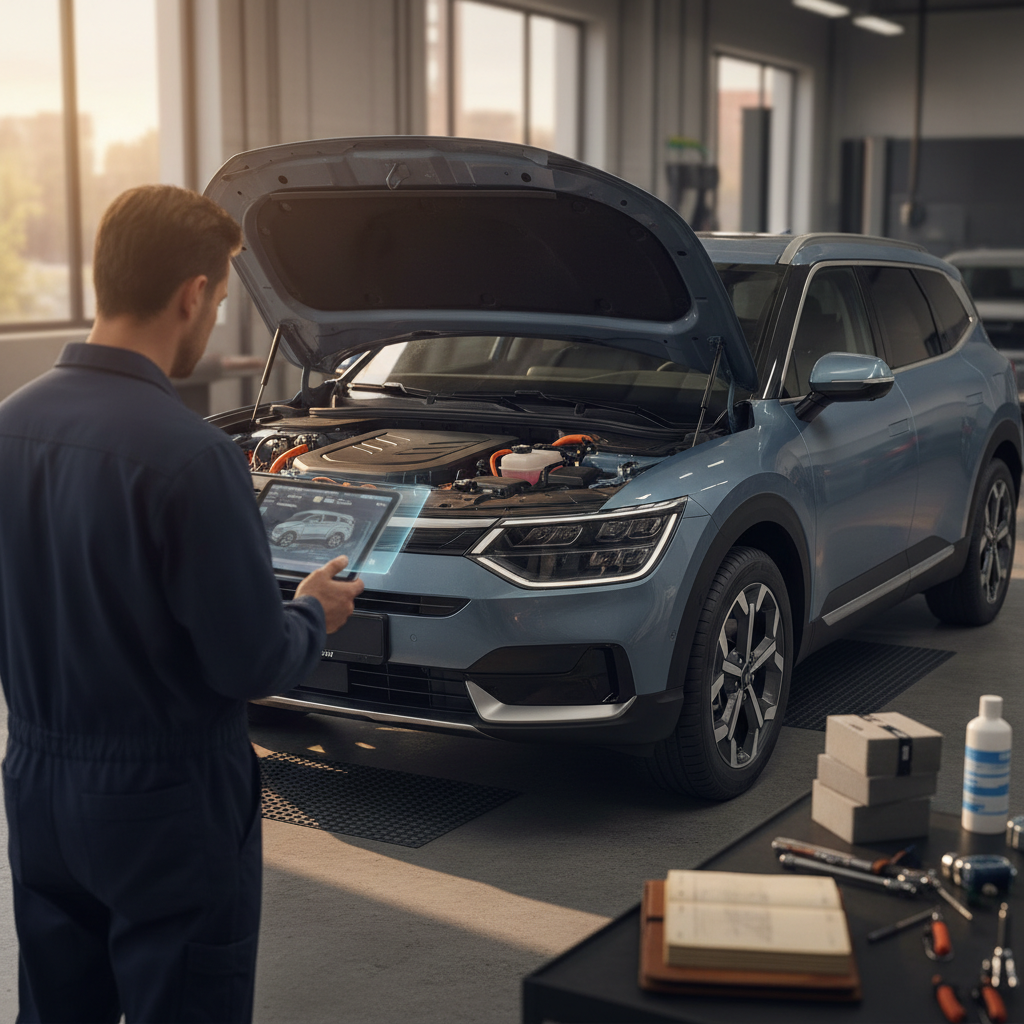
If you’re trying to choose between an electric car vs hybrid vs plug‑in hybrid, you’re not alone. In the last few years, hybrids have surged, EVs have gone from niche to normal, and plug‑in hybrids now sit in the middle like a peace negotiator. The right answer isn’t about winning an argument on the internet, it’s about which powertrain fits your life, your budget, and your driveway.
Why this choice matters now
How electric, hybrid, and plug‑in hybrid cars actually work
Electric car (EV or BEV)
An electric car is powered only by an electric motor and a large battery pack. You plug it in to charge; there’s no gasoline engine, no tailpipe, and far fewer moving parts than a gas car.
- Energy source: battery only
- Fueling: plug into home or public charger
- Best for: drivers who can charge regularly and want low running costs
Conventional hybrid (HEV)
A hybrid pairs a small battery and electric motor with a gasoline engine. The car charges its tiny battery itself through the engine and regenerative braking, you never plug it in.
- Energy source: mostly gas, tiny bit of electricity
- Fueling: gas station only
- Best for: drivers who want better mpg with zero charging hassle
Plug‑in hybrid (PHEV)
A plug‑in hybrid adds a larger battery you do plug in. It can drive a certain number of miles on electricity, then behaves like a regular hybrid once that battery is used.
- Energy source: electricity and gasoline
- Fueling: plug‑in + gas station backup
- Best for: short daily trips, occasional long road‑trips
A simple rule of thumb
Quick comparison: electric car vs hybrid vs plug‑in hybrid
Electric car vs hybrid vs plug‑in hybrid: at‑a‑glance
A high‑level comparison of the three powertrains on the factors most shoppers care about.
| Feature | Electric car (EV) | Hybrid (HEV) | Plug‑in hybrid (PHEV) |
|---|---|---|---|
| Primary energy source | Electricity only | Gasoline, with electric assist | Electricity for short trips, gasoline backup |
| Typical range on a full “tank” | 220–320 miles electric | 450–600+ miles on gas | 20–50 miles electric, then 400–500+ miles on gas |
| Fuel economy (combined) | MPGe equivalent often 90–120+ | 40–55 mpg typical | When charged: 70–90 MPGe; no charging: 35–45 mpg |
| Home fueling needed? | Yes, strongly recommended | No | Strongly recommended to get full benefit |
| Road‑trip convenience | Best where fast chargers are common | Best anywhere gas stations exist | Excellent, runs like a gas car once battery is used |
| Upfront price vs similar gas car | Usually higher, but dropping fast | Similar or slightly higher | Usually the highest of the three |
| Routine maintenance | Lowest (no engine, fewer fluids) | Lower than gas, but still engine service | Similar to hybrid plus extra complexity |
| Tailpipe emissions | None | Lower than gas, but still present | Low if charged often; closer to hybrid if rarely charged |
Assumes typical 2024–2025 U.S. models and fuel prices; your exact numbers will vary by car and region.

How Americans are actually buying in 2024–2025
Cost to buy and own: which is cheapest long‑term?
Upfront price is only half the story. You also live with fuel, maintenance, and potential repairs for years. Here’s how electric cars vs hybrids vs plug‑in hybrids usually shake out over a 5–8‑year ownership window.
Purchase price vs running costs
Why the cheapest sticker price isn’t always the lowest‑cost car.
Electric car: higher price, low running costs
EVs still tend to cost more to buy than comparable gas or hybrid models, especially new. But electricity is usually cheaper per mile than gasoline, and there’s less to service. Over time, that can more than offset the upfront premium, especially if you drive a lot.
Best value: when you rack up miles and can charge cheaply at home, or you buy a used EV that’s already taken its depreciation hit.
Hybrid: affordable, predictable
Hybrids are often priced close to well‑equipped gas trims. They deliver big fuel‑economy gains, and you never need to think about charging. Maintenance is similar to a regular gas car with some hybrid‑specific components, but they’ve proven very durable in real‑world use.
Best value: if you just want to spend less on gas without changing your routine.
Plug‑in hybrid: pricey but flexible
PHEVs usually cost more than both the equivalent hybrid and some EVs. When you plug in daily, fuel costs can be very low. But you’re also maintaining an engine and an EV system, which can mean higher complexity down the road.
Best value: if you’ll genuinely use the electric range most days and still need effortless cross‑country capability.
Don’t pay for electric miles you won’t use
Range, fuel economy, and your daily commute
Before you fixate on 300‑mile ranges and giant fuel tanks, look at your actual calendar. In one‑vehicle households, the main car averages around 50 miles per day, and second cars often do far less. For many drivers, that means the limiting factor isn’t the car, it’s planning.
Electric car: great for most commutes
If your daily driving is under 80–100 miles and you can charge at home or work, an EV is usually the easiest and cheapest choice.
- Urban and suburban commuters: Stop‑and‑go traffic actually favors EVs; regenerative braking recoups energy and you’re never idling at 0 mpg.
- Weekend errands: You treat the battery like a smartphone, top it off when convenient.
- Road‑trips: More planning. On popular corridors with fast‑charging, it’s a non‑issue; in rural areas, it can be the deciding factor.
Hybrids and PHEVs: range anxiety insurance
If your life includes frequent long highway days, sparse charging, or you just don’t want to think about where to plug in, hybrids shine.
- Hybrid: 500–600 miles of range is common. You’ll still visit gas stations, just less often.
- PHEV: Drive the first 20–50 miles on electricity, then transition seamlessly to hybrid mode, perfect if you commute 25 miles each way and sometimes head out of state on weekends.
- Cold climates: Both hybrids and PHEVs handle bitter winters with less range loss anxiety than some early EVs.
Cold‑weather reality check
Charging and fueling: what living with each is really like
The best car on paper is useless if it doesn’t fit your daily rhythm. This is where electric vs hybrid vs plug‑in hybrid ownership really diverges.
Daily life with an EV, hybrid, and PHEV
How often you want to think about fueling should drive your choice.
Electric car: plug in, forget gas
Home charging is the game‑changer. Plug in overnight with a Level 2 charger and you start each day “full,” like charging your phone. Public fast‑charging fills in the gaps on road‑trips.
- Best set‑up: a 240‑volt Level 2 charger in your garage or driveway.
- Apartment life: look for workplace charging, nearby public Level 2, or dedicated EV parking.
- Behavior change: you stop “going to fuel” and start letting the car fuel itself while you sleep.
Hybrid: business as usual
Hybrids are nearly invisible to live with. You fuel them at gas stations, just less often than a pure gas car thanks to much better mpg.
- No new hardware at home.
- Perfect if you rent, move often, or share cars among drivers with very different needs.
- You’ll still budget for gas, but noticeably less of it.
Plug‑in hybrid: a foot in both worlds
PHEVs work best when you treat them like small‑battery EVs with an onboard safety net.
- At home: a standard 120‑volt outlet can be enough for small batteries, though Level 2 is nicer.
- On trips: you can ignore charging entirely and drive it like a gas car.
- Reality check: if you never plug in, it’s just a heavier hybrid that used extra resources to build.
Think in hours, not percent
Maintenance, reliability, and battery life
Modern hybrids, plug‑in hybrids, and EVs all use proven battery technologies and high‑voltage systems that have now logged well over a decade in real‑world use. But they age differently, and that matters a lot if you’re thinking about buying used.
Electric car
- No oil changes, spark plugs, or exhaust system.
- Fewer fluids and filters overall; tires and brakes still wear, though regenerative braking often extends brake life.
- Battery health is the big question, especially on older or high‑mileage cars. Tools like the Recharged Score include battery diagnostics so you’re not guessing.
Hybrid (HEV)
- Shares most maintenance needs with a gas car, oil, coolant, transmission or e‑CVT fluid, etc.
- Hybrid batteries are smaller and generally very durable; many go well past 150,000 miles.
- Because the engine doesn’t work as hard in city driving, some components actually last longer than in pure gas cars.
Plug‑in hybrid (PHEV)
- Most complex of the three: you’re maintaining an engine, a hybrid system, and a larger battery.
- Service departments differ in how familiar they are with PHEVs; some brands have stronger track records than others.
- Used buyers should pay close attention to service history and battery health, this is where a detailed inspection really pays off.
How Recharged de‑risks used electrified cars
Ready to find your next EV?
Browse VehiclesEnvironmental impact: tailpipes, power plants, and reality
If you’re shopping electric vs hybrid vs plug‑in hybrid for environmental reasons, you’ll hear every argument from “EVs are worse than coal” to “gas cars are the only reasonable option.” The truth is more nuanced, but it still favors electricity over gasoline almost everywhere in the U.S.
- Electric cars produce zero tailpipe emissions, and even accounting for power‑plant emissions, most lifecycle studies show lower overall CO₂ and pollution than comparable gas cars, especially as the grid adds more renewable energy.
- Hybrids burn gasoline more efficiently, cutting emissions compared with similar non‑hybrid models. Think of them as the most efficient version of a familiar recipe.
- Plug‑in hybrids can be extremely clean for short, electric‑only daily trips, but if you rarely charge and run mostly on gasoline, their environmental advantage shrinks toward that of a regular hybrid.
The dirtiest option: a car you don’t use
Which should you choose? Scenarios by driver type
Here’s where we stop talking theory and start talking about you. Match yourself to the scenario that sounds most like your life, then treat that powertrain as your starting point.
Real‑world matches: electric vs hybrid vs plug‑in hybrid
Daily commuter with home parking
You drive 20–60 miles most days.
You have a driveway or garage and can install (or already have) a 240‑volt outlet or home charger.
You take a few road‑trips a year on major highways.
<strong>Best fit:</strong> an electric car. You’ll save the most on running costs and enjoy the quiet, smooth drive every single day.
If budget is tight, consider a <a href="/articles/used-ev-buying-guide">used EV</a>, the depreciation has often already been paid by the first owner.
Apartment dweller or street parker
You can’t reliably install home charging right now.
You drive a mix of city and highway, maybe 10,000–15,000 miles per year.
Your building or workplace has limited or inconsistent chargers.
<strong>Best fit:</strong> a hybrid first. You’ll cut fuel costs and emissions without depending on public chargers.
If you have truly excellent workplace or community charging, a plug‑in hybrid or even a pure EV can still work, but audit your options before you buy.
Road‑trip family or rural driver
You routinely do 250‑ to 400‑mile days, often through rural areas or in winter.
Fast‑charging coverage near you is patchy, or there’s exactly one station on your route and you don’t want to bet your vacation on it.
<strong>Best fit:</strong> a hybrid or plug‑in hybrid. You’ll enjoy big fuel‑economy gains without planning charging stops.
If you’re drawn to EVs, consider one as the household’s second car, where it can handle local duty while a hybrid or gas vehicle covers the long hauls.
Short‑trip households
You rarely drive more than 30–40 miles a day.
Most of your driving is school runs, errands, and commuting inside one metro area.
You have access to at least Level 1 (standard outlet) charging at home and can leave the car plugged in overnight.
<strong>Best fit:</strong> a plug‑in hybrid if you want the comfort of gas backup, or a compact EV if road‑trips are rare.
This is where used EVs shine: modest range that scared early adopters is more than enough for your life, and you can often buy thousands of dollars below a comparable hybrid.
Why used electric cars are especially compelling
If you’re cross‑shopping electric vs hybrid vs plug‑in hybrid, the used EV market deserves a close look. Early EVs and first‑owner leases have already taken steep depreciation, which means you can often buy a low‑mileage electric car for the price of, or less than, a newer hybrid.
Used EV vs used hybrid: what you get for your money
Where a pre‑owned electric car can be the smarter buy.
More technology for the same money
Because EVs typically start higher on the price ladder new, they often fall faster in the first 3–5 years. On the used market, that means your dollars stretch further: newer platforms, more safety tech, and often nicer interiors compared with similarly priced hybrids.
Battery health is the wild card, which is exactly why Recharged includes battery diagnostics in every Recharged Score Report.
Lower running costs right away
With a used EV, you step directly into low fuel and maintenance costs. No oil changes, less brake wear, and, if you can charge at home, much cheaper “fuel” than gasoline.
Recharged can also help you trade in a current vehicle, line up financing, and arrange nationwide delivery, so you can shop EVs from your couch instead of chasing limited local inventory.
FAQ: electric car vs hybrid vs plug‑in hybrid
Frequently asked questions
Bottom line: match the car to your life, not the hype
Electric car vs hybrid vs plug‑in hybrid isn’t a contest with a single winner. It’s three different answers to three different sets of needs. If you can charge at home and most of your miles are local, a full electric car will likely be the smoothest, quietest, and cheapest partner you’ve ever had in the driveway. If you just want to spend less on gas with zero lifestyle change, a hybrid is your low‑drama workhorse. If you live on short trips but still dream of spontaneous cross‑country drives, a plug‑in hybrid can bridge the gap, as long as you actually plug it in.
Whatever you choose, buy with eyes open, not starry‑eyed. Look at your real mileage, where you park, how often you road‑trip, and how long you plan to keep the car. And if you’re leaning electric, remember that the used market is full of well‑equipped EVs whose first owners absorbed the steep depreciation. With tools like the Recharged Score Report, EV‑specialist support, financing, and nationwide delivery, Recharged makes it easier to match the right battery, and the right car, to the way you actually live.