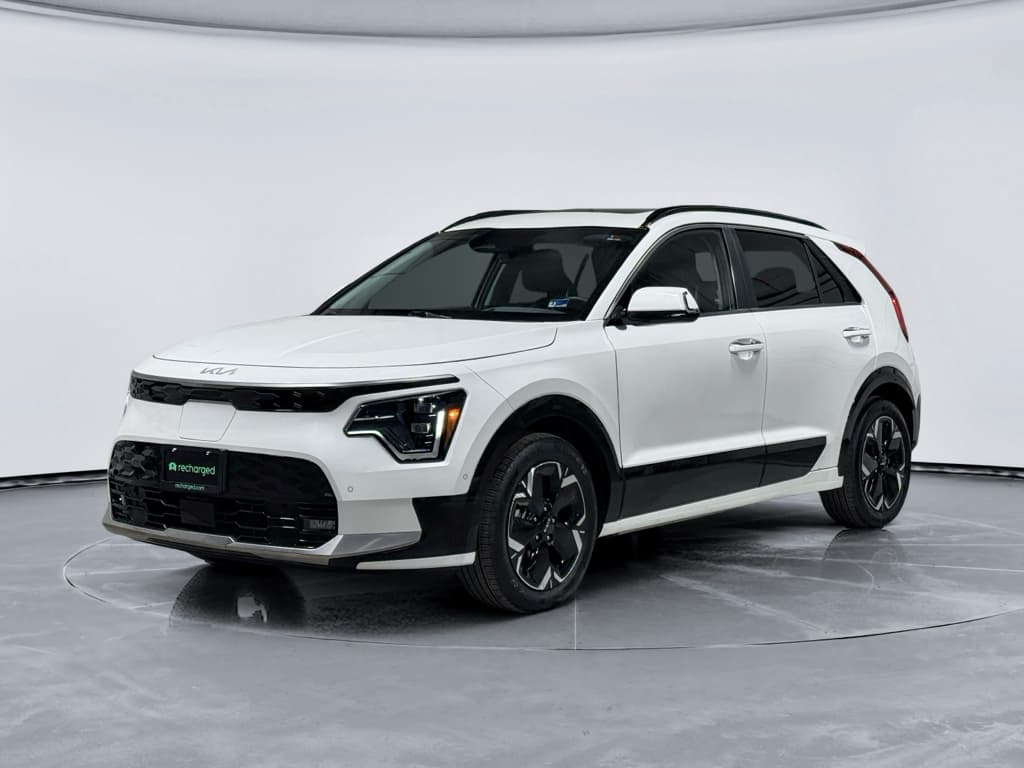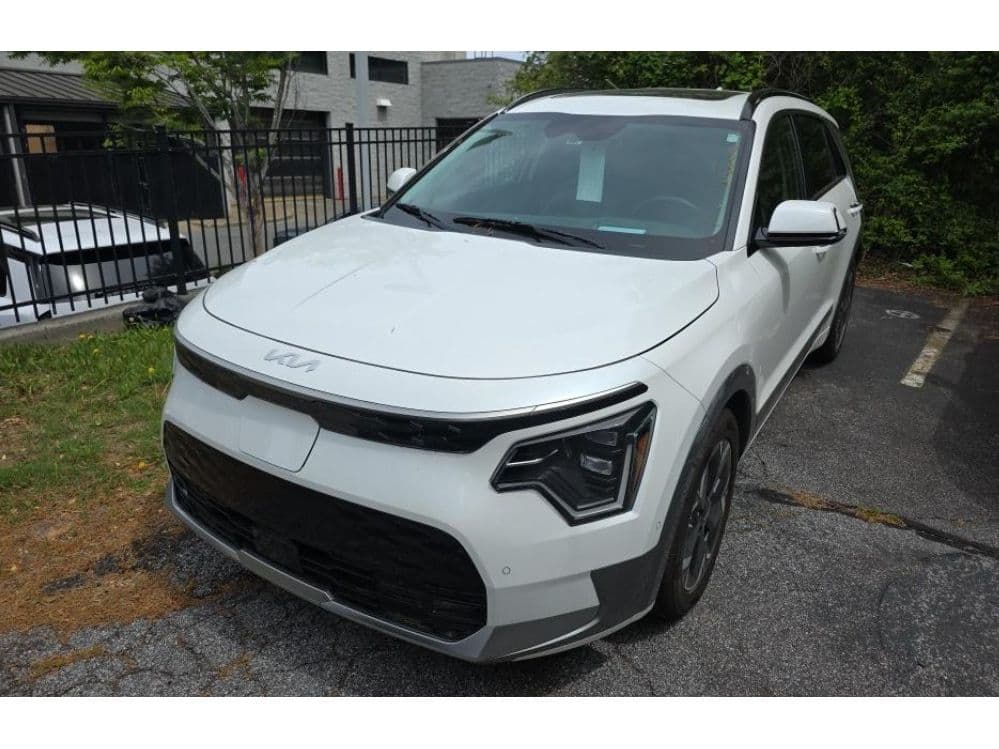
You’re not imagining it: if you type “sell my Kia Niro EV” into any valuation tool in 2026, the numbers can look downright rude. The Niro EV has been a victim of the used‑EV price reset: new‑EV discounts, tax‑credit changes, and rapid tech updates have pushed values down faster than many owners expected. The good news? If you approach the sale strategically, you can still walk away with thousands more than the first offer you see.
The Niro EV’s weird resale story
Why Selling Your Kia Niro EV Feels Tricky Right Now
Over the past few years, used EV prices spiked, then fell back to earth. Fleet sell‑offs, price cuts on new models, and generous tax incentives turned late‑model EVs, especially non‑Teslas, into the discount rack of the car market. The Kia Niro EV got hit especially hard because it doesn’t have the brand sizzle of a Tesla and it competes in a crowded compact crossover segment.
Kia Niro EV Depreciation at a Glance
Reality check
Is Now a Good Time to Sell My Kia Niro EV?
Key Timing Factors When Selling a Niro EV
Market seasonality matters more than you think
Season & weather
Spring and early summer are prime EV‑shopping months. Longer days and better weather make range feel less intimidating, and tax refunds hit bank accounts.
Model year & age
The sharpest depreciation hit is usually in the first 2–3 years. If you’re already past that, waiting another year might not hurt your value much, but more miles will.
New EV incentives
When new‑EV tax credits or heavy discounts appear, they drag used prices down. If you see aggressive incentives on new Niro EVs at your local dealers, expect more resistance from buyers and lower trade offers.
Quick gut check
What Is My Kia Niro EV Worth Today?
Pricing a Niro EV is equal parts math and psychology. The math comes from data, recent sales, mileage, trim, battery health. The psychology is how you position your particular car against a glut of other used EVs. Start with a realistic range, not a fantasy number, and work backwards from there.
What Drives Your Kia Niro EV’s Resale Value?
Use this to sanity‑check valuation tools and dealer offers.
| Factor | Hurts Value | Helps Value |
|---|---|---|
| Age & model year | Less than 2 years old (early‑cycle depreciation still steep) | 3–6 years old with solid service history |
| Mileage | Over 70,000 miles with no records | 20,000–45,000 miles, consistent annual use |
| Battery & charging | Unknown battery health, frequent DC fast charging only | Documented battery health, mostly home Level 2 charging |
| Trim & options | Base trim with few safety features | Well‑equipped Wind/Wave or similar with driver‑assist tech |
| Cosmetics | Noticeable curb rash, interior wear, smoker car | Clean paint, tidy interior, fresh tires or brakes |
| Title & history | Accidents, branded title, frequent ownership changes | One‑owner, clean history, comprehensive service records |
If three or more of these cells are in the right column for your car, you’re in better‑than‑average shape.
Why online estimates disagree
Three Main Ways to Sell a Kia Niro EV
1. Trade-in at a dealer
- Pros: Fast, minimal hassle, useful if you’re buying another car the same day.
- Cons: Usually the lowest number, especially for EVs the dealer doesn’t understand or want to retail.
2. Instant cash offer / EV marketplace
- Pros: Online quotes, quick funding, no strangers at your house.
- Cons: Offers can be conservative; condition or battery surprises may lower the final check.
3. Private sale
- Pros: Often $1,000–$3,000 more than trade‑in for a clean Niro EV.
- Cons: Takes time; you’re photographer, copywriter, tour guide, and scam filter in one person.
Where Recharged fits in
Ready to find your next EV?
Browse Vehicles
Step-by-Step: How to Sell Your Kia Niro EV Privately
Private Sale Checklist for Kia Niro EV Owners
1. Gather your documents
Collect the title (or loan payoff info), registration, driver’s license, bill‑of‑sale template, and all service records. For an EV, charging receipts or logs and any recall documentation are a plus.
2. Get a battery health snapshot
Battery health is the beating heart of EV value. Use your Niro EV’s onboard data and, if possible, a third‑party diagnostic like the <strong>Recharged Score</strong> to show remaining capacity and charging behavior.
3. Fix cheap, obvious issues
Detail the car professionally, touch up curb rash if practical, replace burnt‑out bulbs and wiper blades. A few hundred dollars in cleanup can justify a higher asking price and speed up the sale.
4. Photograph like you’re selling a house
Shoot in soft daylight, not harsh noon sun. Capture a full walkaround, interior, cargo area, wheels, tires, close‑ups of wear, the charge port, and the main infotainment screens with range and odometer visible.
5. Write an honest, EV‑savvy listing
Lead with the facts: year, trim, mileage, key options, battery‑health info, home‑charging habits, and any remaining warranty. Call out extras like winter tires, charging cables, or roof racks.
6. Screen buyers and structure payment safely
Use phone or video chat before meeting. Ride along on test drives. For payment, prefer bank‑to‑bank wire at a branch, cashier’s check verified at the issuing bank, or an escrow service. Never accept overpayments or odd wire instructions.
Avoid these red flags
How to Get a Strong Trade-In or Instant Offer
If you value time and predictability over squeezing out every last dollar, a trade‑in or instant‑offer sale can make sense. The trick is to stop thinking like a captive customer and start behaving like a wholesaler with options.
Trade-In Tactics That Actually Move the Number
You can’t rewrite the market, but you can tighten the spread.
Show them your homework
Walk in with printed valuations from at least two online tools plus recent local listings for comparable Niro EVs. When the used‑car manager knows you understand the market, lowballing gets more expensive.
Separate the deal from the car
Negotiate your new‑car price and your Niro EV’s value as two different conversations. Dealers love to blur them together so you feel good about one while they quietly claw back profit on the other.
Highlight the EV‑specific wins
Dealers may not know the Niro EV well. Bring records showing mostly home Level 2 charging, few DC fast‑charge sessions, and any battery‑related service. A clean EV story can make your car easier for them to sell.
Get competing offers in writing
Before you visit a dealer, get instant offers from at least one EV‑focused marketplace. Even if you don’t take them, a written offer becomes leverage: “If you can match or beat this, I’ll sign today.”
Use Recharged as a benchmark
Boosting Buyer Confidence With Battery Health
In a used EV sale, battery health is the bogeyman. Gas‑car buyers worry about transmissions and head gaskets; EV buyers worry about capacity and range loss. If you want top‑of‑market money for your Niro EV, you have to drag that conversation into the light and make it boring, in a good way.
What private buyers quietly fear
- “Will this Niro still hit the advertised range on the highway?”
- “Did the last owner abuse fast charging?”
- “Am I buying a car that needs a $10k battery in three years?”
Proof that calms them down
- Screen photos of state‑of‑charge and estimated range at different percentages.
- Service records showing any high‑voltage work or battery checks.
- A third‑party battery‑health report like the Recharged Score included in your listing.
How Recharged’s battery report helps you sell
Common Mistakes When Selling a Kia Niro EV
- Pricing it like a gas Niro or RAV4 Hybrid. EVs, especially non‑Teslas, follow a steeper, weirder depreciation curve. Start from real EV comps, not crossover folklore.
- Ignoring cosmetic dings because “it’s just an appliance.” In a crowded used‑EV market, clean paint and wheels are how buyers choose between ten nearly identical listings.
- Hiding range quirks. If your Niro EV loses more range in winter or at highway speeds than buyers expect, explain it upfront. Surprises on test drives kill deals and invite lowball renegotiation.
- Letting the first offer set the narrative. A shockingly low trade‑in number doesn’t mean that’s what your car is “worth.” It means that’s what it’s worth to that buyer in that channel.
- Skipping EV‑specific marketing. A generic used‑car ad won’t cut it. Mention charging habits, typical commute, home‑charging setup, and what kind of real‑world range you’ve seen.
Don’t forget software & subscriptions
FAQ: Selling a Kia Niro EV
Frequently Asked Questions About Selling Your Kia Niro EV
Should I Sell My Kia Niro EV or Keep It?
If you’re staring at offers for your Niro EV and feeling personally insulted, that’s understandable. The market moved under your feet. But the real question isn’t whether the car has “held its value” in a textbook sense; it’s whether selling it now moves your life forward, into a bigger EV, a plug‑in SUV for the family, or maybe a cheaper commuter that frees up cash for other things.
Approach the sale like a pro: know the depreciation story, be transparent about battery health, and treat the first offer as a data point, not a verdict. If you want to maximize every last dollar and don’t mind some legwork, a carefully staged private sale will reward you. If you’d rather hand the keys and the headache to someone else, leaning on an EV‑focused partner like Recharged can give you most of the upside of a private sale with the simplicity of a trade‑in. Either way, you, and your Niro EV, deserve better than a lazy lowball and a shrug.