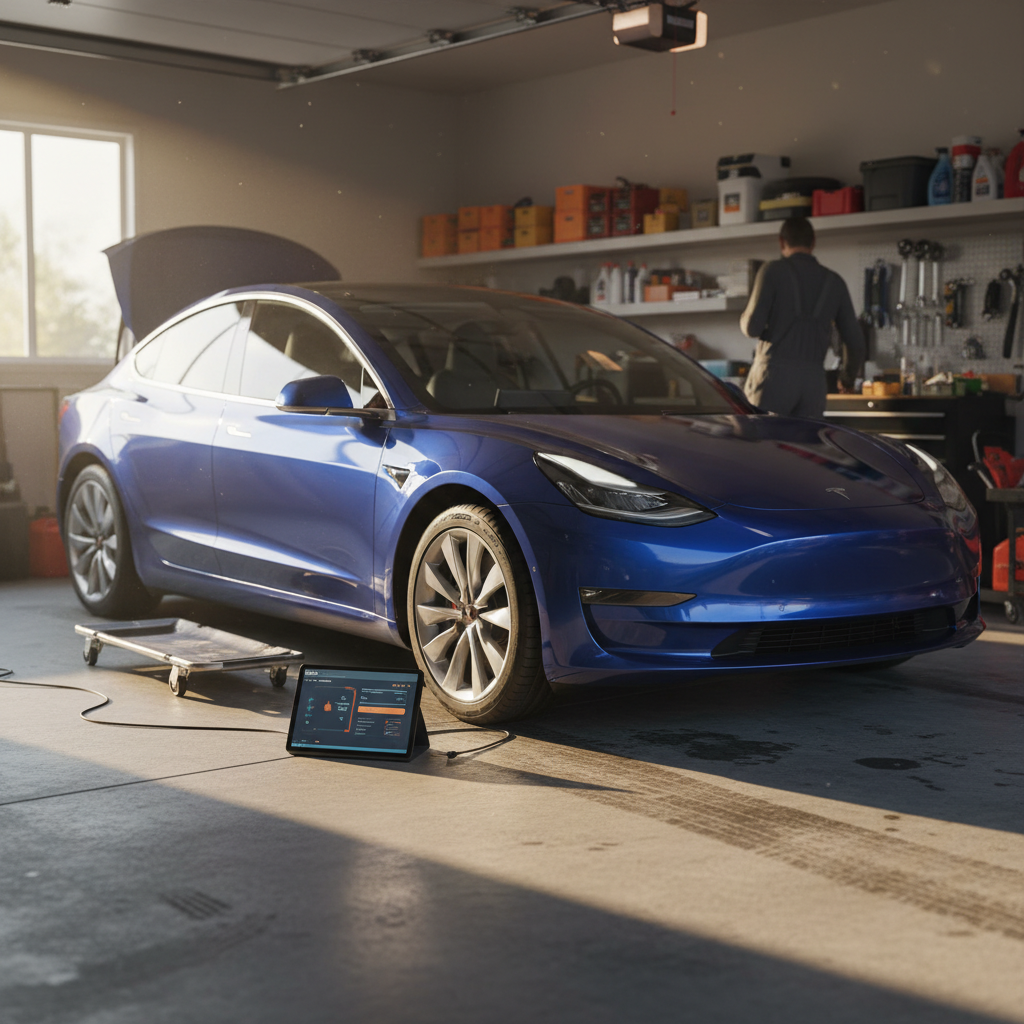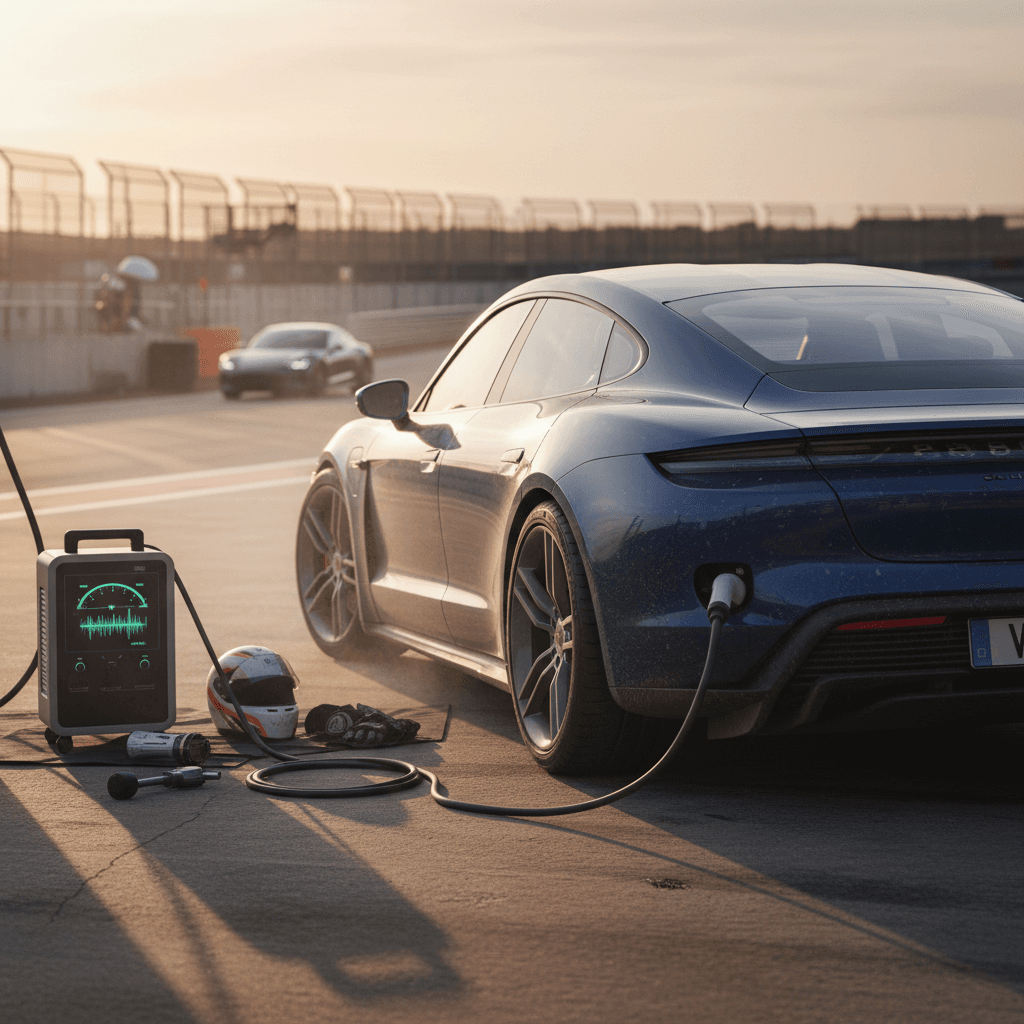
Taking your electric car to a track day is one of the best ways to explore its performance safely. But EVs behave differently from gas cars when they’re driven hard, so you need a plan. These electric car track day tips will help you prepare your vehicle, manage battery and brake temperatures, and get the most fun out of the day without abusing your EV.
Good news for EV drivers
Why electric cars make great track day tools
If you’re used to traditional track days, you might wonder whether EVs belong there at all. In reality, today’s electric cars are often quicker from 0–60 mph than comparable gas cars, and their low-mounted battery packs create a planted feel in corners. That makes them ideal for learning proper driving technique, especially for beginners.
The upsides of tracking an electric car
Know what your EV does well before focusing on its limitations
Instant torque
EVs deliver peak torque from zero rpm, so throttle response is immediate. That makes it easier to feel what the car is doing as you exit a corner.
Low center of gravity
The heavy battery pack sits low in the chassis, reducing body roll and improving stability in quick transitions.
Built-in safety electronics
Modern EVs have sophisticated traction, stability, and thermal management systems that can step in when grip or temperatures become marginal.
But weight is the trade-off
Check that your EV and the track are compatible
Before you sign up, verify that the organizer and track actually allow electric cars. A few circuits, especially smaller independent venues, still restrict or ban EVs on open track days because they don’t yet have EV-specific fire and recovery equipment. If you show up and learn that EVs aren’t permitted, your day is over before it starts.
Pre-booking checklist for EV-friendly track days
1. Confirm EV eligibility
Check the event description and, if it’s not crystal clear, email or call the organizer. Ask specifically whether battery-electric vehicles are allowed in your run group.
2. Ask about EV safety provisions
Find out whether the track or organizer has protocols and equipment for EV incidents. You’re unlikely to need them, but you want them to exist.
3. Review sound and speed rules
EVs are quiet, so sound limits are rarely an issue, but some clubs have different speed or passing rules for high-torque cars. Make sure you understand any EV-specific rules.
4. Clarify charging access on-site
Ask whether the facility has Level 2 or DC fast chargers, where they are, and whether they’re available during the event. If not, locate nearby public chargers for top-ups.
Consider a coaching-focused event
Pre-track tech checklist for your electric car
Every reputable track day includes some form of technical inspection, and your EV should pass with margin. You don’t need race parts, but you do need a car that’s mechanically sound. Think of this as the same checklist you’d use for a long highway trip, then add a performance twist.
Basic EV tech inspection for track days
Use this as a starting point. Always follow your event’s official tech form.
| System | What to Check | What You Want to See |
|---|---|---|
| Tires | Tread depth, age, no sidewall bubbles or cords showing | At least 4⁄32" tread for street tires, even wear, no visible damage |
| Wheels | Cracks, bends, missing center caps or weights | Straight wheels, properly balanced, no damaged lug seats |
| Lug nuts/bolts | Torque and condition | All present, torqued to factory spec with a proper torque wrench |
| Brakes | Pad thickness, rotor condition, pedal feel | At least 50% pad life, no deep rotor grooves or cracks, firm pedal |
| Fluids | Coolant, brake fluid, windshield washer | No leaks, recent brake fluid flush (preferably high-temperature DOT 4) |
| Suspension | Leaks, loose components, bushings | No obvious play when shaking wheels, no leaking shocks |
| Interior | Loose items, floor mats, charging cables | Cabin completely cleared; remove floor mats and any items that could move |
| Software | Latest updates, track or sport modes | All relevant updates applied, performance/track settings tested on the street |
If anything here worries you, have a professional shop inspect the car before your track day.
Do not skimp on brakes
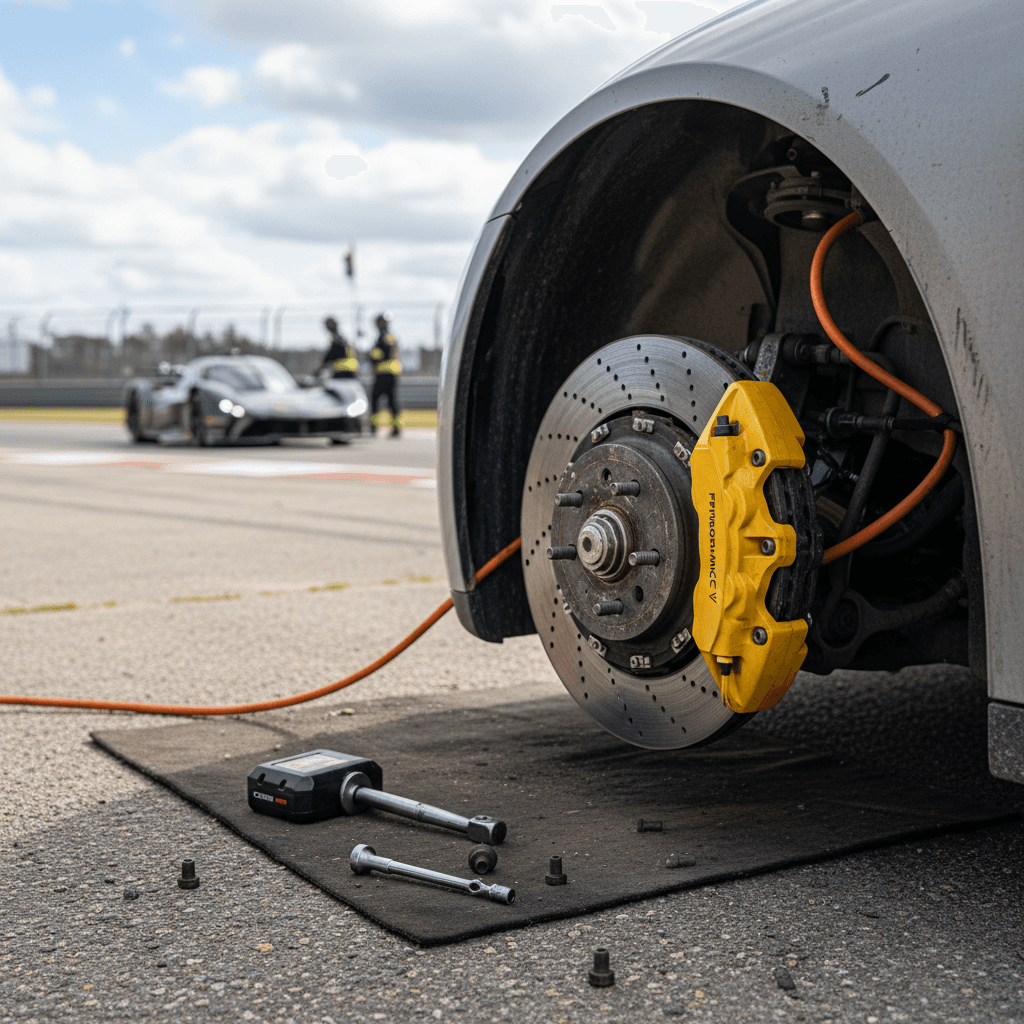
Battery strategy: electric car track day tips to protect range and health
Your traction battery is the most expensive component in the car. The good news is that occasional track days, done thoughtfully, aren’t likely to ruin it. The key is avoiding extremes, extreme temperatures and extreme state of charge, for long periods.
- Start your first session between about 70–90% state of charge (SoC), not at 100%. Many EVs limit power near full charge to protect the pack, which can blunt performance.
- Try to end most sessions with 20–40% SoC. That leaves room for regenerative braking and fast charging without stressing the battery.
- Avoid repeatedly fast-charging from very low to very high SoC. If you’re using DC fast chargers at the track or nearby, unplug around 70–80% for the best balance of speed and battery comfort.
- Park in the shade or a garage if possible; batteries dislike spending hours at high temperature while also sitting at a high state of charge.
Use your car’s charging limits
Managing heat: brakes, tires, and battery
Any track day is really an exercise in heat management. In an EV, you’re watching three main things: tire temperature, brake temperature, and battery temperature. Fortunately, your car’s electronics do a lot of the battery management for you, but you still need to listen to what the car is telling you.
How heat changes your EV’s behavior
Tire and brake temperature
Heavy EVs lean hard on their tires and brakes. If you feel the pedal getting longer, smell burning pads, or notice the car pushing wide in corners, that’s heat talking.
- Build pace gradually over several laps instead of going flat-out immediately.
- Use one or two cool-down laps at a reduced pace before you come into the pits.
- Never set the parking brake immediately after a hot session; use Park and let components cool.
Battery and motor temperature
Most EVs will reduce power when battery or inverter temperatures climb. You may see a warning message or simply feel the car stop pulling as hard.
- If you experience repeated power limiting, shorten your sessions and lengthen cool-down periods.
- Open the hood in the paddock (if safe) to help heat escape, and avoid fast-charging until temperatures drop.
- Monitor any available temperature or power-limit indicators in your car’s display.
Mind your brake fluid
On-track driving technique for EVs
Driving an EV quickly is more about smoothness than drama. You don’t have to chase high rpm or shift points, but you do need to think about how and when you use the battery’s torque and your friction brakes. Simple changes in technique will help you go faster, stay safer, and keep your car happier.
Core EV driving techniques for track days
Smooth inputs preserve tires, brakes, and battery while making you faster
Smooth throttle application
Roll into the accelerator on corner exit instead of stabbing it. This keeps the rear tires hooked up and reduces energy spikes that heat the battery.
Consistent braking points
Pick clear braking reference points and brake firmly but progressively. Avoid dragging the brakes for long distances, which overheats pads and rotors.
Use regen intelligently
Experiment with different regeneration settings. Some drivers prefer higher regen for one-pedal modulation; others prefer lower regen and more predictable friction braking on track.
- Look far down the track. The faster you go, the farther ahead your eyes should be. This gives you more time to react and keeps your steering smoother.
- Build speed slowly. Use your first few sessions to learn lines and reference points before worrying about lap times.
- Leave passing to the straights. Use point-bys where required, and don’t surprise other drivers with late dives into corners.
- Respect flags and instructors. If you’re sent to the pits for a chat, it’s about safety, not criticism.
Give yourself permission to be a student
Planning your charging between sessions
Charging logistics will shape your entire EV track day. Unlike a gas car, you can’t simply top off in five minutes and head back out. A little planning goes a long way toward keeping you on track instead of sitting at a charger.
Build a simple track-day charging strategy
Map chargers before you go
Use apps from major networks plus your vehicle’s navigation to map Level 2 and DC fast chargers at or near the circuit. Confirm hours and access rules, especially if the paddock chargers are tied to a separate billing system.
Prefer Level 2 during the day
Whenever possible, use Level 2 charging between sessions. It’s easier on the battery and usually gives you enough energy if you manage your pace and session length.
Use DC fast charging sparingly
If you must DC fast charge, try shorter, mid-range sessions, say 20–60% or 30–70%, instead of running from nearly empty to nearly full. This keeps charging power high and battery stress lower.
Plan your last session backward
Decide how many sessions you want to run and what minimum SoC you’re comfortable with for the drive home. Then work backward to decide when to stop chasing lap times and start thinking about range.
Track day plus road trip?
Safety gear and track-day etiquette
Electric or not, you and everyone around you are moving at highway speeds with limited runoff. Basic safety gear and good manners are non-negotiable. Most organizations will spell out their requirements in detail, but a simple checklist will cover the basics for a beginner.
Personal safety and etiquette essentials
Helmet and clothing
Use a motorsports-rated helmet that meets the event’s current standard and wear long pants plus closed-toe shoes. Some groups require long-sleeve shirts, so pack one even if you don’t expect to need it.
Secure seating and belts
Make sure your seat adjustments and seat belts work perfectly. If your car has harnesses or aftermarket seats, they must be installed correctly and not interfere with airbags.
No loose items anywhere
Empty door pockets, center console, trunk, and frunk. Remove floor mats. Anything that can fly around the cabin can become a projectile in hard braking or a spin.
Respect run group rules
Beginner groups typically use point-by passing in designated zones. Learn the rules during the drivers’ meeting and follow them to the letter.
Cool-head rule
If you feel frustrated or start driving emotionally, come into the pits. Taking a lap off is always cheaper than testing the barriers.
Absolutely no charging cables on hot surfaces
Owning a used EV and doing track days
If you’re driving a used EV, a track day can be even more rewarding, you’re exploring the car’s potential while someone else already paid for most of the depreciation. But you also want to understand the condition of the battery and brakes going in, and how a day of hard use might affect them.
Know your starting point
A high-quality battery health report lets you see where you’re starting from. At Recharged, every used EV comes with a Recharged Score that includes verified battery health and diagnostic data, so you know exactly how much capacity the pack is holding before you ever sign up for a track day.
That insight lets you plan range and charging more realistically, and decide whether a particular car is a good candidate for occasional performance driving.
Be honest about your usage pattern
Occasional, well-managed track days are unlikely to be a major factor in long-term degradation compared with daily fast charging or constant high-SoC storage. But if you plan to track often, budget for more frequent brake service and tire replacement, and pay extra attention to how the car’s range and performance feel over time.
If you’re shopping for a used EV specifically to enjoy back roads and the occasional track event, platforms like Recharged can help you compare battery health, pricing, and ownership costs across models before you buy.
Electric car track day FAQ
Common questions about EV track days
Key takeaways for your first EV track day
- Confirm that the track and organizer explicitly allow EVs and have basic EV safety provisions.
- Give your car a thorough tech inspection, paying special attention to tires, brakes, and brake fluid.
- Plan a battery strategy that keeps you between roughly 20–90% state of charge and avoids repeated deep fast-charge cycles.
- Treat heat management, of tires, brakes, and battery, as your main job on track.
- Drive smoothly, build pace gradually, and remember that this is a learning event, not a race.
- If you’re in a used EV, start with a clear picture of battery health so you know what to expect from range and performance.
With some preparation and the right expectations, an electric car track day can be one of the most rewarding driving experiences you’ll have. And if you’re still shopping for the right EV to enjoy both daily driving and occasional track fun, Recharged can help you compare used EVs, understand battery health through the Recharged Score, and choose a car that fits your budget and your driving ambitions.