If you’re considering an EV, one of the first questions you’ll have is, “What will my electric car maintenance cost per year?” The short answer: typically far less than a comparable gas car, but more than “zero,” especially once you factor in tires and occasional repairs. Let’s break down realistic yearly numbers so you can budget with confidence, whether you’re eyeing a new EV or a used one.
Key takeaway in 30 seconds
How much do electric cars cost to maintain per year?
Typical annual maintenance costs (2025–2026 data)
Most recent cost-of-ownership analyses put gas-car maintenance at roughly $350–$700 per year in routine service, oil changes, filters, transmission fluid, spark plugs, and the like. By contrast, a mainstream EV typically sees $100–$200 per year in scheduled maintenance, largely because there’s simply less to service.
When you include tires, often $600–$800 for a full set every 40,000–50,000 miles, your realistic all‑in electric car maintenance cost per year (service plus tires, but not electricity or insurance) usually falls in this range:
- Mainstream compact or midsize EV (Leaf, Bolt, Model 3, IONIQ 5, etc.): $300–$600 per year on average
- Larger SUV or premium EV (Model Y, Mustang Mach‑E, Audi Q4 e‑tron, etc.): $400–$700 per year
- High‑performance or heavy EV (Hummer EV, Taycan, e‑tron GT): often $800+ per year, and in some cases over $1,200, driven mostly by pricey tires and repairs
Budgeting tip
Why electric car maintenance costs are usually lower
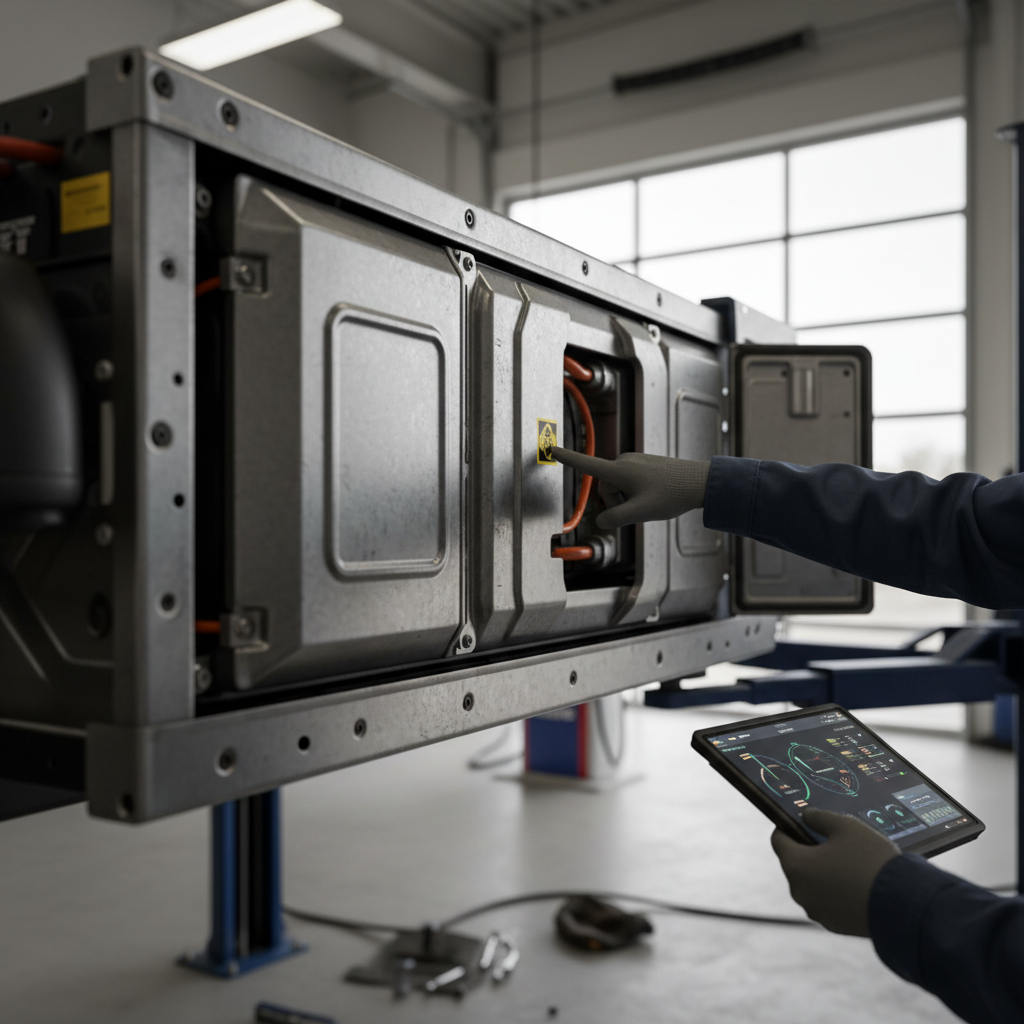
The core reason EVs are cheaper to maintain is mechanical simplicity. A typical gasoline vehicle has hundreds of moving parts in the engine and transmission alone. An EV has a battery pack, one or two electric motors, and a single‑speed reduction gear. That dramatically cuts down on things that can wear out or require regular service.
What EVs don’t need vs. what gas cars do
Fewer moving parts, fewer scheduled services
Gas car maintenance you skip with an EV
- Oil changes every 5,000–7,500 miles
- Spark plugs & ignition parts
- Timing belts/chains and related hardware
- Exhaust components (mufflers, catalytic converters, O2 sensors)
- Complex transmissions and transmission fluid service
- Regular engine tune‑ups
What EVs still need
- Tire rotations and eventual replacement
- Brake fluid and occasional brake service
- Cabin air filter and wiper blades
- Coolant service for the battery/drive unit (at long intervals)
- Alignment checks, suspension, and wheel bearings over time
Fewer moving parts, fewer bills
What regular maintenance do electric cars actually need?
Every automaker publishes a service schedule, but once you strip away the items EVs don’t have, the recurring list gets surprisingly short. Here’s what most drivers can expect over a typical year of ownership.
Common electric car maintenance items and typical costs
Approximate U.S. pricing at independent shops or dealers in 2025–2026. Numbers will vary by region and brand, but this gives a realistic budgeting baseline.
| Item | Typical Interval | Typical Cost (Parts+Labor) | Annualized Cost |
|---|---|---|---|
| Tire rotation | 7,500–10,000 miles | $40–$80 | $40–$80 |
| Cabin air filter | Every 1–2 years | $60–$150 | $30–$75 |
| Brake fluid flush | Every 3–5 years | $120–$200 | $25–$65 |
| General inspection | Yearly | Often included, or $75–$150 | $75–$150 |
| Coolant service (battery/drive unit) | Every 8–10 years | $300–$600 | $30–$60 |
These are routine maintenance items, unexpected repairs are covered in a later section.
Add those together and most mainstream EV drivers land around $150–$300 per year in routine service when averaged over time. That’s before we talk about tires, which deserve their own line in your budget.
Check the owner’s manual first
Tire costs: your biggest yearly EV expense

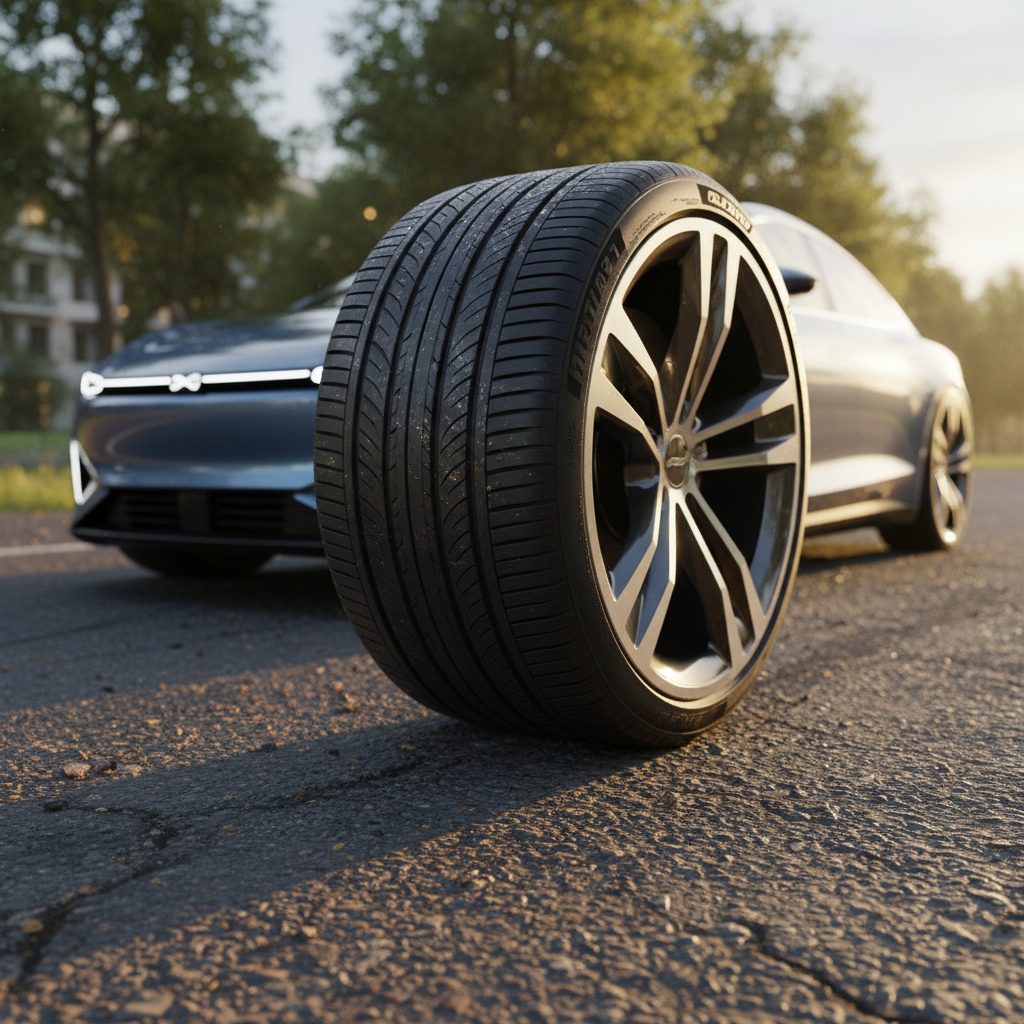
Regardless of what powers your car, four contact patches keep you on the road. EVs don’t eliminate tire costs, and in some cases they increase them. Heavier curb weights and instant torque can wear tires faster, especially on powerful crossovers and performance models.
- A quality set of EV‑rated tires typically runs $600–$800 installed for mainstream models; performance EVs can easily top $1,000.
- Most drivers replace tires about every 40,000–50,000 miles, or roughly every 3–4 years at 12,000–15,000 miles per year.
- Spread over time, that’s $150–$300 per year in tire costs for mainstream EVs, and more for heavy or high‑performance vehicles.
Don’t skimp on EV tires
Brakes, fluids, and other wear items
Regenerative braking is one of the unsung heroes of EV maintenance. Because the electric motor does much of the slowing, the friction brakes simply don’t work as hard as they do on a gas car. That can triple pad life and significantly reduce yearly costs.
Brake wear in EVs
- Many EV owners see 75,000–100,000 miles or more from the original brake pads.
- On a typical gas car, front pads might last 30,000–40,000 miles.
- When pads and rotors finally do need replacement, expect $300–$800 depending on model and shop.
- Spread over years of ownership, that might be only $50–$100 per year in brake costs for the average EV driver.
Other consumables & fluids
- Brake fluid absorbs moisture over time and should be replaced every few years.
- Coolant for the battery and power electronics is long‑life, with very long service intervals.
- Wiper blades, bulbs, and alignment checks cost about the same as on any other car.
- None of these are EV‑specific “gotchas”, they’re just part of normal car ownership.
Good news for city drivers
Unexpected repairs and battery concerns
Routine maintenance is predictable; unexpected repairs are where budgets get blown. EVs tend to need fewer unplanned shop visits than gas cars, but repairs, especially for luxury EVs, can be expensive when they do occur.
- Electronics issues (sensors, infotainment, charge ports) can run a few hundred dollars.
- Out‑of‑warranty suspension or steering work is similar to gas cars, often $400–$1,000 for major jobs.
- Bodywork and glass are essentially the same as any modern vehicle.
- Battery packs are designed to last the life of the car, and are covered by separate warranties (often 8 years / 100,000 miles or more). Full pack replacements are rare but can cost well into the five figures if needed out of warranty.
Don’t budget a battery pack every 5 years
Annual maintenance costs: new vs. used EVs
New EVs often cost the least to maintain per year because they’re under bumper‑to‑bumper warranty and haven’t hit major wear milestones yet. Used EVs can be just as inexpensive, sometimes more so, because depreciation has already done its work, but condition matters a lot more.
Typical annual maintenance costs: new vs. used EVs
Approximate averages for mainstream models, not including insurance or electricity.
| Vehicle Type | Warranty Status | Routine Service (avg/yr) | Tires (avg/yr) | Repairs (avg/yr) | Total Estimated/yr |
|---|---|---|---|---|---|
| New EV (0–3 years) | Full warranty | $150–$250 | $150–$250 | $0–$100 | $300–$600 |
| Used EV (3–8 years) | Powertrain/battery warranty | $150–$300 | $150–$300 | $100–$250 | $400–$850 |
| Older EV (8+ years) | Out of warranty | $150–$300 | $150–$300 | $200–$600+ | $500–$1,200+ |
Actual costs depend on driving style, climate, and how the previous owner treated the car.
Used EV buyers: focus on history
How EV maintenance costs compare to gas cars
When you zoom out beyond one repair bill, the pattern is clear: EVs generally cost substantially less to maintain than comparable gas cars, even if they can be pricier to insure. Recent analyses routinely show annual maintenance savings of 30–50% for EV drivers, and that’s before you add fuel savings from cheaper electricity.
Where EVs save you money vs. gas cars
1. No oil, plugs, or exhaust
EVs eliminate recurring service items like oil changes, spark plug replacements, and exhaust system repairs that easily add hundreds of dollars per year to gas ownership.
2. Fewer major services
Forget about transmission flushes, timing belt replacements, or complex engine tune‑ups. Those big‑ticket services simply don’t exist on a typical EV.
3. Longer brake life
Regenerative braking means pads and rotors can last two to three times longer, turning what used to be a regular expense into a once‑in‑a‑decade event for many drivers.
4. Similar tire costs
Tires are a wash between EVs and gas cars at the mainstream level, though high‑power EVs may go through pricey rubber faster if driven hard.
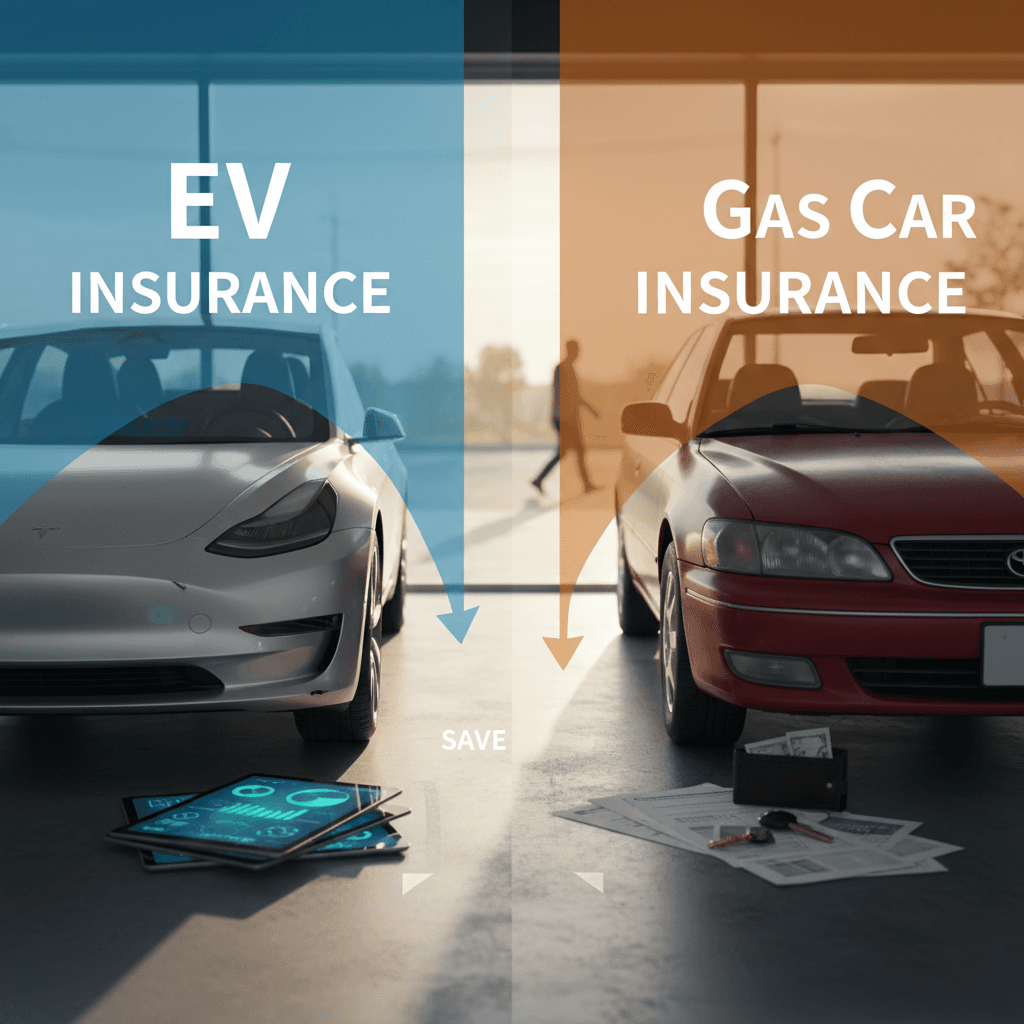
On the flip side, insurance and some collision repairs can be higher for EVs because of specialized parts and bodywork. The key is to look at the whole cost picture, maintenance, energy, insurance, and depreciation, over at least five years. On that score, especially for drivers who can charge at home, EVs often come out ahead.
Ways to lower your electric car maintenance cost per year
You can’t avoid every bill, but you can keep your annual EV maintenance costs firmly on the low side of the ranges we’ve been discussing with a few smart habits.
Practical ways to keep EV maintenance costs down
Small habits that add up over years of ownership
Drive smoothly
Rotate and align
Use the app and alerts
Owner actions that reduce yearly EV costs
Schedule an annual inspection
Even if your EV doesn’t demand it, a once‑a‑year checkup catches small issues, like a torn CV‑boot or uneven tire wear, before they become four‑figure repairs.
Protect the battery
Avoid leaving the car at 0% or 100% for long stretches, and use DC fast charging only when you need it. Gentle charging habits promote battery longevity, which protects long‑term value.
Keep software up to date
Over‑the‑air updates can improve efficiency, refine charging behavior, and fix bugs. Staying current can literally make your car run better and reduce diagnostic visits.
Choose the right tire
When it’s time to replace rubber, pick a reputable brand with an EV‑appropriate load rating and treadwear warranty. The right tire can save you money every mile you drive.
How Recharged helps you manage used EV maintenance costs
If you’re shopping the used market, you don’t just care what an EV costs today, you care what it will cost you every year you own it. That’s exactly where Recharged focuses its energy.
Transparent battery and health data
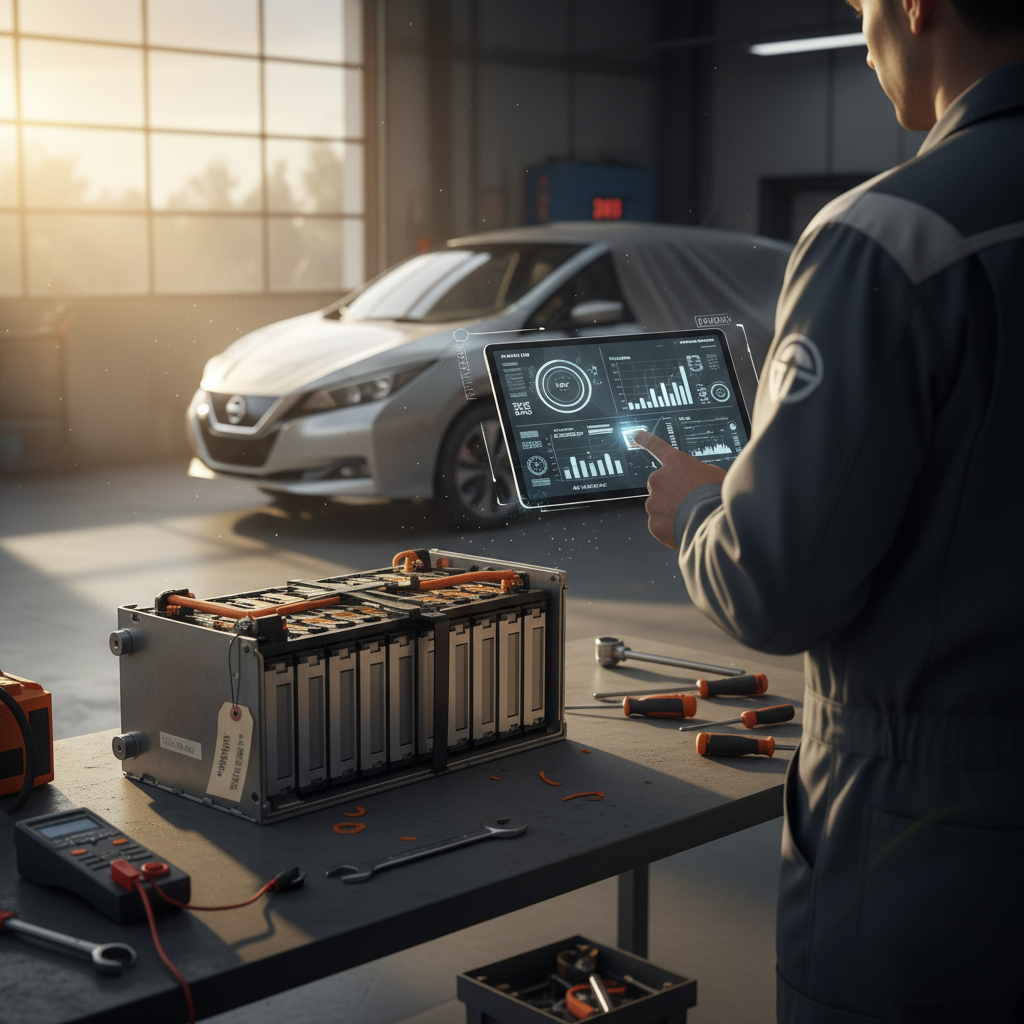
Every vehicle on Recharged comes with a Recharged Score Report that includes verified battery health and diagnostic information. That lets you quickly see how much useful life the pack has left and avoid cars that might need expensive work sooner than you’d like.
We also highlight tire condition and recent maintenance, so you know whether you’re likely to face a $700 tire bill next month or several years from now.
End‑to‑end EV specialist support
Recharged offers EV‑specialist guidance through the entire process, from picking the right model for your driving pattern to understanding realistic annual maintenance and charging costs.
We can also help you trade in your current vehicle, arrange financing, and handle nationwide delivery, all through a fully digital experience or at our Experience Center in Richmond, VA.
Why this matters for your annual budget
FAQ: electric car maintenance cost per year
Frequently asked questions about yearly EV maintenance costs
Bottom line: what to budget for EV maintenance
If you’re used to paying for oil changes, belts, and transmission service, the electric car maintenance cost per year can feel almost too good to be true. For most mainstream EVs, planning on $300–$600 per year for maintenance, including tires, will put you in the right neighborhood, with luxury and heavy performance models landing higher.
The real trick isn’t chasing a mythical “zero‑maintenance” car; it’s buying the right EV and taking care of it with simple, predictable service. That’s where a used EV backed by transparent battery data and expert guidance can shine. If you’re ready to explore options, Recharged can help you compare models, understand long‑term costs, and find a used EV that keeps both your fuel and maintenance budgets firmly under control.