If you’re looking at an Audi Q8 e-tron, or already own one, the big question is simple: what happens if the battery has a problem? The Audi Q8 e-tron battery warranty details matter a lot, especially as more of these luxury SUVs enter the used market. Let’s break down what 8 years/100,000 miles really means, what’s covered, what isn’t, and how to protect yourself when you’re buying used.
Quick battery warranty snapshot
Overview: Q8 e-tron battery warranty at a glance
Audi Q8 e-tron warranty numbers
Audi’s warranty terms for the Q8 e-tron line up with what you see from most luxury EV brands. New vehicles get a standard 4‑year/50,000‑mile limited warranty that covers the car as a whole, plus a separate high‑voltage battery warranty that stretches to 8 years/100,000 miles for the traction battery pack. That longer coverage is there because the battery is the single most expensive component in the vehicle.
Where to find your exact coverage
How long the Audi Q8 e-tron battery warranty lasts
For U.S.-spec Audi Q8 e-tron models, you’re generally looking at two overlapping warranties:
- New-vehicle limited warranty: 4 years or 50,000 miles from the in‑service date (when the car was first sold or leased). This covers most components, including electric drivetrain hardware, climate control, interior electronics, and more.
- High‑voltage battery warranty: 8 years or 100,000 miles from the same in‑service date. This is specific to the traction battery and related defects, and it usually extends well beyond the standard warranty window.
You’ll sometimes see this phrased in dealer listings as “Traction battery warranty – 96 months/100,000 miles.” That’s just another way of spelling out the same 8‑year/100k‑mile coverage window you’ll see in Audi’s own materials.
The clock starts at first sale, not when you buy used
What the Q8 e-tron battery warranty actually covers
The high‑voltage battery warranty is designed to protect you against defects in materials or workmanship on the pack and, in many cases, against excessive loss of usable capacity within the warranty period. It’s not a blanket promise that your range will always match the window sticker, but it does put Audi on the hook if the pack develops abnormal problems.
Covered vs. not covered, in plain English
Use this as a starting point and verify against your owner’s booklet.
Typically covered
- Defective modules or cells that cause the pack to fail or throw persistent fault codes.
- Internal battery wiring or contactors that fail due to manufacturing defects.
- Battery Management System (BMS) faults tied to the pack’s electronics.
- Excessive capacity loss (often below ~70% of original) when documented by an Audi dealer within the warranty window.
Typically not covered
- Normal, gradual capacity loss from age and mileage that stays above the warranty threshold.
- Damage from accidents, flooding, or impacts (that’s an insurance claim, not warranty).
- Improper modifications, including non‑approved tuning or hardware.
- Abuse or neglect, like repeatedly ignoring warning lights or using repair methods Audi doesn’t authorize.
In practice, a failed module, internal short, or BMS fault may trigger a repair or, in some cases, a partial or full pack replacement under warranty. Audi can choose whether to repair individual modules or replace the pack; the decision depends on parts availability, safety, and cost.
Good news for second owners
Capacity guarantees and real-world battery degradation
Modern EV packs rarely fail outright, but they all lose some capacity over time. Audi typically backs Q8 e-tron batteries with language that guarantees the pack will retain at least around 70% of its original usable capacity during the 8‑year/100,000‑mile warranty period, provided it’s been used and maintained according to Audi’s guidelines.
What a 70% capacity floor means
When the Q8 e-tron is new, it uses a large battery pack (roughly 114 kWh gross, around 95 kWh usable) to deliver an EPA‑rated range of up to about 285 miles, depending on trim and body style. Over time, chemistry and usage slowly trim that number.
If Audi sets the warranty floor at ~70% usable capacity, a pack that started with 95 kWh usable would still need to deliver around 66–67 kWh usable to stay within spec. In range terms, you’d expect a roughly similar percentage drop compared with its original EPA rating.
Real‑world degradation so far
Early data from the broader e‑tron family suggests that many owners see single‑digit percentage losses in the first few years, especially when they avoid keeping the car at 100% state of charge and limit frequent DC fast charging.
Individual cars can be outliers, demo vehicles left fully charged for long periods, or cars that live on DC fast chargers, may show higher degradation. That’s where an independent battery health check becomes invaluable when you buy used.
How to slow battery degradation

What isn’t covered: common warranty exclusions
Even with a strong battery warranty, there are plenty of ways to find yourself paying out of pocket. Understanding the fine print helps you avoid surprises, and arguments at the service counter.
- Normal wear and tear: Audi will not replace your pack just because your range has dropped a bit if it’s still above the stated capacity threshold.
- Collision or water damage: If the battery is damaged in a crash, flood, or severe impact, that’s an insurance claim, not a warranty repair.
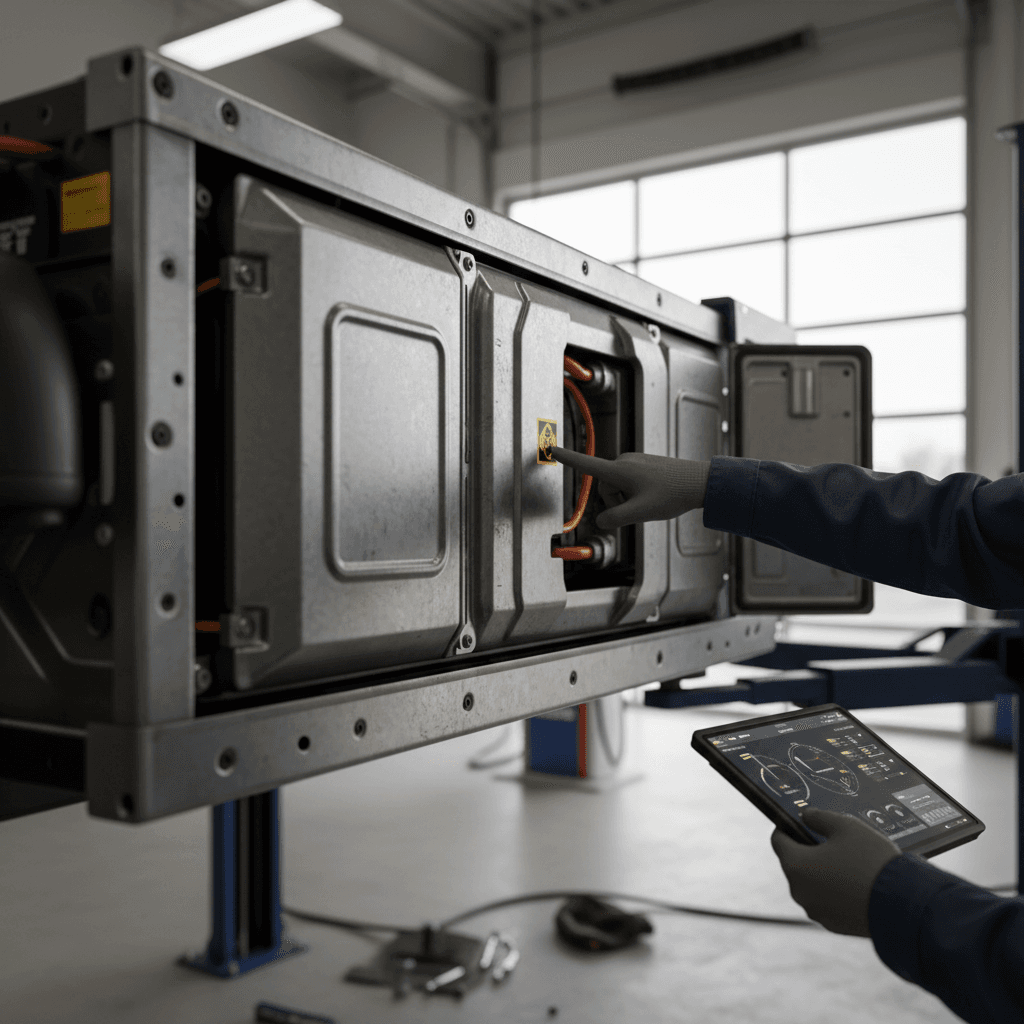
- Unauthorized repairs or modifications: Opening the battery, using non‑Audi parts, or installing unapproved aftermarket hardware can void coverage around the battery system.
- Failure to follow maintenance guidance: Ignoring critical warnings, skipping required inspections, or using the car outside the conditions spelled out in the owner’s manual can give Audi grounds to deny a claim.
- Accessory or charging equipment issues: Problems with non‑Audi home chargers, extension cords, or wiring that damage the vehicle usually aren’t covered by the vehicle warranty.
Don’t DIY high-voltage repairs
New vs. used Q8 e-tron: how the battery warranty works
By 2026, a growing slice of Q8 e-trons on the market are one‑ to three‑year‑old vehicles coming off lease, leaving plenty of battery warranty on the table. That’s great news, if you know how to use it.
How battery warranty plays out for new vs. used buyers
Assumes a hypothetical Q8 e-tron originally sold on June 1, 2024.
| Scenario | When you buy it | Battery warranty end date | Approx. warranty left |
|---|---|---|---|
| Buy new | June 1, 2024 | June 1, 2032 or 100,000 miles | Full 8 years/100,000 miles |
| Buy used at 2 years old | June 1, 2026 | June 1, 2032 or 100,000 miles | ~6 years remaining |
| Buy used at 6 years old | June 1, 2030 | June 1, 2032 or 100,000 miles | ~2 years remaining if under mileage |
| High‑mileage used car | June 1, 2028, with 105,000 miles | Exceeded 100,000 miles | No battery warranty remaining, even though it’s only 4 years old |
Remember: warranty dates are tied to the vehicle’s in‑service date, not the model year printed on the brochure.
The takeaway: a low‑mileage, 2‑ or 3‑year‑old Q8 e-tron can be a smart sweet spot. You skip the steepest part of new‑car depreciation while still enjoying several years of factory battery coverage.
How Recharged fits in
How to check remaining Q8 e-tron battery warranty
If you’re kicking the tires on a Q8 e-tron, online or on a lot, don’t guess about the battery warranty. You can usually pin it down in a few minutes with the right information.
5 steps to confirm battery warranty on a Q8 e-tron
1. Get the full VIN and in‑service date
Ask the seller for the 17‑digit VIN and the original in‑service date (the day it was first sold or leased). A good seller or dealer should have this handy on the purchase documents or service history.
2. Confirm mileage against limits
Compare the odometer to the 100,000‑mile limit. If the car is already above that threshold, or very close, assume the battery warranty is nearly or entirely used up.
3. Check with an Audi dealer
Call an Audi service department with the VIN and ask them to confirm the remaining battery warranty. They can usually see the in‑service date and any warranty events in their system.
4. Review the warranty booklet
If you have access to the car, open the glove box and look for the Warranty & Maintenance booklet. It spells out coverage details for that exact model year and market.
5. Request a battery health report
Ask for any Audi battery health certificate or diagnostic report on file. If you’re shopping on Recharged, your listing will already include a <strong>Recharged Score</strong> with an independent view of battery health.
Get it in writing
What happens if you need a battery warranty claim?
Most owners will never need a major battery repair, but it’s worth knowing what to expect if your Q8 e-tron shows signs of trouble. The process is closer to a medical workup than a quick oil change.
- Document the symptoms. Note when you see warnings, sudden range drops, charging issues, or the car refusing to fast‑charge properly.
- Schedule with an Audi dealer. Battery warranty work usually has to go through a franchised Audi dealer with trained high‑voltage technicians.
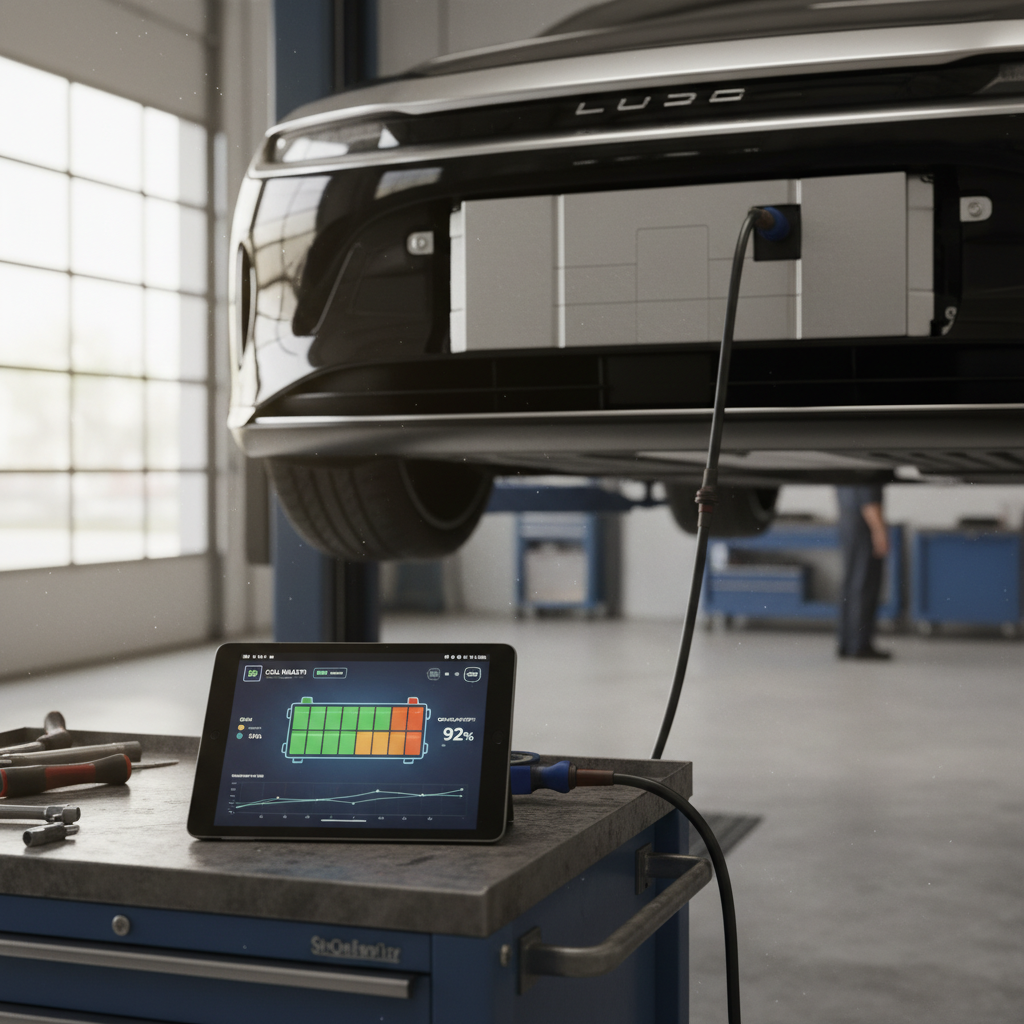
- Let them run diagnostics. The dealer will connect factory diagnostic tools, pull fault codes, and may perform controlled charging/discharging tests to measure usable capacity.
- Wait for Audi’s decision. The dealer submits their findings to Audi. The automaker decides whether the issue qualifies as a warranty repair and whether to replace modules, reconfigure the pack, or in rare cases replace it outright.
- Confirm out‑the‑door costs. If it’s a covered warranty repair, you typically won’t pay for the battery work itself, but incidental costs (loaner car, towing outside roadside assistance limits, storage) may still apply.
Battery diagnostics take time
Audi Q8 e-tron battery warranty: FAQ
Frequently asked questions about Q8 e-tron battery coverage
Key takeaways for Q8 e-tron owners and shoppers
The Audi Q8 e-tron’s battery warranty is one of the big reasons this SUV makes sense new and used. An 8‑year/100,000‑mile high‑voltage battery warranty, layered on top of Audi’s 4‑year/50,000‑mile new‑vehicle coverage, gives you a wide safety net against true battery defects and unusual early degradation. But like every warranty, it has limits: it won’t erase normal capacity loss, and it doesn’t reset just because the car changes hands.
If you’re shopping used, the smart move is to treat warranty as just one line on the scorecard. Confirm the in‑service date, mileage, and warranty status; then look closely at actual battery health and real‑world range. That’s exactly what a Recharged Score Report is built to do, so you can compare Q8 e-trons apples‑to‑apples, finance with confidence, and enjoy the kind of quiet, effortless EV driving Audi had in mind when it built this SUV.