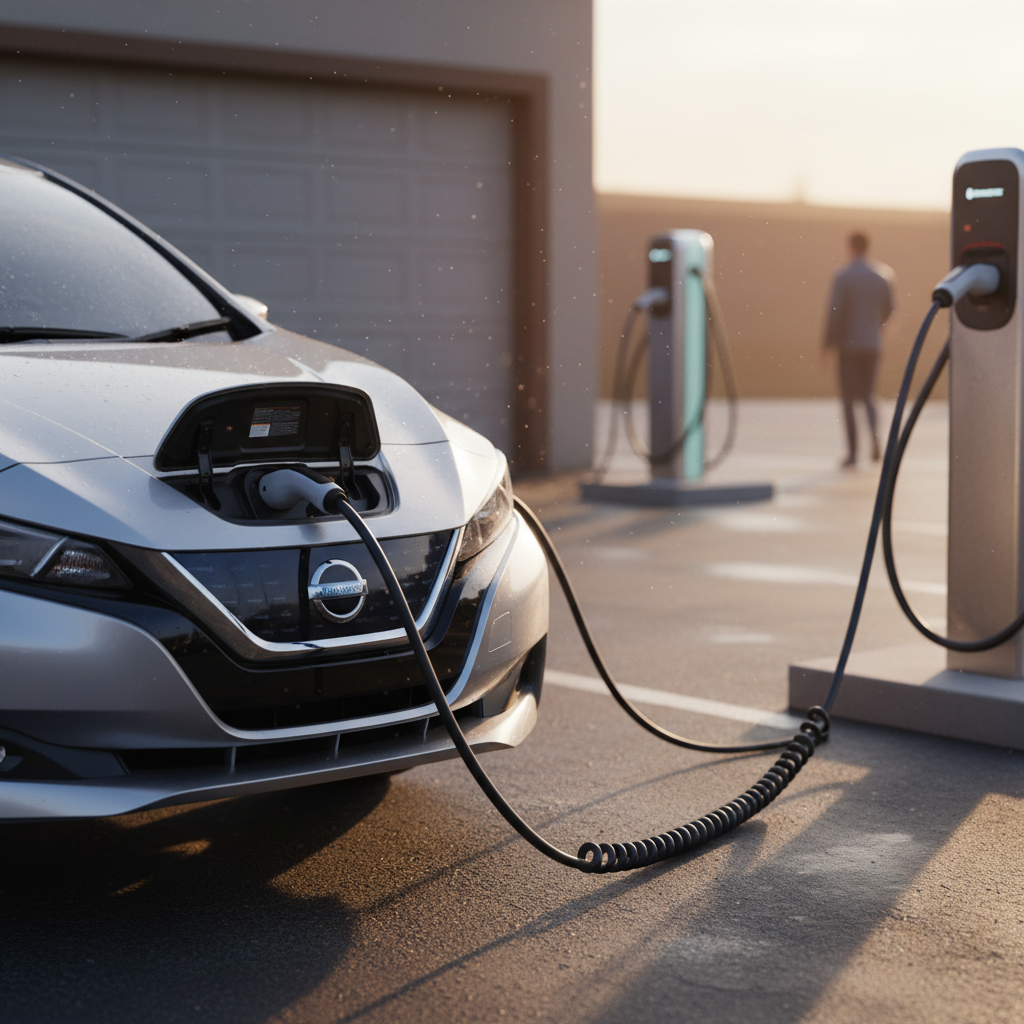
If you search for “electric car charging stations for sale” right now, you’ll see everything from $300 home chargers to six-figure DC fast-charging cabinets. The challenge isn’t finding a charger, it’s understanding which one actually makes sense for your home, workplace, or business in 2025.
Quick orientation
Why buy electric car charging stations now?
Public EV charging has grown fast, but it still lags behind demand in many parts of the U.S. As of early 2025, there are roughly tens of thousands of public charging locations across North America, with DC fast-charger deployment hitting record levels. At the same time, EV adoption keeps climbing, especially as more affordable used EVs hit the market and more brands adopt Tesla’s NACS connector standard.
- Homeowners want predictable overnight charging instead of depending on busy public stations.
- Employers and building owners are adding Level 2 stations to attract tenants, staff, and customers.
- Retailers and fuel stations are installing DC fast chargers to capture dwell time and new revenue.
- Cities and utilities are investing in curbside and fleet charging to support electrification goals.
Think about the car first
Types of electric car charging stations for sale
When you see electric car charging stations advertised for sale, they generally fall into three technical buckets in North America: Level 1, Level 2, and DC fast charging. Here’s how to think about them in practical terms.
Common EV charging station types
Match the station type to how and where it will actually be used.
Level 1 (120V)
• Uses a standard household outlet
• ~3–5 miles of range per hour
• Usually a portable cord that comes with the car
Best for: Very light driving or temporary setups.
Level 2 (240V)
• 16–80 amps depending on model
• ~20–45 miles of range per hour for most EVs
• Wall-mounted or pedestal stations, smart or basic
Best for: Homes, workplaces, apartments, destination charging.
DC fast charging
• 50–350 kW and up
• 20–80% charge in ~20–45 minutes for many EVs
• Large cabinets plus separate dispensers
Best for: High-traffic sites, fleets, highway stops.
Don’t confuse plugs with power
How much do EV charging stations cost?
Pricing for electric car charging stations ranges from a few hundred dollars for basic home units into the six figures for full commercial DC fast-charging deployments. Hardware is only part of the story, installation, permitting, and utility upgrades can equal or exceed the station price.
Typical 2025 EV charging station cost ranges (U.S.)
Ballpark figures for common use cases. Local labor, trenching, and utility constraints can move you above or below these ranges.
| Use case | Type | Hardware cost (per port) | Typical install cost (per port) | Notes |
|---|---|---|---|---|
| Home garage, one EV | Level 2 wall box | $400–$900 | $500–$2,000 | Assumes panel has capacity; no long trenching. |
| Small workplace, 4–10 spaces | Networked Level 2 | $800–$2,500 | $2,000–$7,000 | Cost depends heavily on distance from panel and load-sharing design. |
| Apartment/condo, 10–40 spaces | Smart Level 2 with access control | $1,200–$3,000 | $3,000–$10,000 | May need load management, new panel, or transformer upgrade. |
| Retail, 1–2 fast chargers | DC fast 50–150 kW | $35,000–$120,000 | $40,000–$150,000 | Civil work, switchgear, and utility upgrades dominate costs. |
| Highway site, 4+ fast chargers | DC fast 150–350 kW | $80,000–$200,000+ | $100,000–$250,000+ | Often part of larger corridor or branded network project. |
Use these as planning ranges, then get quotes from licensed electricians and vendors for final numbers.
Watch for “cheap” DC fast chargers
Home EV charging stations for sale: what to look for
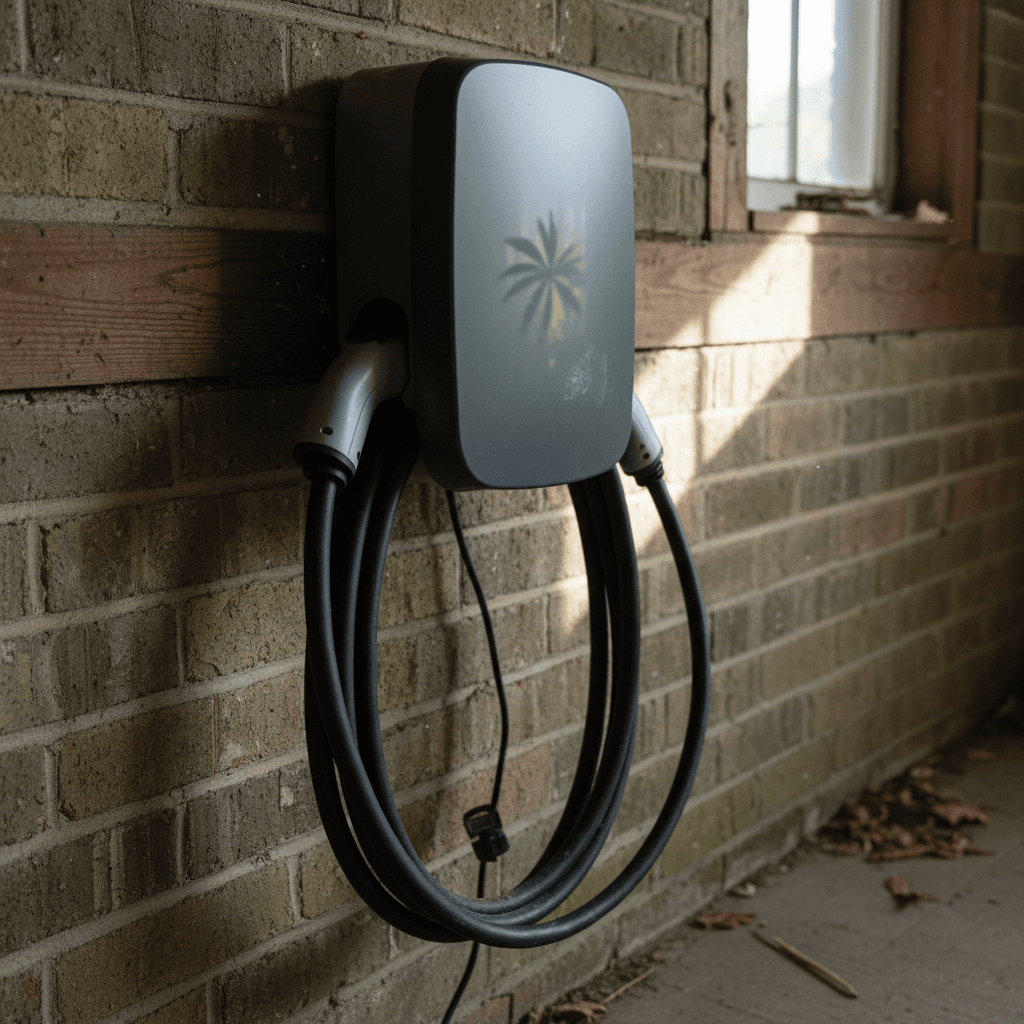
Most U.S. EV drivers can cover their daily needs with a 240V Level 2 home charger. When you search for “home electric car charging stations for sale,” you’ll see dozens of nearly identical-looking boxes. Here’s how to separate marketing fluff from real value.
Key features in a home Level 2 charger
Focus on safety, ease of use, and matching your actual driving pattern.
Safety & certification
- Look for UL, ETL, or equivalent listing.
- NEMA 4 or better enclosure rating for outdoor installation.
- Built-in ground fault protection (GFCI).
Power & circuit size
- Common ratings: 32A, 40A, 48A on 240V.
- Don’t exceed 80% of circuit rating (e.g., 40A on 50A breaker).
- Check your EV’s max AC charging rate before paying for 48A.
Smart vs. basic
- Smart chargers add Wi‑Fi, scheduling, usage tracking, and sometimes load sharing.
- Basic units are cheaper and simpler but lack app control.
Cable length & ergonomics
- Look for 20–25 ft cable to reach comfortably.
- Good holster design and strain relief make daily use easier.
Hardwired vs plug-in
You don’t have to buy a charger from your vehicle brand. Third-party options from established charging companies and electricians’ wholesalers often offer better value and more universal compatibility. Just make sure whatever you choose supports your connector standard, J1772 for most older EVs, NACS for Teslas and an increasing share of 2025+ models, and that you have the right adapter if needed.
Commercial EV charging stations for sale: site and hardware
If you’re evaluating commercial electric car charging stations for sale, whether Level 2 or DC fast, hardware is only one piece of a larger infrastructure and business decision. The right mix depends less on what looks impressive in a brochure and more on who parks on your property, for how long, and how often.
1. Understand your site use patterns
- Dwell time: How long do vehicles typically stay, 30 minutes, 2 hours, all day?
- Turnover: Are spaces used constantly or only during peak periods?
- Drivers: Employees, residents, shoppers, fleet operators, or passersby?
High dwell times (offices, apartments) favor Level 2. Short visits and fleets that can’t sit idle often justify DC fast charging.
2. Choose hardware to match behavior
- Workplaces & offices: More ports of 7–11 kW networked Level 2 with load management.
- Retail: A mix of Level 2 for longer stays and a small number of 75–150 kW DC fast chargers.
- Fleets: Right-sized DC fast at depots, possibly with on-site batteries for demand-charge control.
It’s almost always better to have multiple right-sized ports than one or two overpowered but frequently occupied chargers.
Critical features for commercial charging stations
Look beyond kW ratings to things that drive uptime and revenue.
Network & software
• OCPP support for flexibility
• Remote monitoring & diagnostics
• Open payment options (RFID, tap-to-pay)
Access control
• Public vs. private user groups
• Pricing rules for staff, residents, or guests
• Integration with building access systems if needed
Service & uptime
• On-site commissioning
• Defined response times for repairs
• Spare-parts strategy and clear warranties
Location matters more than almost anything
Installation, permits, and utility coordination
Whether you’re hanging a single wall box in a garage or building a bank of fast chargers, installation is where many projects get bogged down. In some U.S. states, public funding rollouts have been delayed by permitting backlogs, utility timelines, and local inspections. You can’t control all of that, but you can plan for it.
Key steps in an EV charging installation
1. Load calculation and site walk
Hire a licensed electrician to inspect your panel, service size, and cable routes. For commercial projects, involve an electrical engineer early, especially if you’re considering DC fast charging.
2. Utility inquiry
For anything beyond a few Level 2 stations, talk to your utility early about available capacity, potential transformer upgrades, and demand charges. Their answer can reshape your entire business case.
3. Permits and inspections
Your electrician or EPC should handle permits, but you should understand what’s required: electrical permits, zoning approvals, ADA compliance, signage, and sometimes environmental review for major sites.
4. Trenching and civil work
Don’t underestimate the cost and disruption of trenching, saw-cutting, and repaving. Routing conduits efficiently can save tens of thousands of dollars on commercial sites.
5. Commissioning and testing
Require full commissioning: software setup, payment configuration, test charges with multiple vehicles, and clear documentation. Get login access and training for whoever will administer the system.
Don’t skip future-proofing
EV charging business models and ROI
If you’re looking at commercial electric car charging stations for sale, you’re not just buying hardware, you’re setting up a service business. Returns vary widely, but the pattern is consistent: stations closest to where EV drivers already go and stay tend to perform best.
Why EV charging is attracting investment
Common revenue models
- Pay-per-kWh or session: Simple pricing for public sites; may need to be kWh-based depending on state rules.
- Time-based fees: Per-minute or per-hour, sometimes with idle fees after charging stops.
- Bundled access: Include charging in rent, HOA dues, or employee benefits and treat it as an amenity, not a profit center.
Where the money is (and isn’t)
- DC fast charging can generate higher headline revenue but faces higher demand charges, maintenance, and capital cost.
- Well-utilized Level 2 in multi-family and workplace settings can deliver solid, steady returns with lower risk.
- At retail sites, the indirect value, extra foot traffic and dwell time, often outweighs pure charging revenue.
Aim for utilization, not bragging rights
Buying checklist for electric car charging stations
Before you click “buy now” on any electric car charging station for sale, especially expensive commercial gear, run through this checklist. It’ll save you from the most common regrets.
Essential pre-purchase checks
Confirm connector standard and power limits
Does the station support J1772, CCS, NACS, or multiple plugs? What’s your EV’s max AC or DC charging rate, and does the hardware match without overspending?
Verify certifications and warranties
Look for UL/ETL listing, NEMA enclosure ratings, and clear warranty terms (parts, labor, and uptime for commercial systems). Be wary of no-name imports with vague support.
Plan installation with a pro
Get at least one quote from a licensed electrician or EPC before committing to hardware. Some brands require certified installers for full warranty coverage.
Understand networking and fees
For networked stations, ask about software subscription costs, payment processing fees, and your ability to switch networks later (OCPP support is a plus).
Model operating costs and tariffs
Estimate energy costs, demand charges (for DC fast), and any special EV rates your utility offers. A fast charger in the wrong tariff class can erase profits.
Check incentives and regulations
Federal, state, and utility incentives can dramatically change your net cost, but they may come with uptime, reporting, or open-access requirements.
Leasing and turnkey options
FAQ: electric car charging stations for sale
Frequently asked questions
How Recharged can help with the rest of your EV journey
Choosing among all the electric car charging stations for sale is easier when you start with the right EV and a clear picture of how you’ll use it. That’s where Recharged comes in. We specialize in used electric vehicles, and every car we sell includes a Recharged Score Report with verified battery health, fair market pricing, and expert guidance, so you’re not guessing about range, charging speed, or compatibility.
Once you’ve found the right EV, our EV‑specialist team can help you think through home charging, road-trip strategies, and what to ask your electrician or building manager before buying a charger. With financing, trade‑in options, nationwide delivery, and a fully digital experience backed by an Experience Center in Richmond, VA, Recharged is built to make EV ownership, and everything that comes with it, simple and transparent.