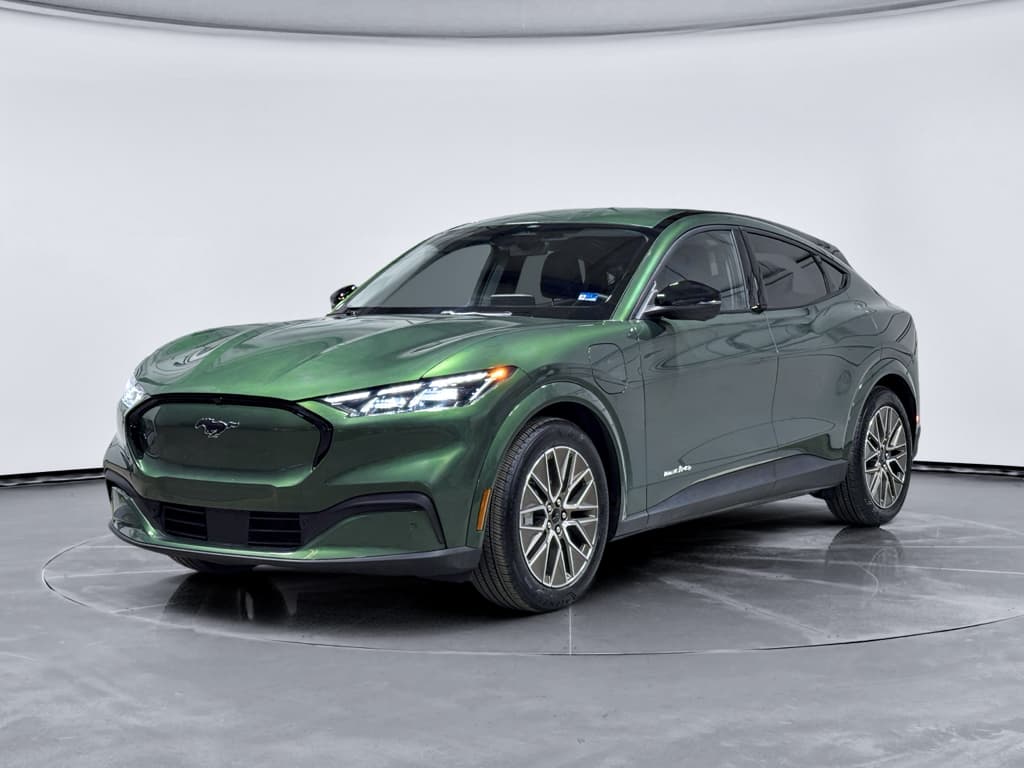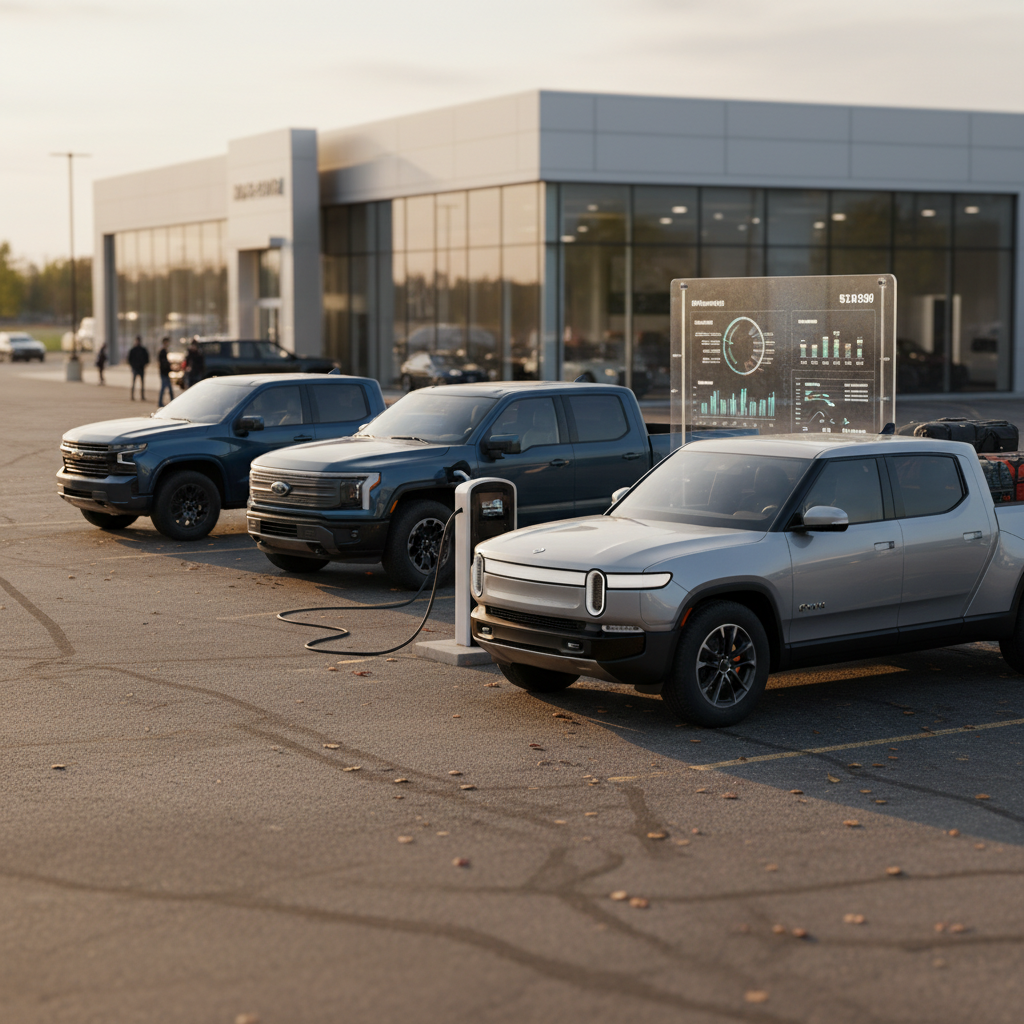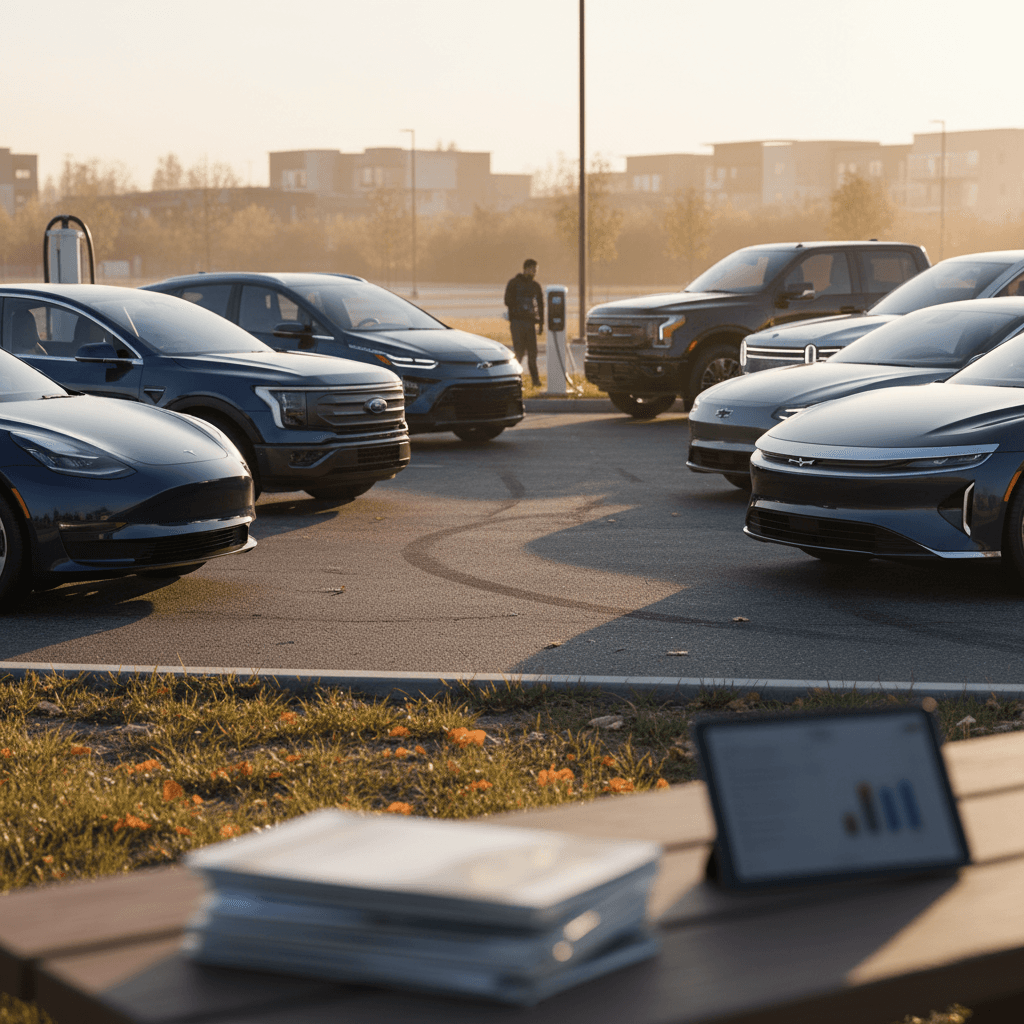
Shopping EVs in 2025 isn’t just “Tesla versus everybody.” The list of electric car brands in the USA has exploded, legacy Detroit metal, Korean overachievers, California startups and a few quiet luxury assassins from Europe. The trick is understanding what each brand really stands for, beyond the press releases and paint colors.
Where the U.S. EV market stands
Why “electric car brands in USA” matters right now
When you buy an EV, you’re not just buying a battery on wheels; you’re buying into a brand’s ecosystem, its charging partnerships, software updates, warranty support and long‑term commitment to electrification. Some automakers are all‑in. Others are hedging their bets with gas trucks while sprinkling a few EVs in the brochure.
- Charging access: Most major brands are moving to Tesla’s NACS plug and opening up Supercharger access, but timelines differ by brand and model year.
- Software and updates: Brands like Tesla and Rivian behave more like tech companies; others still think in model years, not software releases.
- Resale value: Some EVs are already cult classics; others depreciate like day‑old sushi. That matters a lot if you’re shopping used.
Tip for used EV shoppers
Quick overview of major EV brands in the USA
Who actually sells EVs in the U.S. today?
The main EV brand “buckets” in the USA
Think in categories, then drill down to individual models.
Mass‑market leaders
Brands you’ll see everywhere:
- Tesla
- Chevrolet, GMC, Cadillac (GM)
- Ford
- Hyundai, Kia, Genesis
Import & specialty brands
Smaller share, interesting cars:
- BMW, Mercedes‑Benz, Audi, Porsche
- Volkswagen
- Nissan, Toyota, Subaru
Startups & luxe EVs
EV‑native brands:
- Rivian
- Lucid
- Polestar
Smaller dealer networks, big tech ambitions.
Tesla: The benchmark electric car brand
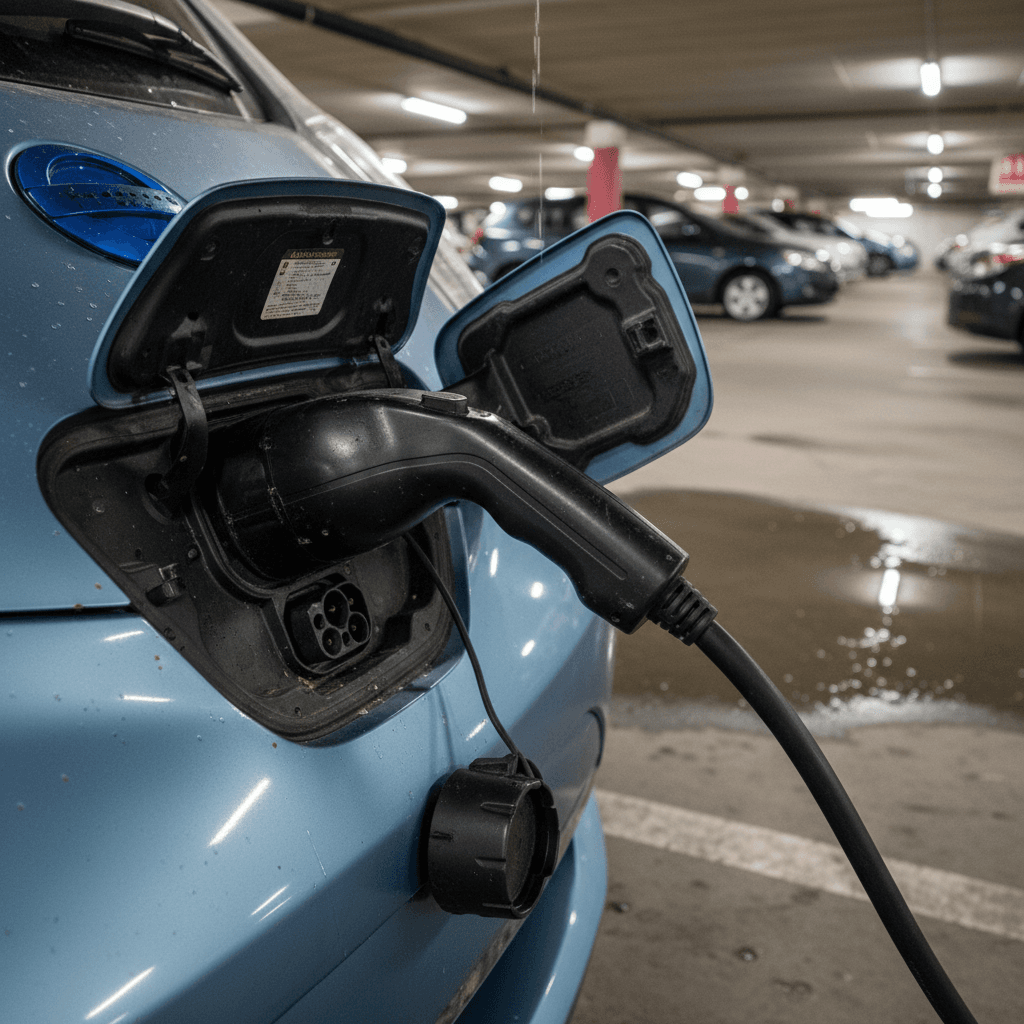
Tesla is still the gravitational center of the U.S. EV universe. The Model Y and Model 3 routinely top the EV sales charts, and in many metro areas, the traffic flow is starting to look like a Tesla owners’ club meeting.
Where Tesla shines
- Charging: Gold‑standard access to the Supercharger network, now opening to other brands but still most seamless with Teslas.
- Efficiency: Class‑leading miles per kWh; you get more range out of a given battery size.
- Software: Frequent over‑the‑air updates, clean UI, great route planning with charging stops baked in.
- Resale: Historically stronger residuals than most non‑Tesla EVs.
Where to be cautious
- Build quality: Panel gaps and paint issues are less common than early days, but still not Toyota‑level.
- Service experience: Sparse service centers in some regions can mean long waits.
- Interior feel: Minimalist cabins are love‑it‑or‑hate‑it, and materials can feel austere for the price.
- Price swings: Aggressive price cuts help buyers but can whipsaw used values in the short term.
Used Tesla shopping note
GM (Chevrolet, GMC, Cadillac): Volume and variety
General Motors has quietly become Tesla’s most serious American rival. Between Chevrolet (Equinox EV, Blazer EV, returning Bolt), Cadillac (Lyriq) and GMC (Hummer EV), GM now sells EVs that cover everything from sub‑$30k commuters (on the way) to six‑figure rolling monuments to excess.
GM’s key electric nameplates in the USA
What they’re known for, in one line each.
Chevrolet Equinox EV
Compact crossover aimed squarely at Model Y and Hyundai Ioniq 5 shoppers, with approachable pricing.
Cadillac Lyriq
Luxury SUV with distinctive design, strong range and a legitimately premium interior.
GMC Hummer EV
Ridiculously heavy, hilariously quick, and utterly unnecessary, yet irresistible to a certain buyer.
GM’s EV strategy in one sentence
Ford EVs: Mustang Mach-E, F‑150 Lightning and more
Ford may be arguing with GM over who’s "number two" in EVs, but what matters to you is the product: the Mustang Mach‑E and F‑150 Lightning are credible, deeply American answers to Tesla’s crossover and the idea of the electric truck.
Ford Mustang Mach‑E
- Sporty compact SUV, sized against Model Y and Ioniq 5.
- More familiar interior layout than Tesla, with physical controls where you expect them.
- Performance trims are genuinely fun; base trims are comfy commuters.
Ford F‑150 Lightning
- America’s best‑selling truck, electrified, so it still looks and feels like a truck.
- Brilliant frunk and on‑board power outlets turn the truck into a rolling generator.
- Range drops when towing; if you haul heavy regularly, plan your charging stops religiously.
About chargers and plugs
Hyundai, Kia and Genesis: Korean EV powerhouses
If Tesla is the disruptor and GM is the comeback kid, Hyundai, Kia and Genesis are the honor‑roll students who did the extra credit. The Hyundai Ioniq 5, Kia EV6 and EV9, and Genesis GV60/GV70 Electrified deliver sharp design, excellent DC fast‑charging speeds and cabins that feel like someone actually sat in them before signing off.
Signature Korean EVs in the U.S. market
Why shoppers keep putting them on shortlists.
Hyundai Ioniq 5
Retro‑futurist hatch‑meets‑SUV with very fast 800‑volt charging and a comfortable, airy cabin.
Kia EV6 & EV9
EV6 is the sporty sibling; EV9 is a genuinely useful three‑row SUV that happens to be electric.
Genesis EVs
Quiet luxury, tasteful design and strong performance without the German badge markup.
Value sweet spot
Other mainstream electric car brands in the USA
Beyond the headline acts, there’s a supporting cast of brands that each contribute something interesting to the American EV story, even if they’re not filling entire parking lots yet.
- Volkswagen (VW ID.4, ID. Buzz): The ID.4 is a perfectly sensible compact crossover, though software and charging performance have been uneven. The upcoming ID. Buzz plays the nostalgia card with a reborn electric Microbus.
- Nissan (Leaf, Ariya): The Leaf was early to the EV party, but the Ariya is the modern entry, comfort‑focused, with decent range and a more premium feel than the badge suggests.
- Toyota & Lexus (bZ4X, Lexus RZ): Late to pure EVs but strong hybrids. Their first BEVs are competent but not class‑leading; the appeal is brand reliability and dealer network depth.
- BMW, Mercedes‑Benz, Audi, Porsche: German luxury brands now offer full lineups of EVs, BMW i4/iX, Mercedes EQ series, Audi Q4/Q8 e‑tron, Porsche Taycan, targeting drivers who want premium feel first, electrons second.
- Subaru & others: Subaru’s Solterra, co‑developed with Toyota, brings all‑weather confidence; Volvo and Polestar offer Scandinavian‑flavored alternatives with a safety and design focus.
Brand networks vs. charging networks
Startup & luxury EV brands: Rivian, Lucid and more
Then there are the EV‑native brands trying to be the next Tesla, or at least the anti‑Tesla. They tend to sell fewer vehicles, at higher prices, with an emphasis on design, software and brand tribe.
Key U.S.‑market startup and luxury EV brands
Big promises, smaller production volumes.
Rivian
Adventure‑oriented R1T pickup and R1S SUV, plus the more accessible R2/R3 models on the way. Great interiors, clever gear‑hauling touches.
Lucid
Air and Gravity chase Mercedes S‑Class buyers with long range, big power and elegant design. Not cheap, but technically impressive.
Polestar
Volvo’s edgy EV spinoff; Polestar 2 and 3 split the difference between Scandinavian minimalism and performance brand aspirations.
Startup risk is real
Chinese and other import EV brands in America
In Europe, Chinese brands like BYD, MG and NIO are already shaking up the market. In the U.S., trade policy and tariffs have largely kept them at bay for now, so most "foreign" EVs you see here are still wearing familiar Japanese, Korean or German badges.
Why you’re not seeing many Chinese EV brands yet
Comparison table: Key EV brands and their strengths
Major electric car brands in the USA at a glance
This table is a simplification, but it’s a useful way to line up the main players before you fall in love with any single model.
| Brand/group | Typical price band (new) | Core strengths | Potential drawbacks |
|---|---|---|---|
| Tesla | Upper‑$30ks to $90k+ | Supercharger access, efficiency, software, performance | Build quality, sparse service network in some areas, polarizing design |
| GM (Chevy/GMC/Cadillac) | ~$30k to $110k+ | Variety of body styles, improving tech, big dealer network | Software hiccups, some early charging quirks, mixed interior quality by model |
| Ford | Mid‑$40ks to $90k+ | Familiar nameplates, truck expertise, practical packaging | Range under heavy towing, evolving software, dealer markups on hot trims |
| Hyundai/Kia/Genesis | Low‑$40ks to $80k+ | Fast charging, strong value, excellent warranties | Brand prestige still catching up in luxury segment, some early charging‑network headaches |
| VW, Nissan, Toyota, Subaru | Low‑$30ks to $60k+ | Brand familiarity, dealer coverage, sensible packaging | Most entries feel a half‑step behind on range or charging speed versus class leaders |
| BMW/Mercedes/Audi/Porsche | $60k to $150k+ | Luxury feel, performance, safety tech | High prices, expensive options, real‑world range can trail headline numbers |
| Rivian/Lucid/Polestar | $55k to $140k+ | Design, performance, brand identity, OTA updates | Smaller networks, startup risk, limited body styles so far |
Use this as a starting point, then dive into specific models and trims.
How to choose the right electric car brand for you
A simple process for picking an EV brand
1. Be honest about your driving
Write down your typical daily miles, longest regular trip and whether you tow or haul people/equipment. That narrows the field; you don’t need a 400‑mile Rivian to commute 22 miles round‑trip.
2. Decide your charging reality
Home Level 2 charger? Apartment with shared parking? Relying on road‑trip fast charging? Tesla’s network still has an edge for road warriors; urban commuters can prioritize other features.
3. Set a real budget, new or used
Factor in tax credits where applicable, but also look at <strong>used EV pricing</strong>, which can be dramatically lower. A lightly used Ioniq 5 or Mach‑E may cost what a new compact gas crossover does.
4. Match brand personality to your own
Some brands trade on heritage (Ford, BMW), others on tech (Tesla, Rivian) or value (Hyundai/Kia). Test‑drive a few; you’ll feel quickly whether the brand’s vibe fits your daily life.
5. Check warranty, service and software
Compare battery and drivetrain warranties, nearest EV‑trained dealer or service center, and how often the brand actually pushes software updates.
6. Think resale from day one
Look at historical depreciation by brand and model. Stronger brands often mean stronger residuals, something Recharged bakes into its <strong>fair‑market pricing</strong> when you buy or trade a used EV.
Buying a used EV by brand: What to watch for
Used EVs aren’t all created equal, and brand plays a big role in whether that bargain listing is a smart play or a science experiment. Battery chemistry, thermal management and software all vary. This is where a transparent marketplace like Recharged earns its keep.
Brands that tend to age gracefully
- Tesla: Good efficiency and OTA updates help older cars feel less dated, though build issues still matter.
- Hyundai/Kia/Genesis: Robust warranties and solid thermal management have made their EVs attractive used buys.
- BMW/Mercedes/Audi: Luxury cabins hold up well; depreciation can make them surprisingly attainable.
Brands and issues to investigate closely
- Early Nissan Leaf: Some lacked active battery cooling, which can mean more degradation in hot climates.
- First‑generation or low‑volume models: Always confirm parts availability and service knowledge at local dealers.
- Startups: Double‑check nearest service locations and how warranty work is actually handled.
Never skip a battery health check
FAQs: Electric car brands in the USA
Frequently asked questions about EV brands in the U.S.
Bottom line: How to think about EV brands in the USA
The roster of electric car brands in the USA now ranges from century‑old giants to garage‑born startups, all trying to sell you the same thing: quiet speed and freedom from gas stations. Some back that promise with robust charging access and thoughtful interiors; others are still working out the bugs. Your job isn’t to guess who’ll "win" the EV war, it’s to pick the brand whose products, service footprint and long‑term commitment line up with your life.
Start by narrowing the brands that fit your driving pattern, charging situation and budget. Then look one level deeper: warranties, software, charging network access and, if you’re shopping used, battery health. If you’d like help sorting that out, Recharged exists for exactly this moment in the market, pairing you with expert EV specialists, transparent Score Reports, and a curated lineup of used EVs from the brands that are proving they’re in this for the long haul.