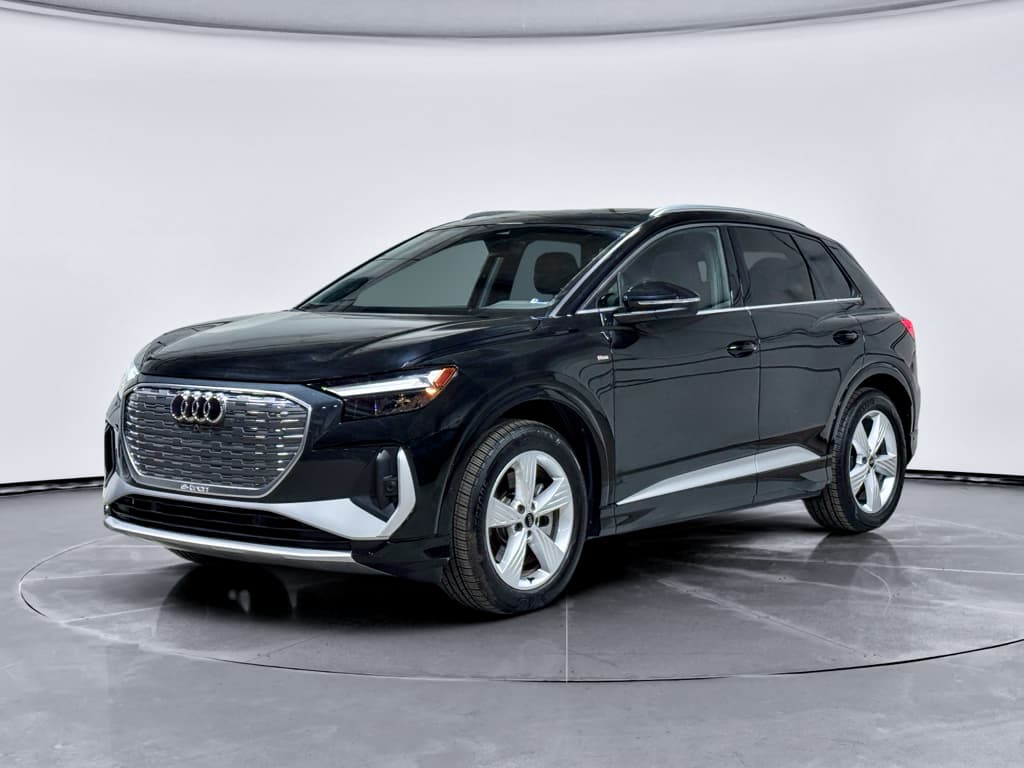
If you’re eyeing a sleek Audi e-tron GT, or already own one, the natural question is what its resale value will look like in three, five, or seven years. Luxury EVs can lose value fast, but performance icons often age better than volume models. This guide pulls together current depreciation data, market trends, and EV-specific factors to build a realistic Audi e-tron GT resale value forecast, especially useful if you’re shopping used.
Quick take
Why resale value matters for the Audi e-tron GT
The e-tron GT launched as Audi’s halo EV sedan, sharing its platform with the Porsche Taycan and carrying six‑figure MSRPs when new. That combination, high purchase price plus rapidly evolving EV tech, makes depreciation the single biggest cost of ownership. Understanding resale value helps you decide whether to buy new or used, how long to keep the car, and what a realistic exit price might be when you’re ready to sell or trade.
- It’s a niche, high-performance EV, not a mass-market commuter.
- Battery, charging tech, and incentives are changing quickly, reshaping EV used values.
- Luxury EV sedans have been among the hardest‑hit segments for depreciation since 2022.
Luxury EV reality check
How the Audi e-tron GT has depreciated so far
Because the e-tron GT is still relatively new, we don’t have 10 years of auction history. But we do have solid 3–5 year depreciation projections from valuation guides and early real‑world used pricing. Here’s what those signals show today.
Current Audi e-tron GT depreciation snapshot
For a 2024 Audi e-tron GT Premium Plus, one major valuation service projects total 5‑year depreciation in the ballpark of $80,000–$85,000 from MSRP, with the car retaining roughly 35–45% of its original value by year five. Another data set puts the model in the bottom quartile for depreciation among 2024 sedans, meaning it loses value faster than most gas rivals but not wildly out of step with other luxury EVs.
Earlier model‑year e-tron GTs (2021–2023) are already trading at sizable discounts from their original sticker prices, with many examples listing in the $60,000–$80,000 range depending on trim, mileage, and condition. That’s a meaningful signal: first owners are clearly taking heavy depreciation, while second owners step in once the curve has flattened a bit.

3- to 5-year Audi e-tron GT resale value forecast
Looking out three to five years, the Audi e-tron GT’s resale story is a mix of headwinds and bright spots. Below is a directional forecast using today’s pricing data and typical EV depreciation patterns. It isn’t a guarantee, but it’s a practical planning tool if you’re deciding when to buy or sell.
Illustrative 3–5 year Audi e-tron GT value trajectory (new purchase)
Approximate retained value from original MSRP for a well‑equipped e-tron GT in average mileage and good condition. Actual numbers vary by trim, options, and local market.
| Ownership year | Approx. retained value vs. original MSRP | What that means in practice |
|---|---|---|
| Year 1 | 65–70% | Early‑life drop as the car goes from new to nearly new; incentives and discounts on new models pull values down. |
| Year 3 | 45–55% | Largest cumulative hit already taken; this is where many first‑owner leases end and used supply increases. |
| Year 5 | 35–45% | Value stabilizes around long‑term desirability: performance, design, and perceived battery health. |
Think in terms of percentage bands and dollar ranges, not single exact numbers.
Think in ranges, not exact dollars
If you buy new in 2026…
A new e-tron GT purchased in 2026 and sold after five years will likely have lost roughly 55–65% of its MSRP. On a $115,000 build, that’s a resale value in the neighborhood of $40,000–$55,000, assuming normal mileage and no major accidents. The spread depends heavily on trim (base vs. RS), options, and how the broader EV market evolves.
If you buy a 2- to 3-year-old used e-tron GT…
This is where the math starts to favor buyers. If you pick up a 2‑ to 3‑year‑old e-tron GT that’s already taken the first big depreciation hit, your next five years of ownership may cost you a far smaller chunk of value, often closer to 30–40% loss over that period instead of 55–65%. In dollars, you might buy at $70,000 and sell at $40,000–$50,000 a few years later if the car is clean and the miles stay reasonable.
Why the “second owner” slot is compelling
6- to 7-year long‑term outlook
Beyond year five, two big unknowns drive the Audi e-tron GT’s resale value: how its battery and charging tech age relative to newer EVs, and how many buyers still want a premium electric grand tourer in the used market.
Two likely 6–7 year scenarios
Where the Audi e-tron GT might land by the early 2030s
Scenario 1: Enthusiast favorite
In this pathway, the e-tron GT joins older S and RS models as a bit of a cult favorite:
- Strong demand from enthusiasts who want performance and design, not the latest range.
- Battery and charging tech remain “good enough” for weekend use and moderate commutes.
- Values flatten, with clean, low‑mile cars holding a premium.
Scenario 2: Tech moves on
In a faster‑moving tech world:
- Newer EVs offer much more range and faster charging at similar used prices.
- Battery degradation or outdated infotainment push prices lower.
- High‑mile examples fall toward commodity pricing.
In either case, by year 7 many e-tron GTs are likely to be sitting in the 25–35% of original MSRP range, with cleaner RS models and rare specs stretching higher. Well‑documented battery health will be the difference between a car buyers seek out and one they bargain‑hunt.
How the e-tron GT compares to rivals on resale
No EV lives in a vacuum. Shoppers cross‑shop the Audi e-tron GT with the Porsche Taycan, Tesla Model S, Mercedes‑Benz EQE/EQS, and even high‑spec BMW i4 models. Understanding how those cars behave on the used market helps frame the Audi’s resale position.
Porsche Taycan
- Parallel story: Similar platform, performance, and original pricing.
- Depreciation: Also shows steep early depreciation, especially on higher‑power trims.
- Brand pull: Porsche badge and track credentials can support slightly stronger enthusiast demand long‑term.
Tesla Model S & others
- Model S: Values hit by frequent price cuts on new cars but supported by Supercharger access and brand awareness.
- EQE/EQS & i4: Premium badges but softer demand; some trims are depreciating even faster than Audi.
- Net result: The e-tron GT typically lands mid‑pack among premium performance EVs on resale strength.
Watch competitor discounts
Factors that move e-tron GT values up or down
Resale value isn’t just about age and miles. With an EV like the e-tron GT, a handful of specific factors can move a given car thousands of dollars above, or below, market averages.
Key resale drivers for the Audi e-tron GT
What buyers and appraisers look for first
Battery health
State of health (SOH) is critical. A pack that’s still close to its original usable capacity will bring a much stronger offer than one that’s clearly degraded.
Mileage & usage
EVs still follow mileage rules: low‑ to moderate‑mile cars with mostly highway usage and gentle driving habits command better prices.
Maintenance history
Documented service, software updates, and recall work reassure second and third owners that the car was cared for.
Trim & options
RS models and well‑optioned cars hold more value in absolute dollars; ultra‑niche spec packages can be either a bonus or a niche‑only sell.
Charging experience
Real‑world DC fast‑charging performance, access to reliable networks, and included home charging hardware all support demand.
Policy & incentives
Changes to EV tax credits, state incentives, or congestion‑zone rules can nudge demand for used luxury EVs up or down.
What really hurts value
Used Audi e-tron GT pricing cheat sheet
Because values shift month to month, think of this as a directional cheat sheet rather than a price quote. It’s meant to calibrate expectations before you dive into specific VIN‑level research.
Typical used Audi e-tron GT price bands (U.S. market)
Illustrative ranges for clean‑title cars with average mileage and solid service history. High‑performance RS and rare specs can sit above these bands.
| Model year | Mileage range | Typical asking-price band | Who this fits |
|---|---|---|---|
| 2021–2022 | 25,000–45,000 mi | $60,000–$80,000 | Value‑focused shoppers who want flagship performance with most depreciation already baked in. |
| 2023 | 15,000–35,000 mi | $75,000–$95,000 | Buyers looking for newer software and features without new‑car pricing. |
| 2024 (lightly used) | Under 20,000 mi | $90,000+ | Essentially nearly new; only makes sense if you’re getting a meaningful discount to current new inventory. |
Always check live listings, auction results, and instant‑offer tools for current numbers in your ZIP code.
Regional spreads can be big
How to protect your e-tron GT’s resale value
Whether you already own an e-tron GT or you’re about to buy one, there’s a lot you can do to keep it on the right side of the resale curve.
Practical steps to preserve value
1. Baby the battery
Avoid frequent 0–100% DC fast charges, don’t leave the car parked at 100% or 0% for extended periods, and use a sensible daily charge limit (often around 80%) unless you truly need full range.
2. Keep software and recalls up to date
Ensure all Audi campaigns, over‑the‑air updates, and dealer software updates are current. Buyers and appraisers notice when a car is fully up to date.
3. Document everything
Save invoices, digital service records, and tire, brake, and alignment work. A thick paper trail is reassuring on a high‑dollar, tech‑heavy EV.
4. Protect the exterior and interior
Curb rash on large wheels, worn tires, and scuffed interiors all chip away at value. Consider wheel protection, paint protection film on vulnerable panels, and regular detailing.
5. Be smart about mods
Aftermarket wheels, wraps, or suspension can narrow your buyer pool. If you modify, keep OEM parts and be prepared for some buyers to see mods as a negative.
6. Pick the right exit window
If you bought new, consider exiting around the end of year 3 or 4, after the worst first‑year drop but before the car feels dated relative to newer EVs.
Show, don’t tell when you sell
Where a marketplace like Recharged fits in
On a six‑figure EV, a 5–10% swing in resale value is real money. That’s why transparency around battery health, pricing, and condition matters so much when you’re buying or selling an e-tron GT.
Every EV listed on Recharged comes with a Recharged Score Report that includes verified battery health, fair‑market pricing analysis, and a clear breakdown of condition. That’s especially valuable with a performance EV like the e-tron GT, where driving style and charging habits can vary widely from owner to owner.
Shopping for an e-tron GT
If you’re in the market, Recharged can help you:
- Compare used e-tron GTs nationwide with battery health data included.
- See how a specific VIN’s price stacks up against similar cars.
- Arrange financing, trade‑in, and nationwide delivery in one digital experience.
Selling or trading yours
If you already own an e-tron GT, you can:
- Request an instant offer or explore consignment options for higher net proceeds.
- Leverage the Recharged Score to highlight your car’s strengths.
- Get EV‑specialist support on timing your sale and setting realistic expectations.
Audi e-tron GT resale value FAQ
Frequently asked questions
Bottom line: Is the Audi e-tron GT a good resale bet?
If you’re shopping purely for rock‑solid residuals, a mainstream hybrid or gas SUV will likely beat the Audi e-tron GT. This is a high‑MSRP, high‑performance EV, and its depreciation reflects that. But if you enter the market with eyes open, aiming for a well‑priced used example, prioritizing battery health and condition, and planning to keep the car for several years, the e-tron GT can deliver a lot of car for the money relative to its new‑car sticker.
Use this resale value forecast as a framework, then ground‑truth it with real listings, instant‑offer tools, and, where possible, objective battery diagnostics like the Recharged Score Report. That’s how you turn a complex, fast‑moving EV market into a transparent decision about whether an Audi e-tron GT belongs in your garage.