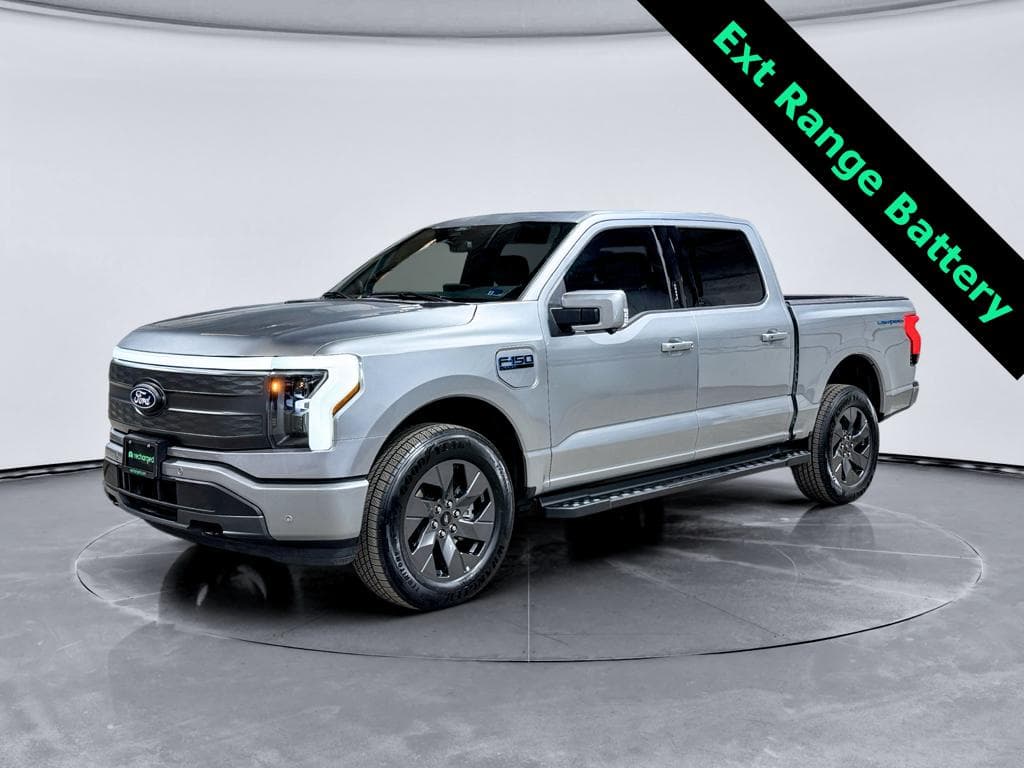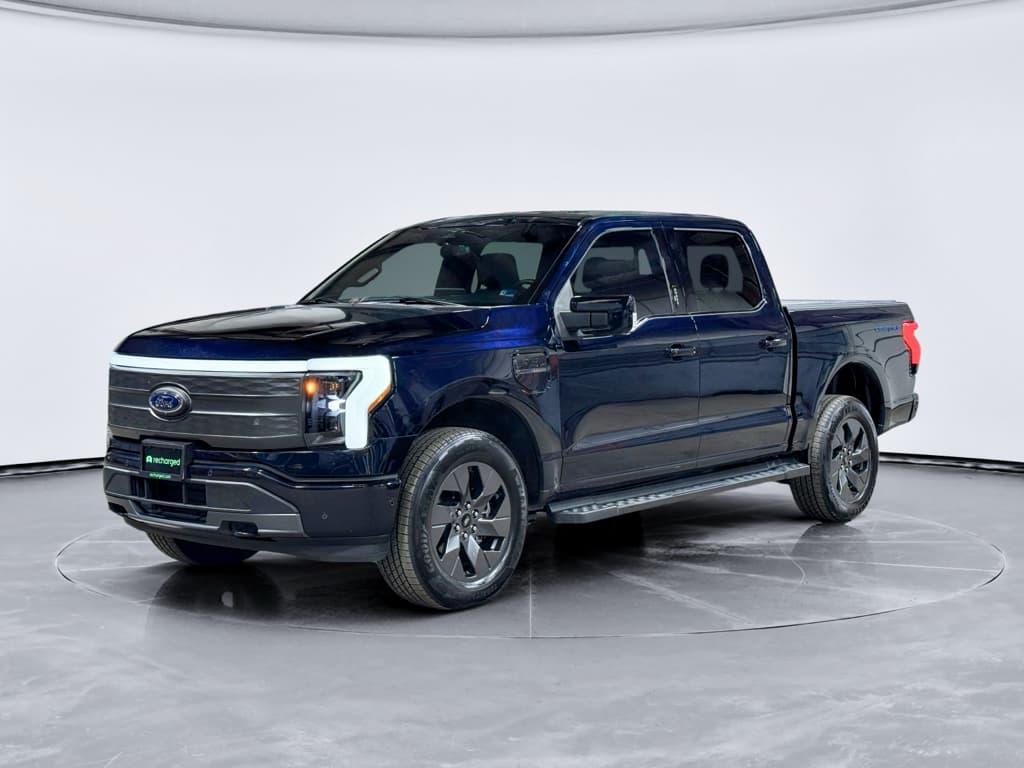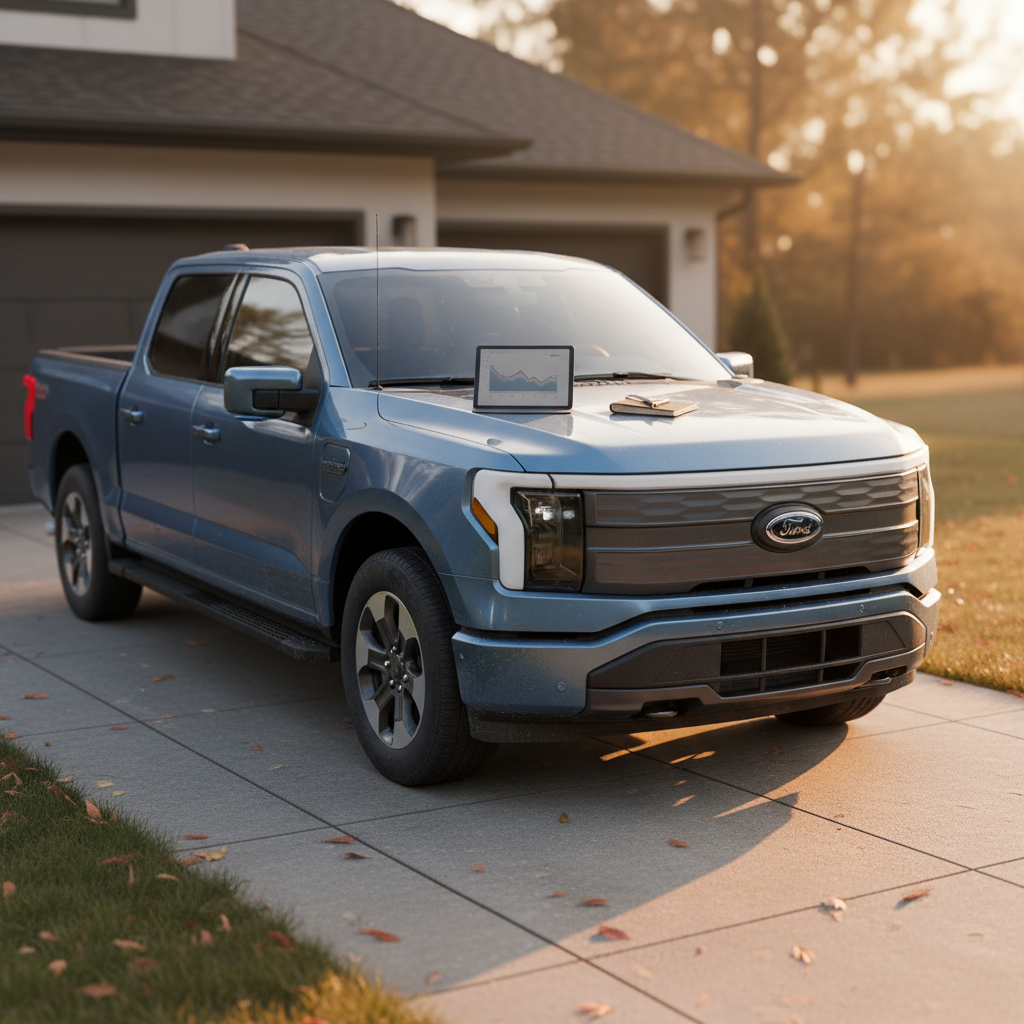
If you’re researching 2022 Ford F-150 Lightning problems, especially because you’re eyeing a used electric pickup, you’re not alone. The first model year of Ford’s battery-electric F-150 brought serious innovation, but also a heavy dose of recalls, software quirks, and a few high‑profile battery concerns. The good news: many of the most serious issues have factory fixes, and a well-vetted truck can still be a smart buy.
Why focus on the 2022 model year?
Overview: How Problematic Is the 2022 F-150 Lightning?
Compared with conventional pickups from the same year, the 2022 F-150 Lightning shows lower-than-average reliability in early owner surveys. That’s driven less by catastrophic failures and more by a cluster of issues: multiple safety recalls, software bugs that require over‑the‑air (OTA) updates, and some battery and charging headaches. For a used buyer, the key is separating trucks that have been kept current on recalls and updates from those that have not.
- Multiple safety recalls covering items like park system behavior, rear lightbar moisture, and tire‑pressure monitoring calibration
- Documented high‑voltage battery manufacturing defects in a subset of packs, leading to a recall and battery-array replacements
- Recurring owner complaints about charging quirks at home and at some DC fast chargers
- Software and infotainment glitches, including issues with BlueCruise hands‑free driving and stability control settings
- A mix of minor build-quality issues (trim, water intrusion in rear lightbar, occasional sensor oddities)
Launch-year expectations
Major Recalls Affecting the 2022 F-150 Lightning
By early 2026, the 2022 F-150 Lightning had accumulated several notable recalls. Many have straightforward software fixes, but some involve hardware inspection or replacement. Here are the big ones a used buyer should confirm have been completed:
Key 2022 F-150 Lightning Recalls to Know
Summary of prominent recalls that affect safety, drivability, or ownership experience.
| Issue area | What can go wrong | Typical remedy | Why it matters |
|---|---|---|---|
| Integrated park module (roll‑away risk) | Park may not actually engage, allowing vehicle to roll after you shift to P | Free software update to the park module, usually OTA or at dealer | Critical safety item; unresolved trucks pose roll‑away risk on slopes |
| Rear lightbar & reverse lights | Microcracks can let moisture in, causing flickering or inoperative reverse lights | Inspection and replacement of the rear lightbar and fasteners | Other drivers may not see that you’re backing up, increasing crash risk |
| Tire Pressure Monitoring System (TPMS) calibration | TPMS light may fail to illuminate with low tire pressure on some 20"/22"-wheel trucks | Body control module software update | Low tire pressure can compromise handling and tire life |
| Electronic Stability Control (ESC) activation | ESC may not reliably reactivate at each key‑cycle after prior repairs | SYNC/APIM software update | You could drive without stability control active without realizing it |
| High‑voltage battery internal short risk | Manufacturing defect can cause internal battery shorts, raising fire risk | Inspection and, if needed, high‑voltage battery array replacement; interim 80% charge limit | Directly affects pack safety and long‑term value |
Always confirm recall completion by VIN through Ford or NHTSA before buying a used Lightning.
Don’t ignore the battery recall
Battery and Charging Problems
Battery health and charging behavior are the heart of any EV ownership experience, and they’re central to the 2022 Lightning story. Most trucks are not suffering from pack failures, but there are three main patterns to know about: the battery recall population, day‑to‑day charging quirks, and long‑term degradation.
Common 2022 Lightning Battery & Charging Complaints
Not every truck will show these issues, but they’re worth screening for.
High‑voltage pack concerns
A small subset of 2022–2024 Lightnings were built with battery cells that can develop internal shorts. Ford’s recall addresses this with inspection and battery array replacement where needed.
Ownership impact: temporary charge limits, range anxiety, or extended shop time while arrays are replaced.
Home & public charging quirks
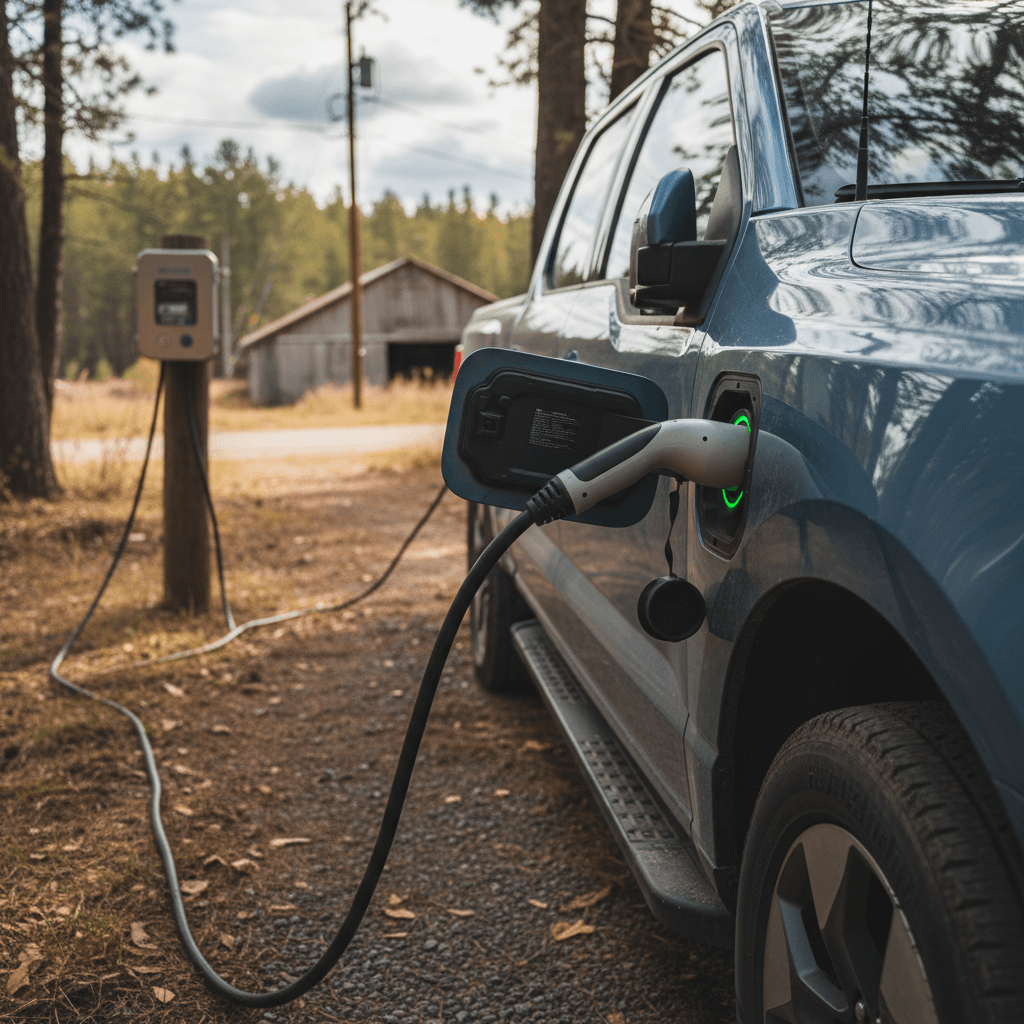
Owners report trucks that won’t initiate charge sessions at certain Level 2 stations, stop charging prematurely, or refuse some DC fast chargers.
Often improved by software updates, but sometimes linked to specific hardware or charger compatibility.
Range and degradation anxiety
Real‑world range can drop quickly when towing, in winter, or at highway speeds. That’s normal physics but can feel like a "problem" to first‑time EV truck owners.
Used buyers should focus on measured battery health, not just the EPA rating sticker.
How Recharged approaches Lightning batteries
Software, OTA Updates and Tech Glitches
If there’s a single theme that ties many 2022 Ford F-150 Lightning problems together, it’s software. Ford leaned heavily on over‑the‑air updates to add features, fix bugs, and resolve recalls. That’s powerful, but only if the truck is actually receiving those updates and the code is mature.
Common software-related complaints
- Stuck or missing OTA updates: Some owners report going many months without updates, even while others receive multiple revisions. Sometimes a dealer needs to reset the modem or telematics module.
- BlueCruise inconsistencies: Lane‑keeping and hands‑free driving can behave differently after updates, or stop working until a dealer re‑flashes modules.
- SYNC 4A glitches: Frozen screens, laggy response, dropped CarPlay/Android Auto connections, or cameras that take too long to display.
- “Christmas tree” warnings: Random powertrain or driver‑assist faults that clear after a restart but may indicate software bugs in control modules.
Why this matters on a used Lightning
- Update history is part of maintenance: Staying current on updates is as important as oil‑change history on a gas truck.
- Some recalls are software‑only: If OTA hasn’t been working, the truck may still be on vulnerable code.
- Driving feel can change over time: Throttle response, one‑pedal tuning, and driver‑assist behavior have all evolved through updates.
- Dealer dependence: Stubborn OTA issues often require a dealer visit, so factor in proximity to a Ford EV‑certified store.
Quick OTA health check
Drivetrain, Braking, and Chassis Concerns
Underneath the software and batteries, the Lightning is still an F‑150. That’s mostly good news: the basic chassis, braking hardware, and much of the cabin are shared with the gas truck. But a few EV‑specific quirks and recall‑related issues are worth watching for.
Mechanical & Safety Items to Inspect
1. Park behavior and roll‑away risk
With the integrated park module recall, make sure the truck doesn’t creep or roll when shifted into P on a slope. Verify that the recall has been completed and ask for documentation.
2. Brake feel and regeneration
Test one‑pedal driving as well as blended braking. The transition between regenerative and friction braking should feel smooth, without grabby or inconsistent pedal response.
3. Suspension wear from weight
The Lightning is heavy. Listen for clunks over bumps, check for uneven tire wear, and pay close attention to front suspension components on higher‑mileage work trucks.
4. Steering and alignment
On a straight road, the truck should track cleanly with minimal correction. Pulling, vibration, or unusual tire wear can hint at alignment issues or past curb impacts.
5. Underbody and high‑voltage protection
If you can, inspect the underbody shields and battery enclosure for off‑road scrapes. Deep gouges or cracked panels warrant a closer look from a shop that understands EVs.
What Owners Report Day-to-Day
Owner forums and early reliability surveys paint a nuanced picture. Many 2022 F‑150 Lightning owners are deeply satisfied, especially with performance and in‑town practicality, but they also describe a truck that’s still maturing through ongoing updates and service campaigns.
- Pros owners highlight: instant torque, smooth ride, quiet cabin, strong towing in short stints, and the convenience of home charging.
- Annoyances: inconsistent public fast‑charging experiences, range loss when towing or in cold weather, and the learning curve around software updates and BlueCruise.
- Outliers: a small but visible group of owners with repeated trips to the dealer chasing warning lights, update failures, or battery‑related repairs. These trucks are the ones you want to avoid in the used market.
“The Lightning is an amazing truck when everything works, but you have to treat software updates and recalls like regular maintenance, ignore them and you’ll have headaches.”
Buying a Used 2022 F-150 Lightning: What to Check
If you’re considering a used 2022 F‑150 Lightning, the key is to buy the truck in front of you, not the marketing brochure. That means verifying software and recall status, checking battery health, and confirming that the truck’s usage profile matches how you plan to drive it.
Five Must-Do Checks Before You Buy
A focused game plan for evaluating a used 2022 Lightning.
1. Run a full VIN recall check
Use Ford’s website or NHTSA’s VIN tool to confirm that all open recalls, especially the high‑voltage battery, park module, rear lightbar, ESC, and TPMS campaigns, have been completed.
If anything is open, insist on resolution before you sign or budget time for dealer visits soon after purchase.
2. Get objective battery health data
Ask for diagnostics that show remaining usable capacity, not just the displayed range on a full charge. At Recharged, this is built into the Recharged Score battery health report, so you can compare trucks apples‑to‑apples.
3. Confirm software and OTA functionality
Check the software version, confirm that automatic updates are enabled, and ask when the last OTA or dealer update was completed. A truck that hasn’t updated in a year may need telematics work.
4. Test real charging behavior
If possible, plug into a Level 2 charger and watch the session. Does it start immediately? Hold steady? Any unexpected interruptions or errors on the truck or charger?
For road‑trip use, review DC fast‑charging logs if the seller has them.
5. Inspect for heavy-use wear
Look for clues that the truck lived a hard work life: bed and hitch wear, payload use, commercial decals, or aftermarket wiring. High‑mileage fleet trucks can still be great buys, but only with clean service histories.
6. Compare pricing to condition
A Lightning with fresh battery recall work, clean software history, and documented dealer care should command more than a similar‑mileage truck with outstanding recalls and mystery warning lights.
Recharged benchmarks pricing against fair market data so you’re not overpaying for a problem child.
How Recharged can help
Ready to find your next EV?
Browse VehiclesHow Recalls and Updates Impact Resale Value
Multiple recalls don’t automatically make a vehicle a bad buy. What really matters is whether those recalls have been addressed correctly and how the fixes influence long‑term reliability. For the 2022 Lightning, the story is mixed, but leaning positive for well‑maintained trucks.
How Recalls and Software History Affect a Used Lightning
Positive signals for resale
- All recalls closed: Especially the battery and park-module campaigns.
- Recent software updates: Shows OTA is working and the owner engaged with maintenance.
- Dealer documentation: Invoices for any HV battery or control-module work.
- Clean, consistent usage: No signs of abuse, slammed payloads, or severe off‑road damage.
Red flags that should lower price, or kill the deal
- Open safety recalls: Particularly anything affecting battery, brakes, steering, or park behavior.
- Unresolved warning lights: Especially powertrain, high‑voltage system, or driver‑assist faults.
- “It just needs an update” without proof: That might be true, or a way to gloss over deeper issues.
- EV‑inexperienced sellers: If a dealer can’t explain the recall and software history, proceed cautiously.
FAQ: 2022 Ford F-150 Lightning Problems
Frequently Asked Questions
Bottom Line: Should You Buy a 2022 Lightning?
The 2022 Ford F‑150 Lightning is both one of the most important EVs of this decade and a reminder that first‑generation tech rarely lands perfectly. There are genuine 2022 Ford F-150 Lightning problems, from safety recalls and software quirks to a meaningful but limited battery‑recall population. The flip side is that Ford has actively addressed many of these issues with hardware campaigns and ongoing OTA updates.
If you’re shopping used, success comes down to choosing the right truck: one with closed recalls, healthy battery metrics, stable software, and a usage history that matches your needs. That’s exactly where a data‑driven marketplace like Recharged can help, combining verified battery diagnostics, transparent pricing, and EV‑savvy support so you can enjoy the upside of an electric F‑150 without inheriting someone else’s headaches.