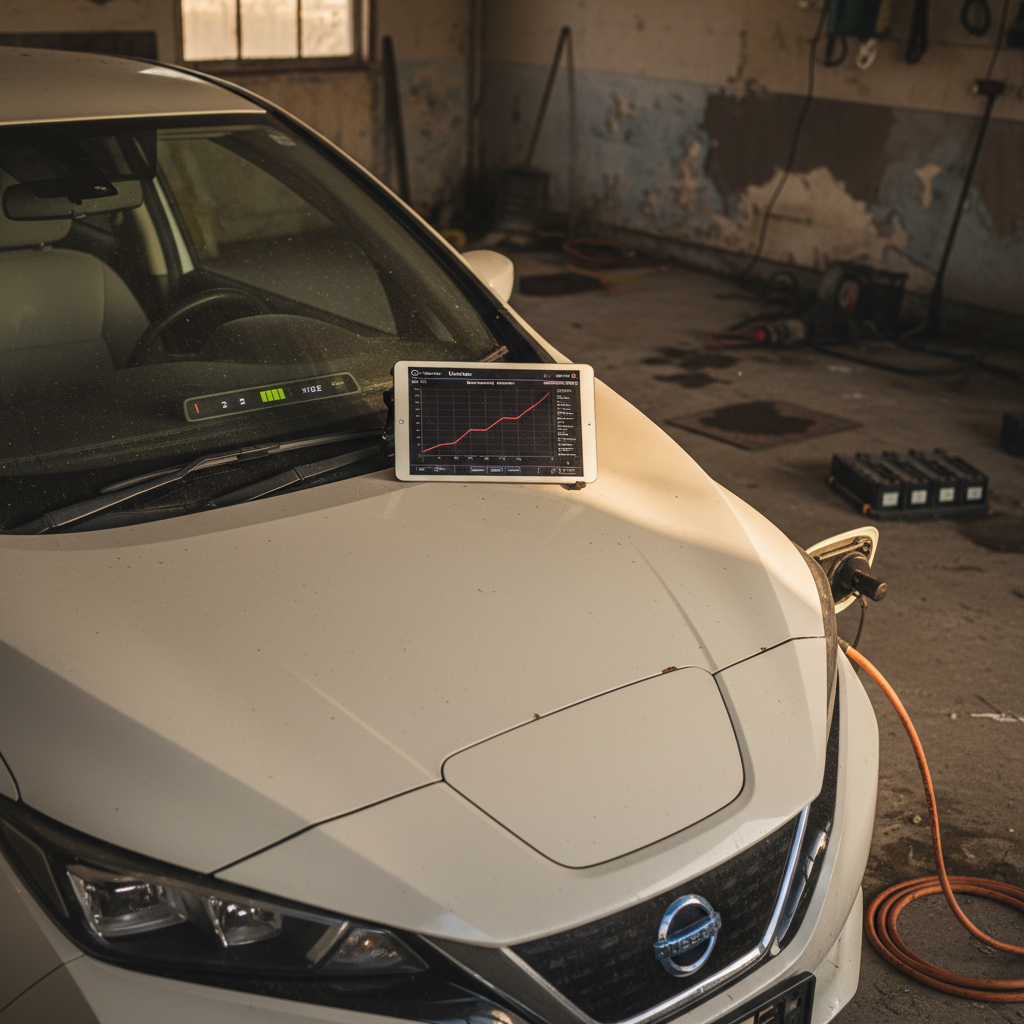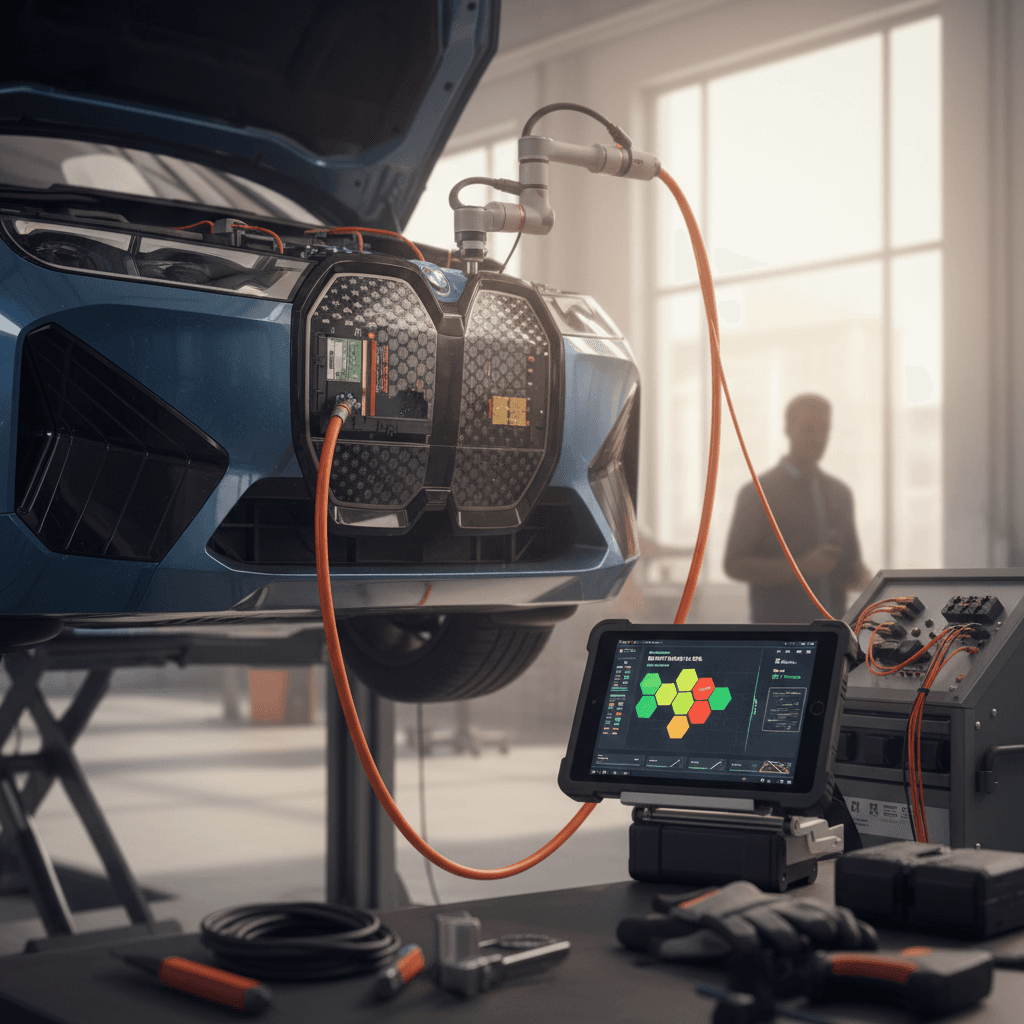
Pop the hood on any electric car spec sheet and the first number shouting at you is battery capacity, usually written as something like 58 kWh, 77 kWh, or 82 kWh. If you’re trying to compare EVs, or shopping used, it’s easy to assume that more is always better. Reality is a little more nuanced. Let’s unpack what electric car battery capacity actually means, how it connects to range and charging, and how to use it to shop smarter, especially in the used market.
Quick definition
What is electric car battery capacity (kWh)?
In plain English, electric car battery capacity is how much usable energy the pack can hold. It’s measured in kilowatt-hours (kWh). One kWh is the amount of energy you’d use running a 1,000‑watt appliance for one hour. In an EV, it’s how much energy the battery can send to the motors, climate system, and electronics before it needs a recharge.
- A 60 kWh battery can theoretically deliver 60 kW of power for one hour, or 6 kW for 10 hours, and so on.
- In EV terms, that energy turns into miles of driving, just like gallons of fuel in a tank turn into miles in a gas car.
- Manufacturers usually quote gross capacity (total pack size) and design a smaller usable capacity window to protect the battery from overcharging or over‑discharging.
Typical EV battery capacities today
Watch the fine print
How battery capacity translates into driving range
Here’s where capacity stops being abstract. To figure out roughly how far an EV will go on a charge, you combine battery capacity (kWh) with efficiency, how many miles the car squeezes out of each kWh. That’s usually expressed as miles/kWh or the inverse, kWh/100 miles.
1. The simple math
Range is basically:
Usable battery capacity × efficiency = approximate range
- If an EV has a 75 kWh usable pack and averages 3.5 mi/kWh, you’re looking at about 260 miles (75 × 3.5).
- A very efficient sedan might get 4.0 mi/kWh or more, turning the same 75 kWh into 300 miles or better.
2. Real‑world wrinkles
EPA range labels are helpful, but real life is messier. Your actual miles out of each kWh depend on:
- Speed: 75 mph on the interstate uses more energy than 45 mph in town.
- Weather: Cold temps and heavy HVAC use cut efficiency.
- Weight & aero: Big SUVs punch a bigger hole in the air, so they need more kWh to go the same distance.
Battery capacity and range: real‑world examples
Why a bigger battery doesn’t always mean dramatically more range
Compact sedan
58–65 kWh usable battery
- Efficiency: roughly 3.5–4.0 mi/kWh
- Real‑world range: ~220–260 miles
Midsize crossover
70–80 kWh usable battery
- Efficiency: 3.0–3.5 mi/kWh
- Real‑world range: ~230–260 miles
Electric pickup
100–130 kWh usable battery
- Efficiency: 2.0–2.7 mi/kWh
- Real‑world range: ~220–300 miles
Don’t over‑index on kWh
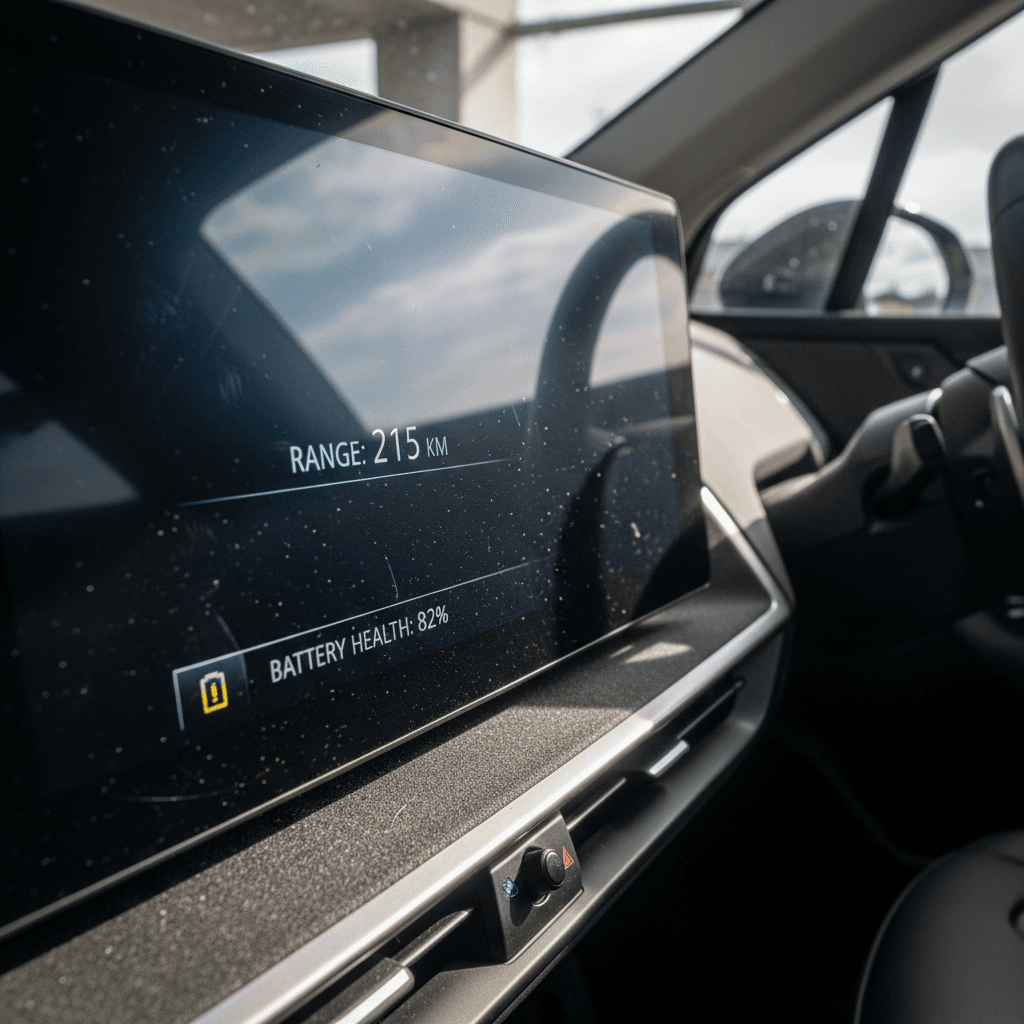
How much electric car battery capacity do you really need?
This is where you stop shopping like a spec sheet engineer and start thinking like a driver. The “right” electric car battery capacity depends far more on your daily life than on bragging rights at a party.
5 questions to right‑size your battery
1. How many miles do you actually drive most days?
Most Americans drive well under 50 miles a day. If that’s you, even a used EV with 150–180 miles of real‑world range, and a modest 40–50 kWh pack, may be plenty.
2. Can you charge at home or work?
Home or workplace charging radically reduces your need for a giant pack. Plug in overnight and you’re effectively starting every day with a full tank.
3. How often do you take long road trips?
If you’re doing multi‑state runs a few times a year, a 70–80 kWh battery with 230–270 miles of comfortable highway range makes life easier. If your long trips are rare, renting a gas car might be cheaper than buying more battery than you need.
4. What’s your climate like?
Cold weather eats into range. In upper Midwest or mountain climates, it’s worth having some extra buffer, think 10–20 kWh more than you’d choose in mild weather.
5. Are you towing or hauling often?
If you’re towing a camper or hauling heavy loads, capacity matters more. Big draws on the battery can cut range dramatically, so larger packs in trucks and SUVs serve a real purpose.
A practical rule of thumb
Battery capacity loss and degradation over time
No battery, phone, laptop, or car, keeps its original capacity forever. EV packs are engineered to age slowly, but they still lose some capacity year by year. The big questions are: how fast does that happen, and when does it really matter to you?
What eats into battery capacity?
Why one 6‑year‑old EV can have more remaining kWh than another
Heat & cold
High heat accelerates chemical aging; bitter cold temporarily reduces available capacity and power. Cars with active thermal management handle extremes better.
Fast charging habits
Frequent DC fast charging, especially from high states of charge, can increase degradation over many years. Occasional fast charges on road trips are fine.
Deep cycles & storage
Regularly running the pack close to 0% or parking it at 100% for days isn’t ideal. Keeping daily use between ~10–80% is gentler on long‑term capacity.
What the data shows
- Early in life, some EVs lose a few percentage points of capacity relatively quickly as the battery “settles in.”
- After that, annual capacity loss often slows and becomes more linear, think a gentle downward slope, not a cliff.
- Climate, battery chemistry (like NCM vs LFP), and how the previous owner charged the car all influence where a specific car ends up.
Degradation vs. deal‑breaker
How battery capacity affects charging time and cost
Capacity doesn’t just dictate range, it shapes how long you’re plugged in and how much you pay to fill up. Think of it as the size of the check you’re writing every time you charge from low to high.
Same charger, different battery capacities
Approximate time to charge from 10% to 80% on a typical 11 kW Level 2 home charger, assuming similar efficiency and charging curves.
| Usable Capacity | Energy Added (10–80%) | Approx. Charge Time (11 kW L2) | Approx. Highway Range Gained* |
|---|---|---|---|
| 50 kWh | 35 kWh | ~3.5 hours | ~140–160 miles |
| 75 kWh | 52.5 kWh | ~5.0 hours | ~210–240 miles |
| 100 kWh | 70 kWh | ~6.5 hours | ~230–270 miles |
Larger batteries take longer to charge on the same Level 2 charger, but they also deliver more miles per charging session.
Think cost per mile, not just cost per charge
Reading battery capacity when buying a used EV
When you’re shopping used, battery capacity stops being a clean number on a spec sheet and turns into a story: How big was this pack new, and how much usable capacity is left today? That story is what separates a great used EV buy from a car that only looks good on price.
4 things to check about battery capacity on a used EV
Especially important once the car has a few years and miles under its belt
Original vs. current capacity
Look up the car’s original battery size (for example, 75 kWh usable when new) and compare it to current estimates of remaining capacity or range. Some cars display a state of health metric; others require a scan tool or specialist report.
Age, mileage & climate history
A 6‑year‑old EV with moderate miles from a mild‑climate region can have more remaining kWh than a 3‑year‑old fast‑charged car from a very hot area. Ask where the car spent its life and how it was charged.
Real‑world range test
If possible, do a simple range check: start near 100%, drive a known distance at steady speeds, and see how much percentage drops. It’s not precise science, but it gives you a feel for how that capacity translates into miles.
Independent battery health report
This is where a third‑party check shines. At Recharged, every vehicle gets a Recharged Score battery health diagnostic, so you can see how that car’s real, measured capacity and projected life compare to similar EVs before you buy.
How Recharged can help
Ready to find your next EV?
Browse VehiclesCommon mistakes people make about EV battery capacity
- Assuming bigger is always better. A giant pack costs more upfront, weighs more, and can be overkill if you drive short distances and can charge at home.
- Ignoring efficiency. Two EVs with the same battery capacity can have very different range because of shape, weight, tires, and tuning.
- Comparing kWh without checking usable capacity. Marketing numbers may be gross capacity; daily driving depends on how much of that the car lets you use.
- Forgetting about degradation. A used EV’s original 77 kWh pack might effectively behave like a 65–70 kWh pack years later, and that can be perfectly fine if the price and your needs align.
- Thinking fast charging fixes everything. If your daily life constantly demands more range than your pack can comfortably deliver, no charger can make that relaxing. Right‑sizing capacity up front is the stress‑free route.
Electric car battery capacity FAQs
Frequently asked questions about EV battery capacity
The bottom line on electric car battery capacity
Battery capacity is more than just a headline kWh number. It’s the foundation for your range, charging routine, and long‑term ownership costs. Match that capacity to your real life, your commute, climate, road trips, and charging options, and suddenly the spec sheet starts to make sense. When you’re shopping used, focus on how much of that original capacity remains, not just what it was when the car left the factory.
If you’d rather not decode all of this alone, that’s exactly what Recharged is built for. Every EV we sell comes with a Recharged Score battery health report, transparent pricing, and experts who speak both kWh and plain English. So you can pick the electric car battery capacity that fits your life today, and will still feel right years down the road.