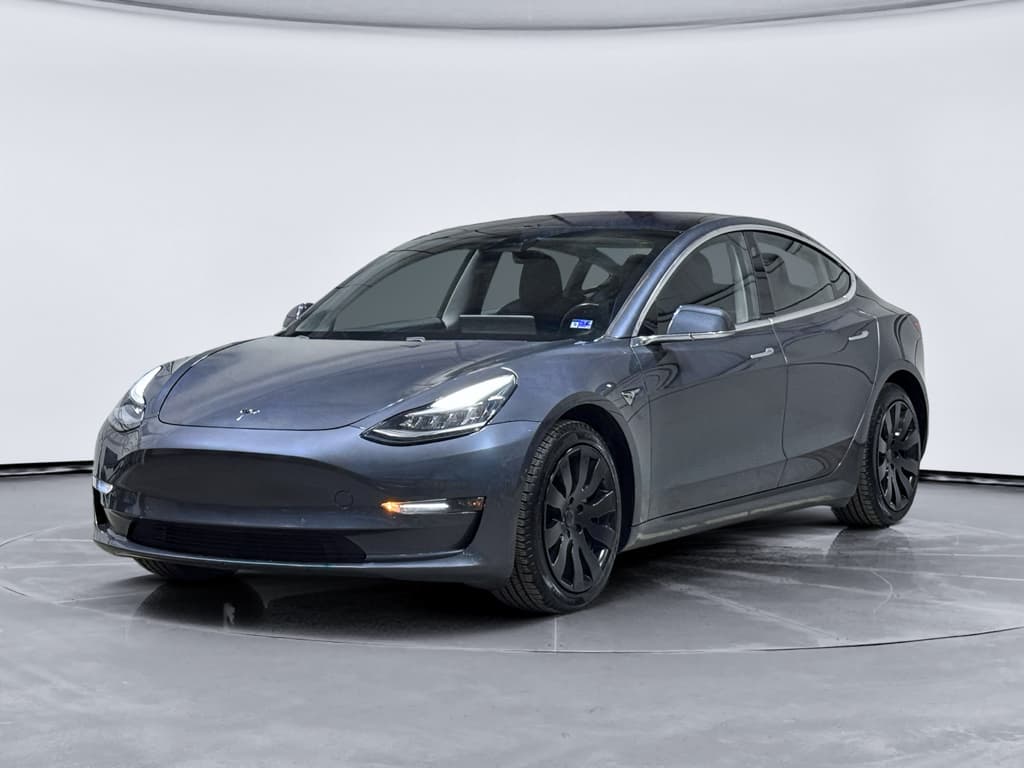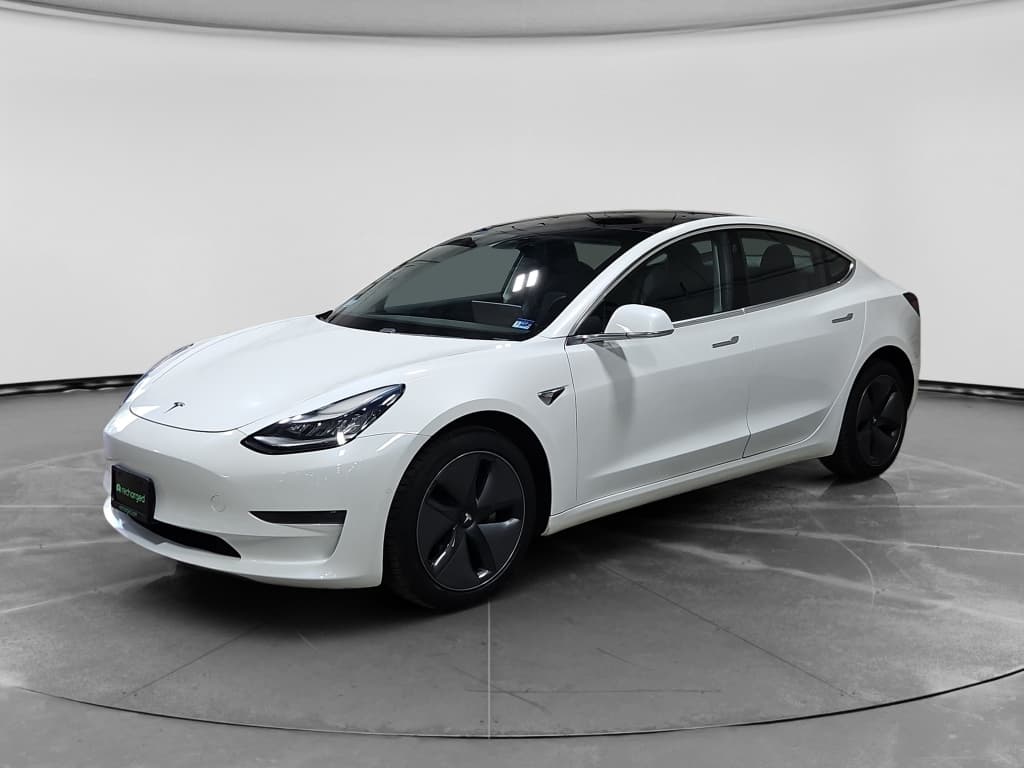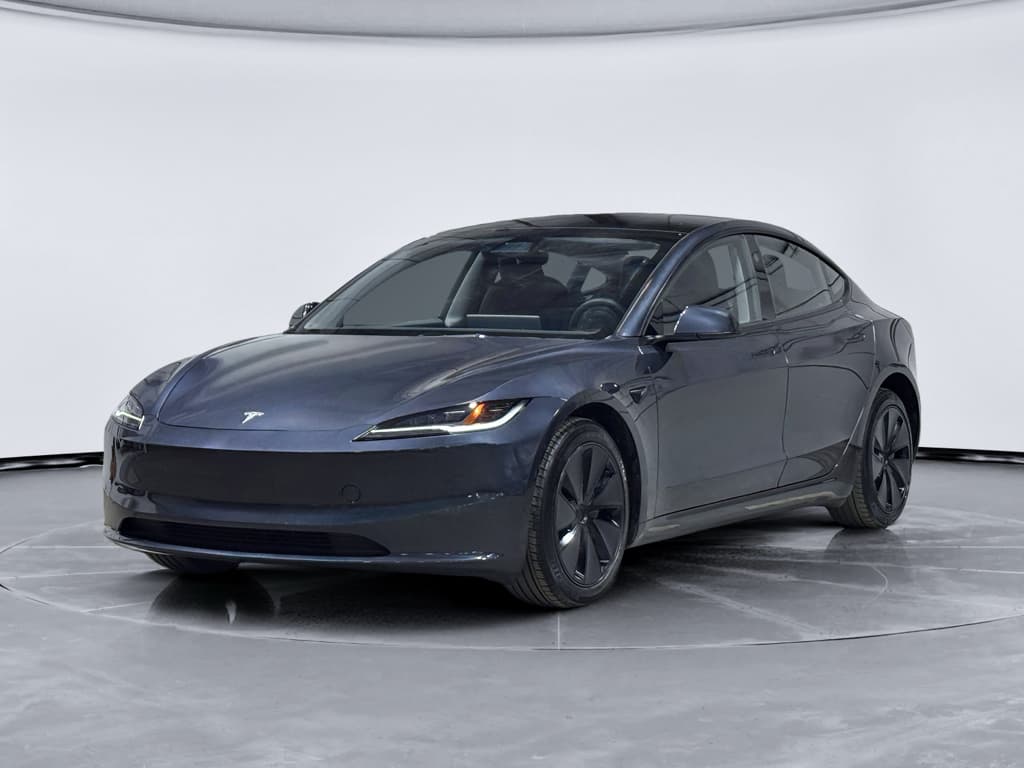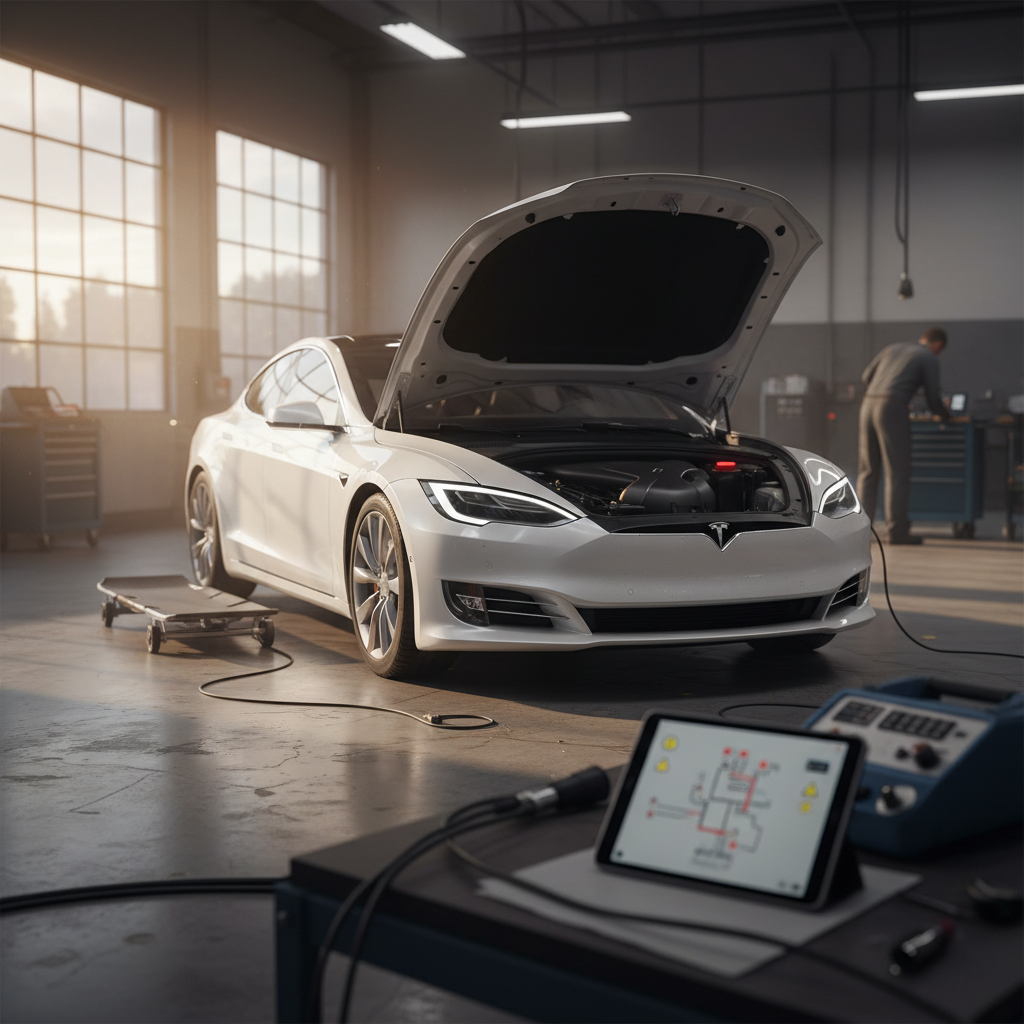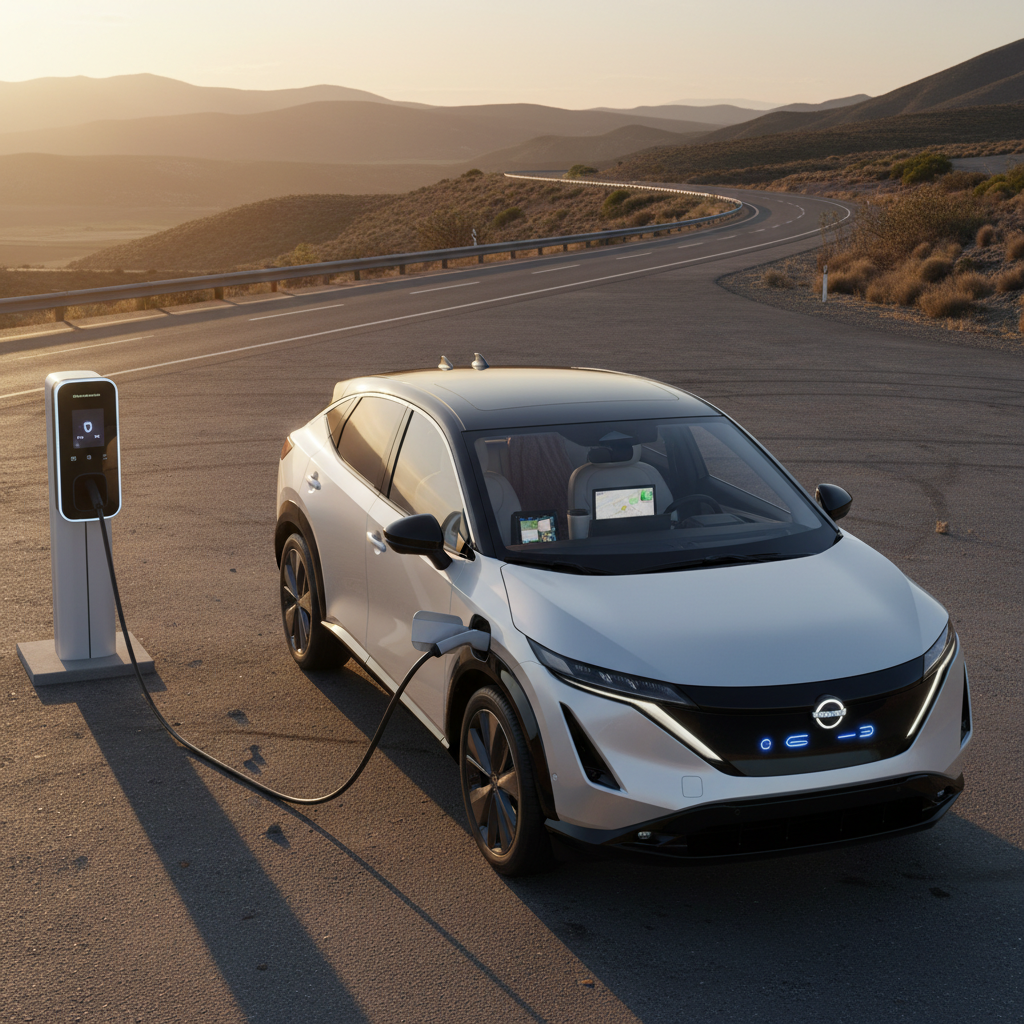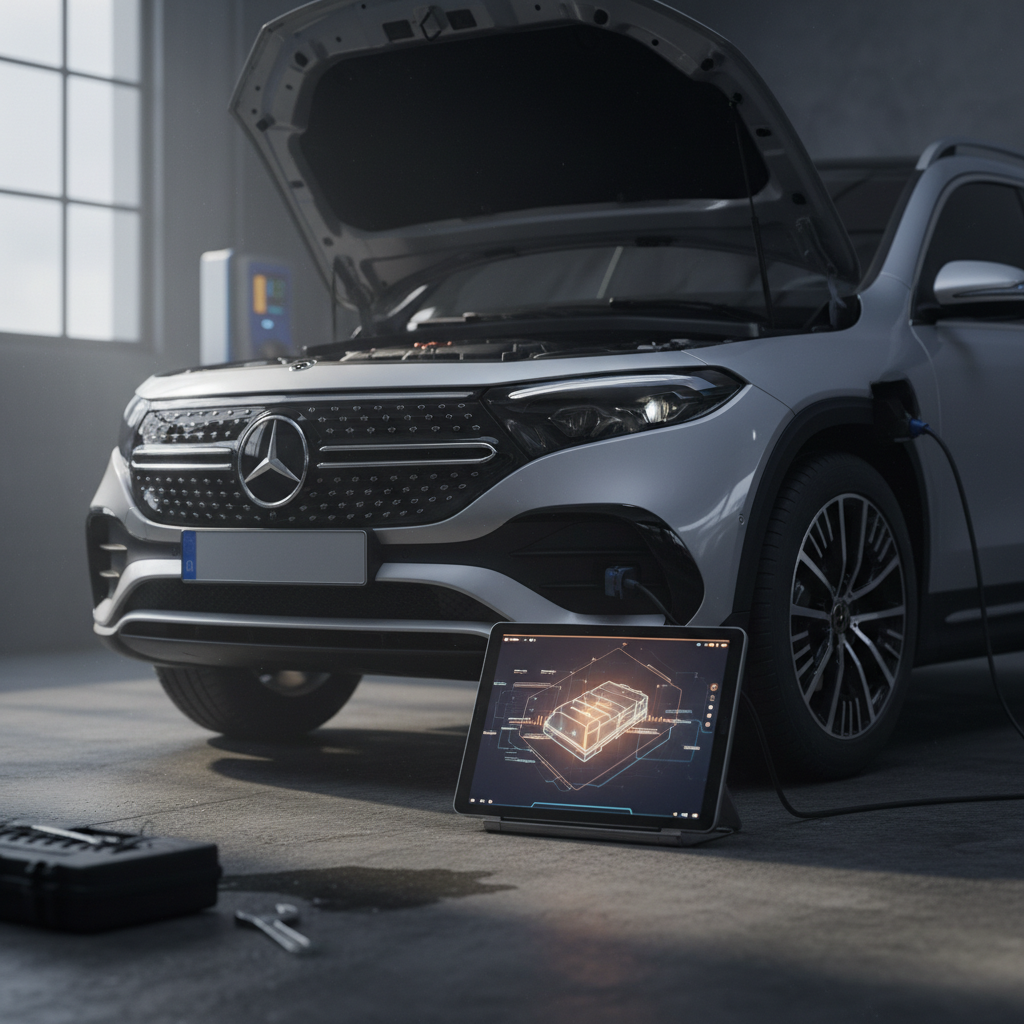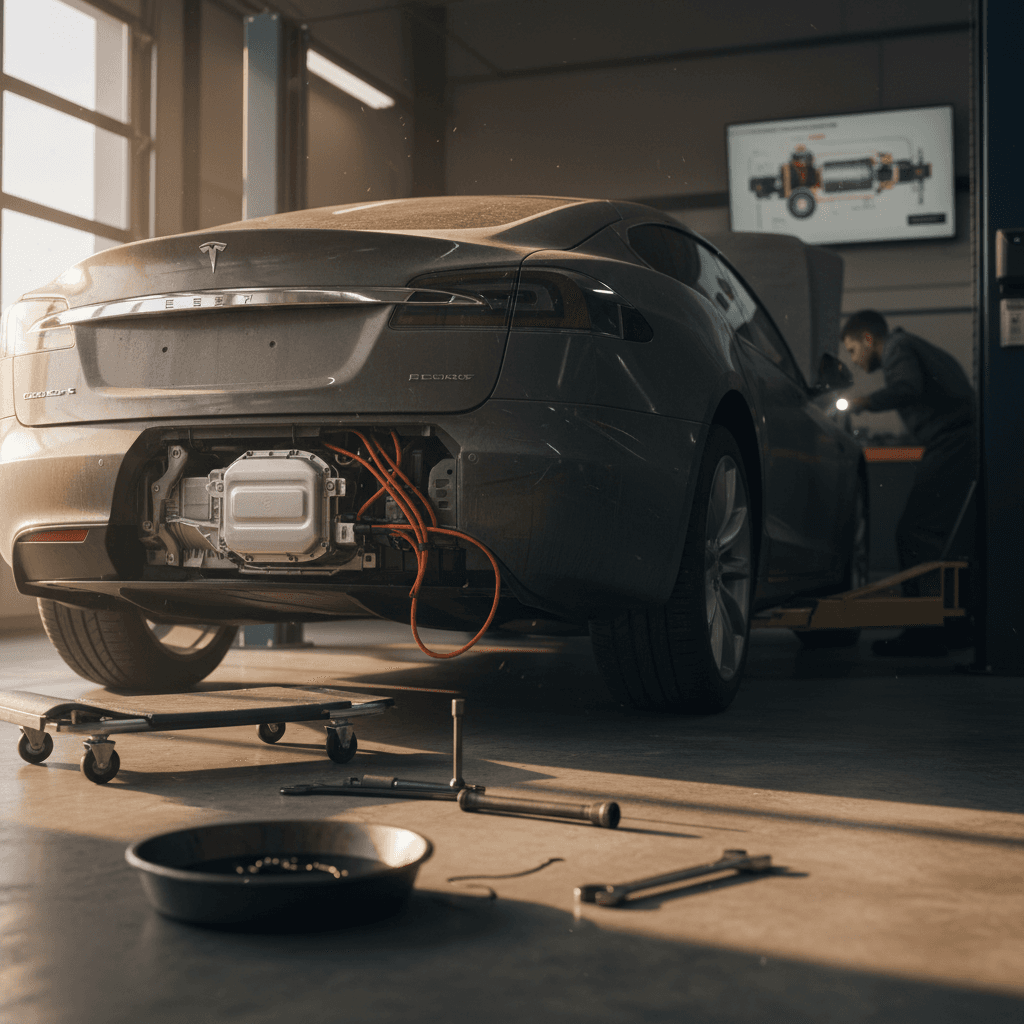
Do EVs have coolant? Yes, most modern electric vehicles do use coolant, just not in the same way as a gasoline car. Instead of cooling a hot engine, an EV’s thermal system manages the temperature of the battery pack, drive motor, power electronics, and often the cabin, too. Understanding how that works is key if you own an EV today or you’re shopping the used market.
Key Takeaway
Do EVs Have Coolant? The Short Answer
- Yes, most EVs have coolant. They use a liquid (usually an ethylene-glycol–based mix) in closed loops to cool the battery and electronics.
- Some early or budget EVs are air‑cooled. These rely on fans or ambient air, and typically charge more slowly and are more sensitive to heat.
- The coolant system is usually low-maintenance. It’s sealed, inspected periodically, and typically serviced every 80,000–150,000 miles or about every 5–10 years, depending on the automaker.
- Coolant health directly affects battery health. Good thermal management means more consistent range, better fast‑charging, and slower battery degradation.
If you pop the hood on a modern Tesla, Hyundai Ioniq 5, Ford Mustang Mach‑E, or Chevy Blazer EV, you’ll see reservoirs, hoses, and sometimes a radiator, just like a gas car. Underneath, though, the purpose is different: the coolant is there to keep the high‑voltage battery and electronics in their ideal temperature window so the car can charge quickly, deliver power reliably, and maintain long‑term health.
Why Electric Vehicles Need Cooling at All
Electric motors are efficient, and EVs don’t have the constant combustion heat that gasoline engines generate. But EV batteries and power electronics still produce a surprising amount of heat, especially under hard acceleration, long highway drives, or DC fast‑charging.
Where Heat Comes From in an EV
Three main components drive the need for coolant
High-Voltage Battery
Motor & Inverter
Onboard Chargers & Electronics
Thermal Sweet Spot
How EV Cooling Systems Work (Battery, Motor, Cabin)
At a high level, an EV cooling system looks familiar: coolant loops, pumps, valves, heat exchangers, and a radiator. What’s different is how those pieces are connected and how smartly the car can shuffle heat around between the battery, drive unit, and cabin.
Liquid Cooling Is Now the EV Standard
1. Liquid Cooling Loops
Most EVs circulate a specialized coolant through channels or plates running alongside the battery cells, motor, and power electronics. The coolant absorbs heat, then releases it through a radiator or chiller. Systems ramp flow up during fast‑charging or hard driving, and back off when the car is just cruising.
In many vehicles, multiple loops can be connected or isolated with valves, so the battery, drive unit, and cabin can share or shed heat as needed.
2. Integration With Heat Pumps and A/C
Newer EVs use heat pumps and clever valve blocks to move heat around instead of wasting it. For example, a Tesla Model Y uses a water‑glycol coolant loop to manage the battery and powertrain, while a refrigerant loop handles the cabin, and they share heat through a chiller.
Result: better winter range, faster cabin warm‑up, and more efficient battery pre‑conditioning before a fast‑charge stop.

Which EVs Have Coolant, and Which Don’t
Not every EV uses liquid coolant, but by 2025, it’s become the norm. The pattern is simple: the more powerful the battery and charging system, the more likely it is to be liquid‑cooled.
Common Cooling Approaches by EV Type
Examples to give you a feel for how different EVs manage heat
| Type of EV | Example Models | Battery Cooling Type | What It Means for You |
|---|---|---|---|
| Early / Entry-Level EVs | 1st‑gen Nissan Leaf, some city EVs | Air‑cooled or minimally cooled | Simpler but more heat‑sensitive; fast‑charging and hot‑climate use can accelerate degradation. |
| Mainstream Modern EVs | Hyundai Ioniq 5/6, Kia EV6, Ford Mustang Mach‑E | Liquid‑cooled battery and power electronics | Better fast‑charging and durability; coolant system adds a bit of service complexity. |
| High-Performance EVs | Tesla Model 3/Y/S/X, Porsche Taycan, BMW i4 | Advanced liquid cooling with multiple loops | Aggressive thermal control for repeat performance and rapid charging, often with battery pre‑conditioning. |
| Plug‑in Hybrids | Toyota RAV4 Prime, Mitsubishi Outlander PHEV | Hybrid systems vary (some air, many liquid) | Smaller packs sometimes rely on air; newer designs are moving to liquid for consistent performance. |
Always check your specific owner’s manual, but this gives you a realistic sense of what’s out there.
Don’t Assume “No Coolant”
EV Coolant vs. Gas-Car Coolant: What’s Different?
If you’ve owned gasoline cars, you’re used to engine coolant circulating through a radiator, thermostat, and heater core. EV coolant looks similar in a bottle, but it lives a very different life and has stricter requirements.
EV Coolant vs. Engine Coolant
Same idea, different priorities
1. Purpose
- Gas car: Primarily cools a hot engine block and prevents boiling/freezing.
- EV: Keeps battery, motor, and power electronics in a tight temperature range for performance, charging, and longevity.
2. Electrical Safety
EV coolants must have tightly controlled conductivity so they don’t create leakage paths in high‑voltage systems. Using generic aftermarket coolant can damage components or trigger safety faults.
3. System Design
Many EVs use multiple low‑pressure cooling loops that can be linked together. Some share heat with the cabin A/C or heat pump; others keep battery and powertrain loops separate.
4. Service Expectations
Coolant in an EV is typically in a sealed system, with much longer service intervals than you might be used to, often measured in years or 80,000–150,000‑mile bands.
EV Coolant Maintenance: Intervals, Costs, and Red Flags
The good news: you’re not going in for coolant flushes every other oil change. EV coolant is a long‑life fluid, and systems are designed to be low‑touch. Still, it isn’t “set and forget” forever.
Typical EV Coolant Maintenance (Owner’s Manual Always Wins)
1. Inspection every 10,000–20,000 miles or annually
Most manufacturers recommend at least an annual or periodic check of coolant level, color, and for any visible leaks during routine service visits or tire rotations.
2. Coolant replacement around 80,000–150,000 miles
Guidelines vary: some brands suggest around 80,000 miles, others closer to 150,000 miles or 5–10 years. A few claim lifetime coolant, but many EV technicians still recommend eventual replacement.
3. Professional-only service
Because the cooling system sits right next to high‑voltage components, service is usually a shop job, not a DIY driveway flush. Specialized equipment is used to bleed air and avoid contamination.
4. Watch for warning messages
Modern EVs monitor coolant temperature and flow. If a battery cooling or drive system warning pops up, don’t ignore it, thermal problems can snowball quickly.
5. Look (and sniff) for leaks
Sweet smells, colored puddles under the car, or damp spots around hoses and connections are all coolant‑leak clues. Any sign of leakage near the battery pack deserves immediate attention.
Do Not Use Generic Antifreeze
Coolant, Fast Charging, and Battery Health
One of the biggest reasons automakers moved almost universally to liquid‑cooled packs is fast charging. When you pump a lot of energy into a big battery in 20–30 minutes, you create a ton of heat in a short window.
Why Cooling Matters at the Plug
- Pre-conditioning: Many EVs warm or cool the battery before a DC fast‑charge session, using coolant and a heat pump or chiller. That’s why you’ll sometimes hear fans and pumps running when you navigate to a fast charger.
- Maintaining charge speed: If the pack gets too hot, the car will throttle charging current to protect the cells. A healthy cooling system helps you stay closer to those headline 150–350 kW charge rates.
What This Means Over Time
Efficient thermal management doesn’t just preserve charge speed; it slows long‑term degradation, especially in hot climates. A liquid‑cooled pack that’s kept in its comfort zone typically holds its capacity better than an air‑cooled pack that bakes through summers and fast‑charges.
Why This Matters for Used EVs
Shopping Used? Cooling System Questions to Ask
If you’re evaluating a used EV, coolant and thermal management won’t be the first items on the window sticker, but they should be on your checklist. Cooling problems tend to be expensive, and they show up as battery issues, not just puddles on the driveway.
Coolant & Thermal Questions for a Used EV
1. Is the battery liquid‑cooled or air‑cooled?
Liquid‑cooled packs generally handle heat, fast‑charging, and high mileage better. An air‑cooled design may be fine for short commutes in mild climates but deserves extra scrutiny in hot regions.
2. Has the coolant ever been serviced?
Ask for records: coolant inspections, replacements, or any cooling‑system repairs. A car at or past the OEM interval with no evidence of service might need attention soon.
3. Any history of cooling system warnings or repairs?
Battery cooling faults, pump replacements, or radiator work are all worth asking about. A properly repaired issue isn’t a dealbreaker, but repeat faults can be a red flag.
4. How does the car behave at fast chargers?
If the previous owner reports sudden slowdowns or charging sessions that feel unusually long, thermal throttling might be involved, or it could simply be pack age. A proper battery health report helps separate the two.
5. Was the car used in extreme climates or heavy towing?
High ambient heat, frequent mountain towing, and daily DC fast‑charging all put extra load on the cooling system. That doesn’t automatically make the car a bad buy, but it raises the bar for clean health data.
How Recharged Checks EV Cooling and Battery Health
Cooling is one part of a much bigger picture when you’re buying or selling a used electric vehicle. At Recharged, every EV we list goes through a battery‑focused evaluation designed to surface exactly the issues most owners worry about but can’t see from a simple test drive.
What Recharged Looks At Beyond Coolant
Making EV ownership simpler and more transparent
Verified Battery Health
Thermal & Charging Behavior
Ownership Made Easy
Ready to find your next EV?
Browse VehiclesSeller Advantage
FAQs: Common Questions About EV Coolant
Frequently Asked Questions About EV Coolant
The Bottom Line: Coolant Matters, Just Not Like It Used To
Electric vehicles absolutely use coolant, but instead of just keeping an engine from overheating, that fluid is quietly protecting the most expensive component in the car: the battery pack. A well‑designed, properly maintained cooling system supports strong range, repeatable fast‑charging, and slower degradation over the life of the vehicle.
For you as an owner or shopper, that means two things. First, don’t ignore thermal warnings or assume fluid‑free means maintenance‑free. Second, when you’re considering a used EV, look beyond the odometer and ask how the car manages and maintains temperature. If you’d rather not decode that on your own, buying or selling through Recharged gives you a verified battery and thermal story up front, so you can focus on the right EV, at the right price, with fewer surprises down the road.