If you’ve just learned that electric cars don’t need oil changes, your next question is usually, “Do electric vehicles have coolant?” The answer is yes, most modern EVs do use coolant, but not in the same way a gasoline car does. Instead of cooling an engine, that fluid helps keep the battery, motor, and power electronics in their comfort zone so you get consistent range, performance, and battery life.
Bottom line up front
Do Electric Vehicles Have Coolant? The Short Answer
In a traditional car, coolant (antifreeze) circulates around a hot engine block to keep it from overheating. An EV doesn’t have that engine, but there’s still a lot of heat to manage. Batteries, inverters, and electric motors all generate heat, especially during fast charging or highway driving. That’s why most EVs use one or more closed liquid-cooling loops filled with a water–glycol mixture formulated specifically for high‑voltage systems.
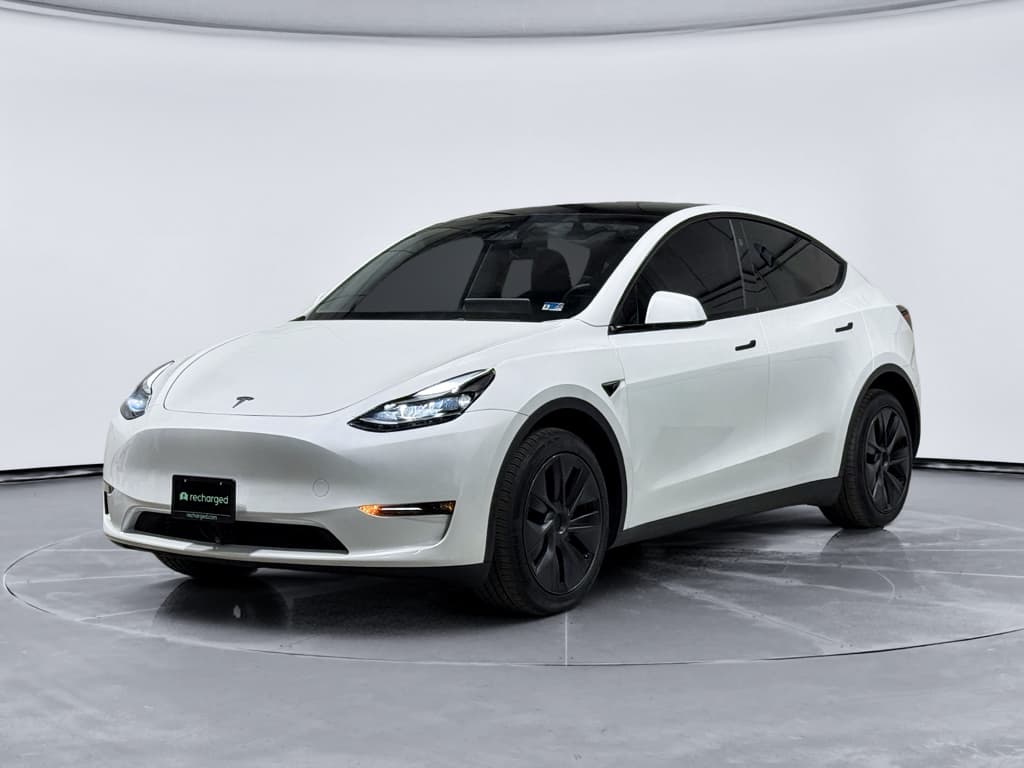
- Yes: Nearly all modern mainstream EVs (Tesla, Hyundai Ioniq 5/6, Kia EV6, Ford Mustang Mach‑E, VW ID.4, etc.) use liquid coolant.
- Sometimes: A few lower‑cost or early EVs use air cooling for the battery but still use coolant for other components.
- No engine coolant: There’s no big, hot combustion engine, so the job coolant does, and the way the system is laid out, is different from a gas car.
Think of coolant as “thermal insurance”
What Actually Gets Cooled in an Electric Vehicle
When people ask, “Do electric cars use coolant?” what they really need to know is what parts actually depend on it. In most modern EVs, a liquid cooling loop (or several loops) is responsible for managing heat in three critical areas.
Main EV Components That Use Coolant
More than just the battery depends on thermal management
High‑voltage battery pack
This is the big one. The pack can warm up during fast charging and hard driving, or get too cold in winter. Coolant channels or plates weave through the pack to keep temperatures balanced and extend battery life.
Inverter & power electronics
The inverter turns DC battery power into AC for the motor. It works hard and gets hot. Liquid coolant pulls heat away from these electronics so they can deliver full power reliably.
Drive motor (or motors)
Modern EV motors often have coolant jackets around the stator. Keeping the motor at a stable temperature helps maintain performance and allows repeated acceleration without overheating.
Three separate jobs in one
How EV Cooling Systems Work vs Gas Cars
Cooling in a gas car
- Coolant flows through passages in a hot engine block.
- A water pump circulates coolant through a radiator up front.
- A thermostat opens and closes to regulate engine temperature.
- Waste heat is used to warm the cabin via a heater core.
Cooling in an electric vehicle
- Coolant flows through battery modules, inverter, and motor housings.
- Electric pumps move coolant through radiators and heat exchangers.
- Valves and controllers actively manage which components get cooled or heated.
- A heat pump or chiller often ties the cabin A/C into the battery loop for efficient heating and cooling.
Under the skin, the idea is similar, move heat away from hot parts into the outside air, but EV systems are more like a climate-control network than a simple engine loop. In many newer EVs, a heat pump can pull heat from the battery, motor, or outside air and route it wherever it’s needed: the cabin, the pack, or a radiator.

Which EVs Use Liquid Coolant, and Which Don’t?
Not every EV handles heat the same way. As battery packs have grown larger and DC fast‑charging has become the norm, liquid cooling has largely won out over air cooling, but you’ll still see both approaches in the used market.
Common Cooling Approaches in EVs
General patterns you’ll see in the U.S. market (always verify the specifics for a given model year).
| EV type / era | Typical battery cooling | Notes |
|---|---|---|
| Early & budget EVs (older Leaf, some city cars) | Passive or forced air | Simpler and cheaper; can suffer in extreme heat during repeated fast charging. |
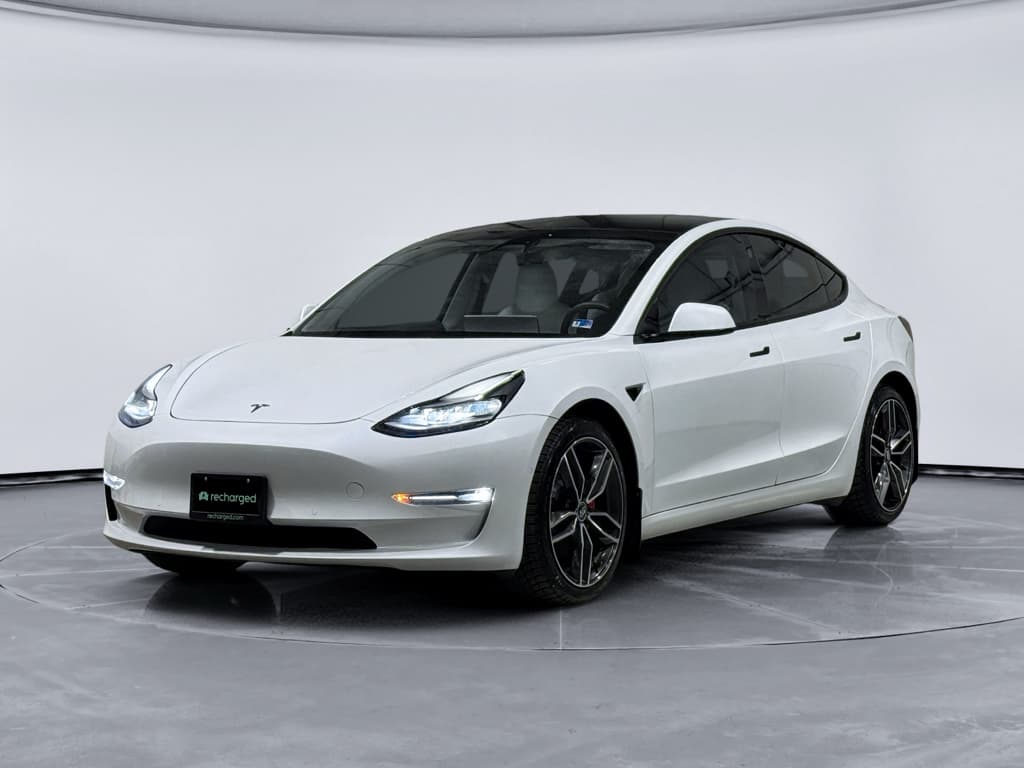
| Mainstream modern EVs (Tesla 3/Y, Hyundai Ioniq 5/6, Kia EV6, Mustang Mach‑E, VW ID.4, etc.) | Liquid coolant | Enables faster charging, better performance, and more consistent range. |
| Performance & luxury EVs (Tesla S/X, Porsche Taycan, Lucid Air, BMW i4, etc.) | Advanced liquid cooling with multiple loops | Optimized for repeated fast charging and high‑speed driving. |
| Some specialty or low‑volume designs | Air or immersion cooling | A few niche vehicles use air only; some race or experimental EVs use immersion cooling with special non‑conductive fluids. |
Exact cooling strategy can vary by model year and trim, this table is a guide, not a replacement for the owner’s manual.
Don’t assume older = bad
EV Coolant Maintenance: Service Intervals & Lifespan
Here’s some good news for your maintenance budget: EV coolant generally lasts a long time. With no combustion by‑products contaminating the system and carefully sealed loops, manufacturers can stretch intervals much farther than you might be used to on a gas car.
Typical EV Coolant Service Guidance
Different brands publish different schedules, General Motors, Nissan, Tesla, and others each specify their own coolant life and service steps. The key point is that EV coolant is not a frequent, every‑few‑years maintenance item for most drivers.
How to Stay on Top of EV Coolant Maintenance
1. Read the coolant section of your owner’s manual
Look for <strong>coolant type, change interval, and warnings</strong> about opening high‑voltage cooling circuits. EV coolant is often low‑conductivity and not interchangeable with generic green antifreeze.
2. Have coolant inspected during major services
Ask the shop to <strong>check for leaks, pump noise, or obvious hose issues</strong> during big milestone services, especially if you fast‑charge often or live in a hot climate.
3. Avoid topping off coolant yourself
Opening the wrong reservoir on a high‑voltage system can void warranties or introduce air and contamination. Let an <strong>EV‑trained technician</strong> handle it unless the manual explicitly says otherwise.
4. Watch for warning lights and performance changes
Messages about reduced power, thermal limits, or cooling system faults are your cue to <strong>schedule service quickly</strong>, especially before a long trip.
Where Recharged fits in
Ready to find your next EV?
Browse VehiclesCoolant & Battery Health When You’re Buying Used
When you’re looking at a used EV, you obviously can’t see coolant flowing through a battery pack. But thermal history leaves fingerprints, and they matter to long‑term battery health and value.
What coolant tells you indirectly
- Liquid‑cooled packs typically handle fast charging and hot weather better than air‑cooled designs.
- Good thermal control helps slow battery degradation, which preserves range in year 8 as well as year 2.
- Minor coolant issues caught early are usually far cheaper than ignoring warning lights until components overheat.
Questions to ask when shopping used
- Has the car ever shown thermal or reduced‑power warnings?
- Has the battery or drive unit been serviced for coolant leaks?
- How often has the car been DC fast‑charged (especially in very hot or cold climates)?
- Is there an independent battery‑health report, not just a dash gauge, backing up the seller’s claims?
Use data, not guessing
Winter Driving, Heat Pumps & Coolant
Cold weather changes the coolant conversation. At low temperatures, lithium‑ion batteries don’t like to charge quickly, and cabin heating can eat into range. That’s where heat pumps and clever thermal routing earn their keep.
How Coolant Helps in Cold Weather
Why some EVs keep more range in winter than others
Preconditioning the battery
Before a DC fast‑charge session, or even before you leave the driveway, many EVs use coolant loops to warm the battery into its sweet spot. A warm pack can charge faster and deliver more power.
Heat pumps & shared loops
Heat pumps can shuttle energy between the cabin and the battery loop. Instead of using a wasteful resistive heater, your EV can rob a little heat from the pack or ambient air and move it where it’s needed.
Expect some winter range loss
EV Coolant Safety & Common DIY Mistakes
Because coolant sounds familiar, many handy owners assume they can treat an EV like an old Civic: pop the cap, top it off, and call it a day. That’s a mistake. High‑voltage coolant circuits are a different animal.
Common Coolant Mistakes to Avoid With an EV
Using generic green antifreeze
EV coolant is typically <strong>low‑conductivity</strong> and specifically formulated for high‑voltage systems. The wrong fluid can cause corrosion, pump damage, or, in a worst‑case scenario, provide an unintended path for current.
Opening high‑voltage reservoirs casually
Many manuals explicitly warn owners <strong>not to open</strong> certain coolant reservoirs. Doing so can introduce air, trigger warning lights, or void portions of the battery warranty.
Ignoring small leaks or stains
Coolant leaks rarely fix themselves. A faint sweet smell or small spot under the car deserves a check, especially near <strong>battery or motor cooling hardware</strong>.
Skipping service after a curb strike
A hard curb hit or debris strike can damage low‑mounted radiators or coolant lines. If you’ve had a big impact, have the underbody and cooling system inspected.
When to stop driving
FAQ: Coolant and Electric Vehicles
Frequently Asked Questions About EV Coolant
Key Takeaways for Everyday EV Owners
- Most modern electric vehicles do have coolant, but it’s used to control temperatures in the battery, motor, and power electronics, not an engine.
- Liquid‑cooled packs generally handle fast charging, hot weather, and performance driving better than air‑cooled designs.
- EV coolant is usually a long‑life, low‑conductivity fluid that doesn’t need frequent changes, but leaks or warning lights always deserve prompt attention.
- DIY coolant work on an EV can be risky; high‑voltage cooling circuits are best left to trained technicians who understand the specific system.
- When you’re buying used, focus on battery health data and thermal history, not just the dash range estimate. A vehicle with well‑managed temperatures is more likely to deliver strong range for years to come.
- Shopping on Recharged gives you an advantage: every vehicle includes a Recharged Score Report, transparent pricing, and EV‑specialist support so you understand exactly how that EV has been treated before you drive it home.
So yes, electric vehicles absolutely have coolant, and in many ways that coolant is the silent partner that makes modern EVs so capable. You don’t have to obsess over it the way you would oil changes on a gas car, but understanding how thermal management works will make you a smarter owner and a sharper shopper. Whether you’re comparing your first EV or trading into something newer, taking coolant and battery health seriously will pay dividends every mile you drive.