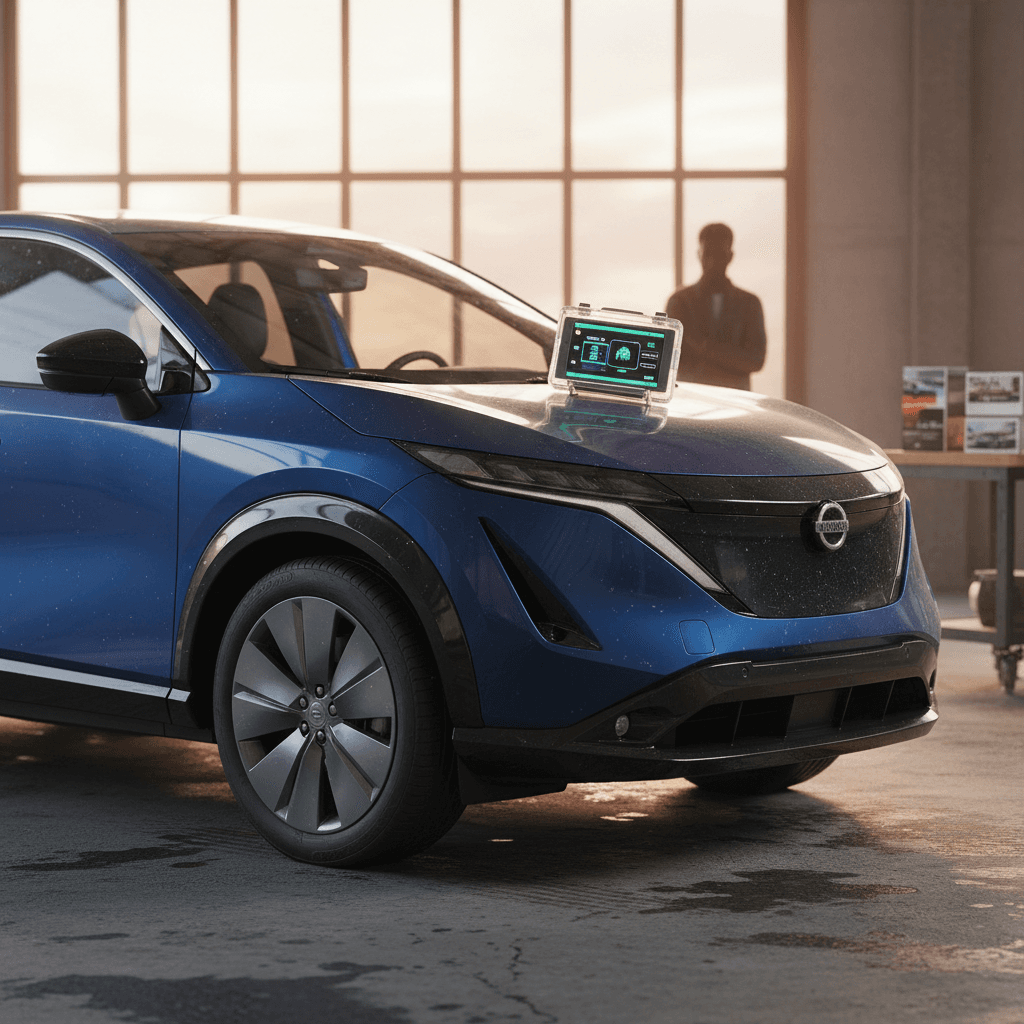
If you’re eyeing a discounted used Nissan Ariya in 2026, you’re not alone. Incentives on new models and steep depreciation on early builds have made the Ariya one of the more tempting EV bargains. But search for “Nissan Ariya reliability 2026” and you’ll find a mix of glowing owner stories and worrying tales of error codes, 12‑volt battery failures, and slow dealer support. This guide pulls those threads together so you can separate real risk from forum noise.
What this guide covers
Nissan Ariya Reliability in 2026: Big Picture
Nissan Ariya Reliability Snapshot (2023–2025 builds)
The Ariya is neither a disaster nor an unkillable tank. Think of it as a generally solid EV whose weak points are software, dealer readiness, and some early‑build defects, not its core battery or motor design. For a value‑oriented used buyer, that’s actually good news, as long as you know what to look for.
How the Ariya Has Performed So Far
The Ariya arrived in the U.S. as a 2023 model, expanding on Nissan’s long EV experience with the Leaf but adding a liquid‑cooled pack, an all‑new platform, and a far more complex software stack. That combination, new platform plus heavy software, almost always means teething issues in the first few model years.
- Early owner reports from 2023–2024 show many Ariyas running tens of thousands of miles with no major mechanical faults.
- The most common reliability complaints are warning messages, 12V battery failures, and intermittent issues with powered features (power liftgate, folding mirrors, seats).
- Dealership experience has been highly variable: some owners are in and out quickly; others wait weeks for parts or a technician trained on the Ariya platform.
- By 2025, Nissan had issued multiple software updates and at least one notable recall campaign targeting specific safety‑critical parts (more on that next).
Model year perspective
Major Recalls and Known Defects
No reliability discussion is complete without looking at recalls. Recalls don’t automatically make a vehicle unreliable, especially if they’re proactively fixed, but they tell you where engineers had to go back to the drawing board.
Key Nissan Ariya Recall Themes (U.S.)
Always run a VIN check on the NHTSA site or with a dealer to confirm that any open Ariya recalls have been performed.
| Issue | Model Years Affected (U.S.) | What Can Happen | What the Fix Involves |
|---|---|---|---|
| Steering wheel attachment | Early 2023 builds | Steering wheel could loosen or detach if improper fastening components were used. | Inspection of steering wheel boss and fasteners; replacement of parts where necessary. |
| Front traction motor / inverter calibration (selected VINs) | 2023 | Potential loss of motive power or error messages under certain conditions. | Software update and/or component inspection; performed at dealer. |
| Various software‑based ADAS or warning light behaviors | 2023–2024 | Incorrect or persistent warning lights; possible reduced ADAS functionality. | Control‑unit reprogramming with latest software and calibrations. |
Recall campaigns evolve over time; verify status by VIN before you buy.
Don’t skip the VIN check
From a used‑buyer standpoint, the good news is that these recalls are fix‑able, one‑time issues rather than chronic design defects. A documented recall repair is not a reason to reject a car; an open, unaddressed recall on a vehicle that’s been in dealer service multiple times is a bigger red flag about how that specific car has been treated.
Software, Electronics, and 12V Battery Issues
Most of the Ariya horror stories you’ll find online revolve around electronics: EV system error messages, random warning lights, or a car that won’t ‘ready up’ because of a weak 12V battery. This isn’t unique to Nissan, modern EVs effectively park themselves if any safety‑critical system misbehaves, but the Ariya has clearly had a learning curve.
Common Non‑Catastrophic Ariya Issues
These are annoying more than fatal, but they’re worth screening for on a test drive.
12V battery failures
Multiple owners report unexpected 12V battery deaths in the first 1–3 years. When the 12V sags, the Ariya can show a flurry of error codes or refuse to start, even if the main traction pack is healthy.
Fix: 12V replacement and software updates; ask if the 12V has already been replaced under warranty.
Random EV system warnings
Messages like “EV System Failure” or ADAS warnings that clear on restart are usually software‑ or sensor‑related rather than evidence of a dying battery pack.
Fix: Updated control‑unit software, sensor calibration, and sometimes 12V replacement.
Powered feature quirks
Intermittent power liftgate, folding mirror, or seat issues pop up in some owner reports, more irritating than dangerous.
Fix: Component replacement or adjustment under warranty; make sure everything works consistently on your test drive.
Why EVs are so sensitive to 12V issues
By 2025 and into 2026, updated software and replacement 12V batteries seem to have reduced the frequency of these complaints on newer builds, but they haven’t eliminated them. When you’re evaluating a used Ariya, you want evidence that the car is on the right side of that learning curve: recent software versions, a documented 12V replacement if applicable, and no history of chronic, unresolved warning‑light visits.
Battery Health, Thermal Management, and Range
If you came from an early Leaf, you may still have nightmares about passive‑air‑cooled batteries cooking in the sun. The Ariya is a different animal: it uses a liquid‑cooled pack with active thermal management, which dramatically improves long‑term durability, especially in hot climates.
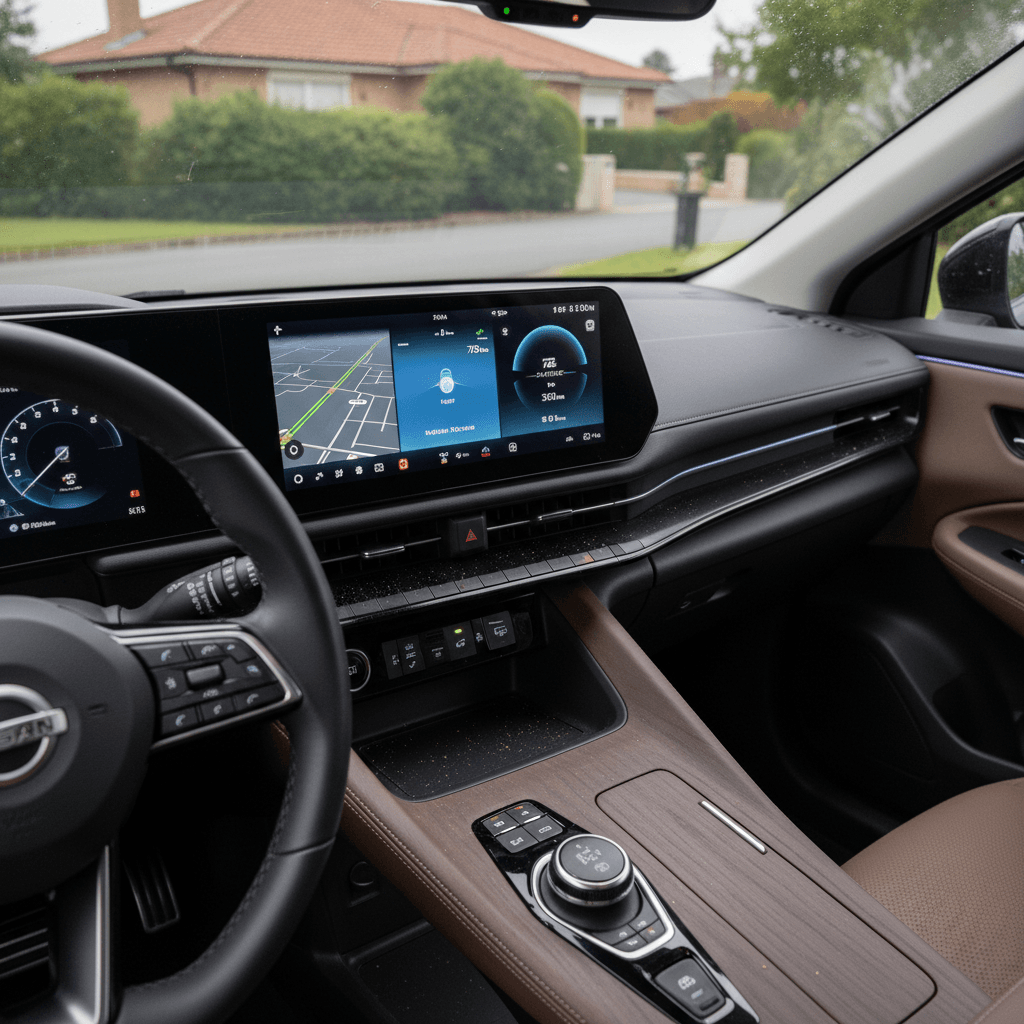
- Early‑fleet data and owner logs suggest modest degradation over roughly three years of use, often still in the high‑90% state‑of‑health range when properly charged and stored.
- The Ariya’s pack chemistry and cooling strategy appear conservative rather than bleeding‑edge, which helps longevity even if it doesn’t set charging‑speed records.
- Most range complaints are about winter efficiency and DC‑fast‑charge speed, not about sudden battery failure or massive capacity loss.
How to quickly sanity‑check pack health
If you’re buying privately, consider paying for an independent EV battery check, especially on high‑mileage 2023 models. At Recharged, every used Ariya we list comes with a Recharged Score battery health diagnostic, so you can see how that individual pack compares to similar vehicles, not just what it looked like on paper when it left the factory.
Drivetrain, Suspension, and Mechanical Reliability
Purely mechanical reliability, motors, reduction gears, suspension hardware, has not been the headline issue for the Ariya. If anything, the pattern looks like this: solid core hardware, with outlier cases of front‑motor replacement or odd suspension noises rather than systemic design flaws.
Powertrain and e-4ORCE system
Front‑drive Ariyas and dual‑motor e‑4ORCE models share the same basic motor design philosophy Nissan has been evolving since the Leaf. A few owners have reported front‑motor or inverter replacements under warranty, but there’s no sign of a widespread, Model‑S‑style drive‑unit epidemic.
On a test drive, listen for whines, grinding, or shudder under acceleration, especially in e‑4ORCE cars, and confirm smooth, repeatable regenerative braking behavior.
Suspension and steering
Some owners mention clunks, creaks, or alignment worries, particularly after pothole impacts or curb strikes. That’s not unique to the Ariya, but labor and parts availability can stretch repair timelines compared with a mainstream gas crossover.
Have a pre‑purchase inspection check bushings, struts, and alignment, and review the Carfax or service history for collision repairs that might explain persistent noises.
Good news on brakes and fluids
Service Network and Repair Experience
If there’s one area where the Ariya behaves like a first‑generation EV, it’s in the service bay. The underlying hardware may be reasonably stout, but your experience depends heavily on how EV‑literate your local Nissan dealer is.
What Owners Report About Ariya Service
Same car, very different experiences depending on the dealer.
Strong EV dealers
Some stores invested early in Ariya training and equipment. Owners report quick diagnosis, proper battery and ADAS calibrations, and straightforward warranty work.
Long wait times
Others struggle with parts availability or calibration tools, especially for body‑repair calibrations and unusual warning‑light issues. Multi‑week waits are not unheard of.
Documentation matters
Well‑documented service records, especially software updates, recall closure, and ADAS calibrations, are a strong signal that an Ariya has been cared for and that the local dealer knows what it’s doing.
Plan for your nearest competent Ariya shop
Cost of Ownership and Depreciation in 2026
The Ariya’s reliability story is tightly linked to its economics. In 2026, used prices for 2023–2024 Ariyas are often significantly below original MSRP, thanks to competitive new‑EV incentives and lingering concerns about reputation. That depreciation curve cuts both ways:
- If you’re buying used, you get a lot of hardware, liquid‑cooled pack, dual‑motor e‑4ORCE, top‑shelf interior, for the money.
- If you’re the second owner and you plan to keep the car for 5–7 years, you’re insulated from most further depreciation shocks as long as the EV market doesn’t collapse.
- Insurance and property‑tax values often track resale value, so a cheaper used Ariya can be easier to carry than a pricier rival, all else equal.
Where reliability comes in is on the surprise‑cost side. A flaky 12V battery or a software reflash is cheap; extended diagnostics time at a clueless dealer is not. That’s why Recharged bakes in fair‑market pricing and a Recharged Score Report, so you can line up the vehicle’s condition with its price instead of rolling the dice on a low online listing.
How Reliable Is the Ariya vs. Rival EVs?
Zooming out, how does Ariya reliability in 2026 compare with the broader EV field, Tesla Model Y, Hyundai Ioniq 5/6, Kia EV6, VW ID.4, Ford Mustang Mach‑E? It lands somewhere in the middle.
Nissan Ariya vs. Rival EV Reliability Patterns
Generalized comparison based on owner reports and reliability surveys as of early 2026. Individual cars vary widely.
| Model | Typical Weak Spots | Battery/Powertrain Reputation | Dealer/Service Experience |
|---|---|---|---|
| Nissan Ariya | Software glitches, 12V failures, dealership learning curve | Generally strong so far; few pack failures reported | Highly variable; EV‑savvy dealers are fine, others struggle |
| Tesla Model Y | Trim rattles, paint, some electronics and HVAC issues | Mature battery/motor tech with high mileage examples on road | Factory‑owned service; good familiarity but capacity constraints in some regions |
| Hyundai Ioniq 5/6 | Early‑build software quirks, DC‑fast‑charge reliability at some stations | Good pack durability so far; strong range efficiency | Dealers improving, but EV expertise uneven |
| Kia EV6 | ADAS calibration issues after repairs, occasional charging bugs | Solid battery/motor track record to date | Similar to Hyundai: dependent on local dealer |
| VW ID.4 | Software bugs, infotainment instability, some 12V issues | Battery and motors generally fine; software lagged hardware at launch | VW has steadily improved software support, but early buyers bore the brunt |
Use this as a directional guide, not a verdict on any single vehicle.
Where the Ariya fits
Checklist: Buying a Used Nissan Ariya in 2026
Used Nissan Ariya Reliability Checklist (2026)
1. Run VIN for recalls and warranty
Check the VIN on the NHTSA site and with a Nissan dealer. Confirm that steering‑wheel and traction‑motor‑related recalls (if applicable) are completed and that basic bumper‑to‑bumper and battery warranties are still in force.
2. Verify software is up to date
Ask for a printout or screenshot of current software versions, or have the seller show recent dealer invoices noting control‑unit reprogramming. Updated software dramatically reduces nuisance warnings.
3. Ask about 12V battery history
Find out whether the 12V battery has been replaced and at what mileage. If it’s original on a 2023 with high miles, budget for proactive replacement to avoid surprise no‑start situations.
4. Inspect ADAS and powered features
On the test drive, cycle ProPILOT, lane‑keep, adaptive cruise, blind‑spot monitoring, power liftgate, power mirrors, and seat adjustments. Any hesitation, noise, or error message should be resolved before you sign.
5. Get objective battery‑health data
Don’t rely solely on the dash range estimate. At Recharged, every Ariya comes with a <strong>Recharged Score battery health diagnostic</strong>. If you’re shopping elsewhere, pay for a third‑party EV inspection that can read pack state‑of‑health.
6. Evaluate the servicing dealer
Call the servicing dealer listed in the Carfax or service records. Ask how many Ariyas they’ve serviced, whether they’re up to date on training, and how long typical repairs take. This tells you as much as the car’s VIN history does.
7. Cross‑shop price vs. risk
Compare the Ariya’s asking price to similar‑age EVs like the Model Y, Ioniq 5, or EV6. A bigger Ariya discount is appropriate if it has more complex history or you’re far from a strong Nissan EV dealer.
FAQ: Nissan Ariya Reliability in 2026
Frequently Asked Questions About Nissan Ariya Reliability
Bottom Line: Should You Buy a Used Ariya?
By 2026, the Nissan Ariya has settled into a clear pattern. It’s not the bulletproof appliance some buyers hoped for, but it’s also not the ticking time bomb that the loudest forum threads might suggest. The core EV hardware, battery pack and motors, looks solid so far. The soft spots are software, 12V support systems, and how well individual dealers have climbed the learning curve.
If you can find a late‑build 2023 or 2024 Ariya with documented software updates, completed recalls, a healthy battery report, and evidence of competent dealer support, the reliability risk starts to look very reasonable for the price. If all you can find are early builds with mysterious warning‑light histories and thin records, you’re better off either paying less, or walking away.
At Recharged, we try to shift this from guesswork to data. Every Ariya we list includes a Recharged Score Report with verified battery health, fair‑market pricing, and an EV‑specialist review of the vehicle’s history, plus financing, trade‑in options, and nationwide delivery. Whether you buy from us or not, use the same mindset: treat software history and service competence as part of reliability, not an afterthought, and you can make the Ariya’s early‑generation status work in your favor rather than against it.