If you’re eyeing a used BMW i4, i5, i7, iX or a plug‑in hybrid like the X5 xDrive45e, the phrase “BMW CPO electric car warranty” can sound reassuring, but also confusing. How long are you actually covered? Does the battery get special protection? And is Certified Pre‑Owned really worth the premium versus a clean used BMW EV from another source?
Quick answer
BMW CPO electric car warranty at a glance
Key BMW CPO EV warranty numbers
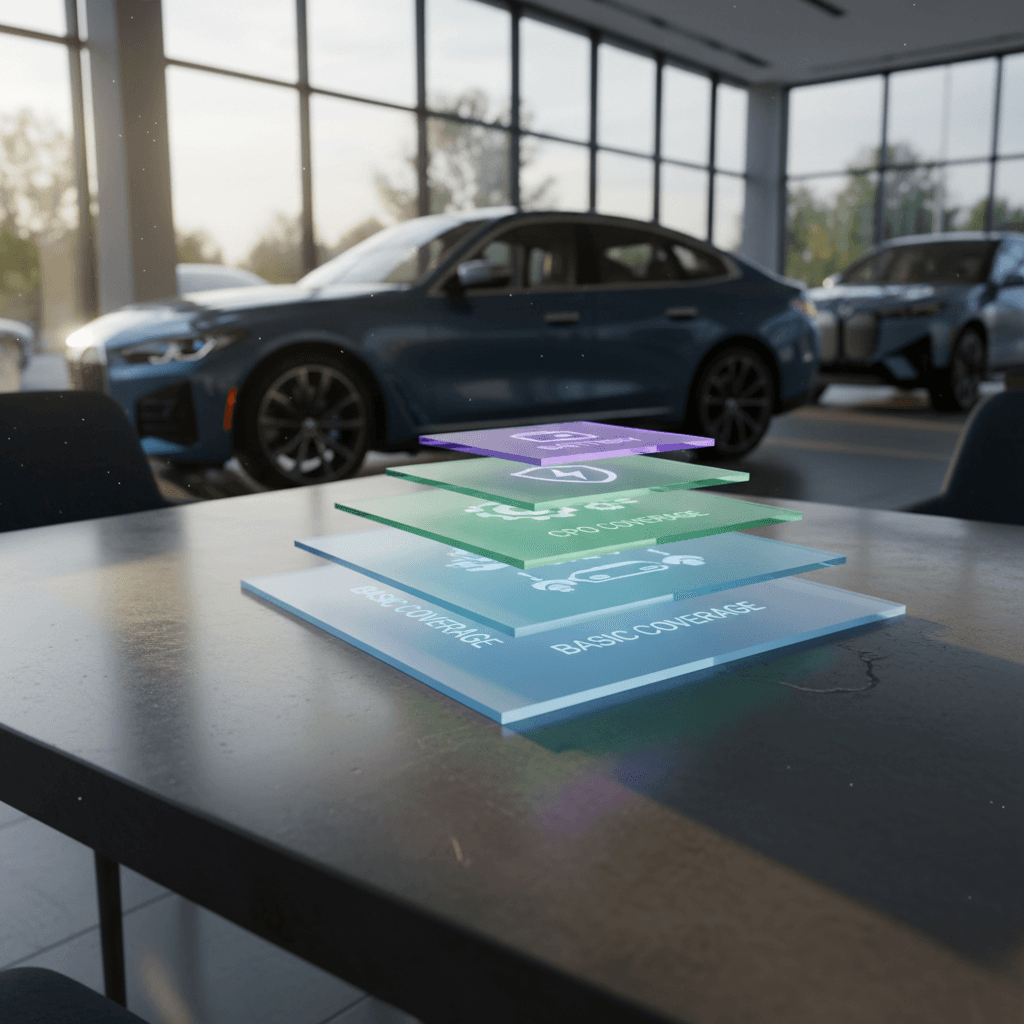
Think of the BMW CPO electric car warranty as two overlapping umbrellas: the general vehicle coverage (bumper‑to‑bumper style protection with some exclusions) and the separate high‑voltage battery warranty. The CPO program extends the general coverage for a year, while the battery warranty keeps marching on its own timeline regardless of CPO status.
How BMW Certified Pre-Owned works for electric models
BMW runs separate Certified Pre‑Owned pages for all‑electric models (i4, i5, i7, iX, i3) and for plug‑in hybrids. The basic structure is the same whether you’re looking at a battery‑electric iX or a plug‑in hybrid X5 xDrive45e:
Core benefits of BMW CPO for EVs
What you get when a BMW EV is sold as Certified Pre‑Owned through an authorized dealer
1‑year CPO limited warranty
Once the original 4‑year/50,000‑mile New Vehicle Limited Warranty expires, BMW adds 1 extra year of coverage with unlimited miles on a Certified Pre‑Owned vehicle.
EV‑specific inspection
Certified all‑electric and plug‑in hybrids go through a 360° inspection by BMW‑trained techs, including checks on high‑voltage components, charging hardware, and software.
Roadside assistance
BMW CPO typically includes 3 additional years of roadside assistance, which can be a big comfort when you’re getting used to an EV on longer trips.
Model years and eligibility
What the BMW CPO electric car warranty actually covers
The BMW Certified Pre‑Owned Limited Warranty on electric cars is designed as a broad mechanical and electrical warranty that kicks in after the original 4yr/50k coverage ends. While BMW doesn’t publish a short, simple bullet list for every last component, the program is intended to mirror much of the new‑car limited warranty, with some exclusions you’ll want to read carefully.
Typical CPO EV coverage
- Electric drive components like the motor(s), onboard charger, inverter, and associated electronics (outside of the separate battery warranty).
- Steering, suspension, braking, and drivetrain hardware.
- Climate control components, including heat pump or A/C compressor.
- Infotainment and major electronic modules, when failure is due to defects and not damage or modification.
Exact coverage can vary slightly by model year and program terms, so always read the current BMW CPO Limited Warranty booklet for the VIN you’re considering.
Common exclusions
- Wear items such as tires, brake pads/rotors, wiper blades, and 12‑volt batteries.
- Cosmetic issues including paint chips, wheel rash, interior trim wear, and upholstery damage.
- Damage from accidents, misuse, or modifications (including some aftermarket suspension or tuning changes).
- Routine maintenance like cabin filters, brake fluid, and tire rotations.
If a dealer pitches you on paid maintenance or a separate extended warranty, clarify what those plans add beyond the CPO coverage you’re already getting.
BMW EV battery warranty: years, miles, and degradation
Here’s the part most shoppers care about. BMW treats the high‑voltage battery as a separate, long‑term component with its own warranty. For modern BMW all‑electric models sold in the U.S., including the i4, i5, i7, iX, and late‑run i3, BMW generally provides an 8‑year / 100,000‑mile high‑voltage battery limited warranty from the original in‑service date.
- This warranty is tied to the car, not the owner. It transfers to second, third, and fourth owners whether or not the vehicle is CPO.
- It covers defects in materials or workmanship of the high‑voltage battery and its internal components.
- BMW has publicized that if capacity drops significantly (often referenced around 70% of original usable capacity) within the warranty period, customers may be eligible for repair or replacement, though the exact process and thresholds can vary by model year and region.
- CPO status doesn’t extend the battery warranty clock; it just adds coverage for other systems while the battery follows its own 8‑year/100k‑mile timeline.
Watch the in‑service date, not just model year
BMW CPO warranty for plug‑in hybrids (530e, X5 xDrive45e, and more)
If you’re looking at a Certified Pre‑Owned BMW plug‑in hybrid electric vehicle (PHEV), like the 330e, 530e, 745e, X3 xDrive30e, or X5 xDrive45e, the framework is similar but not identical to the full EVs.
What stays the same
- You still get the 4‑year/50,000‑mile New Vehicle Limited Warranty from original sale.
- The BMW CPO Limited Warranty adds 1 more year with unlimited miles after that 4yr/50k term expires.
- CPO plug‑in hybrids also go through a 360° inspection, including their high‑voltage components and charging hardware.
- Roadside assistance is included, typically extended by 3 years with CPO status.
What’s different for PHEVs
- The high‑voltage battery warranty has historically been 8 years / 80,000 miles on some plug‑in models, not 100,000 miles, though BMW has updated terms on newer vehicles.
- Because the pack is smaller than a full EV’s, range loss is harder to feel in daily driving, but the warranty is still important if a module fails.
- PHEVs still come with a 120V Level 1 “occasional use” cable from BMW when new, and that charger is typically included with CPO vehicles as well.
Battery warranties transfer
What BMW’s CPO electric warranty does NOT cover
CPO doesn’t turn a used BMW EV into a brand‑new car. Understanding what’s excluded helps you budget realistically and avoid surprises after you sign the paperwork.
Common BMW CPO EV warranty exclusions
Cosmetic and appearance issues
Curb‑rashed wheels, scratched trim, minor dings and paint chips are rarely covered. If you’re picky about aesthetics, factor in wheel repair or paintless dent removal.
Wear‑and‑tear parts
Tires, brake pads and rotors, wiper blades, and many suspension bushings are considered normal wear items unless BMW determines a covered defect caused unusual wear.
Damage and neglect
Anything tied to accidents, water intrusion, aftermarket tuning, improper towing, or ignoring warning lights usually falls outside warranty coverage.
Charging equipment abuse
The occasional‑use Level 1 cable or home wallbox may have coverage when purchased from BMW, but physical damage, like running over the cable, is usually on you.
Don’t assume “everything” is covered
BMW CPO vs non‑CPO used BMW EV: what’s the real difference?
On paper, BMW’s Certified Pre‑Owned label adds peace of mind, and cost. In the real world, the value depends on the specific car and how long you plan to keep it.
BMW CPO vs non‑CPO used BMW EV
How a Certified BMW EV compares to a comparable used BMW EV sold outside the CPO program.
| Feature | BMW CPO EV (dealer) | Non‑CPO used BMW EV |
|---|---|---|
| Battery warranty | Same 8yr/100k (or 8yr/80k for some PHEVs), transfers either way | Same factory battery warranty if within term |
| General warranty | Remaining 4yr/50k + 1yr/unlimited CPO | Remaining 4yr/50k only, or none if expired |
| Inspection standard | BMW‑branded 360° CPO inspection | Varies by seller; some provide inspections, others sell as‑is |
| Price | Higher, often $1,000–$3,000+ premium vs similar non‑CPO | Lower up‑front price; you may budget for an extended warranty instead |
| Roadside assistance | Included/extended for CPO term | May be absent or limited to remaining original coverage |
| Financing offers | Access to BMW Financial CPO promos and incentives | Depends on lender; not tied to BMW CPO program |
CPO can be worth it for shoppers who value dealer backing and short‑term peace of mind more than rock‑bottom price.
When CPO is usually worth it
How to check remaining warranty on a used BMW EV
Whether you’re shopping CPO at a BMW store or browsing non‑CPO used inventory online, you should always verify exact warranty status for the specific car you’re considering. Don’t rely on a generic listing blurb.
Steps to confirm remaining BMW EV warranty
1. Get the VIN and in‑service date
Ask the seller for the full 17‑character VIN and the original in‑service date (the day the car was first sold or leased new). This anchors both the 4yr/50k and 8yr battery timelines.
2. Call a BMW dealer’s service department
Provide the VIN and request a <strong>warranty status printout</strong>. They can tell you when the original new‑car warranty and high‑voltage battery warranty expire, plus any existing recalls or campaigns.
3. Ask if the car is CPO or just “used”
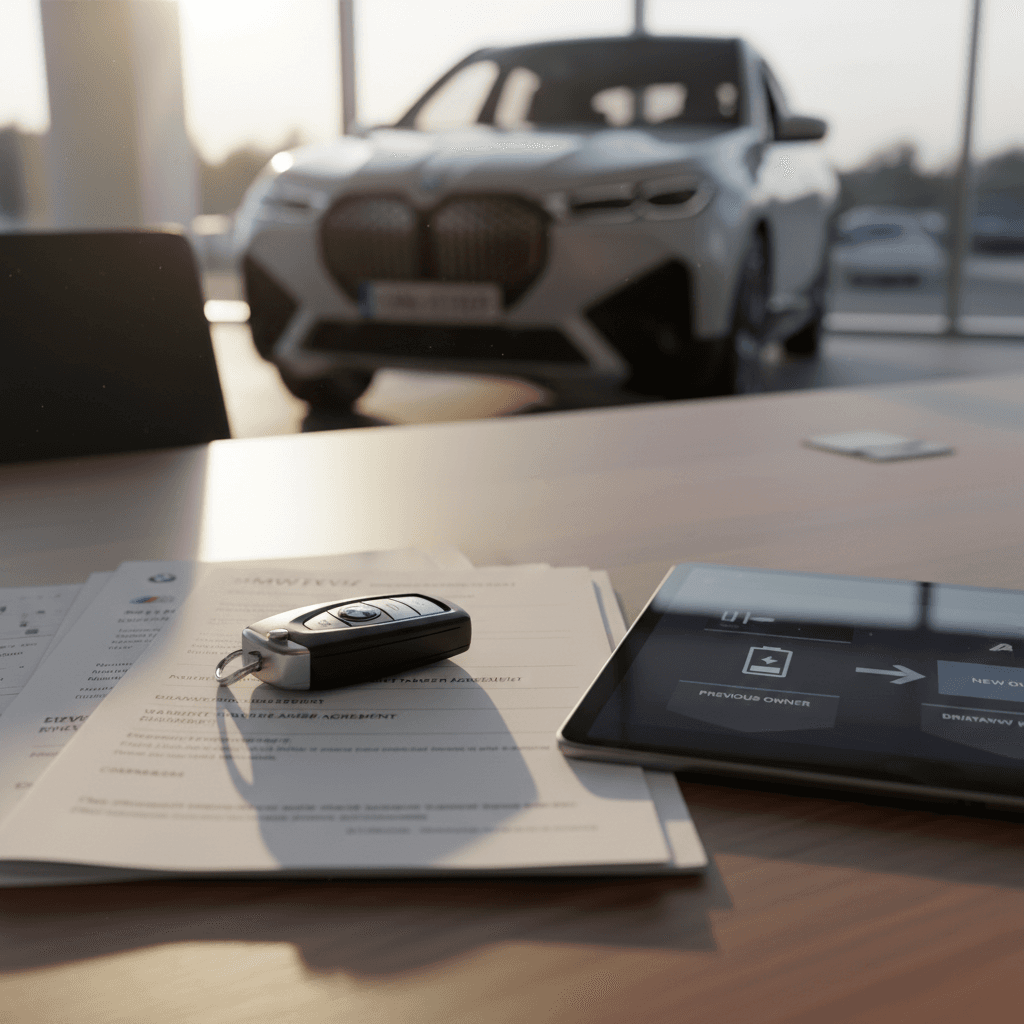
Some dealers advertise cars as “certified” in marketing copy before they’ve actually completed the CPO process. Confirm that the <strong>BMW CPO Limited Warranty has been applied</strong> and ask for documentation.
4. Request battery health documentation
For newer BMW EVs, some dealers can share internal battery health or “state of health” data from a scan or a factory report. Even without a perfect percentage, it’s good to see that someone has checked.
5. Review the actual CPO booklet
Ask for a digital or paper copy of the BMW CPO Limited Warranty for that model year. This is your rulebook for what’s covered and what isn’t, more reliable than a sales pitch.
Checklist: Buying a BMW CPO electric car with confidence
Ready to pull the trigger on a BMW CPO i4 or iX? Use this quick checklist so you’re not relying on glossy brochure language when real money is on the line.
- Confirm the original in‑service date and calculate remaining 4yr/50k and 8yr/100k (or 8yr/80k for some PHEVs) coverage.
- Verify in writing that the car is BMW Certified Pre‑Owned, not just “certified” by the dealership in a generic sense.
- Ask for a copy of the CPO inspection report, paying attention to any notes about prior repairs, paintwork, or wheel/tire replacement.
- Review the CPO warranty booklet for your model year and note any exclusions that matter to you (infotainment, air suspension, driver‑assist tech).
- Look at real‑world battery range on a full charge and compare it to the EPA rating when new. Moderate loss is normal; a huge gap deserves more questions.
- Plan for wear‑and‑tear items (tires, brakes) that aren’t covered, especially on heavy, powerful EVs with big wheels.
How Recharged compares to traditional BMW CPO for used EVs
BMW’s CPO program is tailored to its own franchise dealers. But it’s not the only way to buy a used BMW EV with confidence. At Recharged, everything we do is built around electric vehicles, BMWs included, whether they’re CPO from the manufacturer or not.
Where BMW CPO shines
- Factory‑backed 1‑year/unlimited‑mile CPO warranty on top of any remaining 4yr/50k coverage.
- Access to BMW Financial Services CPO incentives and low‑APR offers on select i4, i5, i7, and iX models.
- Comfort of brand‑specific technicians and OEM parts at franchise dealers.
Where Recharged adds value
- Every EV, BMW or otherwise, comes with a Recharged Score Report that includes verified battery health, pricing transparency, and vehicle history.
- We specialize exclusively in used electric vehicles, with EV‑savvy advisors who can explain BMW’s warranty nuances in plain English.
- Flexible options: financing, trade‑in, instant offer or consignment, plus nationwide delivery without spending a Saturday in a showroom.
- If you already own a BMW EV and want to sell, we can give you an instant offer or help you consign it, keeping your battery reports and remaining warranty front and center for buyers.
Thinking beyond CPO
FAQ: BMW CPO electric car warranty
Common questions about BMW CPO EV warranties
Bottom line: When a BMW CPO electric warranty is worth it
A BMW CPO electric car warranty is most valuable when you’re shopping a fairly new, well‑optioned EV, like an i4, iX, or i7, that’s just about to age out of its original 4‑year/50,000‑mile coverage. The CPO program buys you another year of broad protection with unlimited miles, plus the reassurance of a BMW‑branded inspection and roadside assistance, while the separate 8‑year battery warranty keeps running in the background.
If you’re more price‑sensitive, or you find a non‑CPO BMW EV with excellent history, strong battery health, and plenty of factory battery warranty left, you may be better off skipping the CPO premium and investing in independent diagnostics and transparent data instead. That’s where a battery‑focused marketplace like Recharged can help, pairing you with used BMW EVs that have verified battery reports, fair pricing, and EV‑savvy guidance from your first search to final delivery.