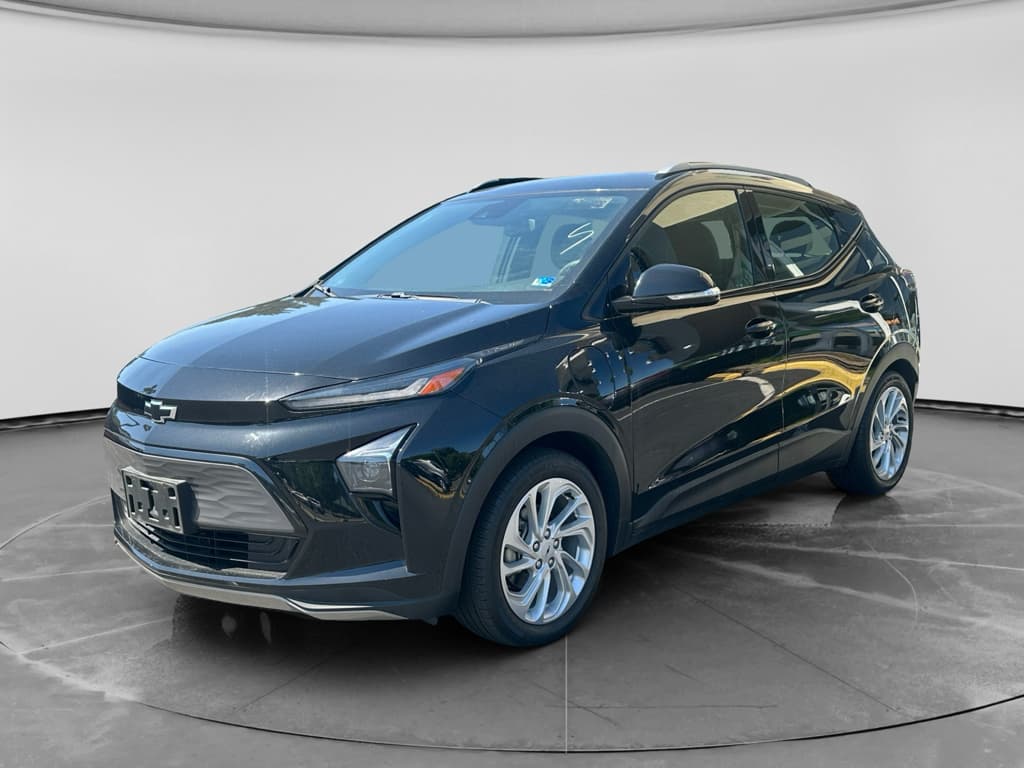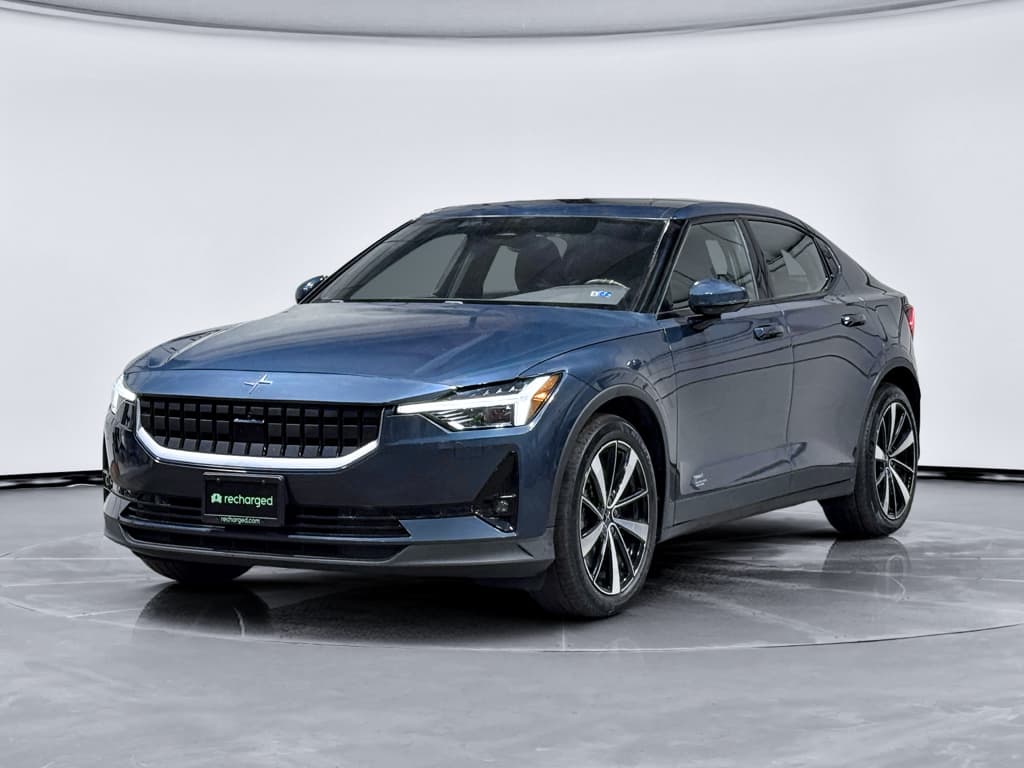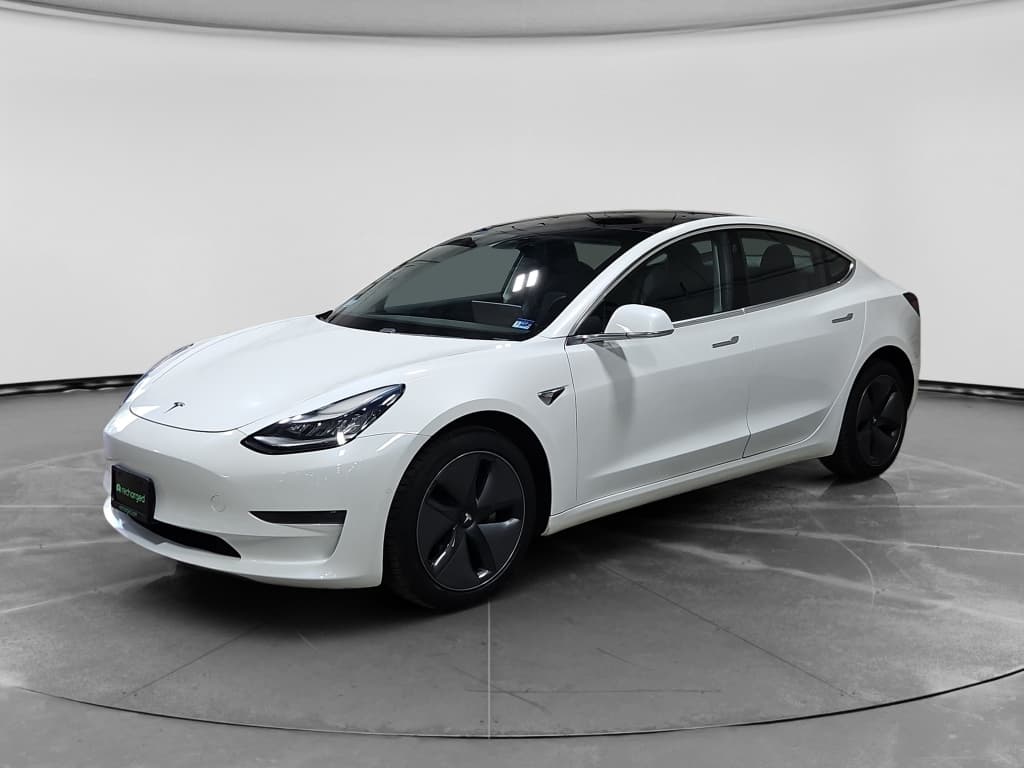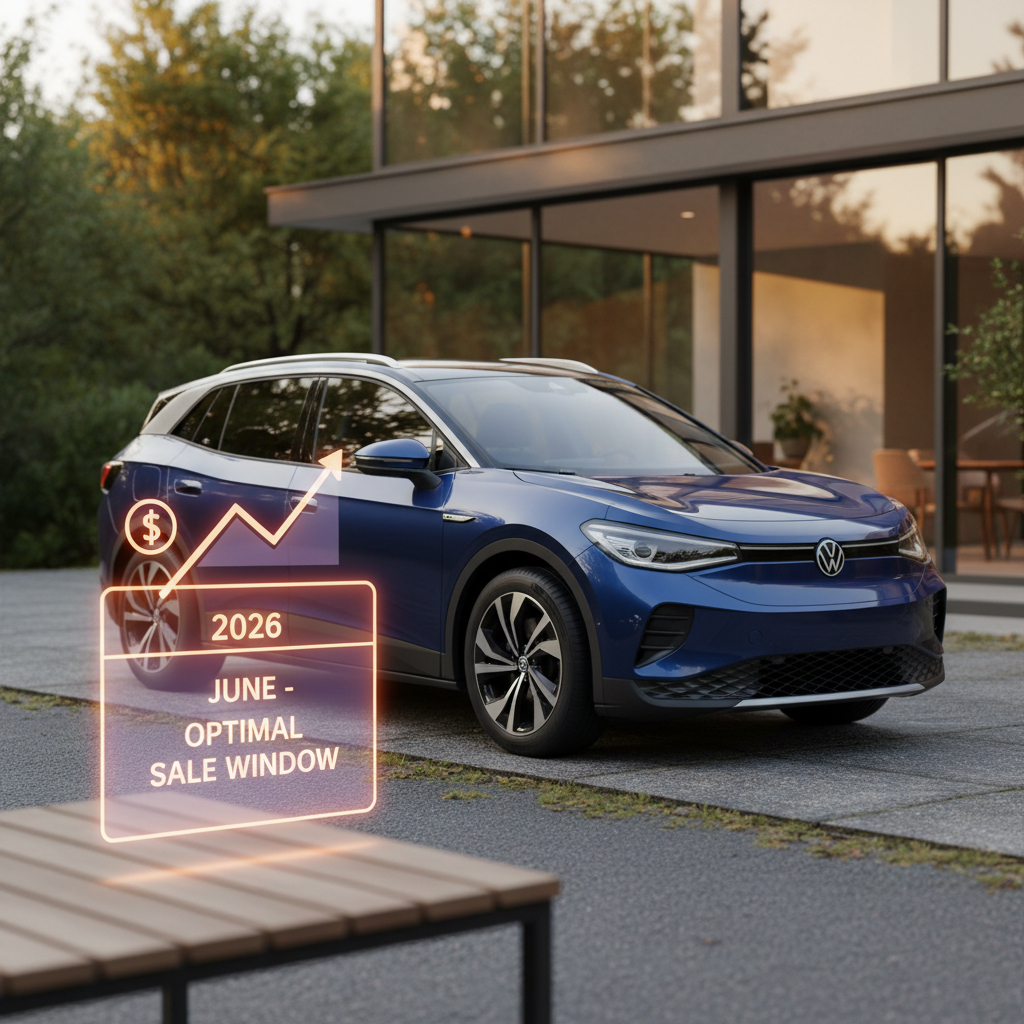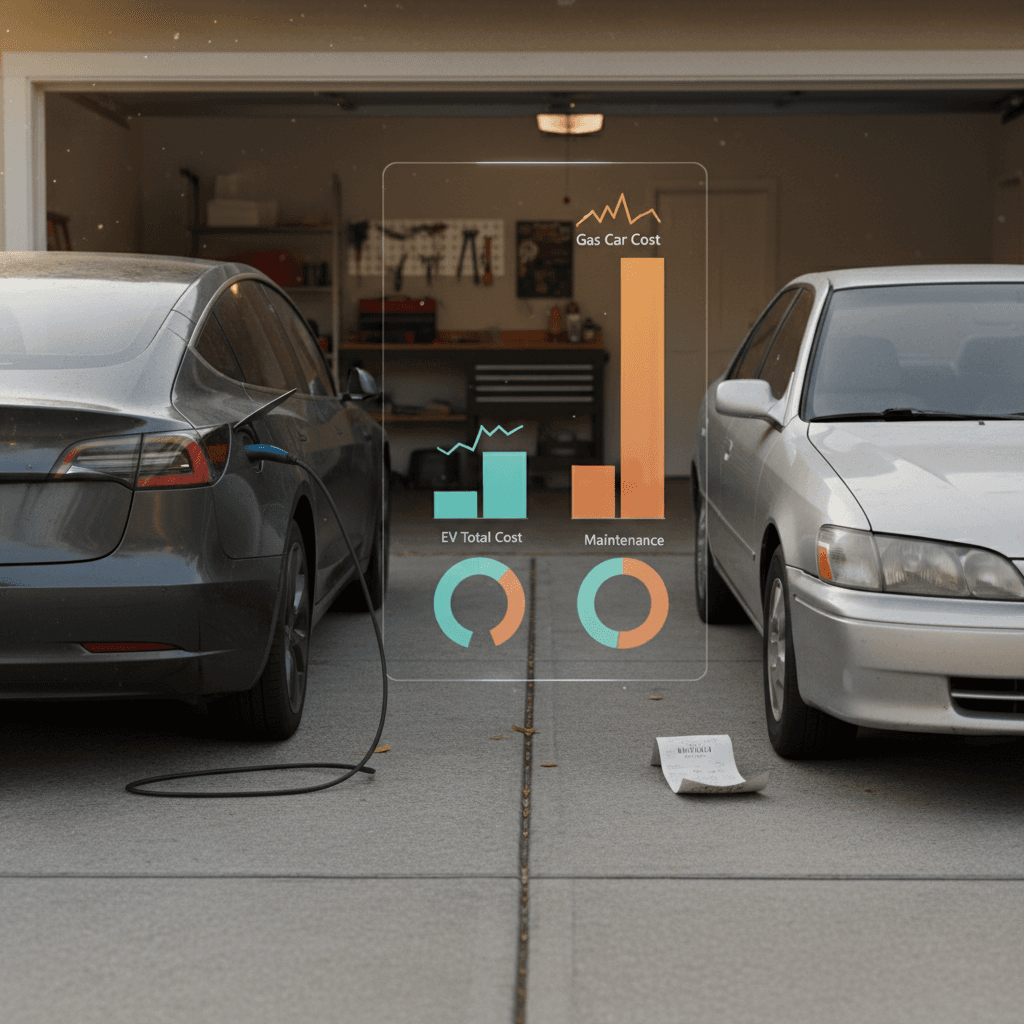
Do electric cars save money, or is that just marketing gloss? The honest answer: they usually do, but not for everyone, and not in the way people imagine. The savings don’t come as a lottery win on day one; they arrive in small, quiet installments, at the pump you skip, the oil change you never schedule, the brake pads you don’t replace.
Big picture
Do electric cars save money overall?
Where EV savings typically come from
When people ask whether EVs save money, what they really mean is total cost of ownership: the combined cost of purchase (or monthly payment), fuel, maintenance, insurance, incentives, and resale over time. On that score, electric cars tend to win over the long run when: - You’re not overbuying (no $80,000 status sled if you’re a $30,000 car person). - You can charge at home or consistently at a low cost. - You plan to keep the car at least 4–5 years. Where things get messy is upfront price and battery uncertainty, especially in the used market. That’s the part Recharged was built to untangle with tools like the Recharged Score, which includes verified battery health and fair market pricing for used EVs.
When an EV may NOT save you money
Where electric cars actually save you money
Four main drivers of EV savings
Most of the financial advantage comes from these levers, not from the sticker price alone.
1. Home charging instead of gas
Home charging turns your house into your own filling station. Instead of $3–$4 per gallon, you’re paying your local electricity rate, often equivalent to paying $1–$1.50 per gallon or less, especially off-peak.
2. Simpler drivetrains, fewer wear items
No oil, no spark plugs, no exhaust system, fewer fluids, fewer parts to break. Over time this usually means fewer surprise repairs and lower scheduled maintenance.
3. Incentives and tax credits
Federal and state incentives can lop thousands off the effective price. On used EVs, that can turn an already-depreciated car into a serious bargain.
4. Stable energy prices
Electricity prices move, but they don’t whipsaw like gasoline. Being less exposed to oil price spikes means more predictable monthly costs.
Think of EV savings as a series of small discounts that quietly stack up year after year. The cheaper your energy and the more you drive, the bigger those discounts get. A high-mileage commuter with a Level 2 charger at home plays this game on “hard mode” for gas, and wins with an EV.
Upfront price: new vs used EV vs gas
New EVs vs new gas cars
New electric cars still often cost more on the sticker than comparable gas models. A compact or midsize EV may be several thousand dollars higher than its gasoline twin, sometimes more, sometimes less, depending on brand and incentives.
If you’re shopping new and comparing monthly payments only, the EV can look more expensive at first. The trick is to include lower fuel and maintenance costs in your mental math. Over a 5-year loan, those running-cost savings can more than erase a modest price gap.
Used EVs: the quiet sweet spot
The used market is where EVs often get seriously cheap relative to their capability. Early buyers take the depreciation hit; you get the efficient, quiet car at a discount.
The catch? You need confidence in the battery. That’s where tools like the Recharged Score battery health report matter. On Recharged, every used EV comes with verified battery diagnostics and a transparent pricing breakdown, so you’re not guessing about the car’s most expensive component.
Smart move for budget-conscious buyers
Fuel costs: electricity vs gasoline
Typical fuel cost per mile: EV vs gas
Approximate U.S. averages; your numbers will vary with local electricity and gas prices and how efficient your vehicle is.
| Scenario | Energy price assumption | Vehicle efficiency | Approx. cost per mile | Annual energy cost (12,000 miles) |
|---|---|---|---|---|
| Gas car – average | $3.75/gal gasoline | 30 mpg | $0.13/mi | $1,500 |
| Gas SUV – less efficient | $3.75/gal gasoline | 22 mpg | $0.17/mi | $2,045 |
| EV – home charging | $0.15/kWh electricity | 3.5 mi/kWh | $0.04/mi | $480 |
| EV – mix of home & public | Blended rate ≈ $0.20/kWh | 3.2 mi/kWh | $0.06/mi | $720 |
| EV – mostly DC fast charging | High-rate public charging | 3.0 mi/kWh | $0.09–0.12/mi | $1,080–$1,440 |
Illustrative comparison for a typical commuter driving 12,000 miles per year.
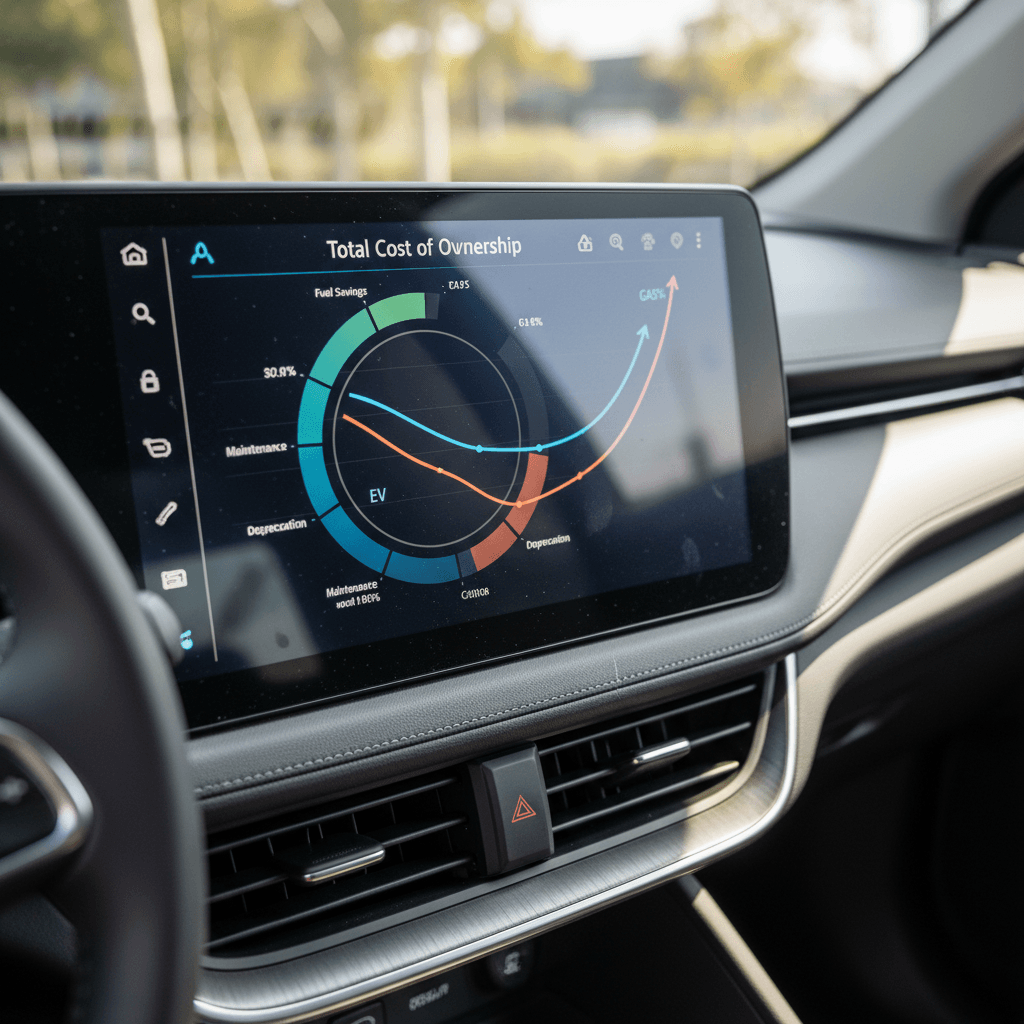
For a lot of drivers, this is where the light bulb comes on. At typical U.S. prices, charging an EV at home often costs less than half as much per mile as buying gasoline, sometimes even less than that. Over 12,000 miles per year, that difference can easily reach hundreds or more than a thousand dollars annually.
The fast-charging trap
Maintenance and repairs: why EVs are cheaper to keep
- No oil changes, no transmission fluid service, no timing belt.
- No exhaust system, catalytic converter, or complex multi-gear automatic gearbox.
- Regenerative braking means brake pads and rotors last longer.
- Fewer moving parts overall, which usually means fewer failures over time.
- Tires may wear faster on powerful EVs, but that’s more about driving style and weight than the motor itself.
A modern internal-combustion car is a small chemical plant on wheels. An EV is closer to a smartphone with axles: battery, motor, inverter, and not a lot else that moves. That simplicity shows up in the shop. Over five to ten years, EV owners typically spend significantly less on routine maintenance, and often less on big-ticket mechanical repairs as well.
What you still budget for
Incentives, tax credits, and hidden perks
Ways policy quietly helps your bottom line
Some of these show up as checks or credits; others as day-to-day convenience.
Federal tax credits
Depending on the vehicle and your tax situation, you may qualify for a federal EV tax credit on new or used EVs. That can effectively cut the purchase price by thousands of dollars.
State & local rebates
Many states, utilities, and cities offer rebates on EVs or home chargers, discounted electricity rates, or bill credits for charging off-peak.
Carpool & parking perks
In some regions, EVs can access HOV lanes, reduced tolls, or preferred parking at workplaces and public garages. Not direct cash, but real-world time savings and convenience.
Home charger incentives
Rebates or credits on home charging equipment can lower the upfront cost of installing a Level 2 charger, which in turn improves your fuel savings by making home charging easy.
Don’t count money you can’t use
Battery life, resale value, and risk
This is the part everyone worries about: Will I have to buy a new battery, and will it bankrupt me? It’s a fair question. EV batteries are expensive components, and early horror stories live a long time on the internet.
- Modern EV batteries are engineered to last many years and well over 100,000 miles when properly cooled and managed.
- Most cars lose some range in the first few years, then degrade more slowly; a 10–20% loss over a long horizon is common but usually manageable.
- Extremely fast charging, sustained high heat, and frequent 100% charging can accelerate wear, but so can neglecting an engine’s oil on a gas car.
- On the used market, battery uncertainty used to be a guessing game. Now, battery health diagnostics give you real data instead of vibes.
How Recharged reduces battery risk
Ready to find your next EV?
Browse VehiclesResale values for EVs have been volatile, sometimes dropping faster than comparable gas cars as technology improves and new incentives arrive. If you buy new and flip the car quickly, that churn can hurt. If you buy used, after the big depreciation cliff, you let someone else take that hit and simply enjoy the low running costs.
How to run the numbers for your situation
Quick checklist: will an EV likely save you money?
1. Estimate your annual miles
Grab your current odometer readings or insurance records and figure out how many miles you actually drive per year. The more you drive, the more an efficient EV can pay off.
2. Compare your gas spend vs electricity
Look at recent gas receipts and your electric bill. Use an online EV cost calculator or the table above as a starting point to estimate your cost per mile on gas vs electricity.
3. Be honest about charging access
Can you install a Level 2 charger at home, or at least reliably use a 120V outlet? Is there workplace charging? If you’ll rely mostly on public fast charging, adjust your savings expectations downward.
4. Decide between new and used
If you’re payment-sensitive or hate depreciation, lean toward a <strong>used EV with documented battery health</strong>. New EVs can still make sense if incentives are strong and you plan to keep the car for many years.
5. Factor in incentives you can actually claim
Check federal, state, and local programs and talk to a tax professional if needed. Don’t assume every headline credit applies to you.
6. Look at total monthly cost, not just payment
Add up loan/lease payment, estimated fuel, maintenance, and insurance. An EV might have a slightly higher payment but a <strong>lower total monthly cost</strong> once you include everything.
Where Recharged can help with the math
Maximizing your savings with an electric car
Seven practical ways to squeeze more value from your EV
Once you own an EV, these habits keep more money in your pocket.
Charge mostly at home
Use a Level 2 home charger if possible. It’s usually the cheapest and most convenient way to refuel, and you can schedule charging for off-peak hours.
Time your charging
Many utilities offer lower rates at night. Set your car or charger to start around midnight and let the grid’s quiet hours work in your favor.
Drive smoothly
A moderate right foot and smart use of regenerative braking can noticeably stretch your range, lowering your effective cost per mile.
Use apps for trip planning
For road trips, use EV routing apps to plan efficient stops and avoid expensive, unnecessary fast charging sessions.
Protect your battery
Whenever practical, avoid letting the battery sit at 0% or 100% for long periods and don’t fast-charge more than you need. Good habits support long-term health.
Buy the capability you need
Be realistic about range and performance. A practical, efficient EV that fits your life usually saves more than a high-performance halo model you barely exploit.
FAQ: Do electric cars save money?
Frequently asked questions about EV savings
Bottom line: are EVs worth it financially?
Electric cars aren’t magic; they’re appliances with trade-offs. But as appliances go, they’re unusually good at turning energy into miles without turning your wallet inside out. If you drive a normal or high annual mileage, can charge at home or work, and choose a sensibly priced EV, especially a used one with verified battery health, then yes, electric cars typically do save money over time compared with similar gas vehicles.
Where they fall short is when the purchase is more about image than need, or when charging is so inconvenient and expensive that you end up treating the car like a slightly awkward gas vehicle. The trick is to match the car to your life, not the other way around.
If you’re ready to run the numbers on a real car instead of hypotheticals, you can explore used EVs with Recharged Score battery health reports, financing, trade-in options, and nationwide delivery. That’s where the question “Do electric cars save money?” stops being theoretical, because the answer becomes a specific car, a specific payment, and a clear path to ownership.